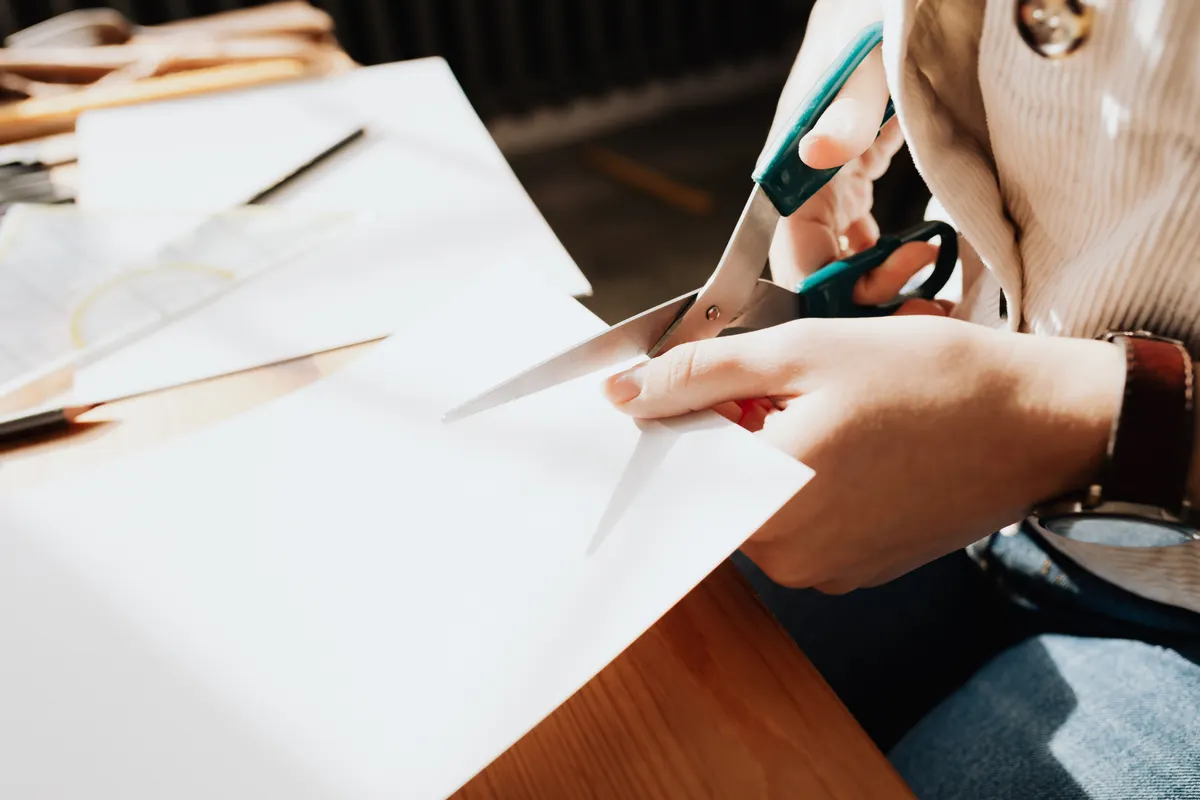
I sold my first batch of handmade cards at a tiny local market for five dollars each, and every single one sold out before lunch. Can you make money from paper crafts? Yes, and you don't need a big studio or fancy equipment to start turning cardstock and glue into real income.
Plenty of paper crafters quietly earn extra cash on the side, some even replace a full income eventually. This article is Part of Common Paper Craft Questions & Comparisons, so if you've been wondering whether your hobby could pay for itself, or more, keep reading.
Can Paper Crafting Be a Side Income
Yes, paper crafting works well as a paper craft side business, mostly because the startup costs stay low and demand for handmade goods stays steady online. Many crafters start small, selling a handful of pieces at local markets or through a simple online shop, then scale up as orders grow.
The flexible nature of this hobby helps too. You can craft in small batches around a regular job, filling orders during evenings or weekends without needing to commit to it full time right away.
I kept my card business as a side project for almost two years before it grew into something bigger. That slow build gave me time to figure out pricing and demand without pressure to make it work overnight.
Basic Tools for Selling Paper Crafts
A small, focused toolkit keeps early production costs manageable while you test what actually sells.
|
Tool |
Purpose |
Approximate Cost |
|
Craft knife and cutting mat |
Clean, precise cuts |
$15 to $25 |
|
Scoring board |
Crisp, professional folds |
$10 to $20 |
|
Cardstock in bulk |
Main material for most projects |
$20 to $40 per pack |
|
Glue and adhesive tape runner |
Secure, flat assembly |
$5 to $15 |
|
Packaging supplies |
Protective shipping for sold items |
$10 to $20 |
Buying cardstock in bulk once you're consistently selling saves real money compared to small packs, since per-sheet cost drops noticeably at larger quantities. A sharp blade also matters more here than in casual crafting, since a dull one slows down batch work and leaves rougher edges that customers notice.
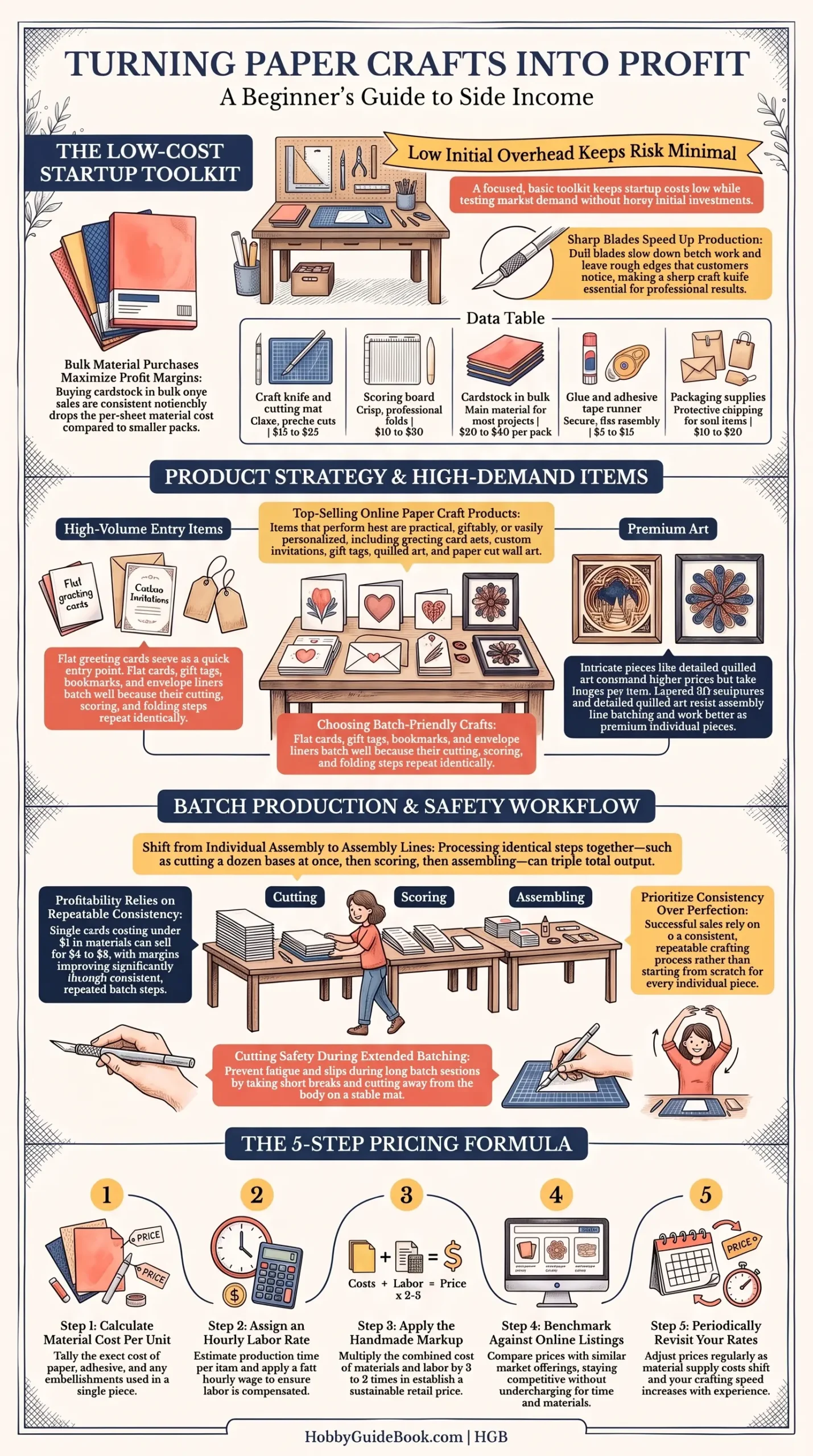
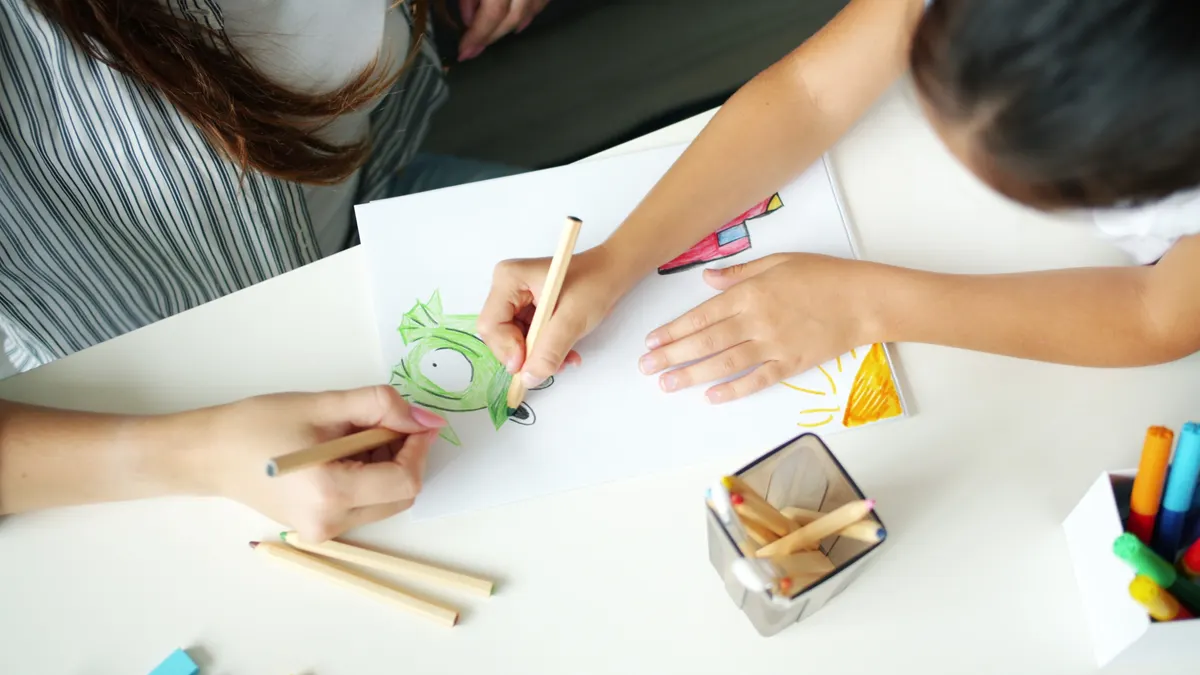
Photo Credit: Hobby Guidebook Editorial
What Paper Craft Items Sell Best Online
Certain paper craft items consistently outsell others, mostly because they're practical, giftable, or easy to personalize.
- Greeting cards, especially themed sets for holidays, birthdays, or specific occasions like new babies.
- Custom invitations, for weddings, showers, or parties, often sold in matched sets.
- Gift tags and packaging accents, small, low cost items that pair well with other handmade goods.
- Quilled art pieces, framed or unframed, appealing to buyers looking for detailed decorative work.
- Paper cut wall art, silhouettes and patterned designs that photograph well for online listings.
Cards tend to be the easiest entry point, since they're quick to produce and buyers already understand their value. More detailed pieces, like quilled art, sell for higher prices but take longer per item, so they suit crafters wanting fewer, higher value sales.
Once your basics are selling steadily, moving into pricier detailed work is a natural next step. Advanced Paper Craft Projects covers techniques for the kind of layered and detailed pieces that command better prices per item, even though they take longer to finish.
Is It Profitable to Sell Handmade Cards
Yes, selling handmade cards can be genuinely profitable, especially once you streamline your process and buy materials in bulk. A single card might cost under a dollar in materials but sell for four to eight dollars, depending on design complexity and local market rates.
Profit margins improve significantly once you're comfortable producing in batches rather than one card at a time. Cutting, scoring, and assembling several cards in the same session saves time compared to finishing each one individually before starting the next.
A handmade item doesn't need to be perfect to sell well. It needs to be consistent, and consistency comes from a repeatable process, not from starting fresh every single time.
I learned to batch my work out of necessity, since making one card at a time barely covered the time I spent on it. Once I started cutting a dozen bases at once, then scoring, then assembling, my output roughly tripled without adding extra hours.
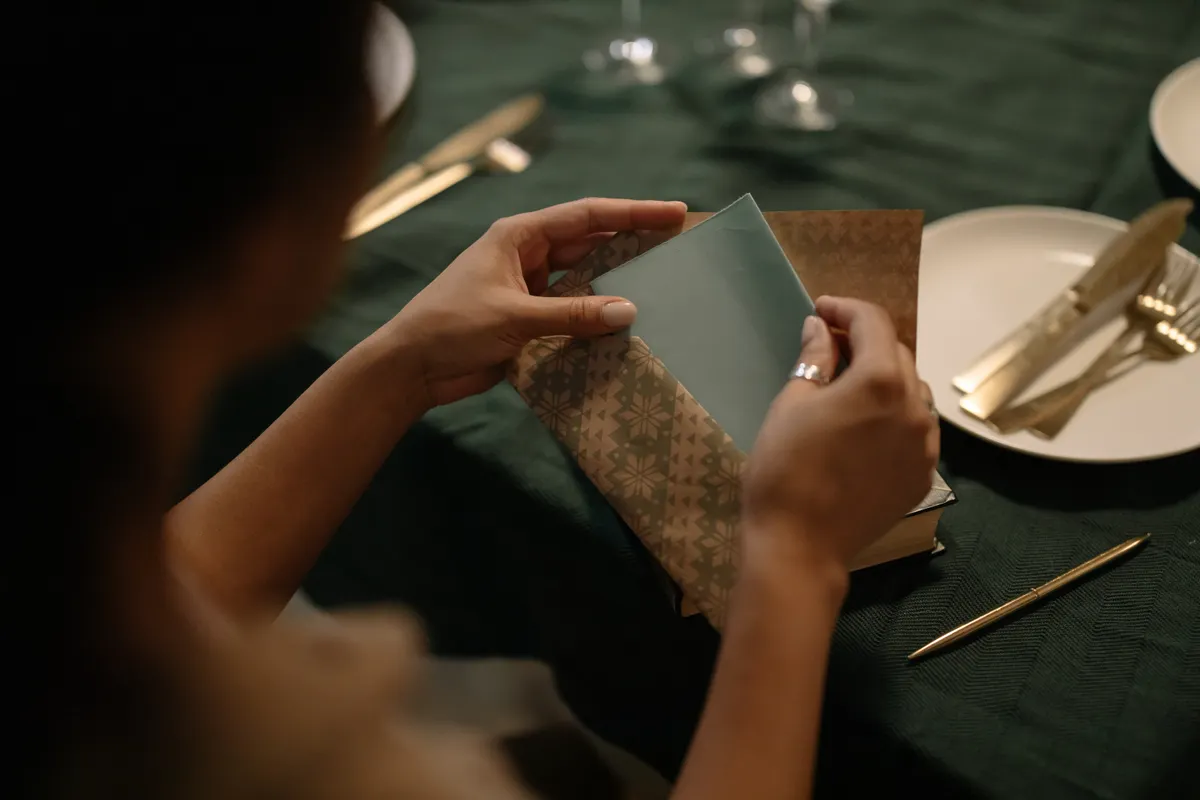
Photo Credit: cottonbro studio
What Paper Crafts Are Easiest to Make in Batches
Some projects naturally suit batch production better than others, mostly based on how repeatable each step is.
- Flat greeting cards, since cutting, scoring, and folding steps repeat identically across every piece.
- Gift tags, small and simple enough to cut dozens at once using a template or punch.
- Bookmarks, requiring minimal assembly beyond cutting and maybe a punched hole or ribbon.
- Simple envelope liners, useful add-ons that pair with card sets and reuse the same cutting template.
More intricate pieces, like layered 3D sculpture or detailed quilled art, resist batching since each one demands individual attention. Those pieces work better as premium, one-off items rather than production line goods.
How Do You Price Handmade Paper Crafts for Sale
Pricing trips up a lot of new sellers, mostly because it's tempting to undercharge just to get first sales.
- Calculate your material cost per piece, adding up paper, glue, and any embellishments used.
- Estimate your time per item, then assign a reasonable hourly rate, even a modest one, to that time.
- Add both together, then apply a markup, typically two to three times your combined cost for handmade goods.
- Check comparable listings online, adjusting your price to stay competitive without going far below material and time costs.
- Revisit pricing regularly, since material costs and your own speed both change as you gain experience.
Undercharging early on is common, and I did it too, selling cards for barely more than the materials cost. Raising prices later felt uncomfortable at first, but customers who valued the work stayed, and the ones chasing rock bottom prices usually weren't the customers worth keeping anyway.
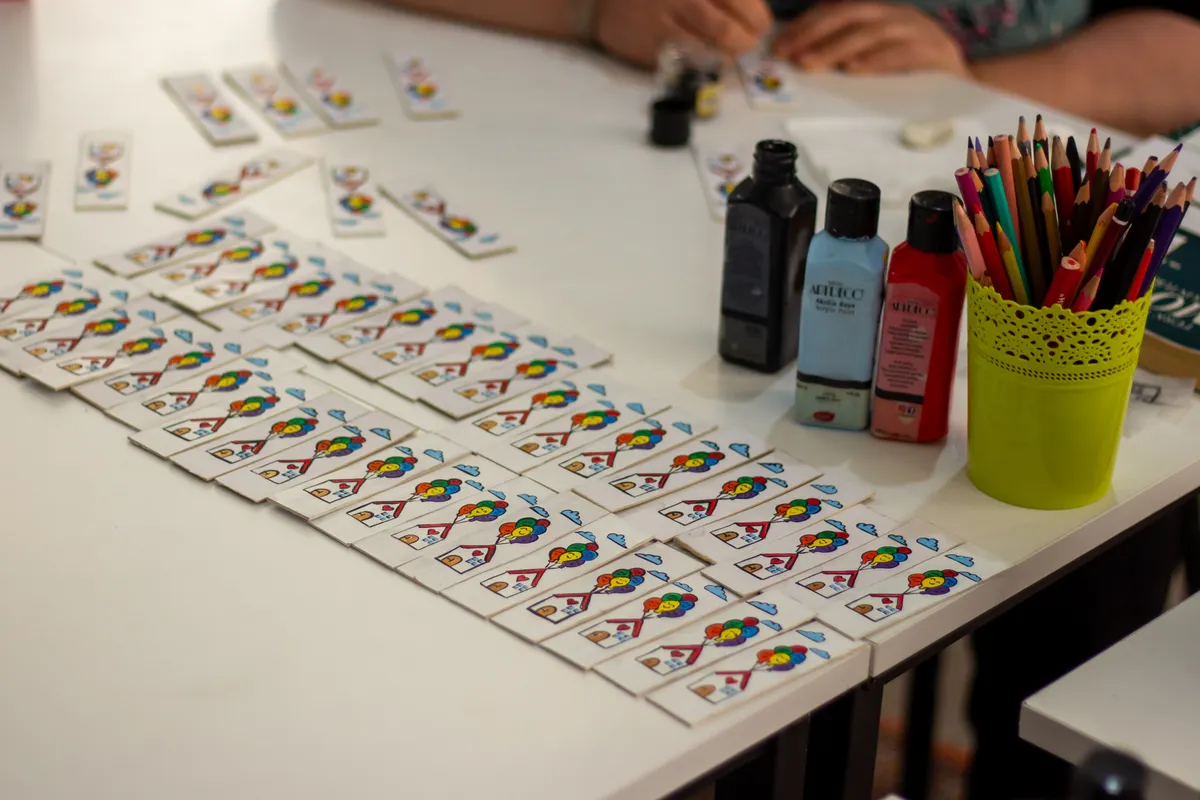
Photo Credit: Sedanur Kunuk
A quick safety note worth mentioning here, since batch work often means longer sessions with a craft knife. Take short breaks during long cutting sessions, and always cut away from your body on a stable mat, since fatigue is when slips happen most.
Selling isn't the only reason to stick with this hobby long term, either. Why Learn Paper Crafts? covers the broader benefits worth knowing, from the relaxation it offers to the skills that carry over into other creative work.
FAQ
Can paper crafting be a side income? Yes, many crafters sell handmade cards, gift tags, or art pieces part time, scaling production around a regular job before growing further.
What paper craft items sell best online? Greeting cards, custom invitations, gift tags, quilled art, and paper cut wall art consistently perform well with online and local buyers.
Is it profitable to sell handmade cards? Yes, cards typically cost under a dollar in materials but sell for several dollars each, especially once production is streamlined into batches.
What paper crafts are easiest to make in batches? Flat cards, gift tags, bookmarks, and envelope liners batch well, since their repeatable steps suit assembly line style production.
How do you price handmade paper crafts for sale? Add material cost and a fair hourly rate together, then apply a two to three times markup, checking comparable listings to stay competitive.
Final Thoughts
Paper crafting can absolutely turn into real income, whether as a small side project or something bigger down the road. Start with simple, repeatable items, price fairly for your time, and let steady demand guide how far you take it.
Read the full paper crafts guide for more tips and techniques across every paper craft.




Leave a Reply