You spot a small woven cup tucked into a shrub, then twenty feet away find a hole drilled straight into a dead tree trunk, and suddenly you realize two completely different birds built these two completely different homes. This bird nest type reference guide breaks down the main nest styles you'll encounter in the field, helping you use nest shape and placement as another clue for figuring out who built it.
Part of Birdwatching Glossary & Reference, this guide fills a gap that many beginners hit early on, since most field guides focus heavily on plumage and calls while barely mentioning what the nest itself can tell you.
Why Nest Type Matters for Identification
In my experience, beginners often walk right past a nest without a second glance, assuming identification only comes from seeing the bird itself. I've found that learning basic nest categories adds a genuinely useful tool, especially during those frustrating moments when a bird flushes before you get a clear look.
Nest structure connects directly to a species's habitat, foraging style, and even its relationship with predators, so understanding nest type identification builds a fuller picture of how birds actually live rather than just what they look like perched on a branch.
Tools for Studying Nests in the Field
|
Tool |
Why It Helps |
|
8×42 binoculars |
Lets you study nest structure from a safe distance |
|
Field guide (regional) |
Cross references nest style with likely species |
|
Notebook |
Records nest location, height, and material details |
|
Smartphone with birding app |
Useful for logging sightings without close approach |
I've found that a notebook works especially well here, since jotting down details like nest height and surrounding material builds a personal reference over time that beats trying to remember every detail from memory alone.
The Main Types of Bird Nests
1. Cup nests This is probably the most familiar shape, a rounded, bowl like structure woven from grass, twigs, and sometimes mud, usually placed in a shrub or tree fork. Robins, warblers, and many songbirds rely on this classic design, building it sturdy enough to hold eggs securely against wind and movement.
2. Cavity nests These nests sit inside a hollow space, either a natural tree hole, an old woodpecker cavity, or a manmade nest box. Woodpeckers, chickadees, and owls all depend on cavities, which offer strong protection from weather and many ground based predators.
3. Ground nests Some species skip trees entirely and build directly on open ground, often little more than a shallow scrape lined with grass or pebbles. Killdeer and many shorebirds use this method, relying heavily on camouflage since a ground nest offers almost no physical protection.
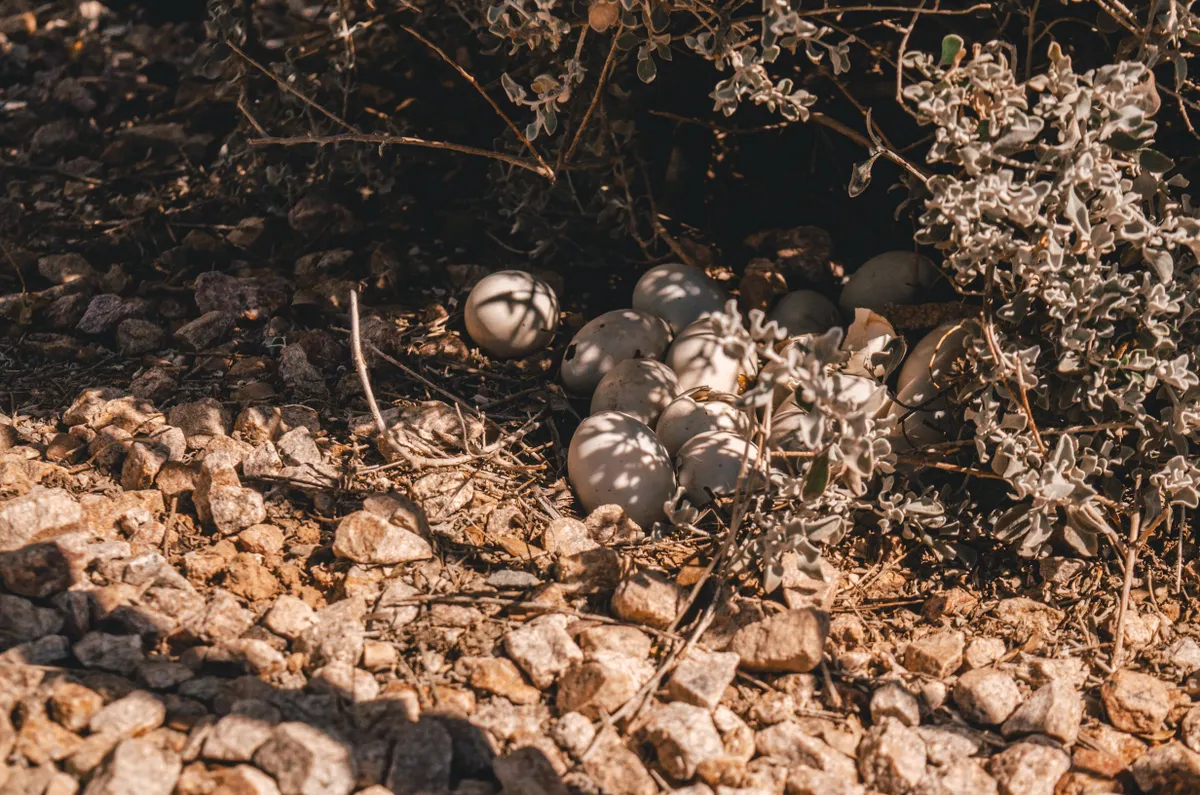
Photo Credit: Jonathan Meyer
4. Platform nests These larger, flatter structures get built from sticks and branches, often reused and expanded year after year by the same pair. Hawks, eagles, and herons commonly build platform nests high in trees or on cliff ledges, creating sturdy bases that can eventually grow quite massive.
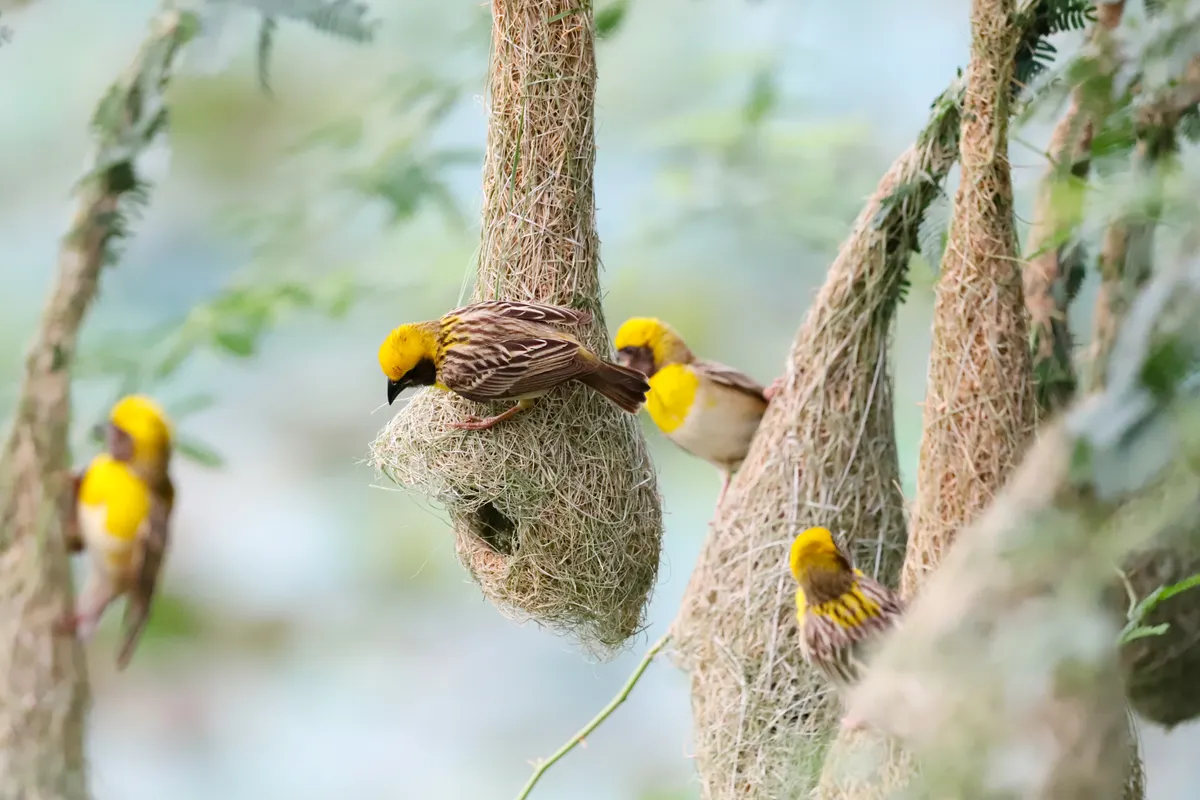
5. Pendant nests A smaller number of species weave hanging, sock shaped nests that dangle from a thin branch tip, swinging gently in the wind. Orioles are the classic example, engineering a remarkably strong woven pouch entirely from plant fibers and grass.
Understanding the difference between a cup nest vs cavity nest vs ground nest often narrows down likely species before you even see a single feather, since habitat and placement rule out entire groups of birds immediately.
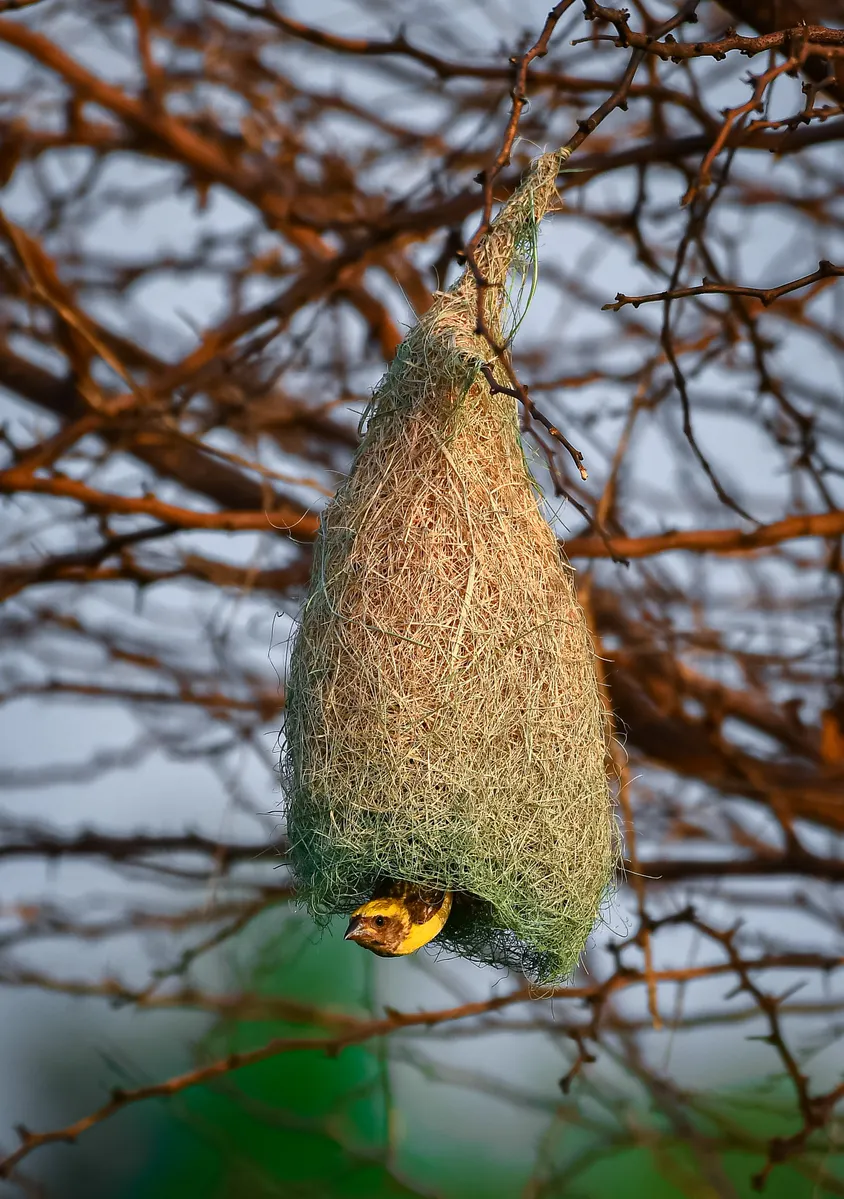
Photo Credit: Mohamed Nasar
How Habitat Connects to Nest Type
Nest placement rarely happens by accident. Ground nesters typically favor open fields or shorelines where camouflage works best, while cavity nesters need mature trees or dead snags offering existing holes.
Species building platform nests usually require tall trees, cliffs, or elevated structures capable of supporting a heavy, expanding base. Recognizing this connection between habitat and nest style helps you predict where to search even before spotting the nest itself.
If you're hoping to attract cavity nesters to your own yard, check out our guide on Nest Boxes & Birdhouses for practical setup details.
Pro Tips and Common Mistakes to Avoid
- Don't assume every nest belongs to the bird you see nearby. Some species, like cowbirds, lay eggs in other birds' nests entirely.
- Learn basic nest shapes before searching for eggs or chicks. Shape alone often narrows down the likely builder quickly.
- Check nest height and surrounding material for extra clues. These details help separate similar species using comparable nest styles.
- Avoid touching or disturbing an active nest at any point. Physical contact can leave scent trails that attract predators or cause parent birds to abandon the site entirely.
- Keep a respectful distance during observation. Watching from at least several yards away with binoculars protects the nest while still giving you a clear view.
A longtime birding mentor once told me that a nest tells you as much about a bird's life as its song does, since every twig and feather placed inside represents a choice shaped by habitat and survival. I still think about that every time I spot a woven cup tucked into a hedge.
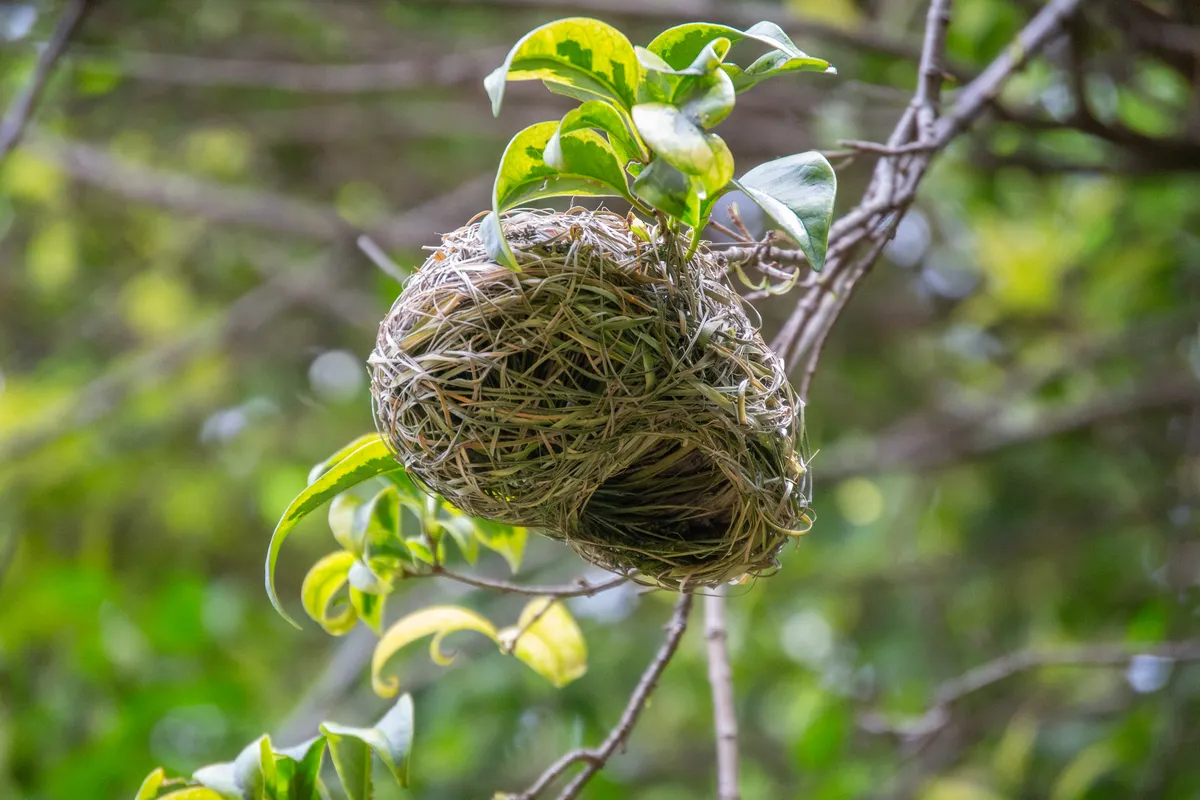
Photo Credit: Linken Van Zyl
Nest Type Quick Reference
|
Nest Type |
Typical Builder |
Common Location |
|
Cup |
Robins, warblers |
Shrubs, tree forks |
|
Cavity |
Woodpeckers, chickadees |
Tree holes, nest boxes |
|
Ground |
Killdeer, shorebirds |
Open fields, shorelines |
|
Platform |
Hawks, herons |
Tall trees, cliffs |
|
Pendant |
Orioles |
Hanging branch tips |
For more on watching nesting activity respectfully once you've found a nest, see our guide on Observing Breeding & Nesting Behavior.
Frequently Asked Questions
What are the main types of bird nests? The main types include cup nests, cavity nests, ground nests, platform nests, and pendant nests, each built by different groups of birds.
What is the difference between a cup nest and a cavity nest? A cup nest is an open, bowl shaped structure built in a shrub or tree fork, while a cavity nest sits hidden inside a hollow tree hole or nest box.
Which birds build nests on the ground? Killdeer and many shorebirds build ground nests, relying on camouflage rather than height or shelter for protection.
How can nest structure help identify a bird species? Nest shape, size, and placement often narrow down likely species before you ever see the bird, since different families favor distinct building styles.
How do habitat and nest placement relate to nest type? Ground nesters favor open areas for camouflage, cavity nesters need mature trees with holes, and platform nesters require tall trees or cliffs for support.
How should birders observe nests without causing disturbance? Watch from a respectful distance using binoculars, avoid touching the nest, and limit time spent near an active site to protect eggs or chicks.
Final Thoughts
Learning basic nest types adds a genuinely useful skill to your birdwatching toolkit, giving you another way to identify species even when the bird itself stays out of sight. Next time you spot a nest, take a moment to note its shape and placement before moving on. That small habit builds real knowledge over time, one nest at a time.
Go back to the complete birdwatching guide for more reference material that builds on everything covered here.





Leave a Reply