My niece asked me last week what she should make her mom for a birthday gift, so I handed her a stack of cardstock, a bone folder, and about ten minutes of instruction. Two hours later she had a pop-up card that made her mom tear up a little, and that is really the whole appeal of good paper craft project ideas. A few simple materials, a little patience, and you have something real to hold by the end of the afternoon.
I have been at this hobby long enough to ruin more than one sheet of good cardstock with a dull blade, and I still learn something new every time I sit down at my desk. Paper craft covers a huge range, from a five-minute gift tag to a layered paper sculpture that takes a weekend. The trick is picking a project that matches where you actually are right now, not where you wish you were.
If you want the bigger picture first,Back to the complete paper crafts guide covers all the sub-crafts this hobby includes. This article is about the projects themselves, sorted so you can find one that fits your skill level tonight.
What You'll Need Before You Start
You do not need a full workshop to start making things out of paper. Most of these projects use the same core toolkit, and once you own it, you can reuse it for years.
Tool or Material
What It's For
Cardstock (65-110 lb)
Sturdy base for cards, boxes, and sculpture
Craft knife
Precise cuts, especially on curves and small details
Self-healing cutting mat
Protects your table and keeps blade cuts clean
Scoring board or bone folder
Creates sharp, even folds every time
Paper trimmer
Fast, straight cuts for cards and mats
PVA glue or adhesive tape runner
Bonds paper without warping it
Paper punches
Quick, repeatable shapes for decoration
A dull blade is the number one thing that ruins a beginner project. It drags, tears the fibers, and leaves a rough edge instead of a clean line. If your knife feels like it is fighting the paper, swap the blade before you keep going.
Finding the Right Paper Craft Project Ideas for Your Skill Level
Not every project belongs at every stage. I have watched plenty of new crafters try a complicated 3D build on day one, get frustrated, and put the hobby down entirely. Starting simple is not a compromise, it is how you build the hand skills that make the harder stuff possible later.
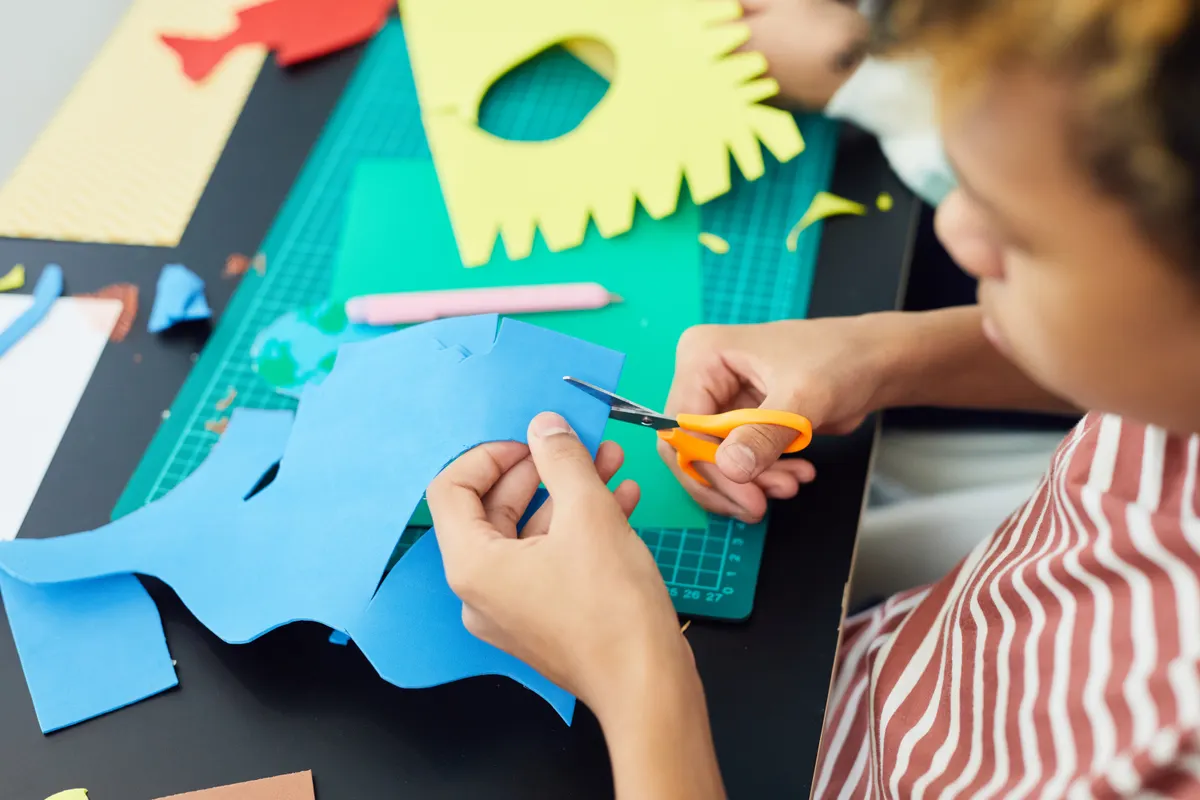
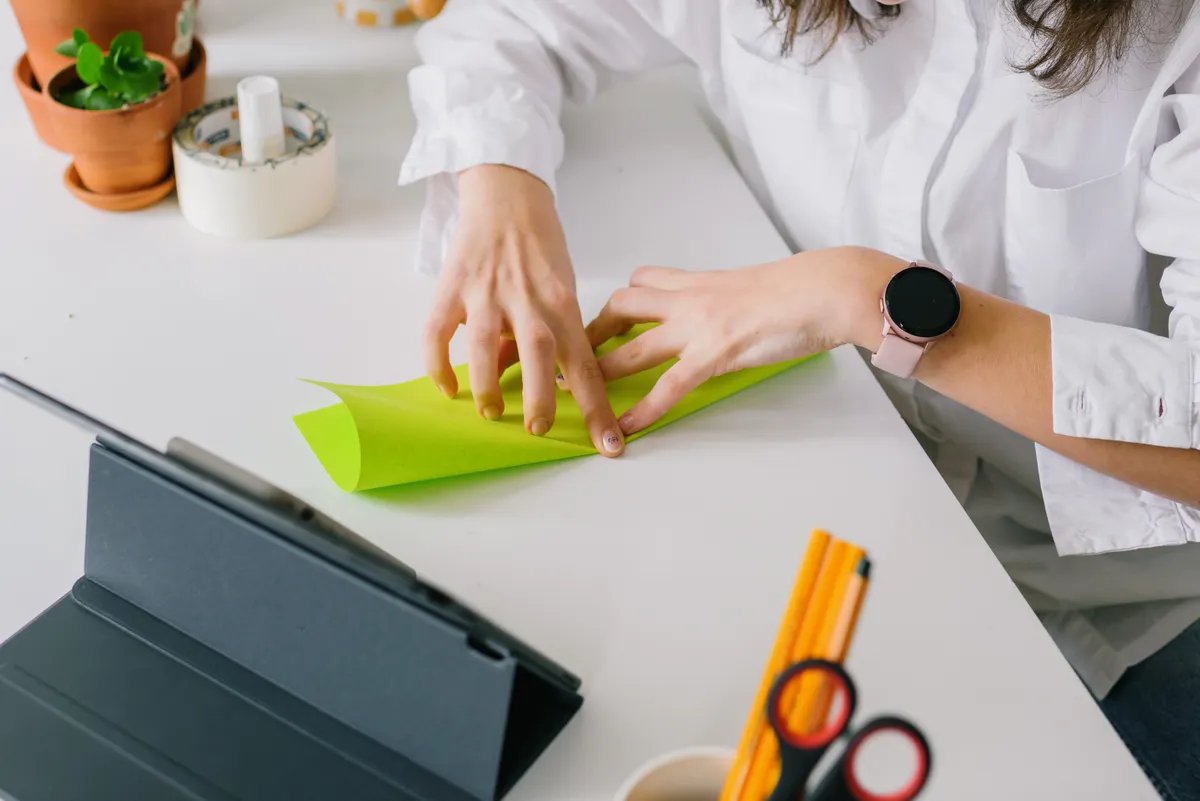
Photo Credit: Hobby Guidebook Editorial
Beginner Paper Craft Projects
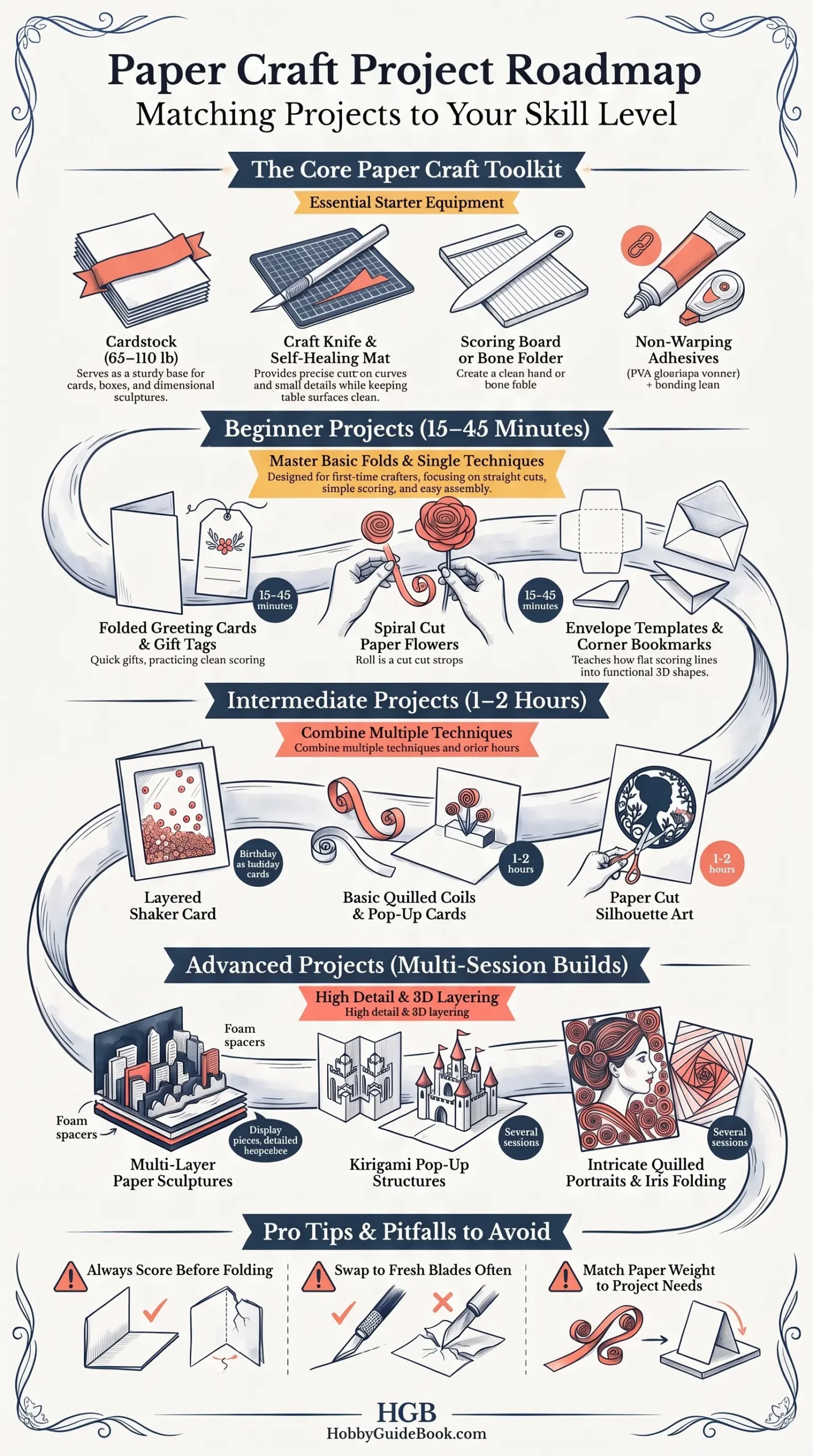
These are the projects I hand to anyone who has never picked up a bone folder. They use basic folds, straight cuts, and simple gluing, and most take under an hour.
Folded greeting cards: One score, one fold, maybe a punched shape on the front.
Gift tags: Small, fast, and a great way to practice clean scoring.
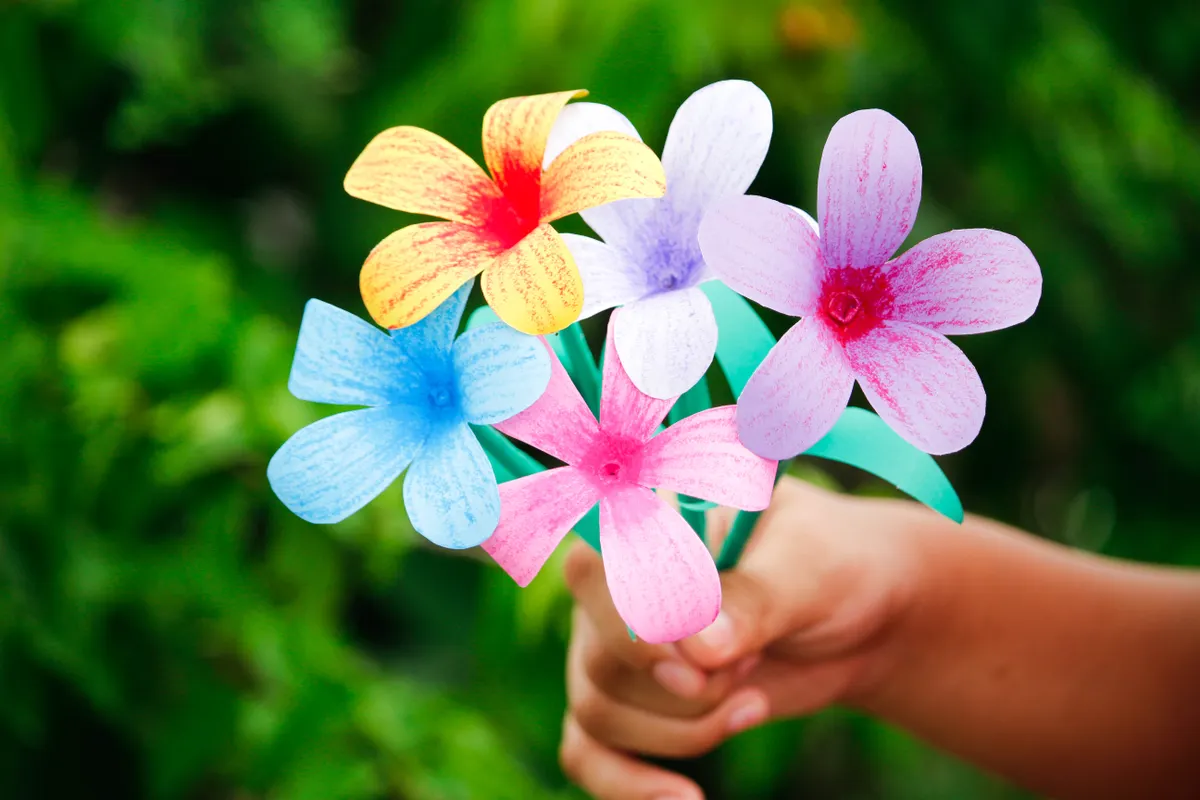
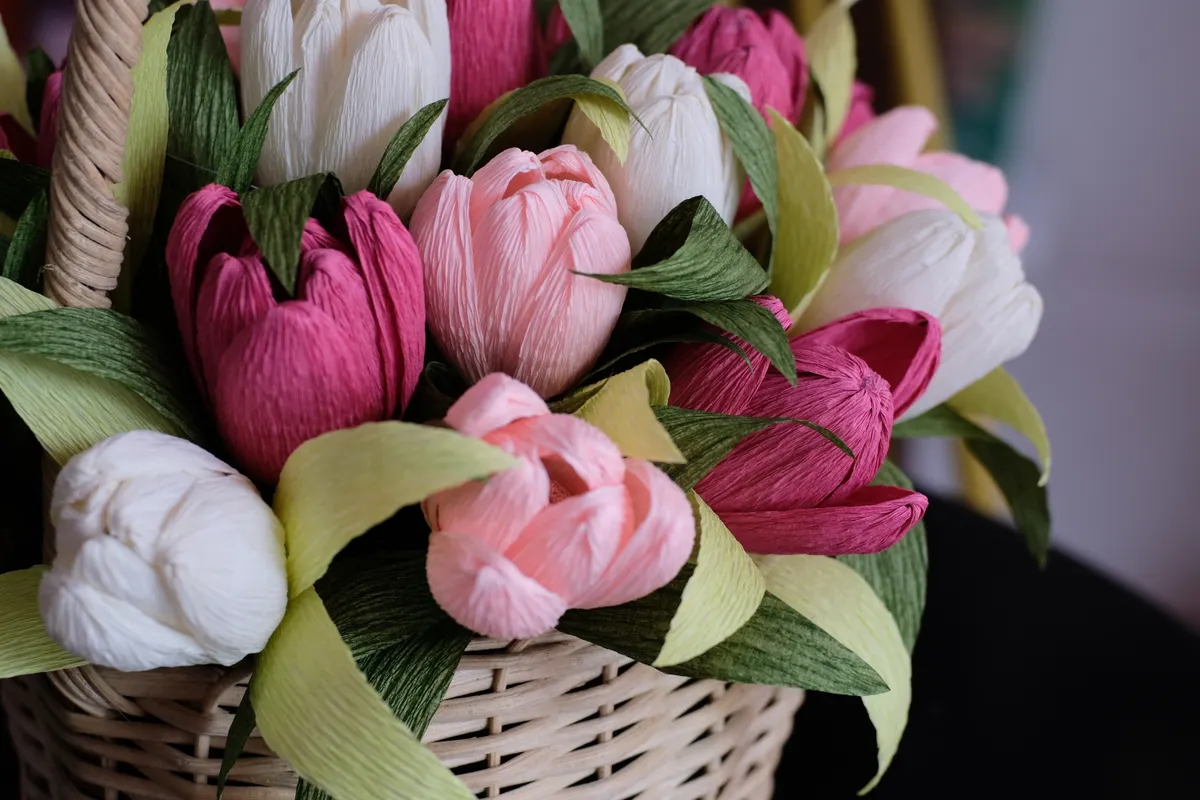
Paper flowers from cut spirals: Rolling a cut spiral into a rose shape teaches control without needing a quilling tool.
Simple envelope templates: Great for learning how scoring lines translate into a finished 3D shape.
Bookmark tassels or corner bookmarks: Fast wins that use small scraps you already have.
For a longer list with step-by-step instructions, our page onBeginner Paper Craft Projects walks through several of these in more detail. These easy paper craft projects are also the best way to test which sub-craft you actually enjoy before you invest in more specialized tools.
Intermediate Paper Craft Projects
Once folding and cutting feel natural, you are ready for projects that combine two or three techniques in one piece. This is usually where scrapbooking layouts, layered cards, and basic quilling enter the picture.
Layered shaker cards: Combines cutting, scoring, and a sealed pocket that holds loose sequins or beads.
Basic quilled coils and shapes: Rolling paper strips around a quilling tool to build flowers or borders.
Scrapbook layout pages: Mixing patterned paper, photos, and cut accents in a balanced design.
Pop-up card mechanisms: A simple box fold or v-fold that makes an image rise when the card opens.
Paper cut silhouette art: Cutting a single design out of one sheet, which takes more blade control than beginner cuts.
Card making tends to be where crafters build confidence fastest, since one card can hold several skills at once. If you want a deeper dive into that side of the hobby, check out ourHandmade Card Project Ideas page for layouts and folds worth trying next.
A craft teacher once told me that a clean score line is worth more than a fancy design, because a sloppy fold ruins even the best idea. I have never forgotten it, and I still run my scoring tool over every fold twice before I glue anything down.
Advanced Paper Craft Projects
Advanced work usually means layering, 3D sculpture, or very fine detail work like tight quilling coils and intricate paper cutting. These projects reward patience more than raw skill.
Multi-layer paper sculpture: Stacking cut layers with foam spacers to create depth and shadow.
Complex quilled portraits or scenes: Dozens of small coils arranged into a detailed picture.
Kirigami pop-up structures: Architectural paper cutting that folds flat and pops into a 3D shape.
Full scrapbook albums with mixed media: Combining paper craft with ribbon, stamps, and photo corners across many pages.
Iris folding and paper weaving: Techniques that use strips of paper woven or layered in a spiral pattern for striking geometric designs.
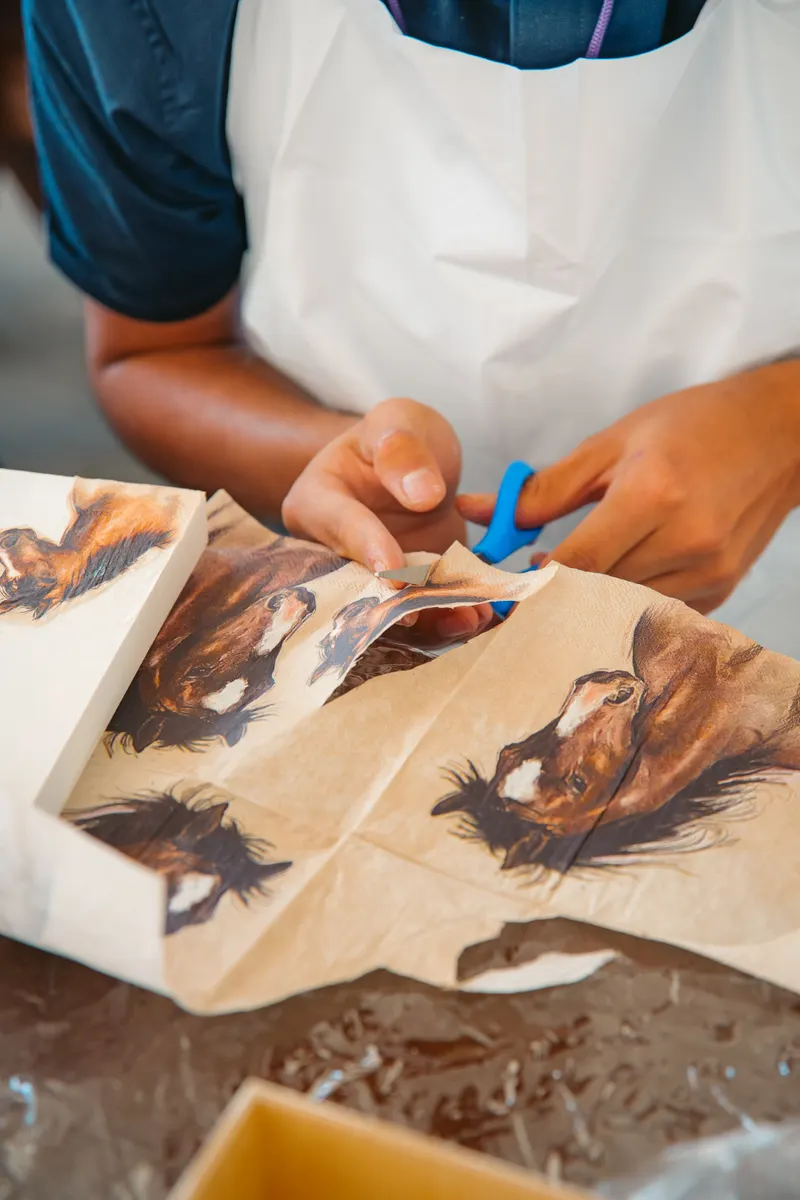
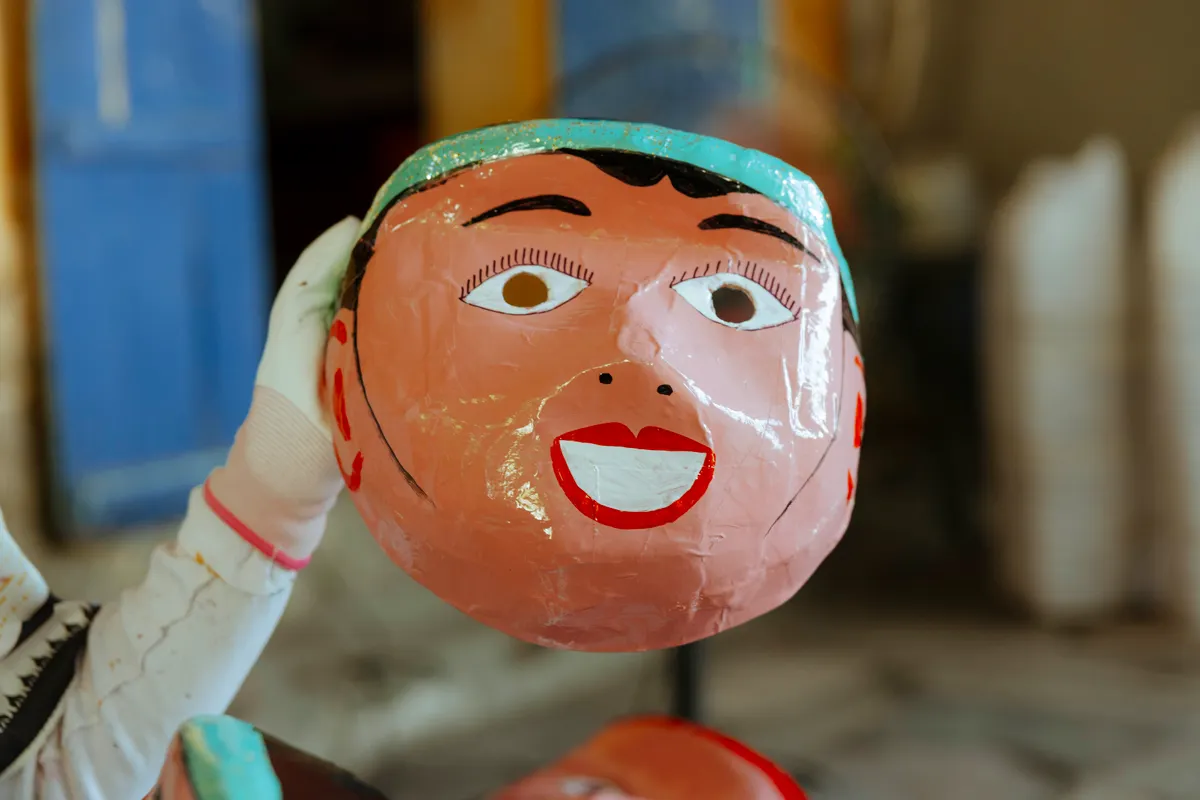
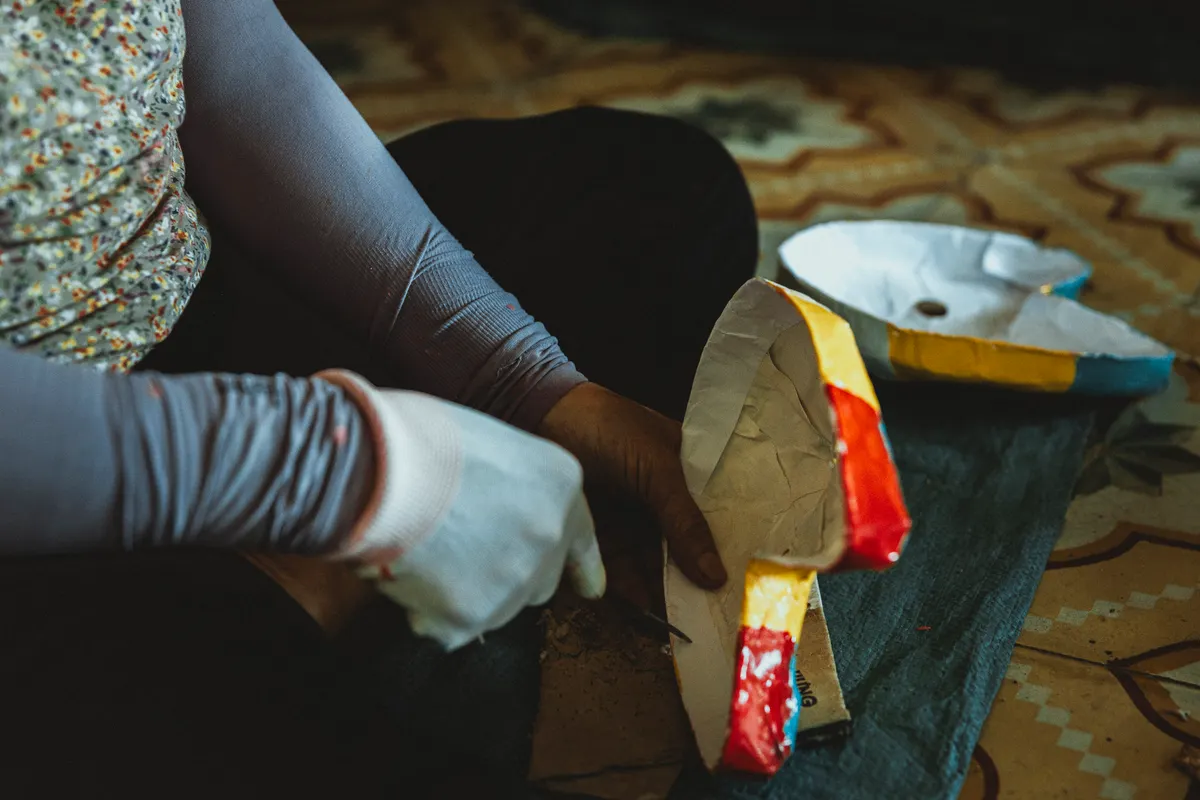
Photo Credit: Allan González
These projects can take several sessions to finish, and that is normal. I still break bigger builds into stages over a few evenings instead of trying to force one long sitting.
Pro Tips and Common Mistakes to Avoid
A few habits separate frustrating sessions from smooth ones, no matter which project you pick.
Always score before you fold. Folding cardstock without a score line cracks the fibers on the outside of the bend.
Cut with a fresh blade. A dull craft knife tears paper instead of slicing it, and it is also more likely to slip, so change blades often and always cut on a mat with the blade angled away from your fingers.
Test your adhesive on scrap first. Some glues cause thin paper to warp or wrinkle.
Do not rush glue-drying time. Pressing a wet layer too soon smears ink or shifts your design.
Match your paper weight to the project. Thin paper works for quilling strips, but it collapses under the weight of a 3D sculpture.
I still remind myself of that last one regularly. It is tempting to grab whatever paper is closest, but the wrong weight can undo an hour of careful cutting in seconds.
Quick Comparison: Time, Skill, and Best Use
Here is a simple way to match a project idea to your afternoon.
Project Type
Skill Level
Typical Time
Best Use
Folded card or gift tag
Beginner
15-45 minutes
Quick gifts, practice
Layered shaker card
Intermediate
1-2 hours
Birthday or holiday cards
Basic quilled flower
Intermediate
30-60 minutes
Card accents, small decor
Paper cut silhouette
Intermediate
1-2 hours
Wall art, framed gifts
Multi-layer sculpture
Advanced
Several sessions
Display pieces, keepsakes
Quilled portrait
Advanced
Several sessions
Detailed gifts, art pieces
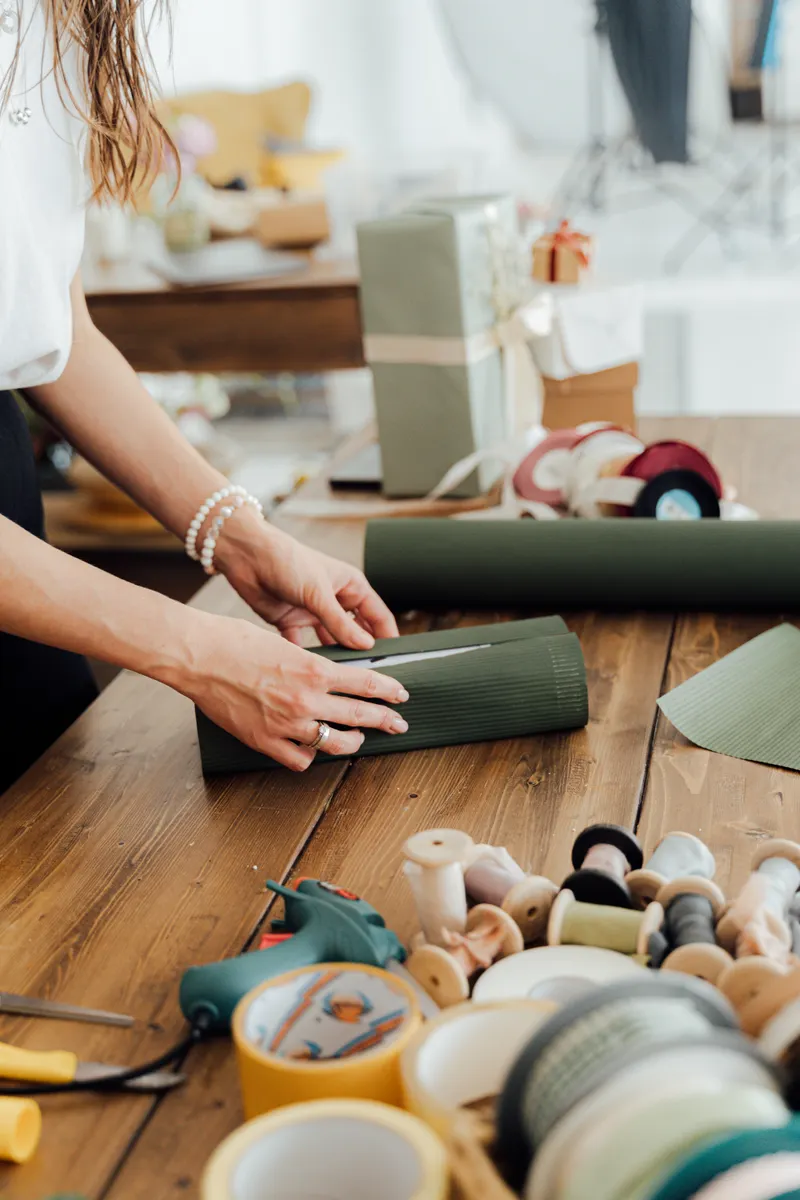
Photo Credit: Antoni Shkraba
Frequently Asked Questions
What are some easy paper crafts for beginners? Folded greeting cards, gift tags, rolled paper flowers, and simple punched bookmarks are all great starting points. They use basic folding and cutting skills and rarely need more than an hour.
What paper crafts can I make in under an hour? Most single-fold cards, gift tags, and basic paper flowers fit comfortably into a short session. Layered or quilled projects usually take longer once you add gluing and drying time.
What are good paper craft projects for intermediate crafters? Shaker cards, scrapbook layout pages, basic quilling shapes, and pop-up card mechanisms are solid next steps. They combine two or three skills you already know from beginner projects.
What are some advanced paper craft projects to try? Multi-layer paper sculpture, detailed quilled portraits, kirigami pop-up structures, and full mixed-media scrapbook albums push both patience and technique further.
What paper crafts make good gifts or decorations? Handmade cards, framed paper cut silhouettes, quilled flower arrangements, and small paper sculptures all make personal, low-cost gifts that feel far more thoughtful than store-bought items.
How do I choose a paper craft project for my skill level? Start with how many techniques a project uses at once. If it needs only one fold or one cut, it is beginner friendly. If it stacks folding, cutting, and gluing together, save it for after you have practiced each skill on its own.
A Last Word Before You Start Cutting
Every advanced paper sculpture I have made started with a simple folded card years ago. Pick a project that matches your patience level today, keep your blade sharp, and let your skills grow one clean score line at a time.
For more on the techniques behind these projects,Read the full paper crafts guide for everything from scoring basics to advanced layering methods.


Leave a Reply