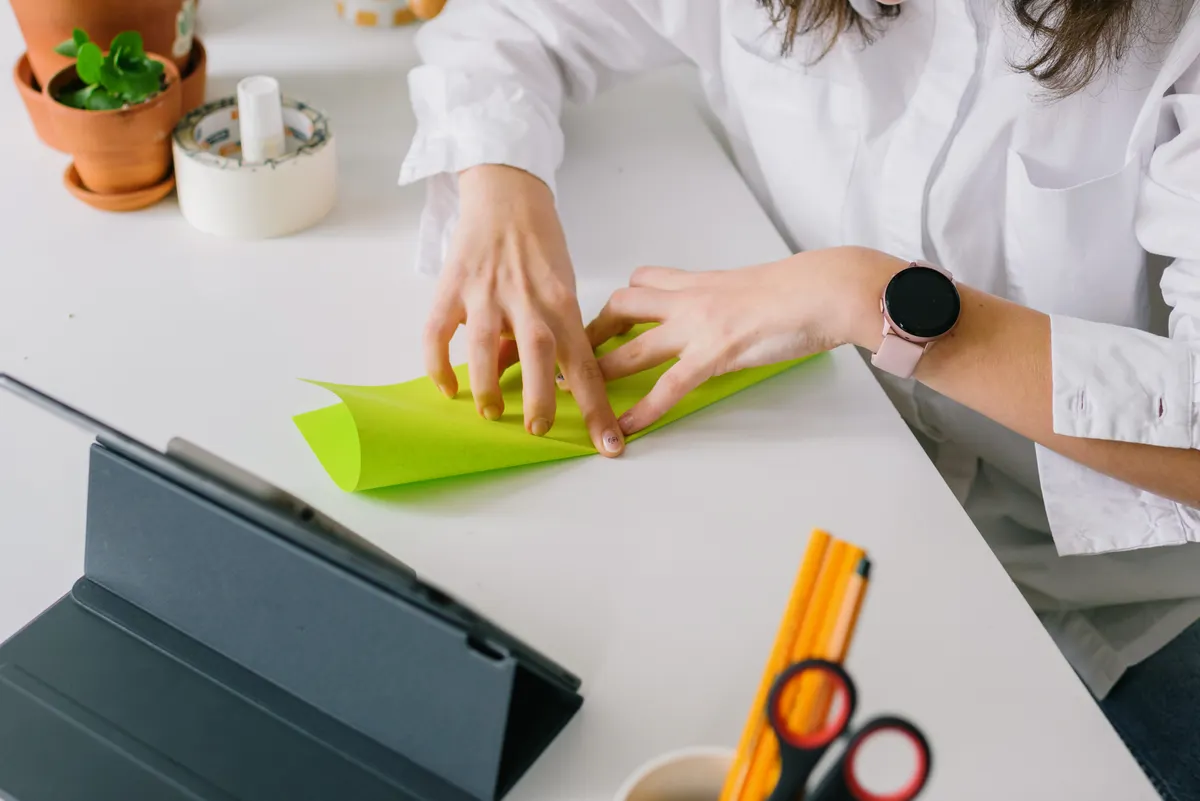
I still remember the first time someone handed me a square of paper and said "just fold it into a bird." I had no idea what I was doing, and the crane I made looked more like a crumpled napkin. That confusion is exactly where most people start when they ask what is origami, so let's clear it up properly.
This guide is Part of Origami Basics, and it walks through the real definition of origami, where the word comes from, and what actually counts as "true" origami versus paper crafts that just look similar.
What Is Origami? A Simple Definition
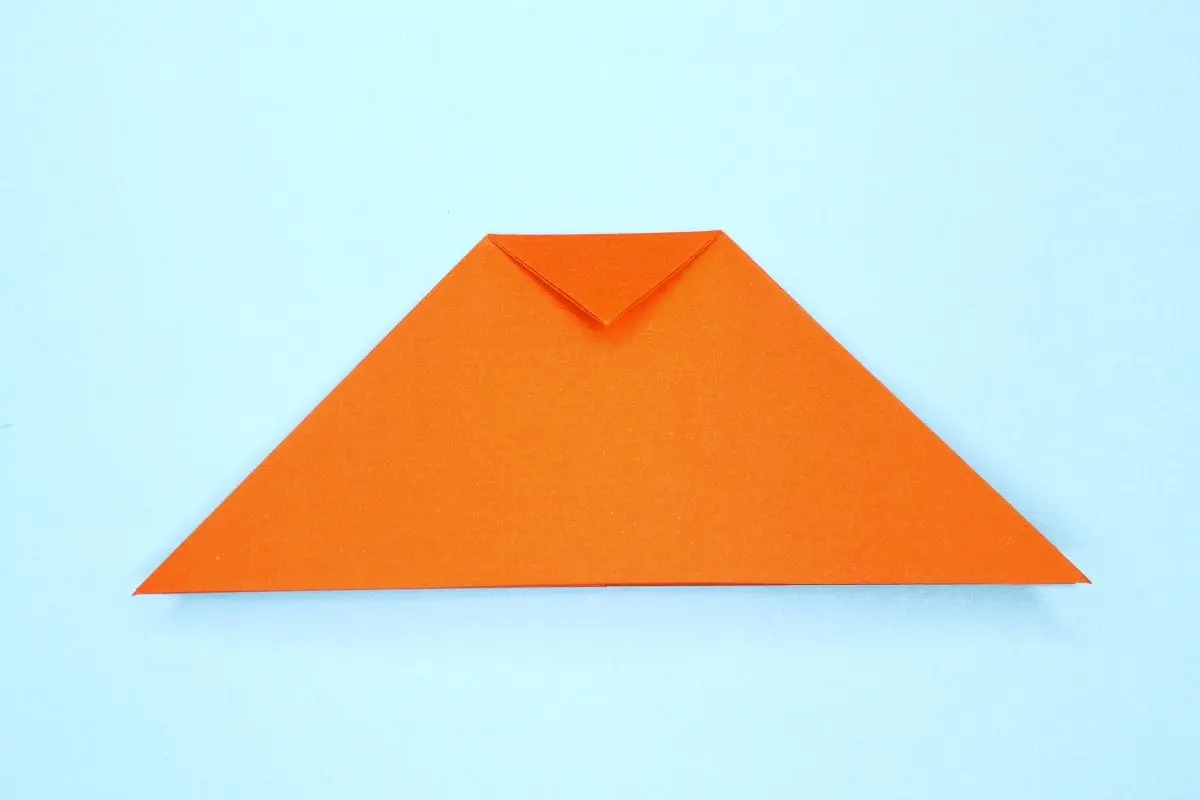
Origami is the art of folding paper into shapes and figures using only your hands. No scissors. No glue. Just careful, deliberate folds that turn a flat square into something three-dimensional.
That's the short version. In practice, origami covers a huge range of skill levels. You can fold a simple paper hat in under a minute, or you can spend an entire evening locking together dozens of units into a modular star. I've done both, and the gap between them is bigger than most beginners expect.
The definition of origami hinges on one strict rule most people don't know about: the folding itself has to do all the work. If you're cutting slits into the paper or gluing edges together to hold a shape, you've drifted into a different craft, even if the final result looks folded.
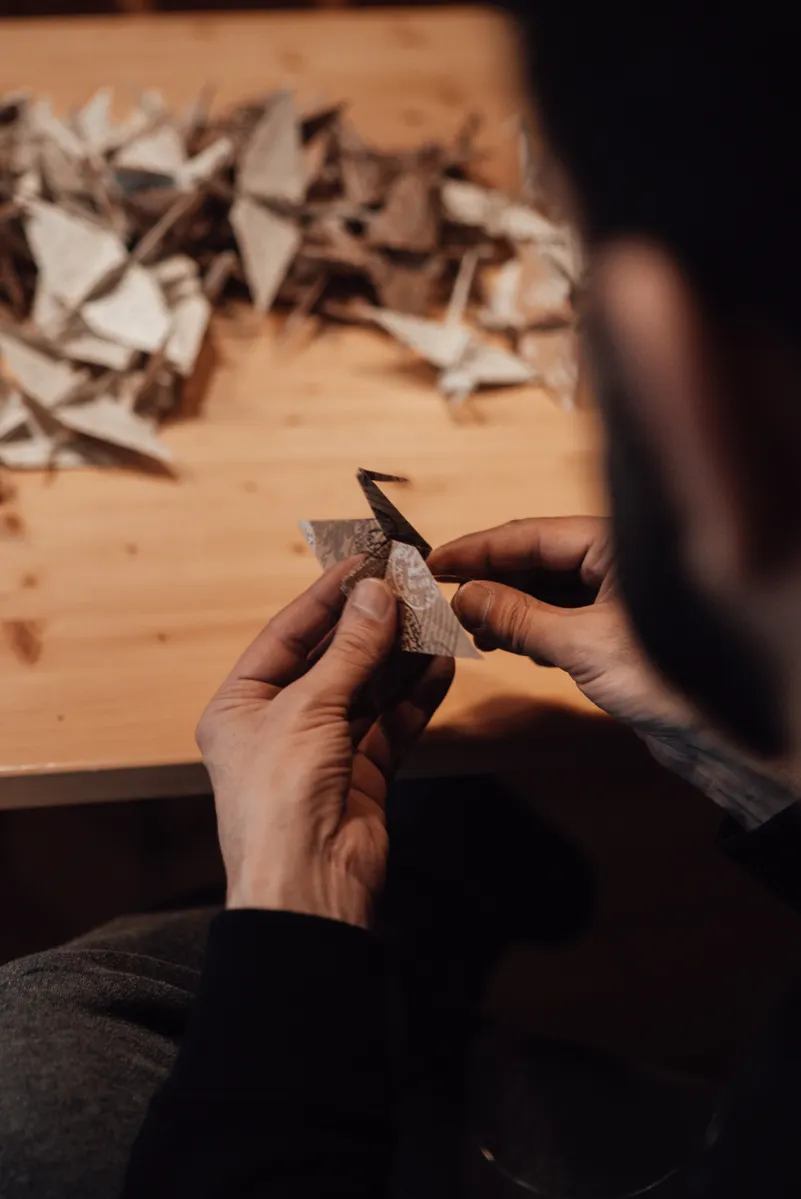
Photo Credit: furkanfdemir
What Does the Word "Origami" Mean?
The origami meaning comes straight from Japanese. "Oru" means "to fold," and "kami" means "paper." Put them together and you get "folded paper," which is about as literal a name as a craft can have.
It's worth noting that the word "kami" changes to "gami" when it's combined with "oru," which is a common sound shift in Japanese compound words. You'll sometimes see origami spelled with a macron over the "a" in academic texts, but for everyday use, the simple spelling works fine.
Interestingly, paper folding existed in Japan long before the word "origami" became the standard term for it. Older texts sometimes used other names for folded paper crafts, and "origami" only became the widely accepted term more recently in the craft's long history.
Is Origami an Art or a Craft?
This question comes up a lot, and honestly, the answer is both. Origami sits in an unusual space where technical skill and creative expression overlap constantly.
On one hand, folding requires precision. A crease that's even a few millimeters off can throw an entire model out of alignment by the time you reach step twenty. That precision is closer to engineering than art.
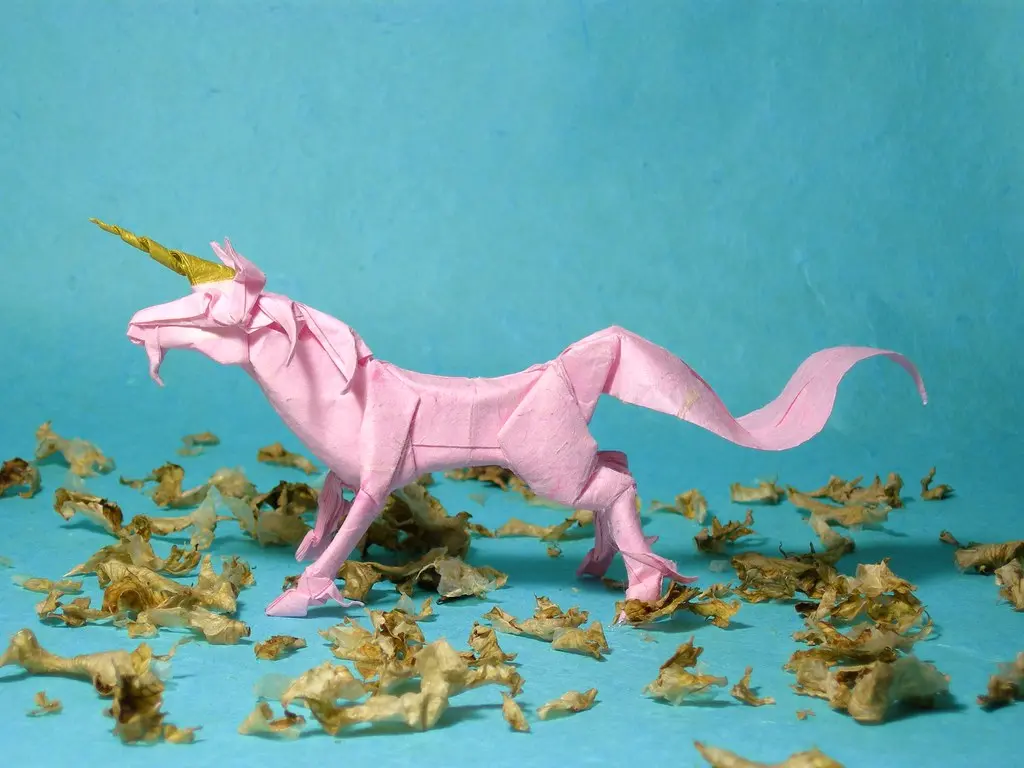
On the other hand, origami designers create entirely new models from scratch, working out how a single flat square can become an insect, a dragon, or an abstract geometric form. That creative process is unmistakably artistic. Museums have displayed origami as fine art, while classrooms use it as a hands-on craft for teaching geometry and following instructions. It genuinely earns both labels.
What You Need to Get Started
You don't need much to begin folding, which is part of what makes origami so approachable. A handful of basic supplies covers nearly everything.
|
Item |
Why It Matters |
|
Origami paper (kami) |
Thin and crisp, so creases stay sharp |
|
Flat, clean surface |
Keeps folds even and accurate |
|
Bone folder (optional) |
Presses creases flatter and cleaner |
|
Diagram book or app |
Shows the exact fold sequence step by step |
I always recommend real origami paper over regular printer paper if you can get it. Printer paper is thicker and tends to bulk up fast once you're several folds deep, which makes precise shapes harder to pull off.
Where Did Origami Originate?
Origami's roots trace back to Japan, where paper folding developed as both a practical skill and a ceremonial one. Paper itself was expensive for a long time, so early folded paper was often tied to formal occasions rather than casual play.
Over the centuries, paper folding spread and blended with folding traditions from other cultures too, including practices in China and parts of Europe. What we recognize as modern origami today is really the result of centuries of different folding traditions influencing each other.
If you want the full timeline, from ceremonial folding to the modern art form taught in schools worldwide, the Origami History guide covers it in much more depth than we have room for here.
What Rules Define Traditional Origami?
Not every folded paper craft counts as traditional origami. There are a few core rules that most origami purists agree on, even though modern folders sometimes bend them for creative projects.
- Start with a single sheet. Traditional origami uses one uncut square of paper, not multiple pieces joined together.
- No cutting allowed. Every shape comes purely from folds, never from scissors or blades.
- No glue or tape. The paper has to hold its shape through folding alone, not adhesives.
- Usually starts square. Most traditional models begin with a square sheet, though some designs use rectangles or other shapes.
- Folds only, nothing added. You can't attach beads, paint, or extra materials to a traditional origami piece.
Modular origami bends that first rule slightly, since it uses multiple sheets, but each individual unit still follows the no-cut, no-glue standard. The pieces interlock through folding and tension alone, which is honestly one of the most satisfying parts of the craft once you get the hang of it.
As many folders like to say, the paper never lies. It only shows you exactly where a fold went wrong.
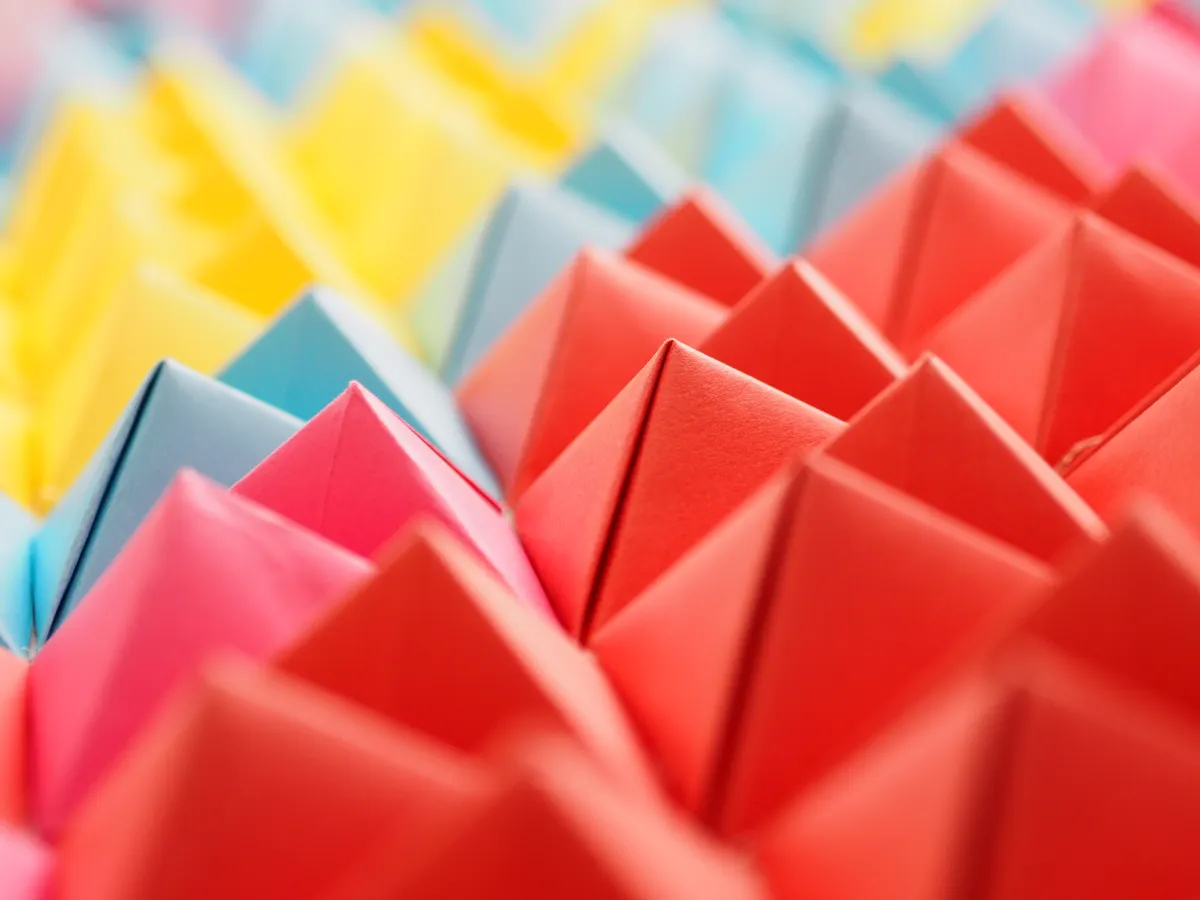
Photo Credit: Daigoro Folz
What Is the Purpose of Origami?
Origami serves a few different purposes depending on who's folding and why. For some people, it's purely relaxing, a way to slow down and focus on something small and manageable after a long day.
For others, origami is educational. Teachers use simple models to introduce geometry, symmetry, and sequencing to kids without it feeling like a math lesson. Following a numbered diagram step by step builds patience and attention to detail in a way that feels like play rather than schoolwork.
Origami also has cultural and symbolic meaning in some traditions, most famously the paper crane, which is associated with peace, hope, and good wishes in Japanese culture. Beyond that, some origami techniques have practical uses in fields like engineering and space design, where folding principles help solve problems like packing large structures into small spaces.
Types of Origami You'll Come Across
Origami isn't just one style of folding. It actually branches into several distinct categories, each with its own techniques and skill ceiling.
Traditional single-sheet origami is where most people start, covering classic models like cranes, boxes, and simple flowers. Modular origami takes multiple folded units and locks them together into one larger structure, no glue involved. Wet-folding is a more advanced technique where slightly dampened paper allows for softer, more sculptural curves. Tessellations use repeating geometric fold patterns across a single sheet to create intricate, almost mathematical designs.
For a full breakdown of each style, along with examples of what beginners versus advanced folders typically attempt, the Types of Origami guide is worth a look once you're ready to explore beyond basic folds.
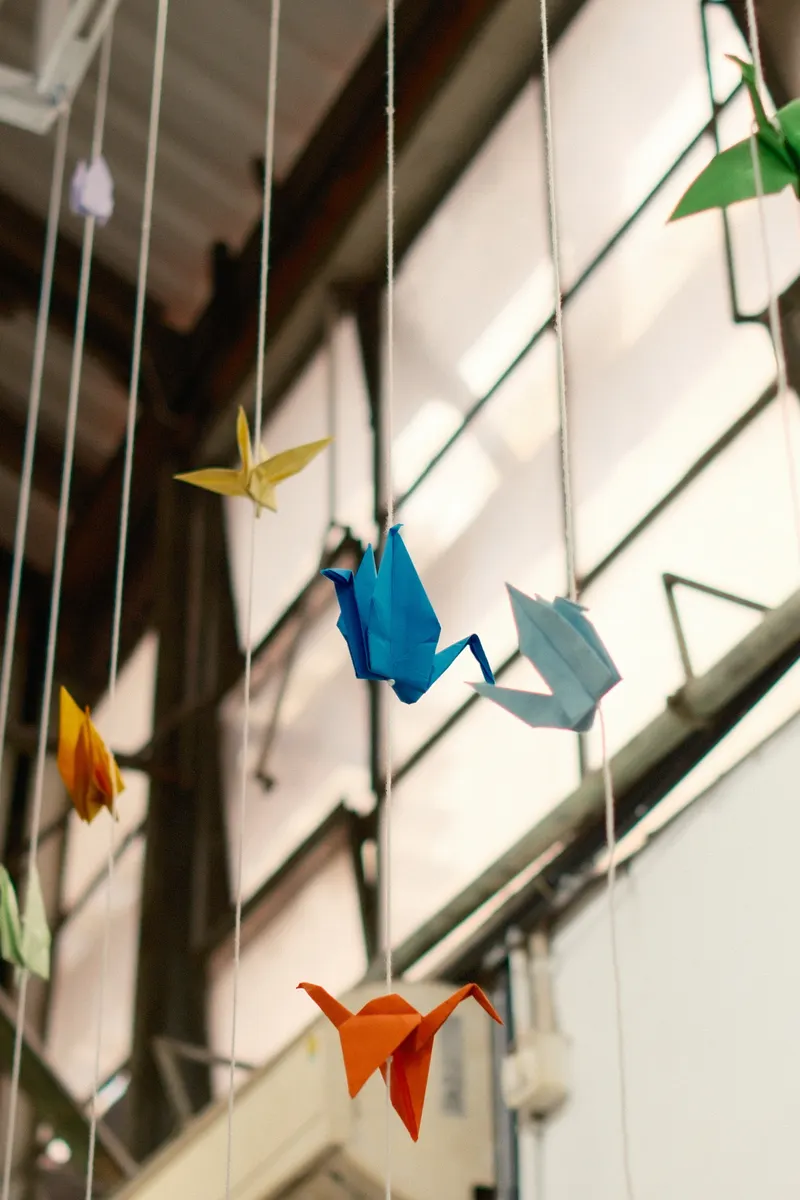
Photo Credit: Dwi Setyo
Origami vs Other Paper Crafts
It helps to see origami laid out next to similar crafts, since people often lump them together even though the rules are pretty different.
|
Craft |
Cutting Allowed |
Glue Allowed |
Starting Material |
|
Origami |
No |
No |
Single uncut sheet |
|
Kirigami |
Yes |
Sometimes |
Paper, often cut into shapes |
|
Papercraft/scrapbooking |
Yes |
Yes |
Multiple paper pieces |
|
Quilling |
Yes |
Yes |
Cut paper strips, rolled |
Origami stands out as the strictest of the group, which is part of what makes a finished model impressive. Every shape you see came from folds alone, nothing else.
A Few Common Beginner Mistakes
Before wrapping up, it's worth mentioning a few mix-ups I see constantly from people just starting out.
- Assuming any folded paper counts as origami. If scissors or glue were involved, it's a different craft, even if it looks similar.
- Using paper that's too thick. Regular printer paper struggles to hold multiple tight creases without bulking up.
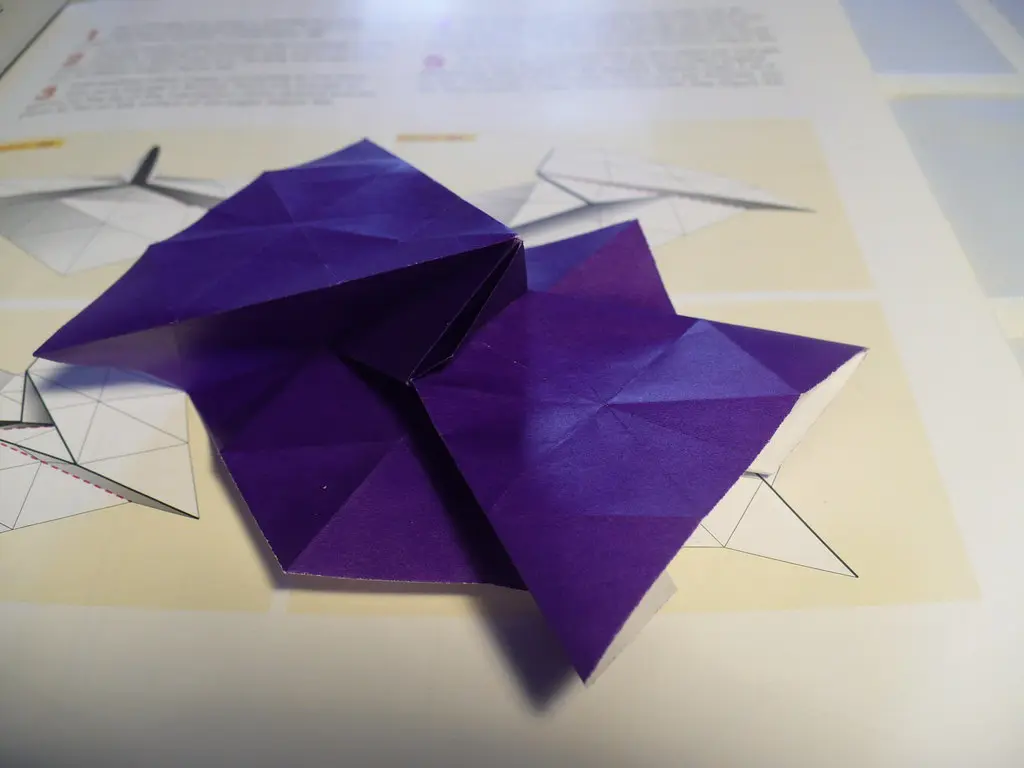
- Skipping pre-creases. Many diagrams ask you to fold and unfold a line first before shaping it. Skipping that step causes problems several steps later.
- Rushing the folds. A crooked crease near the start throws off everything that follows, and it's often not obvious until much later in the model.
None of these mistakes are dangerous, just frustrating. Origami is a low-risk hobby overall, though it's worth keeping paper cuts in mind if you're working with especially crisp or thin sheets, since edges can occasionally be sharper than they look.
Frequently Asked Questions
What is origami? Origami is the craft of folding paper into shapes and figures by hand, without cutting or gluing. It ranges from simple single-sheet models to complex modular and tessellation designs.
What does the word origami mean? It comes from Japanese, combining "oru" (to fold) and "kami" (paper), which together mean "folded paper."
Where did origami originate? Origami traces back to Japan, where paper folding developed for both ceremonial and practical purposes before spreading and blending with other paper folding traditions over time.
Is origami an art or a craft? It's genuinely both. It requires technical precision like a craft, but also creative design work, especially when folders invent new models from scratch.
What is the purpose of origami? It serves multiple purposes, including relaxation, education, cultural symbolism, and even practical applications in fields like engineering, where folding principles solve real-world space problems.
What rules define traditional origami? Traditional origami uses a single uncut sheet, no glue, and no added materials, relying purely on folds to create the final shape.
Final Thoughts
Origami is simpler than it looks once you understand the core rule behind it: fold only, nothing added, nothing cut away. That one restriction is exactly what makes a finished model so satisfying to hold.
If you're ready to see everything this craft covers, from traditional folds to advanced modular work, read the full origami guide and find where you want to start.



Leave a Reply