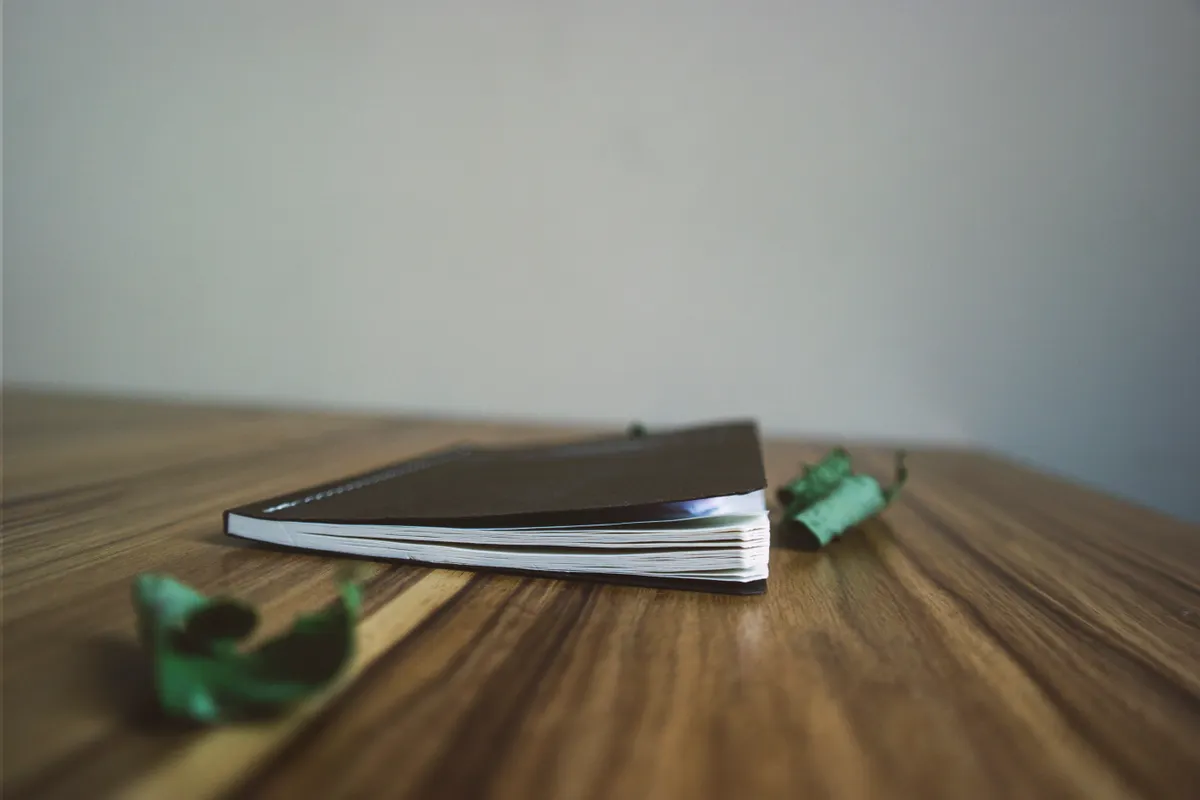
I bound my first book on a kitchen table with borrowed thread and a needle that was too thick, and it fell apart within a week. The thread was the problem, not the stitching, and that one failure taught me more about bookbinding thread than any tutorial ever did.
This guide is part of our Bookbinding Materials & Tools Guide series, and it walks through the thread types, waxing question, and weight choices that actually matter for a spine that holds.
Why Bookbinding Thread Matters
The thread running through your spine is doing more structural work than most beginners realize. It's not just holding pages together, it's absorbing tension every single time the book gets opened and closed.
In my experience, a weak or wrong thread choice shows up months later, not on day one. The book looks fine until a signature starts pulling loose, and by then the damage traces straight back to the thread.
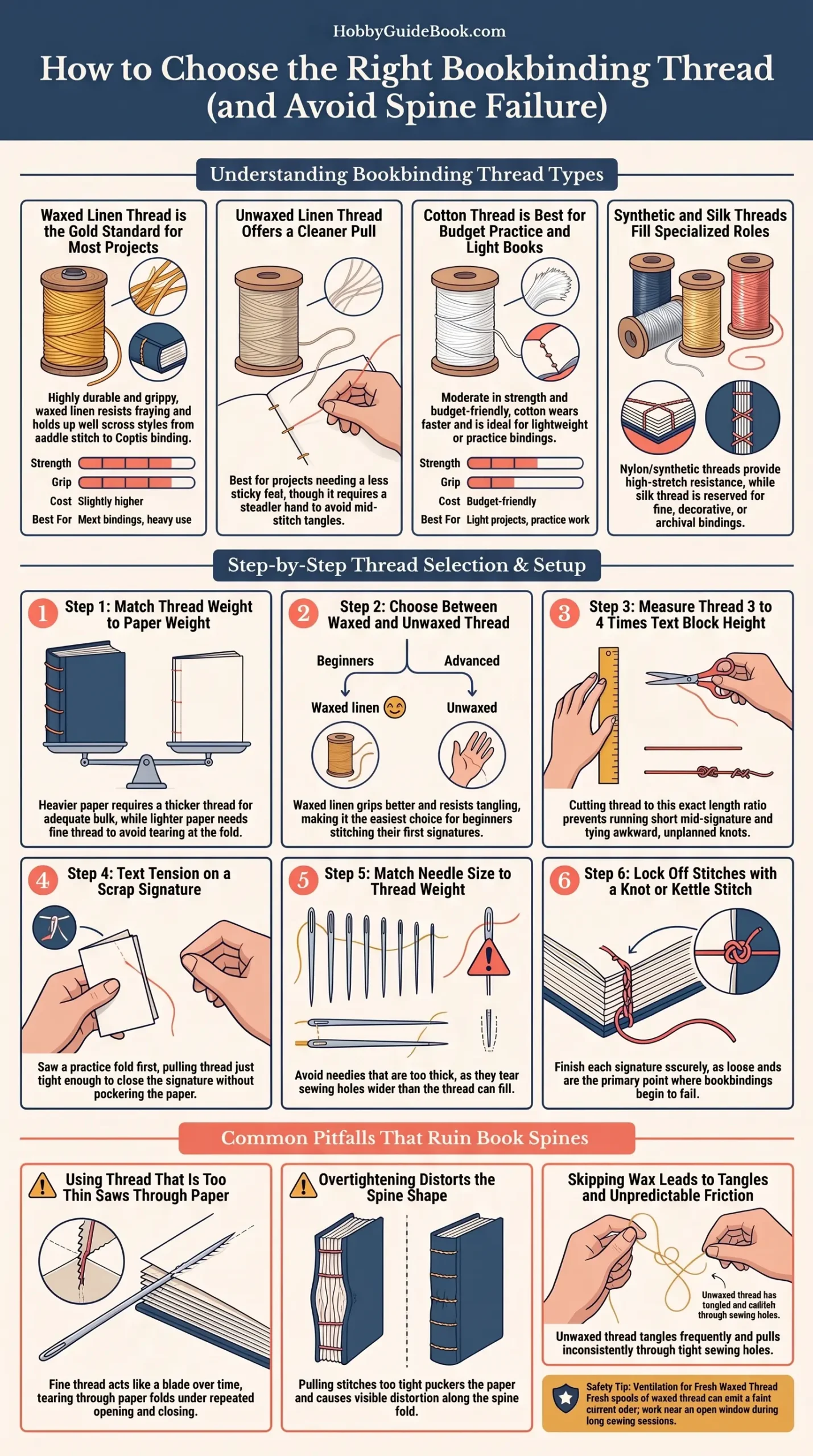
Photo Credit: Hobby Guidebook Editorial
Common Types of Bookbinding Thread
|
Thread Type |
Best For |
|
Waxed linen thread |
Most bookbinding projects, strong and grippy |
|
Unwaxed linen thread |
Projects needing a cleaner, less sticky pull |
|
Cotton thread |
Lightweight books, budget-friendly practice |
|
Nylon or synthetic thread |
High-stretch resistance, modern binding styles |
|
Silk thread |
Fine bindings, decorative or archival work |
How to Choose Bookbinding Thread: Step by Step
1. Match Thread Weight to Paper Weight
Heavier paper needs a thicker thread to hold up under the extra bulk, while lighter text pages do better with a finer thread that won't tear the holes.
2. Decide Between Waxed and Unwaxed
Waxed linen thread grips better and resists tangling, which makes it the easier choice for most beginners working through their first few signatures.
3. Check Thread Length Before You Start
Cut a length about three to four times the height of your text block, since running short mid-signature means an awkward knot you didn't plan for.
4. Test Tension on a Scrap Signature
Sew a quick practice signature before committing to your full text block, and pull the thread just tight enough to close the fold without puckering the paper.

Photo Credit: cottonbro studio
5. Pick the Right Needle for the Thread
A needle that's too thick will tear your sewing holes wider than the thread can fill, so match the needle size to the thread weight you're using. Our Bookbinding Needles guide covers how to pair the two correctly.
6. Lock Off Your Stitches Properly
Finish each signature with a secure knot or kettle stitch, since a loose end is usually the first place a binding starts to fail.
Common Mistakes to Avoid
- Using thread that's too thin. Fine thread can saw through paper over time, especially at the fold.
- Skipping the wax. Unwaxed thread tangles more and slides less predictably through tight holes.
- Pulling too tight. Overtightened stitches pucker the paper and distort the spine shape.
- Ignoring needle size. A mismatched needle either tears holes too wide or won't pull the thread through cleanly.
Good bookbinding thread doesn't announce itself, it just quietly holds the spine together for years without anyone noticing it's there.
That's not a line from any single source, it's something most binders learn the first time a cheap thread lets them down halfway through a project.
A quick safety note: waxed thread can carry a faint solvent smell fresh out of the spool, so work near an open window or fan if the scent bothers you while you're sewing for long stretches.
What Thread Is Best for Bookbinding
Waxed linen thread is generally considered the best thread for bookbinding, since it combines strength, grip, and resistance to fraying in one material. It holds up well across sewing styles, from saddle stitch to Coptic binding, which makes it the safest default for most beginners.
If your project uses adhesive alongside sewn signatures, our Bookbinding Adhesives guide covers how glue and thread work together in casebound projects.
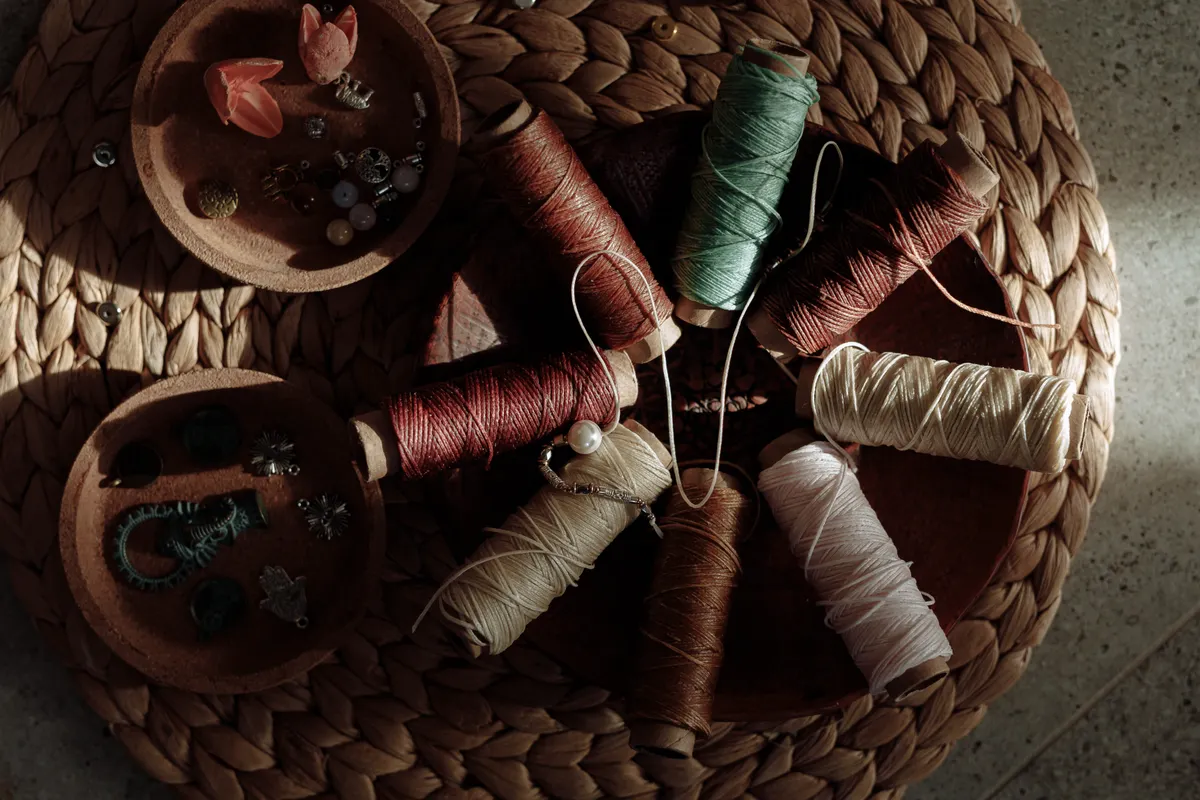
Photo Credit: Thirdman
Should Bookbinding Thread Be Waxed
Waxed thread is usually the better choice, since the wax coating reduces tangling and helps the thread glide smoothly through tight sewing holes. Unwaxed thread still works fine, but it takes a steadier hand and a bit more patience to avoid knots mid-stitch.
Waxed Linen Thread vs. Cotton Thread
|
Feature |
Waxed Linen Thread |
Cotton Thread |
|
Strength |
Very strong, long-lasting |
Moderate, wears faster |
|
Grip |
Excellent, resists slipping |
Lower, can slide loose |
|
Cost |
Slightly higher |
Budget-friendly |
|
Best for |
Most bindings, heavy use |
Light projects, practice work |
Give It a Try
Choosing the right bookbinding thread comes down to matching weight and grip to what your project needs, and a quick test signature before you commit saves a lot of frustration later.
Read the full bookbinding guide for the complete overview of the craft.




Leave a Reply