I once stitched an entire satin stitch leaf with all six strands still bunched together, wondering why it looked lumpy instead of smooth. This embroidery thread weight and ply reference chart explains exactly what went wrong that day, and how to match thread thickness to your project every time.
This is part of our broader Embroidery & Cross-Stitch Glossary & Reference guide, which covers other terms worth knowing.
What Does Ply Mean for Embroidery Floss?
Standard six strand embroidery floss is made of six thin threads twisted loosely together into one strand. Ply simply refers to those individual threads, and "separating" your floss means pulling apart however many strands your pattern calls for before threading your needle.
A floss ply weight chart usually lists strand count rather than a single weight number, since most embroidery floss brands use the same six strand structure. Perle cotton works differently, coming as a single twisted thread with no separating required at all.
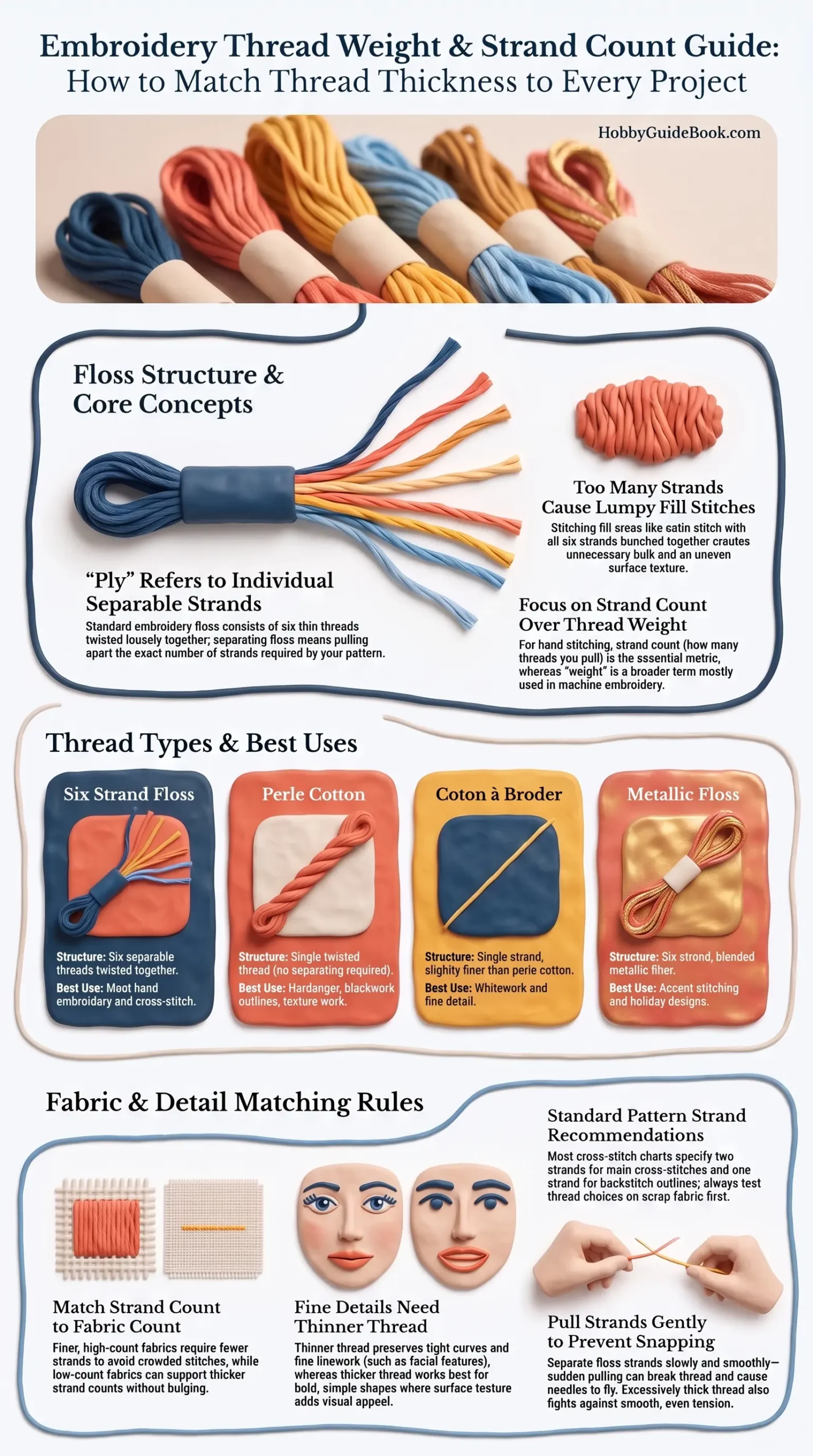
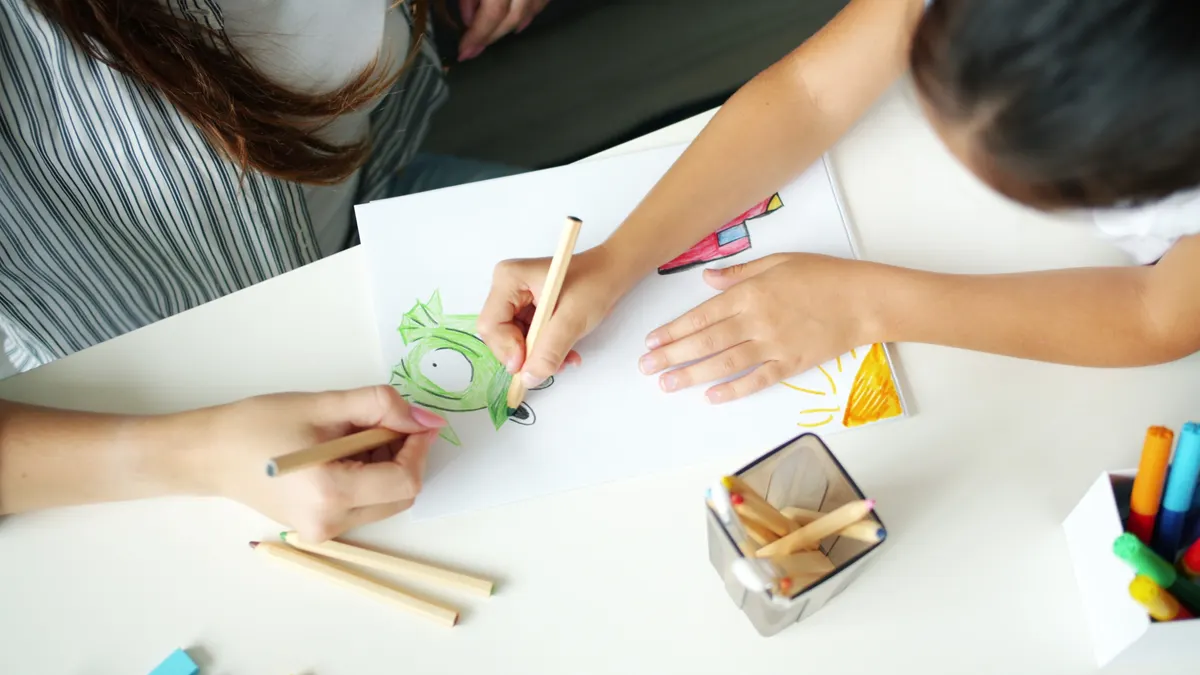
Photo Credit: Hobby Guidebook Editorial
How Does Thread Weight Affect Stitch Coverage?
Thicker thread, meaning more strands used together, covers fabric faster and creates bolder, more visible lines. Thinner thread, using fewer strands, creates finer detail but takes longer to build up solid coverage.
This matters most in fill areas like satin stitch, where using too many strands at once creates that lumpy texture I ran into with my leaf. Using too few strands for a bold outline, on the other hand, leaves the line looking thin and washed out.
What Materials and Thread Options Should You Know?
|
Thread Type |
Structure |
Best Use |
|
Six strand floss |
Six separable threads twisted together |
Most hand embroidery and cross-stitch |
|
Perle cotton |
Single twisted thread, no separating |
Hardanger, blackwork outlines, texture work |
|
Coton a broder |
Single strand, slightly finer than perle |
Whitework and fine detail |
|
Metallic floss |
Six strand, blended metallic fiber |
Accent stitching, holiday designs |
How Do You Choose Thread Thickness for Different Fabrics?
- Check your pattern first. Most cross-stitch charts specify strand count directly, usually two strands for cross-stitches and one for backstitch outlines.
- Match thickness to fabric count. Finer, higher count fabric generally needs fewer strands, while lower count fabric can handle more without looking crowded.
- Test on scrap fabric. Stitch a small sample section before committing, especially with an unfamiliar fabric count or thread brand.
- Adjust for stitch type. Fill stitches like satin stitch often need fewer strands than you'd expect, since layering too many creates unwanted bulk.
Our Embroidery Floss & Thread Types guide goes deeper into the specific brands and fibers worth keeping in your stitching kit.
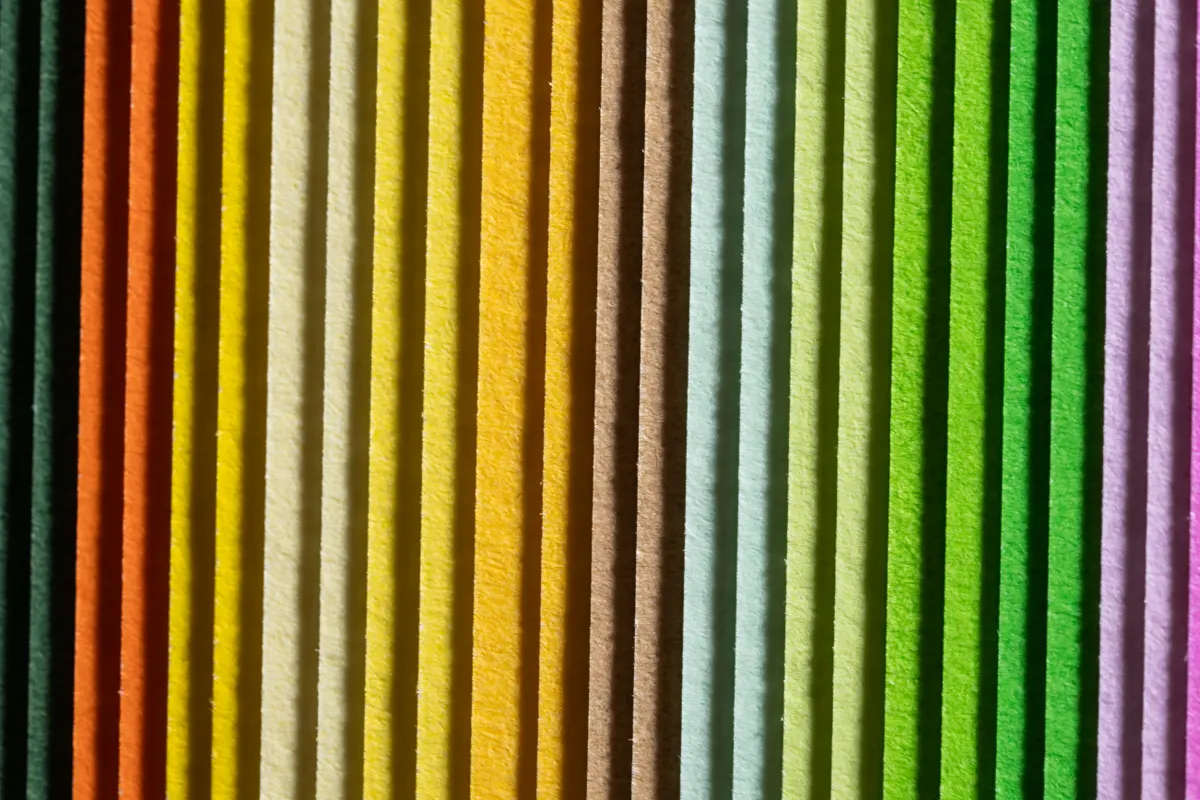
Photo Credit: Victoria Farr
What Is the Difference Between Thread Weight and Strand Count?
Embroidery thread weight comparison charts sometimes confuse beginners, since weight and strand count aren't quite the same thing. Strand count refers to how many of the six individual threads you're stitching with, while weight is a broader term describing overall thread thickness, more commonly used with machine embroidery thread than hand stitching floss.
For hand embroidery and cross-stitch, strand count is really the number that matters. Weight terminology shows up more often once you move into machine embroidery, where it works from a different numbering system entirely.
"Even tension makes even stitches." Thread thickness plays into that too, since thread that's too thick for your fabric fights against smooth, even tension no matter how careful your hand stays.
Does Thread Weight Affect the Appearance of Detailed Embroidery?
Yes, significantly. Thinner thread allows far more detail in small areas, like facial features or fine linework, since it doesn't bulk up and obscure tight curves.
Thicker thread works better for bold, simple shapes where visible texture actually adds to the design rather than crowding it. I've unpicked more knotted thread than I'd like to admit, and more often than not, the real problem traced back to using thread too thick for the detail I was attempting, not tangled thread itself.
Photo Credit: Alexander Mass
A quick safety note, when separating floss strands, pull gently and slowly rather than yanking, since a sudden pull can snap thread and send a needle flying if it's still threaded.
Frequently Asked Questions
What does ply mean for embroidery floss? Ply refers to the individual threads within six strand floss, which you separate based on how many your pattern requires.
How does thread weight affect stitch coverage? Thicker thread covers fabric faster with bold lines, while thinner thread creates finer detail but needs more layering for solid coverage.
What is the difference between thread weight and strand count? Strand count refers to how many floss threads you stitch with, while weight is a broader term used more often in machine embroidery.
How do you choose thread thickness for different fabrics? Match strand count to your pattern and fabric count, using fewer strands on finer fabric and testing on scrap first.
Does thread weight affect the appearance of detailed embroidery? Yes, thinner thread suits fine detail work, while thicker thread suits bold, simple shapes where texture adds to the design.
Final Thoughts
Getting thread weight right takes a little trial and error, but once you find the right strand count for your fabric, stitches come together noticeably smoother. Keep this chart handy, and you'll skip the lumpy leaf mistake I made early on.
For more, check out the full embroidery & cross-stitch guide.





Leave a Reply