
I once sat down to fold a single modular star after a genuinely awful day at work, planning to fold for ten minutes before bed. Two hours later I looked up, completely calm, with six interlocking units finished and my earlier frustration nowhere in sight, which is exactly why is origami relaxing turns out to have a real, practical answer rather than just a nice-sounding one.
This guide breaks down why folding paper genuinely calms the mind, what's actually happening in your brain while you fold, and how to use origami as a relaxing hobby even when your model doesn't turn out perfect.
This article is Part of Common Origami Questions & Comparisons, so if you're exploring other reasons people take up origami, that page covers more angles worth reading.
Why Do People Find Origami Calming or Absorbing?
Origami pulls your attention into a narrow, present-moment focus almost automatically, which is really the root of why it feels so calming. Each fold demands just enough concentration to quiet the background noise of racing thoughts, without demanding so much effort that it becomes stressful itself.
What makes origami naturally absorbing:
- Clear, sequential steps that give your mind a simple path to follow
- Immediate visual feedback, since every fold visibly changes the paper in front of you
- Repetitive hand motion, similar to how knitting or drawing settles a restless mind
- A defined endpoint, giving each session a satisfying sense of completion
I've found that this combination is rare in daily life. Most tasks either drag on without a clear finish or demand more mental effort than feels relaxing, while origami sits comfortably in between, engaging enough to hold attention, simple enough to feel peaceful.
Can Origami Be Used as a Mindfulness Activity?
Yes, genuinely, and this is one of the more practical, low-cost ways to build a mindfulness habit without sitting still and doing nothing, which some people find harder than it sounds. Origami mindfulness works because folding naturally anchors your attention to physical sensation, the crease under your fingers, the crisp sound of pressed paper, the visual shift with each step.
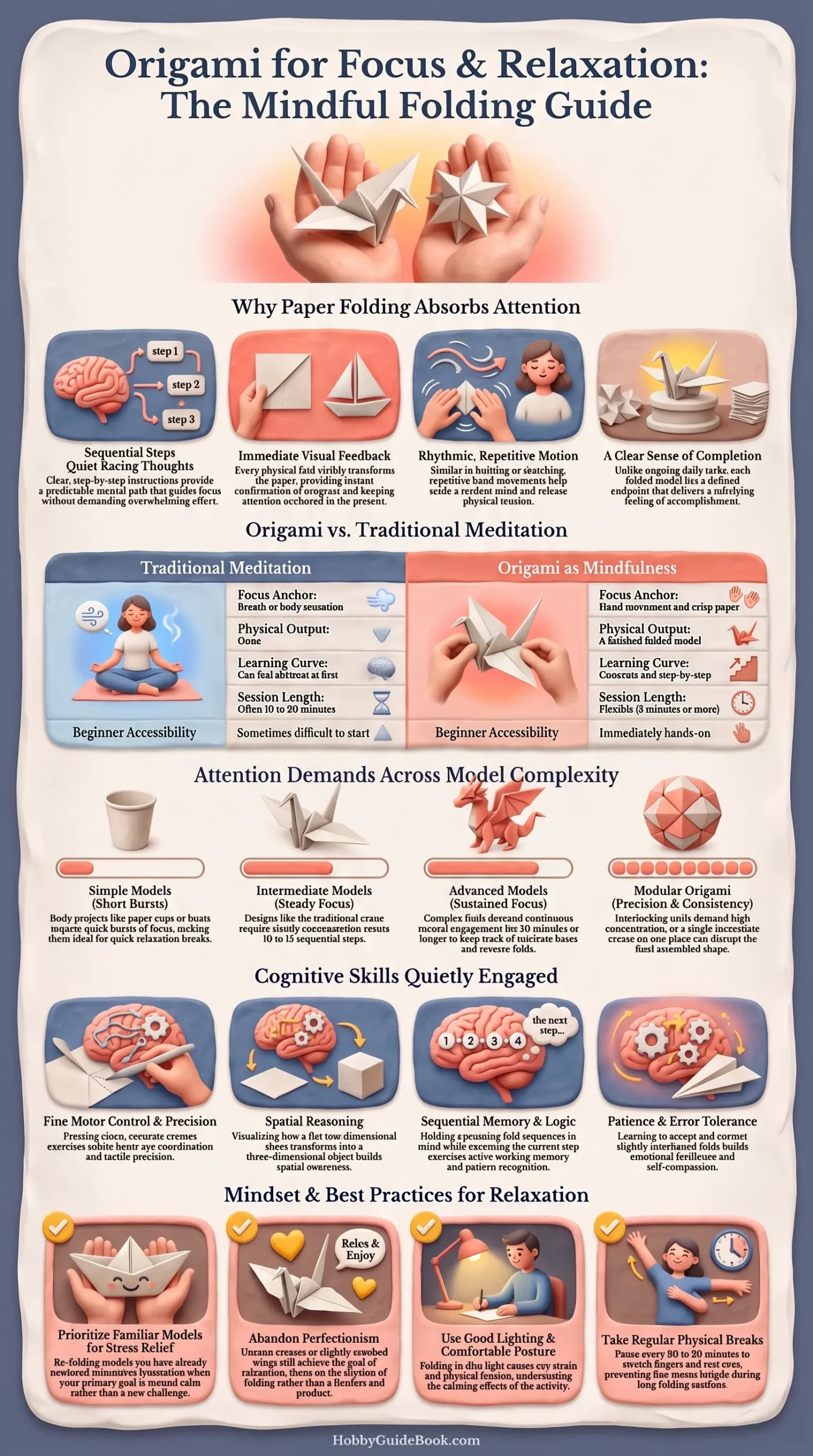
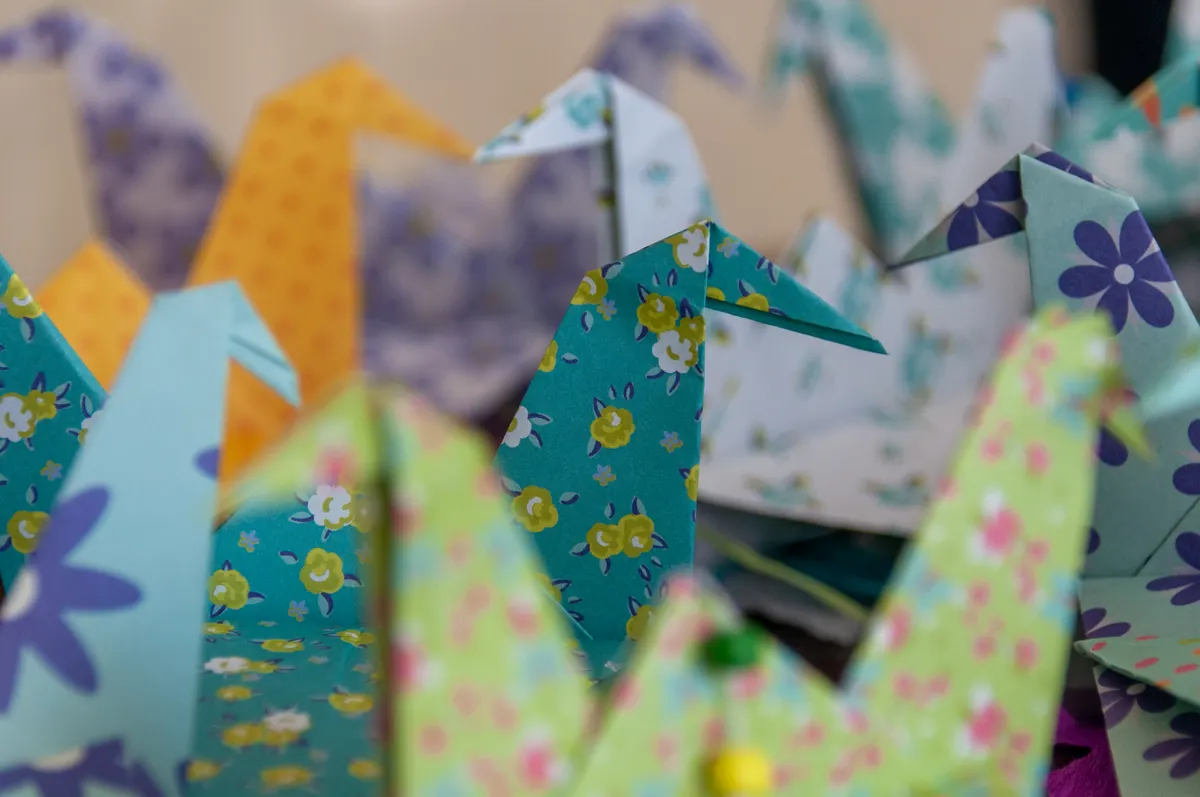
Photo Credit: Hobby Guidebook Editorial
Quick comparison at a glance:
|
Feature |
Traditional Meditation |
Origami as Mindfulness |
|
Focus anchor |
Breath or body sensation |
Hand movement and paper |
|
Physical output |
None |
A finished folded model |
|
Learning curve |
Can feel abstract at first |
Concrete, step by step |
|
Session length |
Often 10 to 20 minutes |
Flexible, 5 minutes or more |
|
Beginner accessibility |
Sometimes difficult to start |
Immediately hands-on |
Origami mindfulness doesn't replace seated meditation, but it offers a genuinely useful alternative for people who find stillness hard to settle into. The physical, tactile nature of folding gives restless hands and minds something concrete to hold onto instead.
Does Origami Require Sustained Attention?
Yes, though the amount varies quite a bit depending on the model. Simple folds, like a basic paper cup or boat, only require attention in short bursts, while more advanced models, especially anything involving a preliminary base or several reverse folds, demand longer, more continuous focus.
How attention demands shift by model complexity:
- Simple models need short bursts of attention, easy for beginners or quick relaxation breaks
- Intermediate models, like a traditional crane, require steady focus across ten to fifteen steps
- Advanced models demand sustained concentration for thirty minutes or longer without losing your place
- Modular origami often needs the longest sustained attention, since one bad crease on any single unit throws off the whole final shape
That sustained attention is exactly what makes origami feel meditative rather than tedious. Your mind doesn't have room to wander toward tomorrow's worries when you're focused on getting the next fold precisely aligned. It's really this combination of calm and quiet mental effort that makes origami worth exploring beyond just relaxation alone, and the Why Learn Origami? guide covers those additional benefits in more depth, from cognitive perks to social ones.
What Skills Are Engaged While Folding Origami?
Origami quietly works several different skills at once, which is part of why it feels so mentally satisfying compared to more passive relaxation activities like scrolling a phone or watching television.
Skills actively engaged during folding:
- Fine motor control, since pressing sharp, accurate creases takes real hand precision
- Spatial reasoning, visualizing how a flat sheet becomes a three-dimensional shape
- Sequential memory, holding multiple upcoming steps in mind while completing the current one
- Pattern recognition, especially in modular origami, where repeated units follow the same logic
- Patience and error tolerance, learning to notice and correct a fold gone slightly wrong
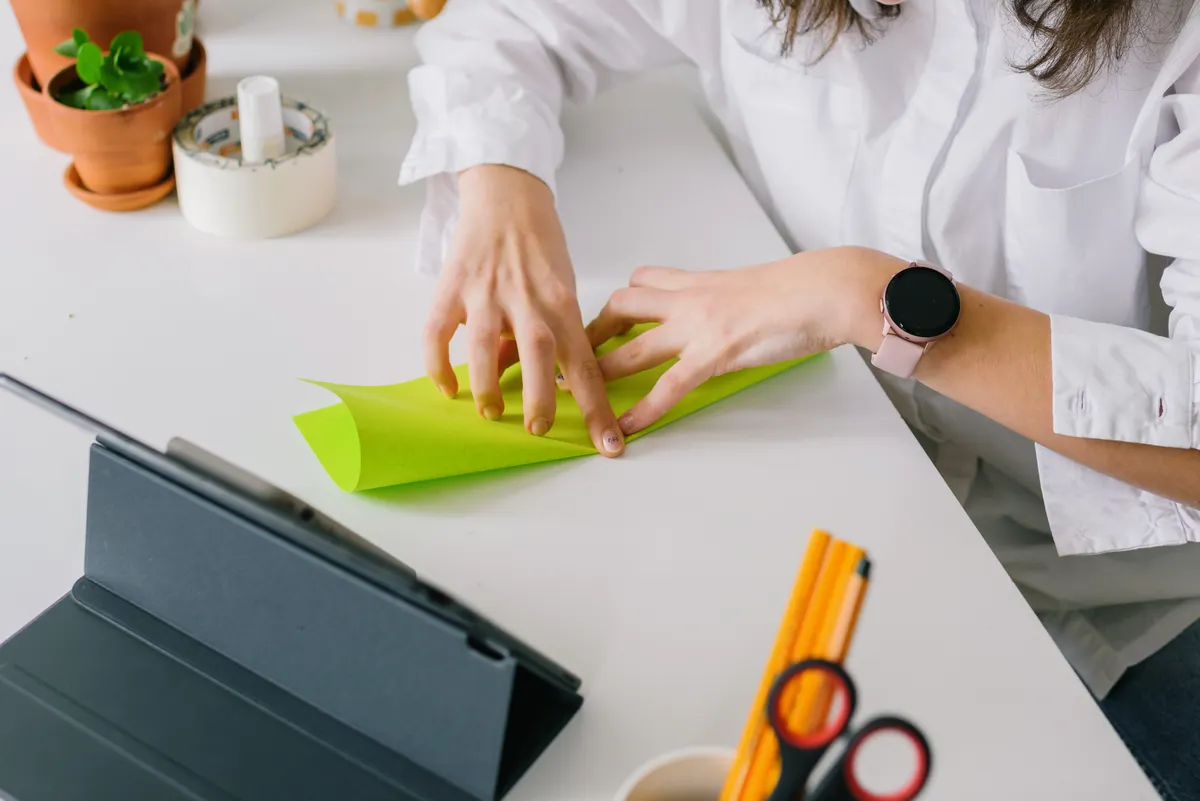
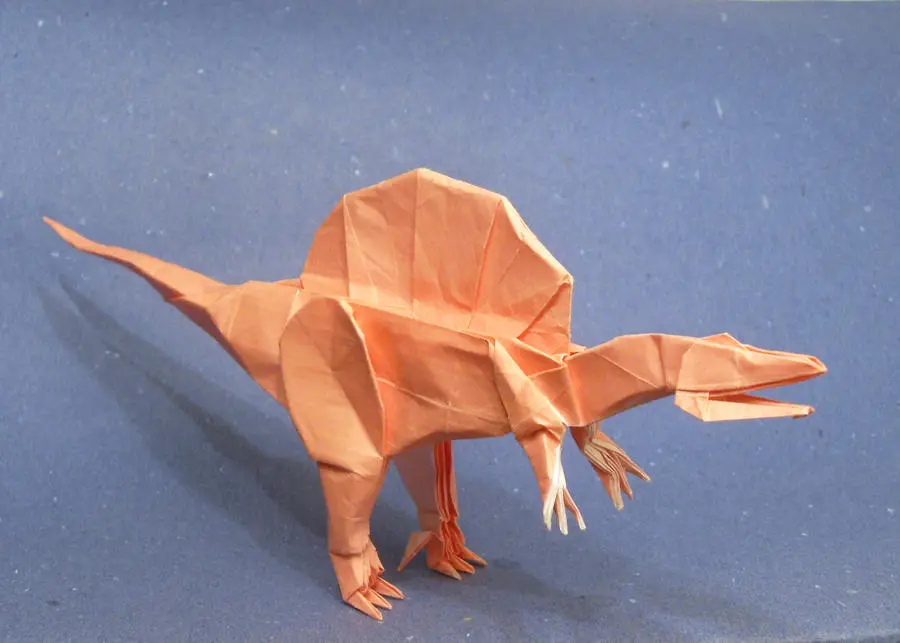
Photo Credit: Ksenia Chernaya
This mental engagement is really what separates origami from purely passive relaxation. You're calm, but you're also quietly building real skill the entire time, which explains why so many folders describe finishing a session feeling both relaxed and genuinely accomplished.
A quick pro tip: fold near natural light or a well-lit lamp whenever possible. Straining to see fine creases under dim lighting undercuts the relaxing effect fairly quickly, since squinting tends to build tension rather than release it.
Can Origami Be Used as a Relaxing Hobby Without Aiming for Perfect Results?
Yes, and honestly, this mindset shift matters more than any technique tip I could offer. Origami's relaxing benefit doesn't depend on producing a flawless model, it comes from the act of folding itself, the focus, the rhythm, the quiet progress fold by fold.
How to keep origami relaxing rather than pressure-filled:
- Fold models you've already mastered when you specifically want stress relief rather than a new challenge
- Let uneven creases go on relaxation-focused sessions rather than restarting for perfection
- Set no time limit, since rushing undoes much of the calming effect origami offers
- Choose familiar paper, since fighting unfamiliar or stiff paper adds frustration instead of ease
This mindset isn't a modern invention either. Many folding traditions developed over centuries alongside patience, ritual, and quiet repetition rather than pressure for perfect results, and the Origami Traditions Around the World guide looks at how different cultures shaped that same calm, unhurried approach to folding long before mindfulness became a popular buzzword.
As folders often say, the paper never lies. It only shows you exactly where a fold went wrong.
For relaxation-focused folding, that honesty doesn't need to sting. A slightly crooked crane folded purely for stress relief has already done its job the moment you feel calmer than when you started, regardless of how symmetrical the wings turned out.
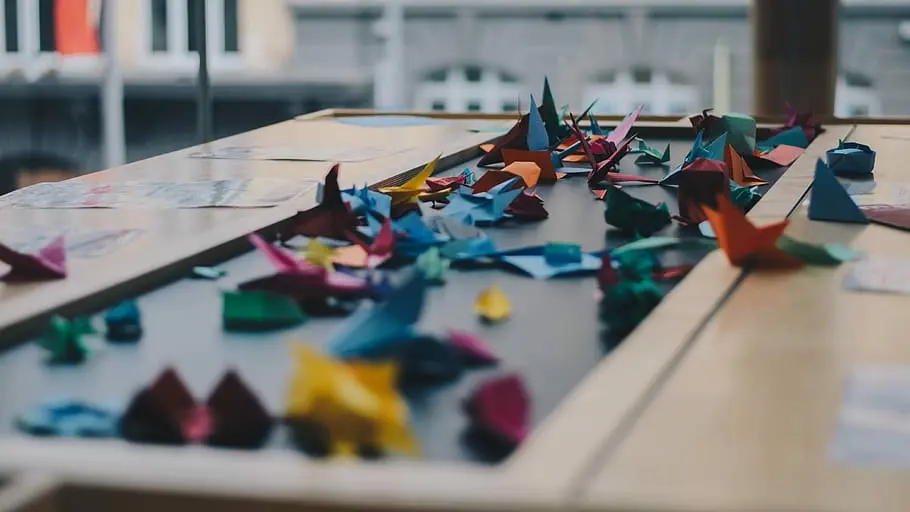
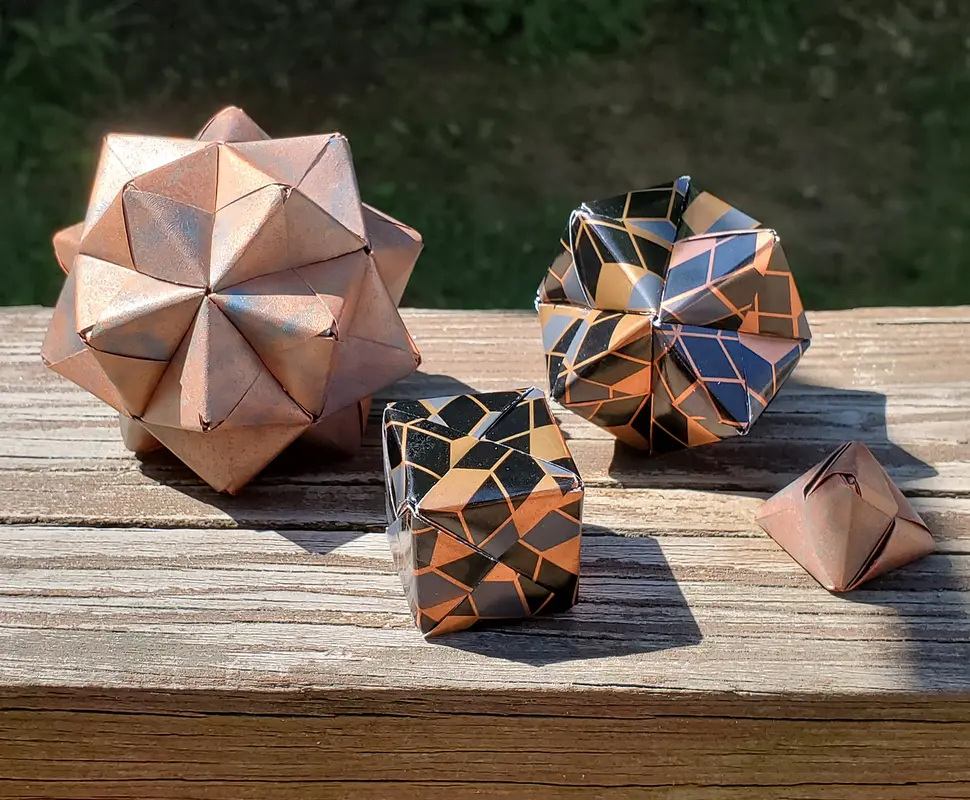
Photo Credit: Internet
A quick safety note worth mentioning: if you're folding for long stretches as a relaxation habit, take short breaks every twenty to thirty minutes to stretch your fingers and rest your eyes, since repetitive fine motor work and close focus can quietly build tension in your hands and eyes if a session runs too long without a pause.
Common Mistakes That Undermine the Relaxing Effect
A few habits quietly work against origami's calming benefits without folders realizing it.
- Choosing overly complex models for relaxation sessions. Save advanced challenges for when you want stimulation rather than calm.
- Rushing to finish quickly. Speed folding trades the meditative rhythm for stress, defeating the purpose entirely.
- Fixating on perfect symmetry. Chasing flawless results turns a calming hobby into a source of frustration.
- Folding in poor lighting or an uncomfortable position. Physical discomfort undercuts mental relaxation fast.
Frequently Asked Questions
Why do people find origami calming or absorbing? Its clear steps, immediate visual progress, and repetitive hand motion naturally pull focus into the present moment.
Can origami be used as a mindfulness activity? Yes, its tactile, hands-on nature offers a concrete focus anchor, similar to meditation but easier for restless minds to start.
Does origami require sustained attention? Yes, though it varies by model, ranging from short bursts for simple folds to long, focused sessions for advanced or modular work.
What skills are engaged while folding origami? Fine motor control, spatial reasoning, sequential memory, and patience all get quietly exercised during a typical folding session.
Can origami be used as a relaxing hobby without aiming for perfect results? Yes, the calming benefit comes from the folding process itself, not from achieving a flawless final model.
Final Thoughts
Origami earns its calming reputation honestly, offering focused, hands-on engagement without demanding perfection in return. Whether you fold for five minutes or an entire evening, the relaxation comes from the quiet rhythm of the process itself, not from how the final model turns out.
Curious what else this hobby has to offer beyond relaxation? Read the full origami guide to explore techniques and traditions worth discovering next.


Leave a Reply