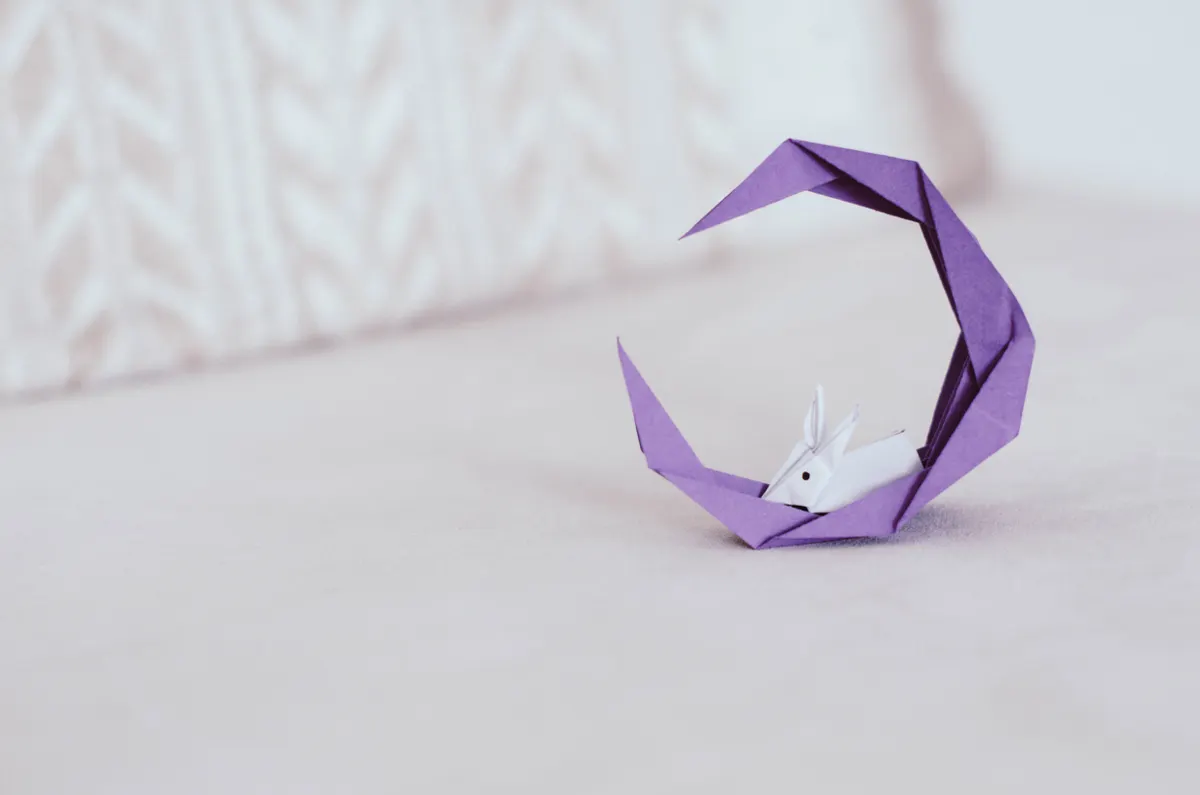
I once watched a friend spend forty dollars on a fancy origami kit before folding a single crane, and half of what came in the box sat unused for months. You genuinely don't need that much to start folding well, and figuring out what actually matters can save you both money and frustration.
This guide breaks down exactly what belongs in a real origami starter kit, what's optional, and what you can safely skip. It's Part of Getting Started with Origami, so if you're brand new to folding, this is the right place to begin.
Why Your First Supplies Actually Matter
Origami looks simple because the finished models are just paper, folded by hand. But the paper you start with shapes your entire experience, sometimes literally.
I've folded thousands of sheets over the years, from wobbly first cranes on scrap paper to modular stars that took a full evening to lock together. The single biggest difference between those early frustrating folds and the ones that actually worked wasn't skill. It was the paper.
Cheap, thick paper fights you. It won't hold a sharp crease, and it bulks up fast once you're several folds deep into a model. Good beginner origami supplies solve that problem before it starts, which is exactly why this list exists.
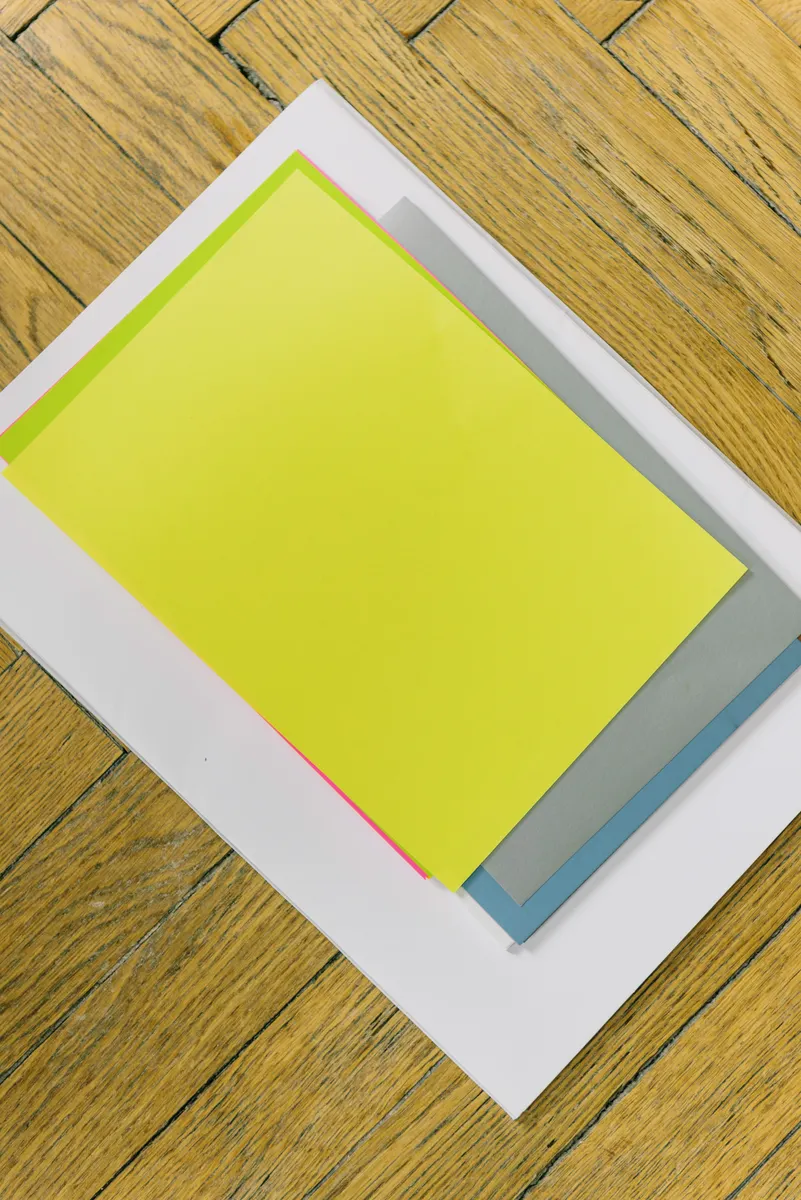
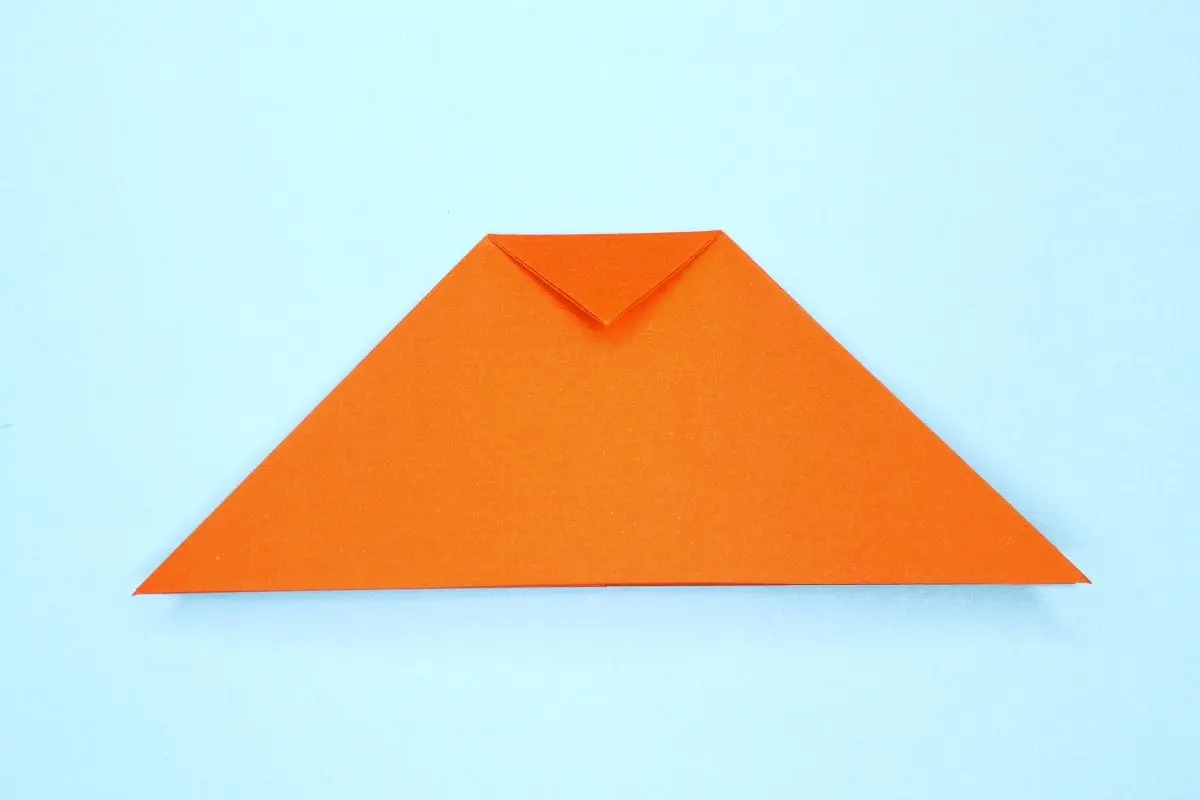
Photo Credit: Ksenia Chernaya
What Should Be in a Beginner Origami Kit
A real starter kit is smaller than most people expect. Here's what actually earns a spot in your origami kit essentials, and why each item matters.
|
Item |
Why You Need It |
Optional? |
|
Origami paper (kami) |
Thin, crisp, holds sharp creases |
No |
|
Flat, hard surface |
Keeps folds even and accurate |
No |
|
Diagram book or app |
Shows exact fold sequences |
No |
|
Bone folder |
Presses creases flatter and cleaner |
Yes |
|
Ruler |
Helps square up paper and folds |
Yes |
|
Storage folder or box |
Keeps paper flat and dust free |
Yes |
Notice how short the "required" list is. Everything else on that table is genuinely nice to have, not necessary to start.
1. Origami Paper (Kami)
This is the one item you shouldn't skimp on. Kami paper is thin, colored on one side, white on the other, and made specifically to hold sharp creases without tearing.
Standard kami usually comes in packs of 6-inch or 8-inch squares, which brings up a common beginner question.
What Paper Size Is Best for Starting Origami?
For most beginners, 6-inch squares (15cm) hit the sweet spot. They're large enough to fold comfortably without your fingers fighting for space, but small enough that finished models don't feel oversized.
Smaller paper, like 3-inch squares, is harder to manage for beginners because thin flaps and small folds get fiddly fast. Larger paper, 8 inches or more, is easier to handle but uses more material per model.
2. A Flat, Hard Surface
You don't need anything fancy here. A clean table, a cutting mat, or even a hardback book works fine, as long as it's flat and firm.
Folding on a soft surface like a couch cushion or carpet makes creases mushy and uneven. If your folds keep coming out slightly crooked, check your surface before blaming your technique.
3. A Diagram Book or App
You'll need a source of instructions, whether that's a printed diagram book or a folding app on your phone. Diagrams use standard symbols, arrows for direction, dashed lines for valley folds, dash-dot lines for mountain folds, so learning to read them is worth doing early.
Free diagrams online work fine for practice, but a dedicated beginner book tends to organize models by difficulty, which saves you from accidentally attempting something too advanced on day one.
Do Beginners Need Special Origami Tools?
Honestly, no. Beginner origami supplies don't require specialized tools the way some crafts do. Your hands are the main tool in origami, which is part of what makes it so accessible.
That said, a couple of optional tools make life easier once you're folding regularly.
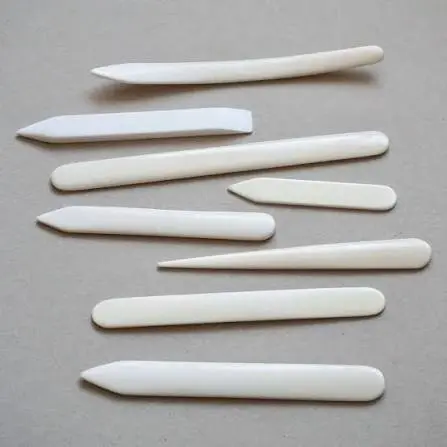
Photo Credit: Internet
Do You Need a Bone Folder to Start Origami?
Not to start, no. A bone folder is a smooth tool used to press creases flat and sharp, and it's genuinely useful once you're folding models with many layers.
For your first few weeks, your fingernail or the flat edge of a ruler works fine as a substitute. If you do pick up a bone folder later, keep your fingers clear of the edge you're pressing along. It's a low-risk tool, but a slip on thin paper can occasionally nick a fingertip if you're pressing too hard or too fast.
As folders often say, the paper never lies. It only shows you exactly where a fold went wrong.
That's true whether you're using a fifty-cent bone folder or just your thumbnail. The tool matters less than the accuracy of the crease itself.
Can You Start Origami With Printer Paper?
Technically yes, but I don't recommend it for long. Printer paper is thicker than real kami paper, and it tends to spring back slightly instead of holding a crisp line.
It's fine for your very first practice folds, just to get a feel for valley and mountain folds before spending money. But once you move into models with multiple layers, like a crane or a squash fold, printer paper starts working against you instead of for you.
If you want to test the waters before buying dedicated paper, cut printer paper into squares and practice basic folds first. Just don't expect crisp, professional-looking results from it.
Setting Up a Space That Actually Works
Your supplies matter, but where you fold matters almost as much. A cluttered desk or dim lighting makes it hard to see creases clearly, which leads to sloppy folds without you even realizing it.
Good lighting, a clear flat surface, and somewhere to keep your paper flat between sessions go a long way. For a full walkthrough on organizing your folding area properly, the How to Set Up an Origami Folding Space guide covers lighting, storage, and workspace setup in more depth.
How Much Does It Cost to Start Origami?
This is where origami genuinely shines compared to most hobbies. A basic starter setup costs very little.
- Origami paper pack (100 sheets): Usually a few dollars
- Free diagrams online: Zero cost
- Bone folder (optional): A small one-time purchase, often under ten dollars
- Storage folder: Often something you already own
Realistically, you can start folding for less than the cost of a movie ticket. For a deeper cost breakdown, including what advanced folders eventually invest in, check out Is Origami Expensive to Start?, which covers the full range from beginner to advanced spending.

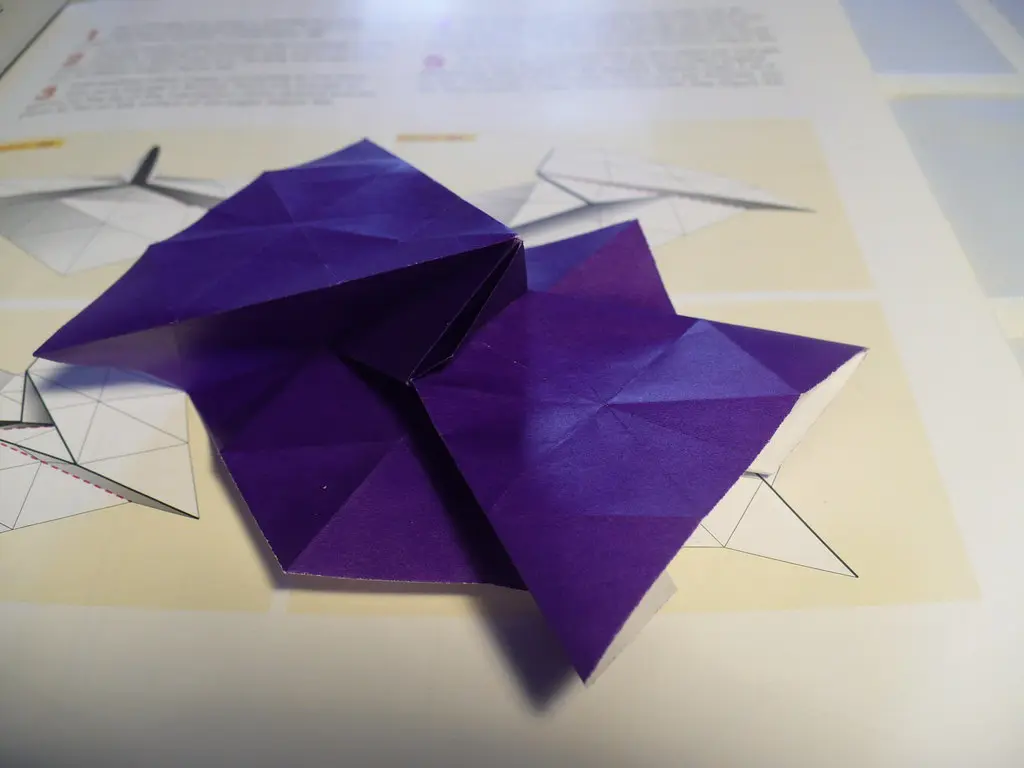
Photo Credit: furkanfdemir
Common Mistakes When Buying Your First Kit
A few habits waste money or slow down beginners unnecessarily. I've made most of these myself early on.
- Buying huge paper packs before knowing if you'll stick with it. Start with a small pack of 50 to 100 sheets first.
- Skipping real origami paper entirely. Printer paper works short term, but it holds you back once models get more detailed.
- Overbuying tools you don't need yet. Bone folders and rulers are nice, but they're not required for your first month of folding.
- Ignoring paper weight. Very thick decorative paper looks nice but folds poorly for beginner models with many layers.
- Not organizing paper by size. Mixing 6-inch and 8-inch squares together makes it easy to grab the wrong size mid-fold.
Frequently Asked Questions
What should be in a beginner origami kit? A basic kit needs kami paper, a flat surface, and access to diagrams. A bone folder, ruler, and storage folder are helpful but optional extras.
What paper size is best for starting origami? Six-inch squares work best for most beginners. They're easy to handle without being so small that folds become fiddly.
Do beginners need special origami tools? No. Origami mainly requires your hands. Tools like bone folders make certain folds easier later, but they're not necessary at the start.
Do you need a bone folder to start origami? Not right away. Your fingernail or a ruler edge works as a substitute until you decide to invest in one.
Can you start origami with printer paper? Yes, for basic practice folds. It's thicker than real origami paper though, so it struggles once models involve multiple layers.
How much does it cost to start origami? Very little. A pack of origami paper often costs just a few dollars, and diagrams are widely available for free online.
Final Thoughts
Getting started with origami really comes down to a handful of simple supplies, not a shopping cart full of gear. Good paper, a flat surface, and clear diagrams will carry you through your first dozen models easily.
Once you've got your basics sorted, you're ready to dive deeper into the craft. Read the full origami guide to see where to go from here.




Leave a Reply