I ruined my first wet-folded elephant in about four minutes flat, watching the paper go soft and pill apart under my fingers because I'd grabbed a sheet of standard kami without thinking twice about it. Origami paper for wet-folding has to hold up to actual moisture, and picking the wrong sheet turns a promising sculptural fold into a soggy mess before you're even halfway through shaping it.
This tutorial isPart of Origami Materials & Tools Guide, and it covers which paper genuinely holds up to wet-folding, whether thickness is really required, what properties matter most, and whether thinner traditional paper can ever be used with this technique.
What Paper Holds Up Best to Wet-Folding?
Wet-folding calls for paper with enough internal strength to stay intact while damp, since the whole technique depends on shaping paper that's been lightly moistened rather than folded bone dry. Watercolor paper and specialty wet-strength origami paper are the two options I reach for most consistently, since both are built to handle water without breaking down.
I've found that watercolor paper, particularly cold-press varieties around 140 pound weight, gives a really forgiving working window, holding its shape well while still allowing gentle sculptural curves. Wet-folding paper thickness in this range strikes a solid balance, thick enough to resist tearing but not so stiff that it resists shaping.
Specialty wet-fold paper, often made with an internal sizing designed specifically for this technique, is another strong choice, though it tends to run more expensive and can be harder to find outside dedicated origami suppliers.
Materials Needed for Wet-Folding Paper Selection
A few reference items help when comparing and testing paper before committing to a full project.
Item
Purpose
Watercolor paper, cold-press, 140lb
Provides strength and shape-holding ability once dampened
Specialty wet-fold origami paper
Offers a purpose-built option designed for moisture and sculptural folding
Spray bottle with fine mist setting
Applies even, controlled moisture without oversaturating the sheet
Clean sponge or damp cloth
Lets you test how a sample sheet responds to dampening before folding
Test scraps of each paper type
Allows side-by-side comparison of strength and drying time
Photo Credit: Srattha Nualsate
Is Thick Paper Required for Wet-Folding?
Thickness genuinely matters here, though "thick" doesn't always mean the heaviest paper you can find. Standard kami, which usually runs quite thin, simply doesn't have enough body to stay structurally sound once dampened, which is exactly the mistake I made on that early elephant attempt.
A moderate weight, somewhere in the range of 90 to 140 pound watercolor paper or its equivalent in specialty origami stock, tends to work best for most models. Going heavier than that can actually work against you, since very thick paper resists the fine, gradual curves that make wet-folded sculptures look so smooth in the first place.
The real requirement isn't maximum thickness so much as sufficient internal strength paired with enough flexibility to shape gradually. Understanding how the wet-folding process itself works helps clarify why this balance matters so much.Wet-Folding Technique Explained walks through the shaping and drying process in detail, which makes it much easier to judge what a particular paper needs to hold up to.
What Paper Properties Make a Sheet Suitable for Wet-Folding?
A handful of specific properties determine whether a sheet is genuinely wet-fold friendly, beyond just its raw thickness.
Internal sizing. This is a treatment added during paper manufacturing that affects how the sheet absorbs moisture, and papers with stronger internal sizing resist breaking down when dampened.
Fiber strength. Cotton-based papers, common in quality watercolor stock, tend to hold together better when wet than papers made from shorter, weaker fibers.
Even thickness across the sheet. Inconsistent thickness can cause uneven drying and warping, which throws off a sculptural shape after it's set.
Reasonable flexibility. A sheet needs enough give to be coaxed into curves while damp, since paper that's too stiff resists shaping even after dampening.
Watercolor paper origami work benefits from all four of these properties at once, which is really why it's become such a popular choice for wet-folded sculptural pieces beyond just traditional flat models.
Photo Credit: Internet
Can Kami or Thin Origami Paper Be Wet-Folded?
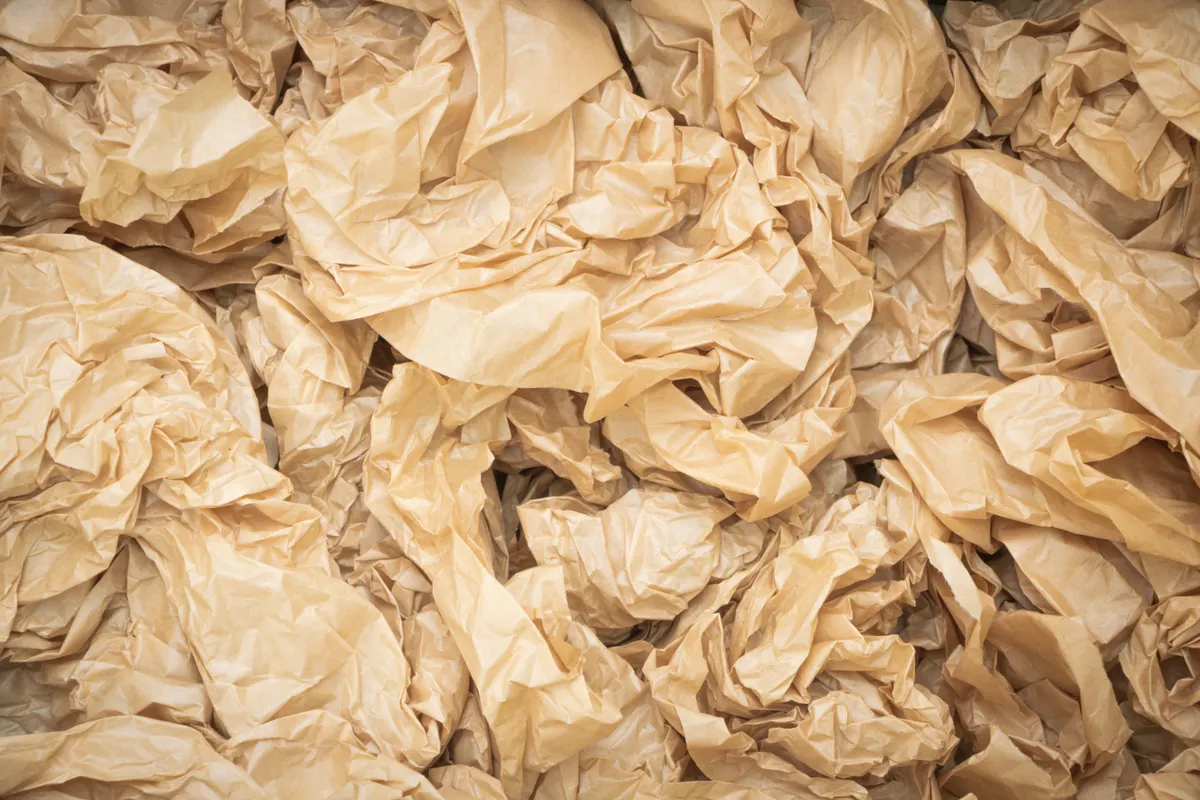
Standard kami paper generally isn't a good match for wet-folding, since it's manufactured for crisp, dry folding rather than moisture resistance. Once dampened, thin kami tends to soften quickly, losing structural integrity well before a sculptural shape has had a chance to set.
That said, there are exceptions worth knowing about. Some higher-quality specialty kami, particularly heavier double-sided varieties, can tolerate light dampening for very small, simple wet-fold projects, though it's genuinely risky compared to purpose-built alternatives.
If you're still building a general sense of paper types before narrowing in on wet-folding specifically, it helps to see the full picture.Origami Paper: Types & How to Choose covers the broader range of paper options available, which makes it much easier to understand where wet-fold-friendly stock fits into the larger picture.
How Does Paper Sizing Affect Wet-Folding Performance?
Sizing is really one of the most overlooked factors in wet-folding paper selection, and it's worth understanding even in plain terms. Sizing refers to a treatment applied to paper fibers during manufacturing that controls how much water the sheet absorbs and how quickly.
Paper with strong sizing resists soaking up water too fast, which gives you more control while shaping and reduces the risk of the sheet becoming mushy or fragile mid-fold. Paper with weak or no sizing, which describes most standard kami, absorbs moisture quickly and unevenly, and that's usually what causes the soft, pilling texture that ruins a wet-fold attempt.
A wet-folding artist I once corresponded with online described sizing as the paper's raincoat, since a well-sized sheet lets water sit on the surface long enough to be worked with, while a poorly sized sheet soaks it in immediately and falls apart from the inside. That description helped me finally understand why my early kami attempts failed so quickly, since I hadn't considered that the paper itself was working against the moisture rather than tolerating it.
Testing Paper Before Committing to a Full Model
A quick test on a scrap piece saves considerable frustration before starting an actual wet-fold project.
Cut a small scrap from the paper you're considering, roughly two by two inches.
Lightly mist the scrap using a spray bottle set to a fine mist rather than a heavy stream.
Wait about thirty seconds, then gently fold and curve the damp scrap between your fingers.
Check for softening or pilling, since paper that starts breaking down at this stage will only get worse across a full sheet.
Let the scrap dry fully and check whether it holds its curved shape once dry, which tells you how well the paper will perform on a real project.
Common Mistakes When Choosing Wet-Fold Paper
A few habits consistently lead to disappointing results for folders trying this technique for the first time.
Reaching for standard kami out of habit. Kami's thin construction and weak sizing make it a poor match for moisture, even on small models.
Oversaturating the paper before folding. Too much water at once softens fibers unnecessarily, even on paper that's otherwise well suited to wet-folding.
Skipping a scrap test before a full project. Committing directly to a full sheet without testing wastes both time and paper if the sheet turns out unsuitable.
Ignoring drying time between shaping stages. Rushing a damp fold before it's had a chance to partially set often causes the shape to collapse.
Comparing Common Wet-Fold Paper Options
Factor
Watercolor Paper (140lb Cold-Press)
Specialty Wet-Fold Paper
Standard Kami
Moisture resistance
Strong
Very strong
Weak
Shape-holding ability
Good
Excellent
Poor
Availability
Widely available
Limited, specialty suppliers
Very widely available
Cost
Moderate
Higher
Low
Photo Credit: Tamanna Rumee
Frequently Asked Questions
What paper holds up best to wet-folding? Watercolor paper, especially cold-press varieties around 140 pound weight, and specialty wet-fold origami paper both hold up well, offering strength and flexibility once dampened.
Is thick paper required for wet-folding? Moderate thickness, generally 90 to 140 pound range, works best, since paper that's too thick resists smooth curves while paper too thin breaks down when wet.
What paper properties make a sheet suitable for wet-folding? Strong internal sizing, good fiber strength, even thickness, and reasonable flexibility together determine whether a sheet performs well under moisture.
Can kami or thin origami paper be wet-folded? Standard kami generally isn't suited to wet-folding due to weak sizing and thin construction, though some heavier specialty kami can tolerate light dampening for small projects.
How does paper sizing affect wet-folding performance? Strong sizing slows water absorption, giving more control while shaping, while weak sizing causes paper to soak up moisture quickly and lose structural integrity.
Final Thoughts
Choosing the right paper is really the first decision that determines whether a wet-folded sculpture comes together smoothly or falls apart halfway through shaping. Test a scrap first, lean toward watercolor or specialty wet-fold stock, and that extra bit of upfront care will show clearly in the finished piece.
If you're ready to explore the rest of what this hobby has to offer,Read the full origami guide for everything from paper choices to techniques across every skill level.



Leave a Reply