
I ruined a perfectly good crane design once, not because of a bad fold, but because I used paper way too thick for the model I was attempting. That crease refused to lie flat no matter how hard I pressed, and it taught me fast that origami paper choice matters just as much as folding skill.
This guide breaks down the main paper types, weights, and sizes so you can pick the right sheet before you even start folding, instead of learning the hard way like I did.
This article is Part of Origami Materials & Tools Guide, so if you're building out your folding kit, this is a great place to start.
What Makes Paper "Origami Paper"?
Not every piece of paper folds the same way, and that's really the whole reason origami paper exists as its own category. True origami paper is thin enough to fold through many layers without bulking up, yet strong enough to hold a sharp crease.
Regular paper, like what's in a printer tray, usually fails one of those two tests. It's either too thick for complex models or too flimsy to hold a crisp fold once you get past a few layers.
I've folded thousands of sheets over the years, everything from cheap bulk kami to specialty washi that cost more per sheet than I'd like to admit. The paper genuinely changes how a model turns out, sometimes more than the folding technique itself.
What Are the Main Types of Origami Paper?
Here's a breakdown of the paper types you'll run into most often, whether you're shopping online or at a craft store.
|
Paper Type |
Texture |
Best For |
|
Kami |
Smooth, single color one side |
Beginner models, everyday folding |
|
Washi |
Textured, handmade feel |
Detailed models, display pieces |
|
Foil-backed |
Metallic on one side |
Sharp points, modular stars |
|
Tissue foil |
Foil core with tissue outer layer |
Advanced wet-folding, fine detail |
|
Duo paper |
Different color each side |
Models where both sides show |
|
Printer paper |
Smooth, uniform |
Practice folds only |
Each type has a real purpose, and picking the wrong one for a project is one of the fastest ways to get frustrated partway through a model.
What Is the Difference Between Kami, Washi, and Foil Paper?
These three come up constantly in origami discussions, so it's worth understanding exactly how they differ.
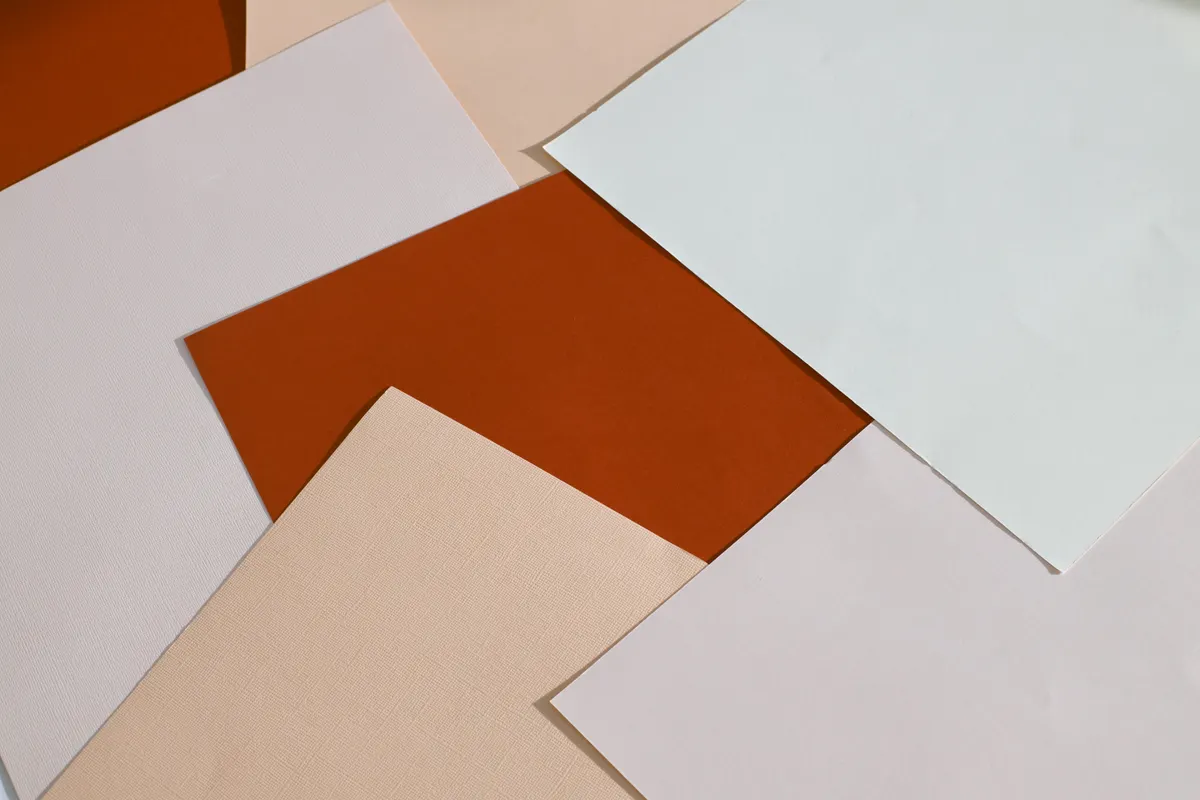
Photo Credit: Jill Burrow
Kami paper is the standard, budget-friendly choice most beginners start with. It's thin, holds creases well, and usually comes colored on one side with white on the reverse. For a deeper look at this specific paper, Kami Paper Explained covers everything from sizing to where to buy it.
Washi paper is a traditional Japanese paper made from plant fibers, giving it a slightly textured, fibrous look that adds real character to finished models. It's more expensive than kami, but the texture makes display pieces look noticeably more refined. The Washi Paper for Origami guide breaks down the different washi varieties and when each one makes sense.
Foil-backed paper has a thin layer of metal foil bonded to regular paper, which lets it hold extremely sharp, crisp folds. This makes it popular for modular origami and pointed models like stars, though it tends to show fingerprints and doesn't tolerate re-folding well once a crease is set.
What Is the Best Paper for Origami?
There's no single answer here, since the best origami paper really depends on what you're folding and how experienced you are. That said, a few general recommendations hold up well across most situations.
For beginners learning basic folds, kami paper is almost always the right starting point. It's affordable enough to practice freely, forgiving enough to survive a few mistakes, and widely available in packs of assorted colors.
For detailed or display-worthy models, washi paper tends to produce the most polished results, especially for flowers and traditional figures where texture adds visual interest. For sharp, angular modular pieces, foil-backed paper usually wins, since it holds precise points that plain paper struggles to maintain.
As folders often say, the paper never lies. It only shows you exactly where a fold went wrong.
That's especially true when the paper itself is fighting against you. A crease that won't hold flat is sometimes less about your folding and more about paper that simply wasn't suited to the model.
What Paper Weight Is Best for Detailed Models?
Paper weight, usually measured in grams per square meter (gsm), determines how thick and sturdy a sheet feels. This matters enormously once a model involves many layers stacking on top of each other.
|
Weight Range |
Feel |
Best Use |
|
60 to 70 gsm |
Very thin, delicate |
Wet-folding, fine detail work |
|
70 to 85 gsm |
Standard kami thickness |
Beginner to intermediate models |
|
85 to 100 gsm |
Slightly heavier, sturdier |
Modular units, boxes |
|
100+ gsm |
Thick, stiff |
Simple, low-layer models only |
For models with lots of layers, like a traditional crane with its many inside reverse folds, lighter paper in the 70 to 85 gsm range usually works best. Heavier paper bulks up fast once you're folding through six or eight layers, and creases stop lying flat the way they should.
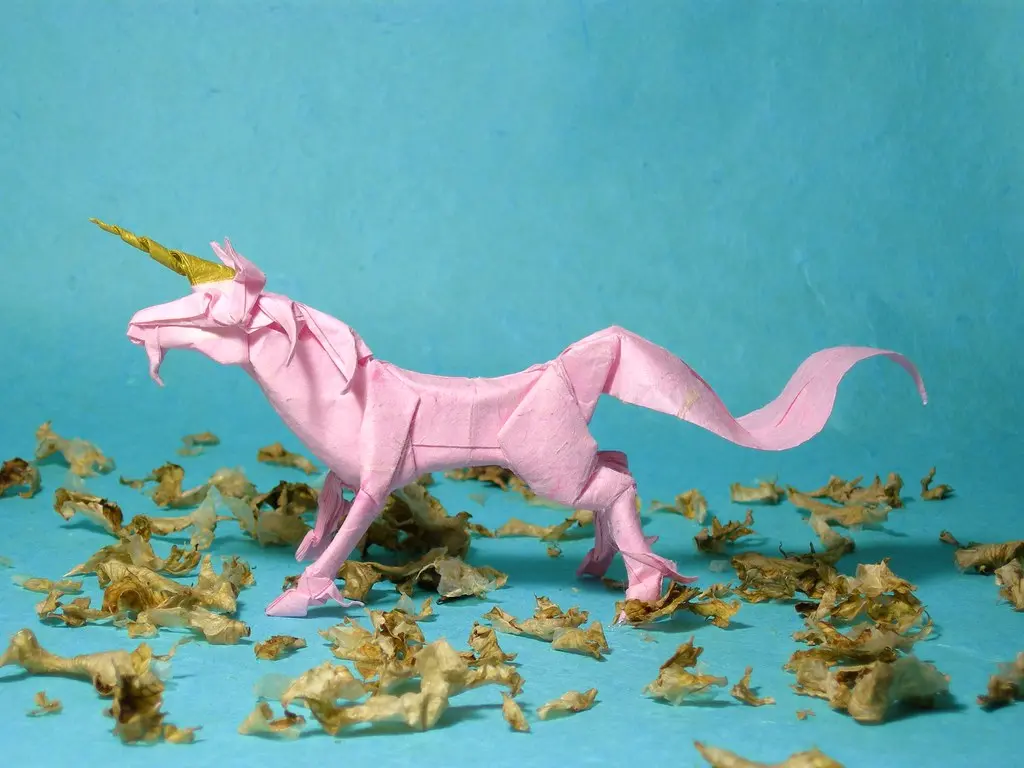
Complex tessellations and wet-folded animal sculptures often call for something even thinner, since those techniques depend on paper that can hold fine, precise detail without adding bulk.
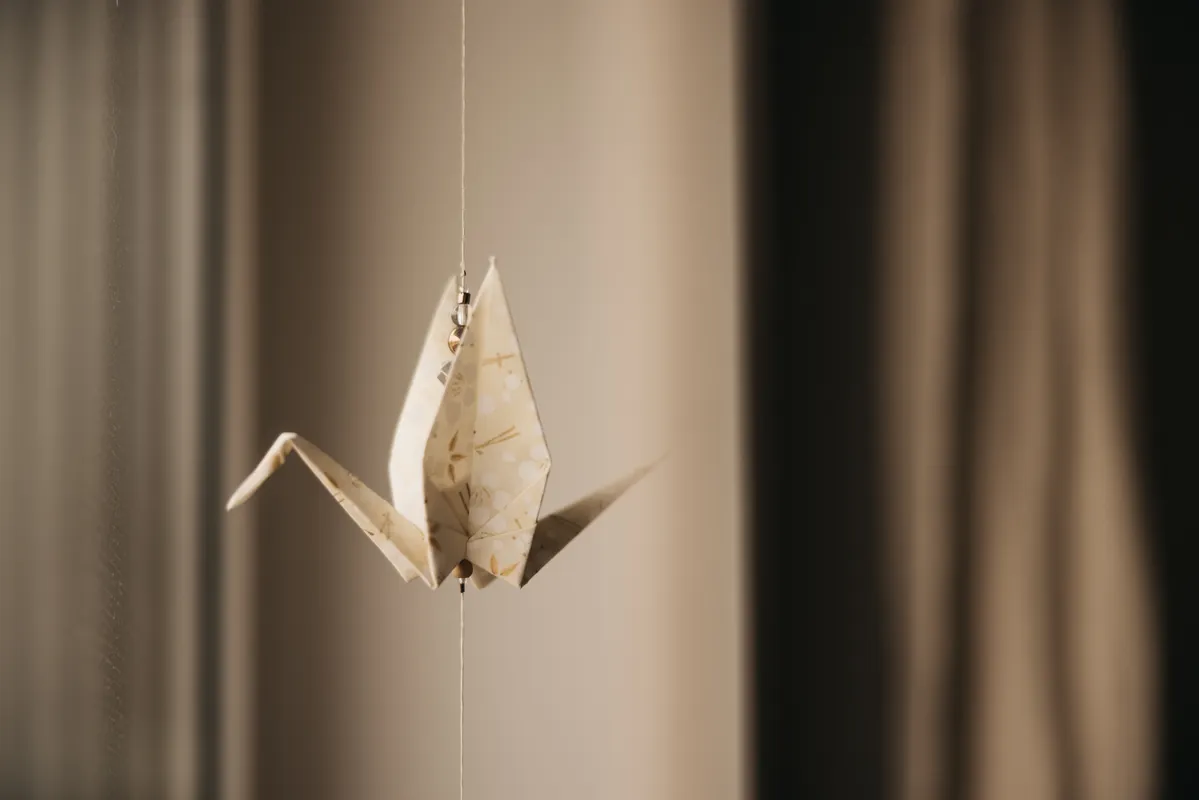
Photo Credit: Lisett Kruusimäe
Can Regular Printer Paper Be Used for Origami?
Yes, for practice, though it has real limitations worth knowing about. Printer paper works fine for learning basic folds like valley and mountain creases, or for practicing a new technique before committing to nicer paper.
The problems show up once a model gets more complex. Printer paper tends to be either too thick for models needing many folds, or the crease lines fade and go soft after just a few folds, especially compared to how crisp kami paper stays throughout a whole model.
When printer paper works fine:
- Practicing a brand new fold or technique
- Testing a diagram before using your good paper
- Quick, simple models like basic boxes or cups
When to switch to real origami paper:
- Any model with more than a handful of steps
- Display pieces you want to keep or gift
- Modular origami, where consistent thickness across units really matters
How Does Paper Size Affect Folding?
Size changes more than just the final model's dimensions, it actually affects how forgiving the folding process feels. Larger paper, like a 9-inch or 10-inch square, gives you more room to work with, which makes precise folds easier for beginners still building confidence.
Smaller paper, in the 3-inch to 6-inch range, gets noticeably trickier once a model involves many layers, since there's simply less material to grip and align accurately. I'd genuinely recommend starting with larger squares, even if the diagram doesn't specify a size, just to make early practice less frustrating.
General sizing guidelines:
- Beginners: Start with 6-inch or larger squares for easier handling
- Detailed models: Use mid-range sizes like 5 to 6 inches once your folds get more consistent
- Modular origami: Match unit sizes exactly, since mismatched squares throw off how pieces lock together
- Miniatures: Save smaller paper, 3 inches or less, for once you're comfortable with a model at full size first
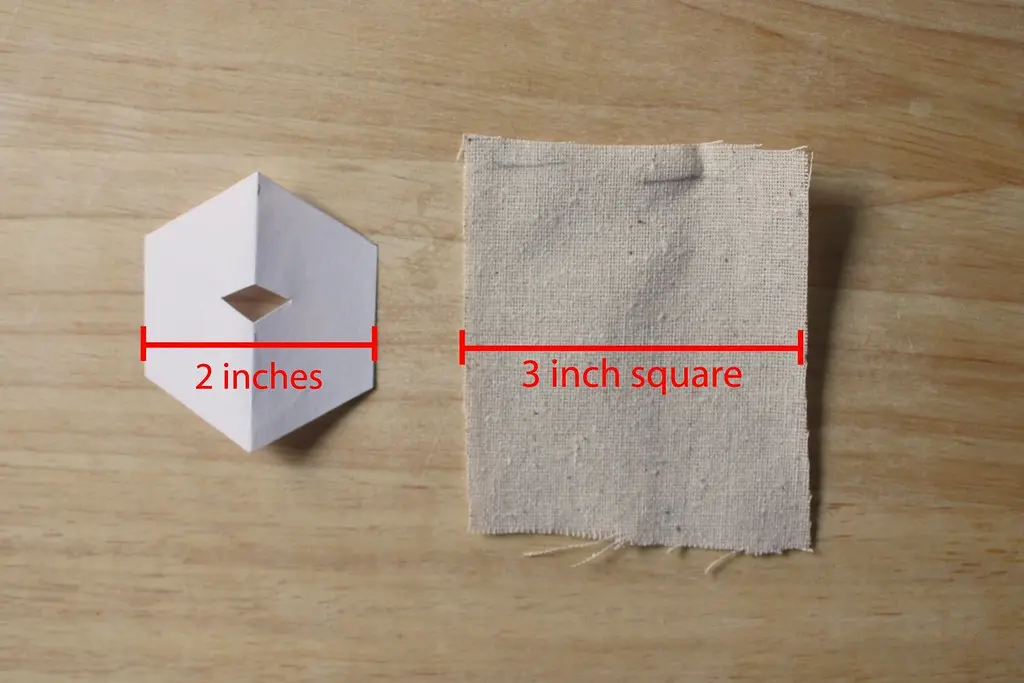
Photo Credit: Internet
Common Mistakes When Choosing Origami Paper
A few habits trip up folders at every skill level, not just beginners.
- Using paper too thick for the model. Check the layer count in a diagram before assuming any paper will work fine.
- Mixing paper sizes in modular projects. Even a small size mismatch between units throws off the final locked shape.
- Skipping a test fold on new paper. Different origami paper types behave differently, so testing a simple fold first saves your good sheets from mistakes.
- Storing paper somewhere humid. Paper that absorbs moisture loses its ability to hold sharp, clean creases.
- Assuming pricier paper is always better. Sometimes basic kami genuinely outperforms fancier paper for a simple, straightforward model.
Frequently Asked Questions
What is the best paper for origami? Kami paper suits beginners best, while washi works well for detailed display pieces and foil-backed paper excels at sharp, pointed modular models.
What are the main types of origami paper? The main types include kami, washi, foil-backed, tissue foil, duo paper, and standard printer paper for practice purposes only.
What is the difference between kami, washi, and foil paper? Kami is smooth and affordable, washi has a textured handmade feel, and foil paper holds extremely sharp, crisp creases and points.
What paper weight is best for detailed models? Lighter paper in the 70 to 85 gsm range works best for detailed models with many folded layers, like traditional cranes.
Can regular printer paper be used for origami? Yes, for practicing basic folds and simple models, though it struggles with complex, multi-layer designs compared to real origami paper.
How does paper size affect folding? Larger paper is easier for beginners to handle, while smaller sizes require more precision, especially once a model has many layers.
Final Thoughts
Picking the right origami paper genuinely changes how a model turns out, sometimes more than the folding itself. Start with kami paper while you're learning, then branch into washi or foil once you know what a specific model actually needs.
Ready to build out the rest of your folding toolkit? Read the full origami guide to see everything else worth adding to your setup.


Leave a Reply