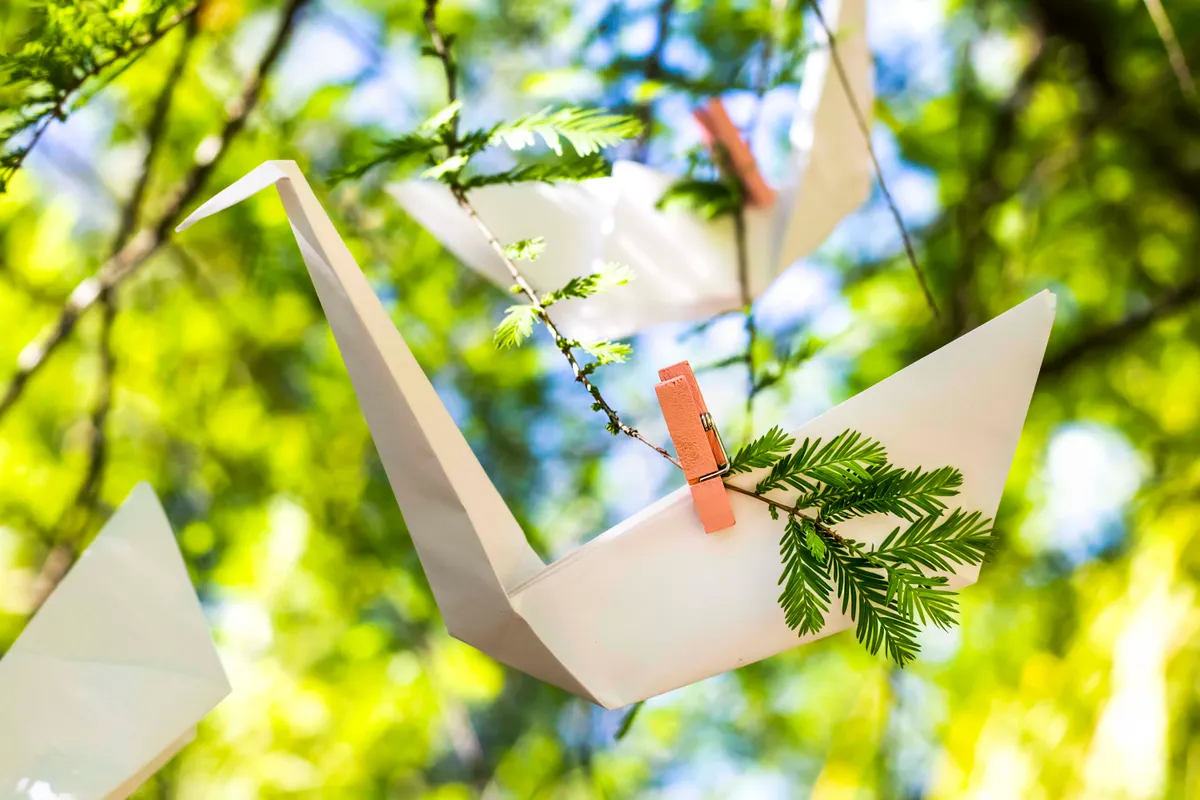
I once handed a stressed-out beginner a diagram for a traditional crane, and watched her give up halfway through step eight. A week later, I handed her a Pureland model instead, and she finished it in ten minutes with a real smile on her face.
That's the entire point of Pureland origami, a style built specifically so beginners don't hit that wall. This guide covers exactly what makes it different, why it exists, and which models are worth trying first.
This article is Part of Origami Techniques Explained, so if you're just getting comfortable with folding in general, this is a great next stop.
What Is Pureland Origami?
Pureland origami is a simplified style that only uses two basic fold types: valley folds and mountain folds. No reverse folds, no petal folds, none of the trickier moves that trip up beginners in traditional models.
The idea is straightforward. By limiting the toolbox to just the simplest folds, every model becomes easier to follow, easier to teach, and much harder to mess up. It strips origami down to its most basic building blocks.
I've folded thousands of sheets over the years, and honestly, Pureland models are still what I hand to complete beginners first. There's something genuinely encouraging about finishing a model without hitting a single confusing step.
Why Was Pureland Origami Developed?
Pureland origami was created by British origami expert John Smith in the 1970s, specifically to help visually impaired folders and complete beginners learn the craft without frustration.
Traditional origami diagrams rely heavily on visual cues, arrows, shading, and precise angles that are hard to follow if you can't see the details clearly or you're brand new to reading diagrams at all. By limiting folds to just two types, Pureland made origami accessible to a much wider range of people.
That original goal still shapes how the style gets used today. It's not just for beginners in a general sense, it's specifically designed to remove barriers that stop people from folding successfully on their first try.
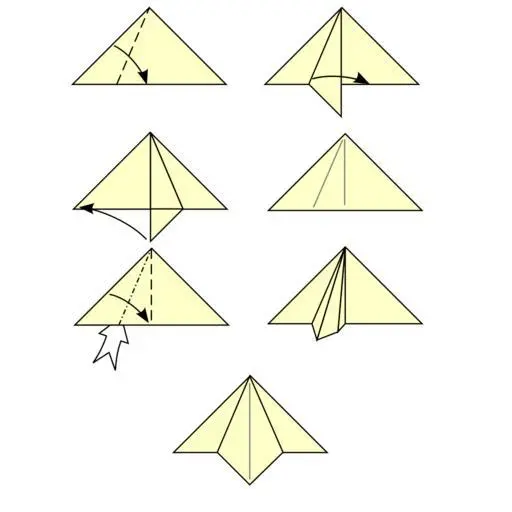
Photo Credit: Internet
What Folding Restrictions Define Pureland Origami?
This is where Pureland gets its structure. The style follows a strict, simple rule set that keeps every model approachable.
Pureland origami rules include:
- Only valley and mountain folds allowed. No reverse folds, squash folds, or petal folds.
- One fold at a time. Each step involves a single, clear action.
- No cutting or gluing. This matches traditional origami's core rule completely.
- Straight fold lines only. Folds run edge to edge or corner to corner, nothing angled or irregular.
- Simple, repeatable steps. Diagrams stay easy to follow from start to finish.
This is really the core pureland origami definition in practice. It's not a separate craft from origami, it's origami with a much shorter list of allowed moves.
For a closer look at how these limited folds get taught in structured lessons, the Pureland Alphabet Folding Technique guide breaks down a popular teaching method built entirely around this style.
How Is Pureland Origami Different From Traditional Origami?
The biggest difference comes down to complexity. Traditional origami uses a wide range of fold types, some of which take real practice to execute cleanly. Pureland strips that down to just two.
Here's a clear comparison of how the two styles stack up.
|
Feature |
Traditional Origami |
Pureland Origami |
|
Fold types allowed |
Many (valley, mountain, reverse, squash, petal) |
Only valley and mountain |
|
Learning curve |
Moderate to steep |
Gentle, beginner-friendly |
|
Model complexity |
Can be very high |
Kept intentionally simple |
|
Best for |
Intermediate to advanced folders |
Complete beginners, visually impaired folders |
|
Diagram difficulty |
Can be visually dense |
Clear, step-by-step, minimal |
For an even deeper side-by-side breakdown, including specific model examples, Pureland Origami vs Traditional Origami covers the comparison in more depth.
Is Pureland Origami Good for Beginners?
Genuinely, yes, and it's often the best possible starting point. Since every fold is either a valley or mountain fold, there's no confusing moment where a diagram assumes you already know a more advanced move.
I've found that beginners who start with Pureland models build confidence faster than those who jump straight into traditional cranes or boxes. That early confidence matters more than people expect. A frustrating first experience is the main reason a lot of beginners quit origami before they really get started.
Photo Credit: Internet
How to Try Your First Pureland Model
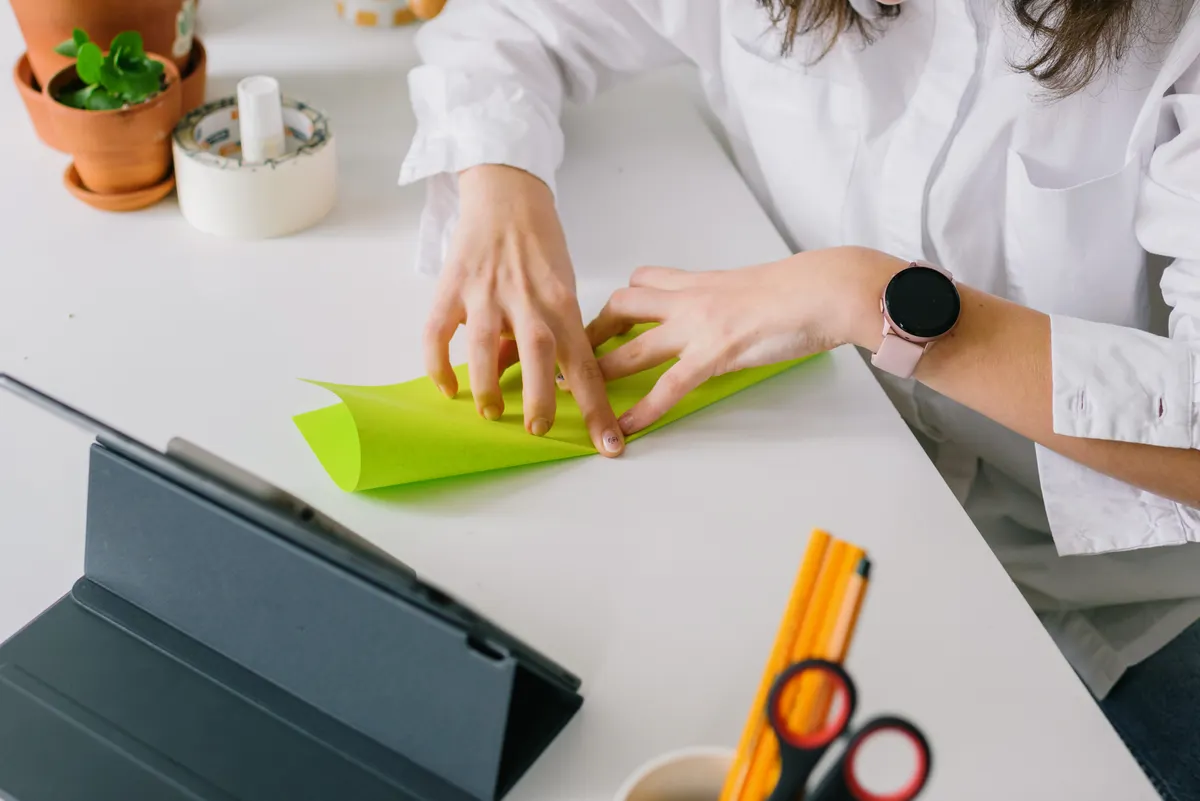
Getting started with this simple fold origami style takes almost no setup beyond regular origami basics.
- Choose a beginner Pureland diagram, ideally one labeled specifically as Pureland or "simple fold only."
- Start with a square sheet of kami paper, six-inch squares work well for most first models.
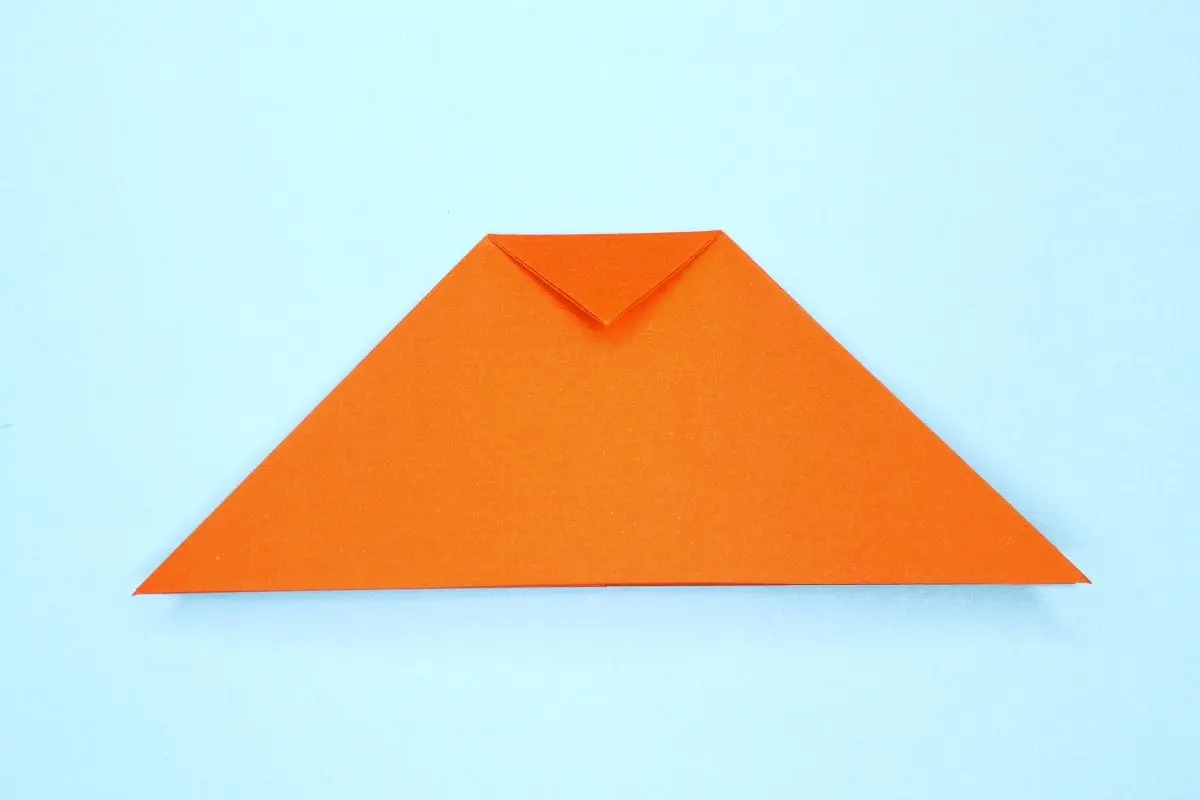
- Fold slowly, checking each valley or mountain fold against the diagram before moving to the next step.
- Press each crease firmly before continuing, since a soft early crease can throw off later steps.
- Finish the full model before evaluating it. Some shapes only make sense once the last fold is complete.
A simple cup, a basic box, or a classic Pureland fish are all great first attempts. Each uses only valley and mountain folds, and each can realistically be finished in under fifteen minutes.
As folders often say, the paper never lies. It only shows you exactly where a fold went wrong.
Pureland makes that lesson easier to learn from, since there are only two fold types to check when something looks off. That narrows down troubleshooting significantly compared to a traditional model with a dozen different fold techniques stacked together.
What Models Are Commonly Folded in Pureland Style?
Plenty of classic beginner shapes fit naturally within Pureland's simple rules. Here are some of the most common ones you'll come across.
- Simple boxes and cups, built entirely from straightforward valley folds
- Basic sailboats, a classic early Pureland project
- Pureland fish, using only a handful of mountain and valley folds
- Envelopes and pockets, practical folds that double as storage
- Simple animal faces, like a basic cat or dog, simplified down to Pureland rules
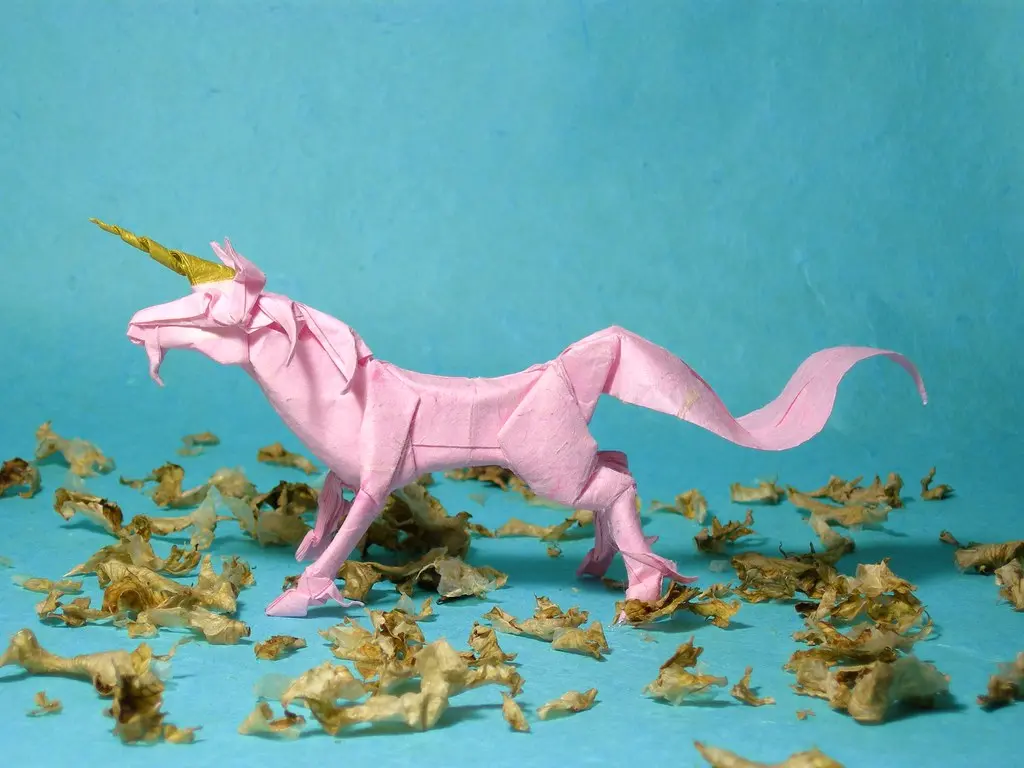
These models won't have the same level of detail as an advanced traditional crane, but that's actually the point. They're built to teach clean folding habits before more complex techniques get introduced.
Photo Credit: Valentin Ivantsov
Common Mistakes When Starting Pureland Origami
A few habits slow beginners down even within this simplified style.
- Rushing through folds because they feel easy. Simple doesn't mean careless. Sloppy pressure still ruins clean results.
- Skipping the diagram's fold-type symbols. Even with just two fold types, mixing them up throws off the model.
- Using paper that's too thick. Even Pureland folds benefit from thin, crisp kami paper that holds a crease well.
- Moving to traditional models too fast. Give yourself a few solid Pureland models before jumping into reverse folds and squash folds.
Frequently Asked Questions
What is Pureland origami? Pureland origami is a simplified style that uses only valley and mountain folds, making it especially easy for beginners to learn.
How is Pureland origami different from traditional origami? Traditional origami uses many fold types, including reverse and squash folds. Pureland limits everything to just two simple, repeatable folds.
What folding restrictions define Pureland origami? Only valley and mountain folds are allowed, with one fold per step and no cutting or gluing, keeping every diagram simple to follow.
Why was Pureland origami developed? It was created by John Smith in the 1970s to help beginners and visually impaired folders learn origami without complex visual diagrams.
Is Pureland origami good for beginners? Yes, it's often considered the ideal starting point, since every fold type is simple and every step builds confidence quickly.
What models are commonly folded in Pureland style? Common models include simple boxes, cups, sailboats, fish, and basic animal faces, all built entirely from valley and mountain folds.
Final Thoughts
Pureland origami isn't a lesser version of the craft, it's a smart starting point built around real teaching principles. Give yourself a few Pureland models before moving on, and you'll carry cleaner folding habits into everything more advanced that comes next.
Once you're ready to explore beyond these simple folds, Read the full origami guide to see where your skills can go from here.


Leave a Reply