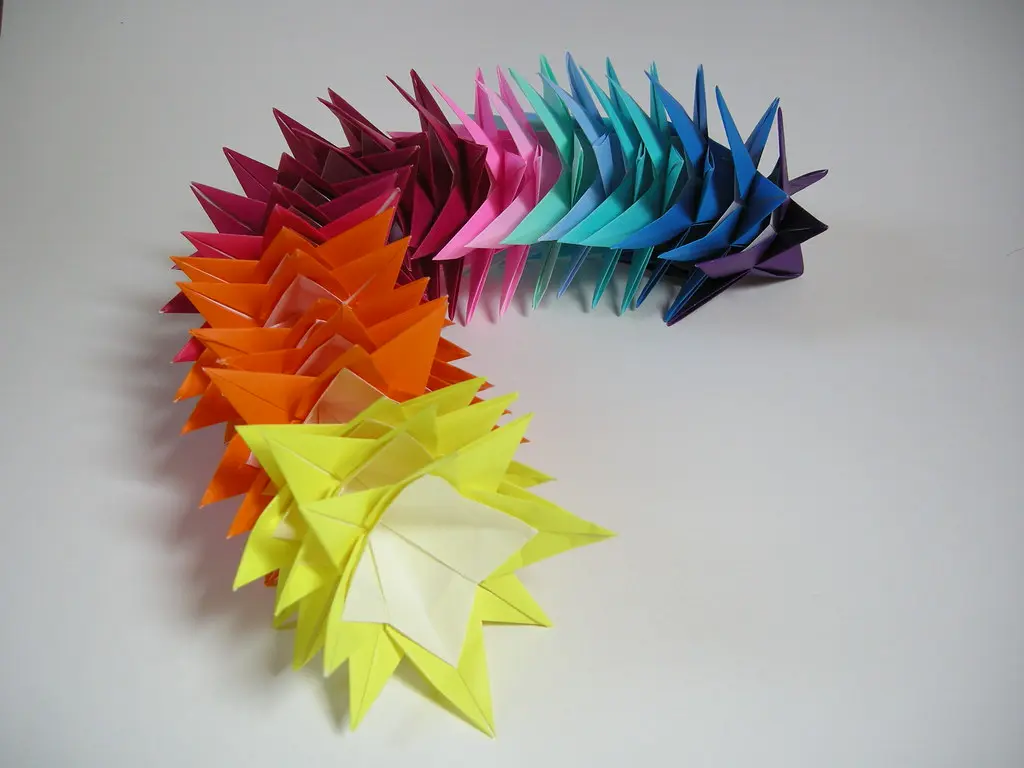
I still have the first pack of paper I ever folded with, a cheap multicolor stack from a craft store bargain bin, and every single sheet in it was kami paper without me even knowing the word yet. If you've ever picked up an origami kit anywhere, you've almost certainly touched this paper too, even if nobody told you its name.
This piece is Part of Origami Materials & Tools Guide, and it covers everything worth knowing about the single most common paper type in the entire hobby, from what it's actually made of to when it's genuinely the wrong choice.
What Is Kami Paper?
Kami paper is the standard, everyday paper most people picture when they think of origami. It's thin, lightweight, and usually colored solid on one side with plain white on the other, which is exactly the look most folded cranes and boxes end up with.
The word kami simply means paper in Japanese, and this specific type earned the name because it became the default paper sold with origami kits and instruction books for decades. It's not a fancy or specialty product. It's the workhorse sheet that most folders, myself included, cut their teeth on.

Photo Credit: Hobby Guidebook Editorial
If you've ever bought a pack labeled standard origami paper at a craft store, there's a very good chance it was kami, whether the packaging used that specific word or not. It's become so common that for a lot of casual folders, it's simply what origami paper means.
What Is Kami Paper Made From?
Kami paper is typically made from wood pulp, similar to standard printer or craft paper, though it's manufactured thinner and often coated lightly on the colored side to give it a smooth, consistent finish. This is different from japanese kami paper traditions that use longer natural fibers, which we'll get into shortly.
The manufacturing process prioritizes consistency and affordability over strength or texture. Every sheet in a standard pack folds almost identically, which is part of why it became the go-to teaching paper, predictability matters a lot when you're learning a new fold.
Because it's wood pulp based rather than fiber based like some traditional Japanese papers, kami doesn't have the same long-fiber strength that lets paper bend and stretch without tearing. It's built for clean, sharp creases on straightforward folds, not for heavy handling or repeated unfolding.
How Is Kami Different From Ordinary Paper?
This question comes up constantly from beginners grabbing whatever's in the printer tray, and the differences matter more than they might expect. Kami is significantly thinner than standard printer paper, usually somewhere in the 60 to 70 gsm range, compared to printer paper's typical 80 gsm or higher.
That thinness is intentional. Thinner paper creases more sharply and doesn't bulk up as much when multiple layers stack together during complex folds, which happens constantly in models like cranes or modular stars. Printer paper, by contrast, gets bulky and stiff fast once you're several folds deep.
Kami also comes pre-cut into perfect squares, which ordinary paper almost never does. That single detail alone saves beginners from one of the most common early frustrations, an uneven base throwing off every fold that follows.
|
Feature |
Kami Paper |
Ordinary Printer Paper |
|
Typical weight |
60 to 70 gsm |
80 gsm or higher |
|
Pre-cut squares |
Yes, standard |
Rarely, needs trimming |
|
Color |
Colored one side, white other |
Usually white both sides |
|
Crease sharpness |
Sharp, crisp folds |
Softer, less defined creases |
|
Cost |
Very affordable |
Cheap but not purpose-built |
Materials and Tools for Working With Kami Paper
Kami is forgiving enough that you don't need much beyond the paper itself, but a few tools make a real difference in how clean your finished folds look.
|
Item |
Purpose |
Notes |
|
Kami paper, assorted colors |
Base material for practice and models |
Buy larger packs for cheaper cost per sheet |
|
Bone folder |
Sharpens creases beyond finger pressure |
Especially helpful on multi-layer folds |
|
Flat, hard surface |
Provides stable pressing area |
A wobbly table softens every crease |
|
Small ruler |
Helps square up trimmed sheets if needed |
Useful if buying non-pre-cut kami |
|
Storage folder or box |
Keeps sheets flat and unwrinkled |
Kami creases easily even before folding starts |
Is Kami Paper Good for Beginners?
Yes, and honestly it's hard to recommend anything else for someone's very first folds. The combination of low cost, pre-cut squares, and reliable crease behavior removes several early obstacles that have nothing to do with actual folding skill.
I've found that beginners who start on kami make faster progress simply because the paper isn't fighting them. It's not slippery, it's not stiff, and it doesn't resist sharp creases the way heavier cardstock sometimes does. That predictability lets new folders focus on learning the actual fold sequences instead of fighting their materials.
The affordability matters more than people expect too. A large pack of kami costs very little, which means mistakes don't feel expensive. Crumpling up a sheet and starting over is a normal, low-stakes part of learning, and kami is priced exactly for that kind of repeated practice.
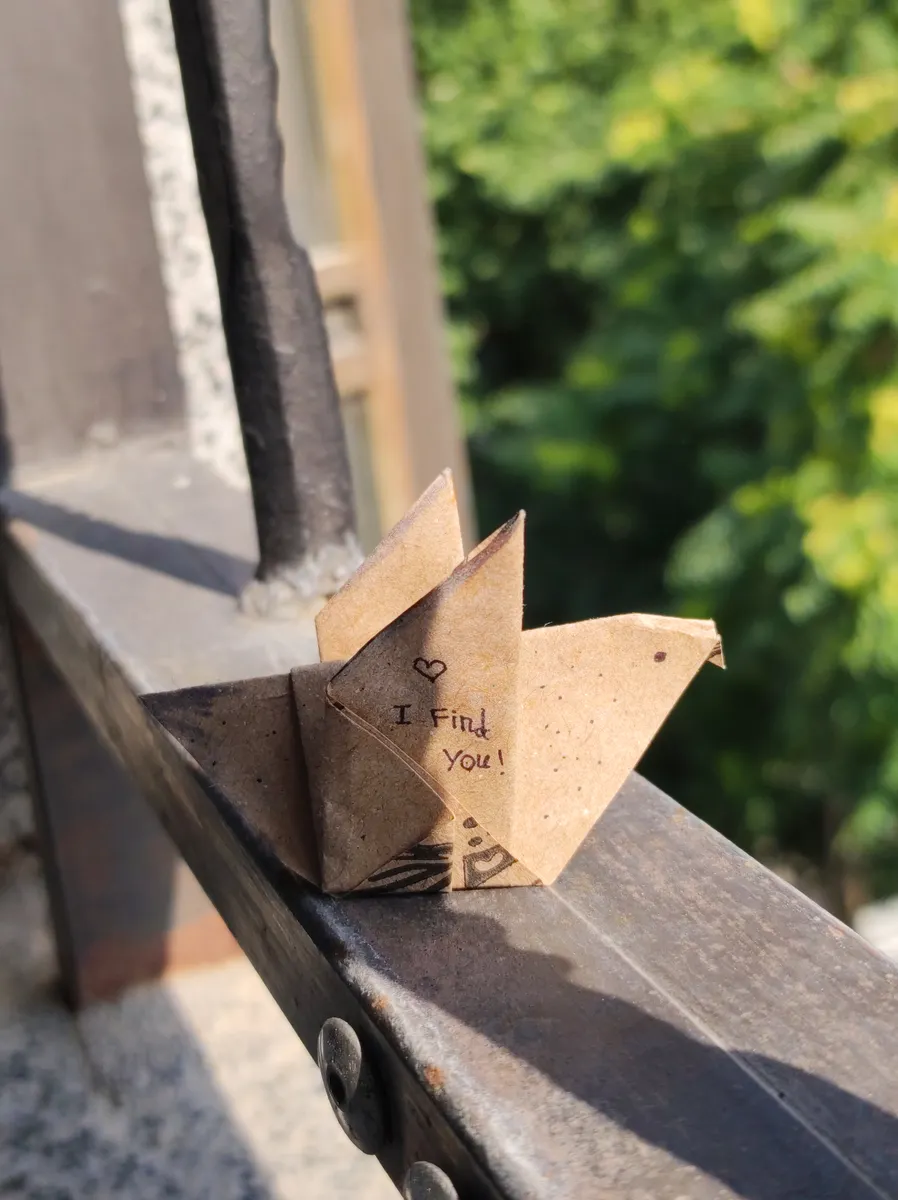
Photo Credit: bahar 𓆰
How to Choose and Prepare Kami Paper, Step by Step
Picking the right pack and prepping your sheets properly makes a noticeable difference once you actually start folding.
- Choose a weight around 60 to 70 gsm if the packaging lists it, since this is the sweet spot for crisp folds without excessive bulk.
- Check that sheets are pre-cut into true squares. Slightly uneven squares throw off symmetrical models more than beginners usually expect.
- Store unused sheets flat, ideally in a folder or box, since kami wrinkles easily if left loose in a bag or drawer.
- Handle sheets by the edges when pulling them from a pack, since the thin material can crease accidentally from careless handling.
- Test one sheet with a simple base fold before starting a full model, just to get a feel for how that specific batch's paper responds.
- Keep a bone folder nearby while working, especially for models with several layers stacking in one spot.
What Sizes and Colors Does Kami Paper Commonly Come In?
Kami is sold in a wide range of sizes, though a few standard measurements dominate most packs. Six inch squares are probably the most common size for general practice and traditional models, with three inch squares popular for smaller projects and fifteen centimeter squares showing up often in packs imported from Japan.
Color-wise, kami typically comes solid on one side and plain white on the other, sold in large multicolor packs covering the full range from bright primaries to softer pastels. Some packs also include simple printed patterns on the colored side, though solid colors remain the standard default most folders reach for first.
If you're specifically hunting for a wider color range or particular size, Where to Buy Origami Paper covers reliable sources that stock kami in bulk packs, which usually works out far cheaper per sheet than buying small individual packages.
When Is Kami a Poor Choice for an Origami Model?
Kami's thinness, its biggest strength for beginner folds, becomes a real limitation once a model demands more from the paper than simple, sharp creases. Wet-folding techniques, which rely on dampened paper holding a sculpted curve, don't work well with kami at all, since it lacks the fiber strength to handle moisture without tearing or going limp.
Complex modular models with many locking layers can also push kami past its comfort zone. The thinness that helps with simple folds becomes a weakness when a design needs the paper to hold tension across dozens of interlocked units, and kami sometimes tears right at a stress point under that kind of repeated pressure.
A folding instructor I studied under used to say that kami is honest paper, it does exactly what you ask and nothing more. That's a strength for learning and a limitation the moment a model asks for more.
For projects that need extra durability, texture, or the ability to handle dampened folding, japanese kami paper's traditional cousin is worth a look. Washi Paper for Origami covers a fiber-based alternative that holds up far better under those more demanding techniques.
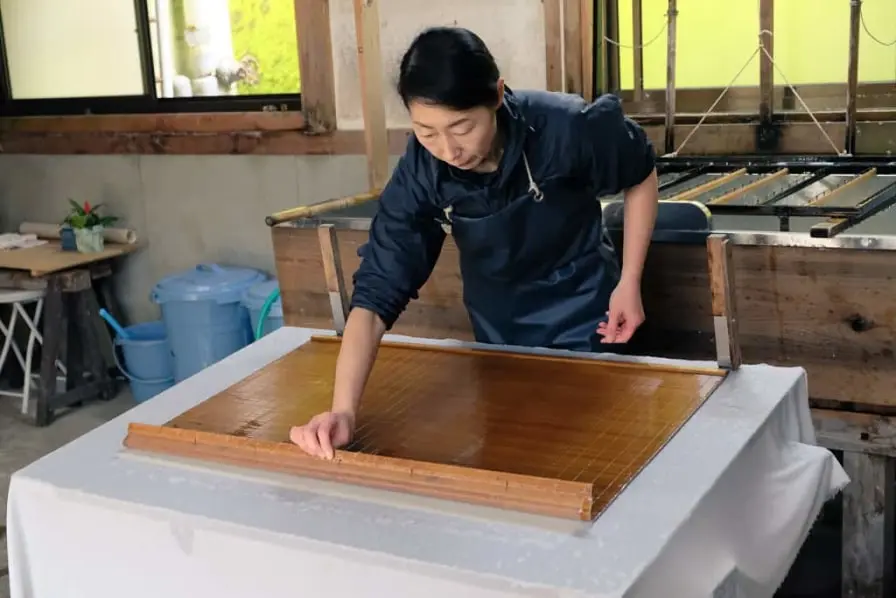
Photo Credit: Internet
Pro Tips for Working With Kami Paper
- Buy larger multicolor packs rather than small single-color ones, since the cost per sheet drops significantly and gives you more room to practice without worrying about running out.
- Keep sheets away from damp environments. Kami absorbs moisture quickly and loses its crisp fold quality if it's been sitting somewhere humid.
- Watch for paper cuts on thinner sheets. Kami's thin edges can nick fingers surprisingly easily during repeated handling, so keep movements smooth rather than sliding fingers quickly along a fresh edge.
- Don't force multi-layer folds. If a model is bulking up faster than expected, kami may not be the right weight for that particular design.
- Save torn or crumpled sheets for practice. Imperfect kami is still perfectly good for rehearsing a new fold sequence before committing a fresh sheet.
Comparing Kami Paper to Other Common Origami Papers
|
Feature |
Kami Paper |
Washi Paper |
Foil-Backed Paper |
|
Material base |
Wood pulp |
Natural plant fiber |
Paper with metallic foil layer |
|
Best for |
Beginner folds, standard models |
Wet-folding, sculptural work |
Sharp, complex geometric folds |
|
Durability |
Moderate |
High |
Moderate, foil can crack |
|
Cost |
Very affordable |
Higher |
Moderate to higher |
|
Beginner friendly |
Yes, ideal starting point |
Better for intermediate techniques |
Mixed, depends on model |
Frequently Asked Questions
What is kami paper? Kami paper is the standard, lightweight paper most commonly used for origami, typically colored on one side and white on the other, sold pre-cut into squares.
What is kami paper made from? Kami is usually made from wood pulp, manufactured thin and lightly coated for smooth, consistent folding, unlike traditional fiber-based Japanese papers.
How is kami different from ordinary paper? Kami is thinner than standard printer paper, comes pre-cut into true squares, and creases more sharply, making it far better suited for folding than everyday paper.
Is kami paper good for beginners? Yes, its low cost, pre-cut squares, and predictable folding behavior make it one of the best starting papers for anyone new to origami.
What sizes and colors does kami paper commonly come in? Common sizes include six inch, three inch, and fifteen centimeter squares. It typically comes in large multicolor packs with solid colors on one side and white on the other.
When is kami a poor choice for an origami model? Kami struggles with wet-folding techniques and complex modular models needing many stacked layers, since its thinness limits durability under moisture or repeated stress.
Final Thoughts
Kami paper earned its place as the default origami paper for good reason, it's affordable, predictable, and forgiving enough to let beginners focus on learning folds instead of fighting their materials. Once you outgrow its limits on more demanding projects, knowing when to reach for something sturdier makes every model that much stronger.
If you're ready to explore the rest of what goes into a well-stocked folding kit, Read the full origami guide for everything from paper choices to techniques across every skill level.





Leave a Reply