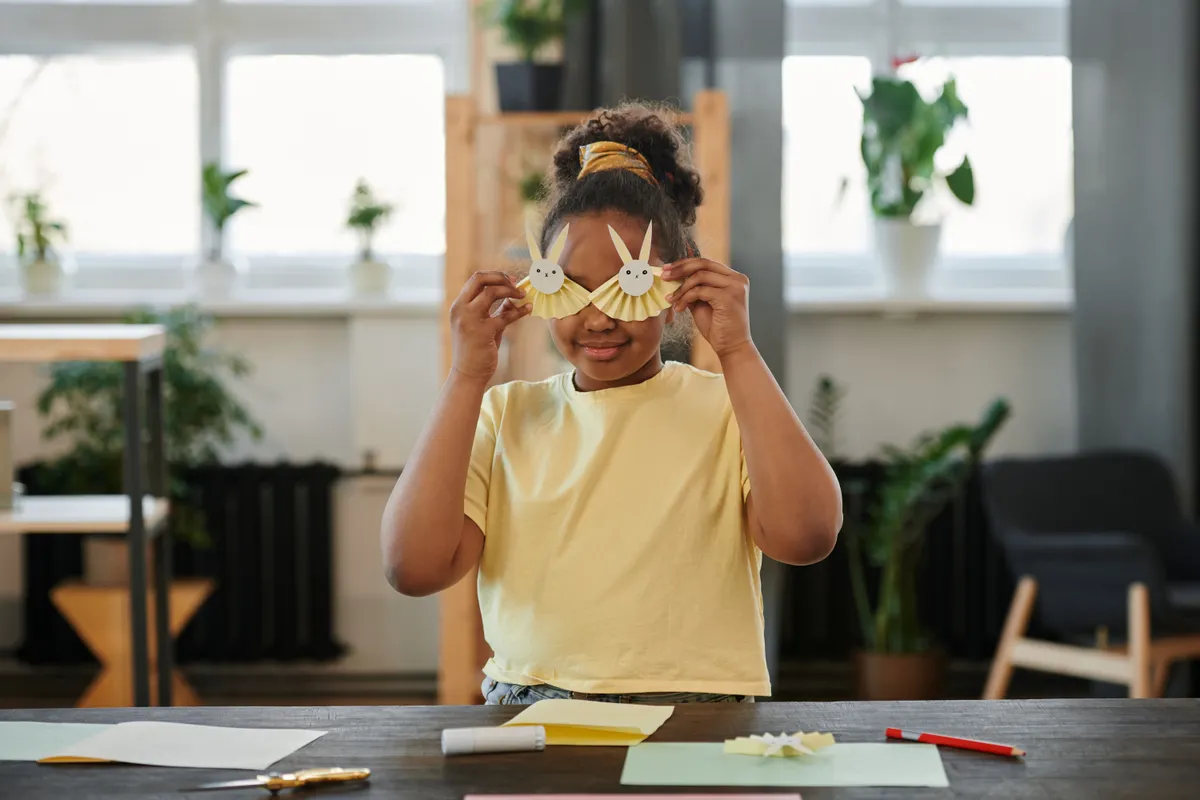
My niece once spent an entire rainy Saturday making paper chains so long we had to loop them around the whole living room twice, and she was prouder of that chain than anything she'd unwrapped that Christmas. Paper craft projects for kids don't need fancy tools or complicated steps to hold a child's attention, sometimes the simplest fold is the one that sticks with them.
Paper crafting also happens to be one of the safest, cheapest hobbies to hand a child, especially with the right supplies and a little guidance. This article is Part of Paper Craft Project Ideas for Every Skill Level, so once you know which projects fit your child's age, getting started takes almost no setup at all.
Why Paper Crafting Works So Well for Kids
Paper crafting checks a lot of boxes parents look for in a kid's activity. It's cheap, it's mess-friendly compared to paint, and it keeps small hands busy without needing a screen anywhere nearby.
Paper craft projects for kids also build real skills without feeling like a lesson. Cutting along a line strengthens fine motor control, folding teaches patience, and finishing a project builds a small but genuine sense of pride.
I've handed paper and safety scissors to kids as young as four, and the results are never neat, but they're always proud of what they made. That pride matters more than precision at this stage, and the skills sharpen naturally with repetition.
What Age Can Kids Start Paper Crafting
Most kids can start some form of paper crafting by around age three, though the type of project should match their current skill level closely.
|
Age Range |
Suitable Activities |
|
2 to 3 years |
Tearing paper, simple gluing, no scissors yet |
|
4 to 5 years |
Safety scissors, simple folds, basic shapes |
|
6 to 8 years |
Cutting along lines, layered projects, simple 3D crafts |
|
9 and up |
Craft knives with supervision, detailed folds, small punches |
Younger kids do best with tearing and gluing, since scissors control takes real practice to develop safely. By around age six, most children can handle simple scissor cuts along a printed line with reasonable accuracy.
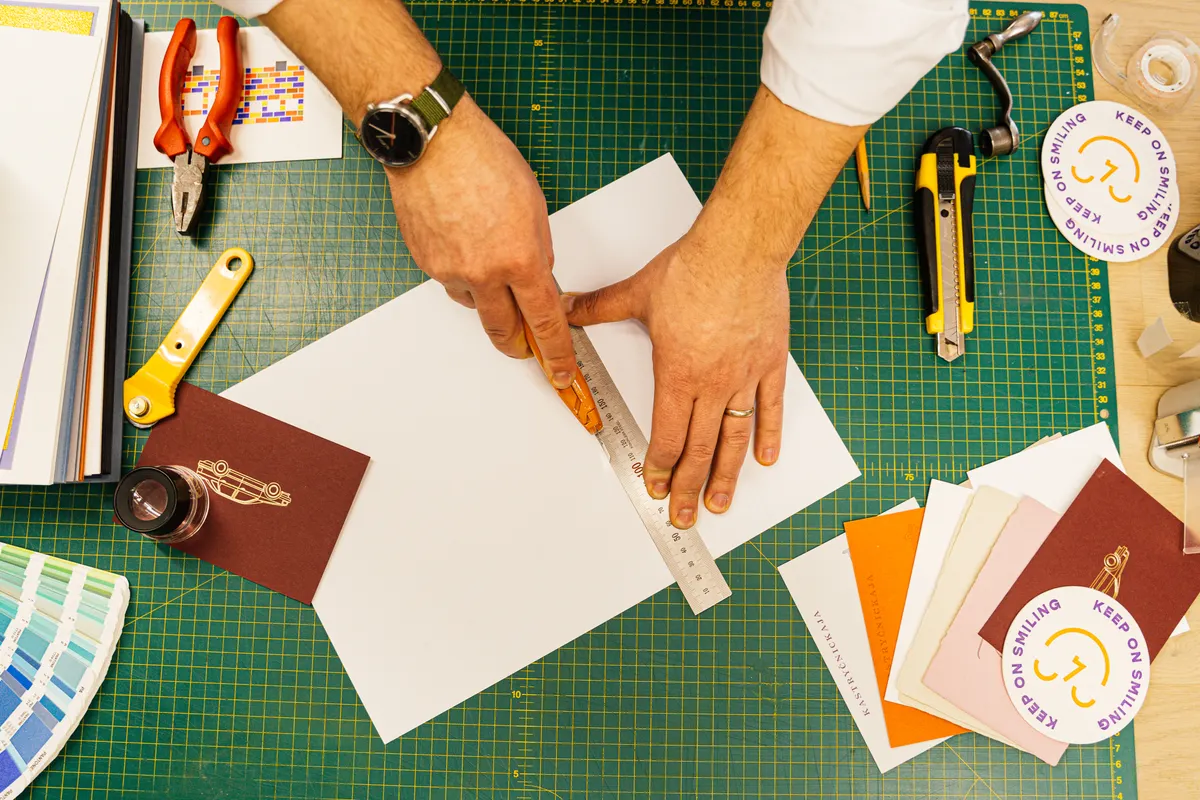
Craft knives should stay off limits until kids are older and only used with direct adult supervision, since blades that sharp genuinely need respect and control most young children haven't developed yet.
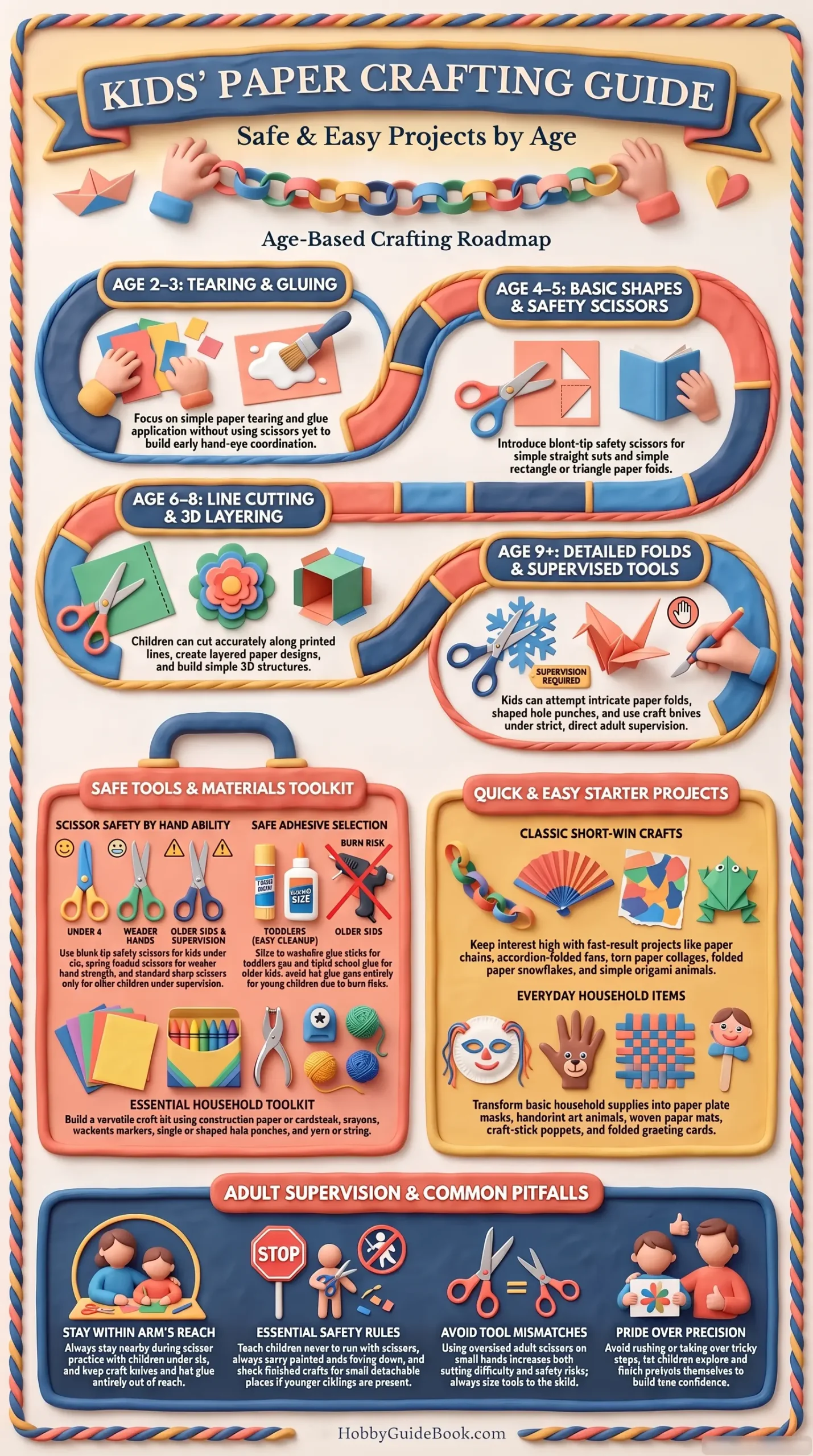
Photo Credit: Hobby Guidebook Editorial
Basic Materials for Kid-Friendly Paper Crafts
A kid's paper craft toolkit should stay simple, safe, and easy to clean up.
|
Material |
Purpose |
|
Construction paper or cardstock |
Main crafting material, sturdy and colorful |
|
Safety scissors (blunt tip) |
Cutting shapes without sharp points |
|
Washable glue stick |
Mess-free adhesive for young hands |
|
Crayons or washable markers |
Decorating finished projects |
|
Hole punch (single or shaped) |
Adding decorative holes or attaching pieces |
|
Yarn or string |
Hanging finished crafts or threading projects |
Blunt tip safety scissors matter more than any other item on this list. They cut paper just fine but won't cause harm if a child accidentally points them at themselves or a sibling mid-project.
What Paper Crafts Are Safe and Easy for Kids
A handful of classic projects work well across a wide age range and need almost nothing beyond basic supplies.
- Paper chains, cutting strips of construction paper and looping them into a connected chain with glue or tape.
- Folded paper fans, accordion-folding a rectangle of paper and securing one end for a simple handheld fan.
- Simple origami animals, starting with basic shapes like a folded fish or boat that only need a few folds.
- Torn paper collages, tearing colored paper into pieces and gluing them onto a background to form a picture.
- Paper snowflakes, folding a square of paper and cutting small shapes along the folded edges before unfolding.
These simple paper crafts for children work well because each step is short and the results show up fast. Kids lose interest quickly with long, multi-step projects, so short wins matter more than complexity at this age.
For slightly older kids ready to try more involved techniques, Beginner Paper Craft Projects offers a wider range of starting projects that work well as a next step once basic cutting and folding feel comfortable.
Which Paper Crafts Can Children Make With Basic Supplies
Some of the most memorable kid projects use only what most households already have on hand.
- Paper plate masks, cutting eye holes and decorating with crayons, yarn, or glued paper cutouts.
- Handprint art, tracing a hand on colored paper and turning the shape into an animal or flower design.
- Woven paper mats, cutting slits in one sheet and weaving strips of another color through them.
- Paper puppets, cutting simple character shapes and attaching them to a craft stick or straw.
- Greeting cards, folding cardstock and decorating it with crayons, stickers, or simple cutouts for a family member.
These kid-friendly paper crafts require no special tools beyond scissors, glue, and paper you likely already have at home. That accessibility is part of why paper crafting works so well as a rainy day activity or a quick classroom project.
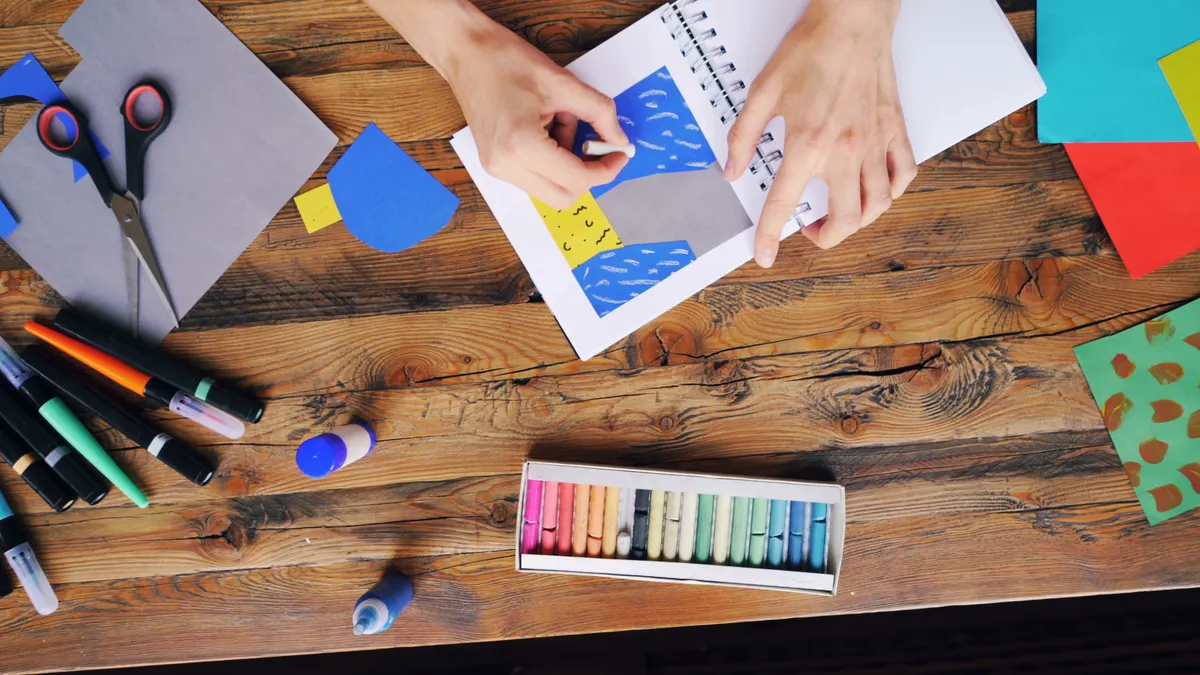
Photo Credit: Vitaly Gariev
What Scissors and Adhesives Are Safest for Kids
Choosing the right scissors and glue matters more for safety than most parents realize until something goes wrong mid-project.
Safest scissors options:
- Blunt tip safety scissors for kids under six
- Spring-loaded scissors for kids with weaker hand strength
- Standard sharp scissors only for older kids under supervision
Safest adhesive options:
- Washable glue sticks for younger kids, since they wipe off skin and most fabrics easily
- Liquid school glue for slightly older kids who can control the amount used
- Avoid hot glue guns entirely for children under supervision age, since the tip and glue itself can cause burns
The right tool for a child isn't the one that works fastest. It's the one that lets them finish the project safely and still feel proud of what they made.
I've watched kids struggle far more with adult scissors than safety scissors, not because they're less capable, but because adult scissors simply aren't built for smaller hands. The right sized tool makes a bigger difference than most people expect.
How Can Adults Supervise Paper Crafts Safely
Supervision needs shift depending on a child's age and the tools involved in a given project.
- Stay within arm's reach during scissor use, especially for kids under six who are still building coordination.
- Set clear rules about walking with scissors, teaching kids to keep points down and never run while holding them.
- Keep craft knives entirely out of reach, using them only yourself for any steps a project genuinely requires.
- Supervise glue use for younger kids, watching for excessive amounts that could cause a mess or minor skin irritation.
- Check finished projects for small detachable pieces, especially for crafts involving younger siblings who might put things in their mouths.
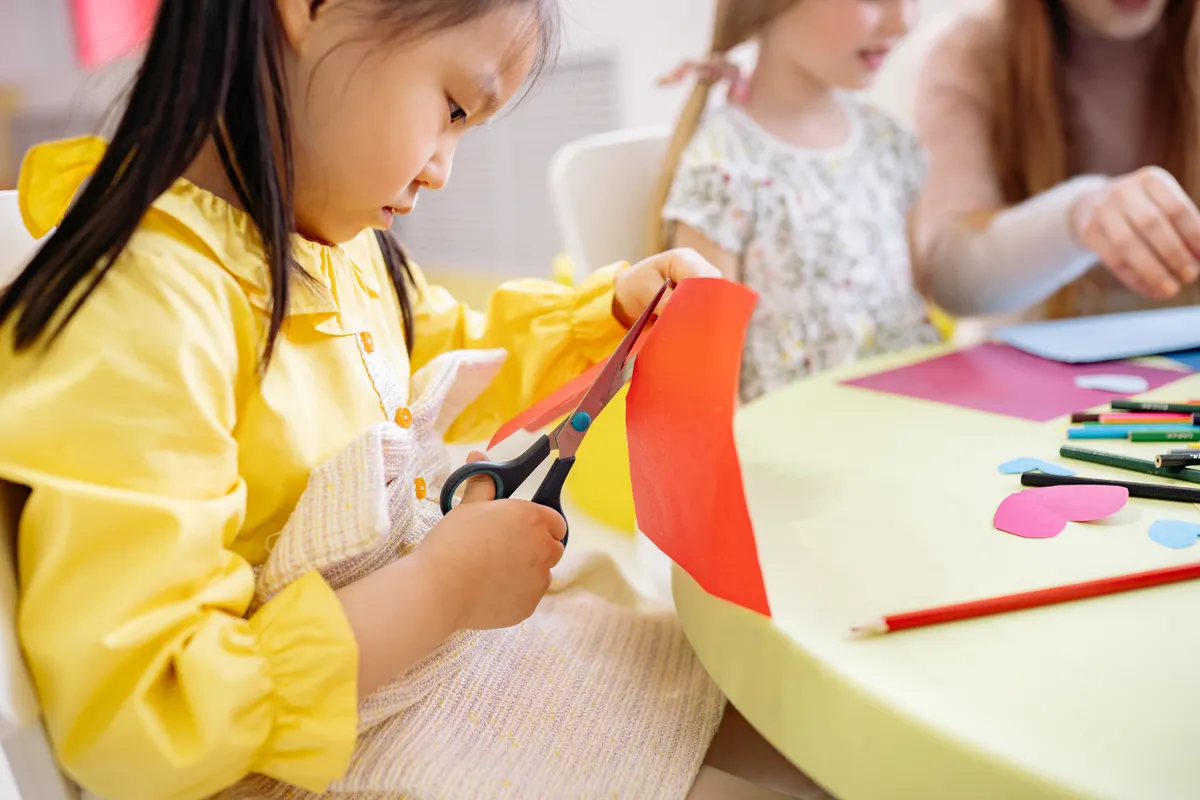
Photo Credit: Yan Krukau
Paper crafting is genuinely one of the safer hobbies to introduce kids to, but a few basic precautions go a long way. Simple habits, like keeping sharp tools out of reach and staying nearby during scissor use, prevent almost every common mishap before it happens.
Common Mistakes to Avoid With Kids' Paper Crafts
A few habits tend to cause frustration or safety issues when adults set up paper projects for children.
- Choosing projects above a child's skill level, leading to frustration instead of the intended fun.
- Using adult scissors for young children, increasing both safety risk and cutting difficulty.
- Skipping a practice run yourself first, missing tricky steps that could confuse or frustrate a child mid-project.
- Leaving craft knives or hot glue guns accessible, even briefly, during a supervised session.
- Rushing the project instead of letting kids explore, taking over steps that a child could manage with a bit more patience.
Paper crafting also offers real developmental value beyond simple entertainment. Is Paper Crafting Good for Kids? looks closer at the specific skills, like fine motor control and patience, that these projects tend to build over time.
FAQ
What paper crafts are safe and easy for kids? Paper chains, folded fans, simple origami shapes, torn paper collages, and paper snowflakes are all safe, simple projects using basic supplies.
What age can kids start paper crafting? Most kids can start tearing and gluing paper around age three, with safety scissors introduced around age four to six depending on the child.
Which paper crafts can children make with basic supplies? Paper plate masks, handprint art, woven paper mats, puppets, and greeting cards all use supplies most households already have on hand.
What scissors and adhesives are safest for kids? Blunt tip safety scissors and washable glue sticks are safest for younger children, while hot glue guns should stay out of reach until supervised use is appropriate.
How can adults supervise paper crafts safely? Stay within arm's reach during scissor use, keep sharp tools like craft knives out of children's hands entirely, and check finished projects for small detachable pieces.
Final Thoughts
Paper craft projects for kids offer an easy, affordable way to build real skills while keeping little hands busy and proud of what they've made. Start simple, stay nearby during cutting, and let their confidence grow project by project.
Read the full paper crafts guide for a wider look at techniques and projects across every paper craft.



Leave a Reply