
The first time I folded a lily out of washi paper, I actually stopped halfway through just to run my finger over the texture, something plain kami paper had never made me want to do. That small moment is exactly why washi paper origami models tend to look and feel different from anything folded on standard paper.
This guide covers what washi paper actually is, how it compares to kami, and which models genuinely benefit from using it.
This article is Part of Origami Materials & Tools Guide, so if you're still building out your paper collection, this is a good stop along the way.
What Is Washi Paper?
Washi is a traditional Japanese paper made from the fibers of specific plants, most commonly the kozo, or mulberry, plant. Unlike mass-produced paper made from wood pulp, washi is often crafted using techniques passed down for generations, which gives it a noticeably different look and feel compared to standard paper.
This isn't a recent craft invention either. Traditional Japanese washi has been made for well over a thousand years, originally for documents, screens, and clothing before it ever became a favorite among origami folders.
I've folded thousands of sheets over the years, and washi remains one of the papers I reach for whenever a model deserves a little extra polish. It's not an everyday paper for me, but for the right project, nothing else quite matches it.

Photo Credit: Hobby Guidebook Editorial
How Is Washi Different From Kami Paper?
This comparison comes up constantly, since both papers are popular choices and beginners often aren't sure which one to reach for first.
|
Feature |
Kami Paper |
Washi Paper |
|
Material |
Wood pulp, machine-made |
Plant fiber, often handmade |
|
Texture |
Smooth, uniform |
Slightly textured, fibrous |
|
Color |
Usually solid, one side colored |
Often patterned or textured throughout |
|
Strength |
Good for basic folding |
Stronger relative to its thinness |
|
Price |
Budget-friendly |
Noticeably more expensive |
|
Best use |
Practice, beginner models |
Detailed, display-worthy models |
Kami paper is what most folders learn on, and for good reason. It's affordable, widely available, and forgiving enough to survive plenty of mistakes while you're still building basic skills. If you want a closer look at that paper specifically, Kami Paper Explained covers everything from sizing to where to find it.
Washi, on the other hand, tends to show up once a folder wants a model to genuinely stand out, whether that's for a gift, a display piece, or just a project worth slowing down for.
Why Is Washi Used for Origami?
A few real qualities explain why folders reach for washi specifically, beyond just tradition or appearance.
Strength relative to thinness. Because washi fibers run long and interlock naturally during the papermaking process, the paper holds together well even when folded extremely thin. This lets it handle detailed work that would tear cheaper paper apart.
Texture and visual depth. The slightly fibrous surface catches light differently than smooth kami paper, giving finished models a more organic, handcrafted look. Flowers especially benefit from this, since the texture mimics real petal surfaces in a way flat paper never quite manages.
A connection to origami's roots. Since origami itself developed in Japan alongside washi papermaking, using this paper for certain traditional models feels like a natural pairing rather than just a style choice.
That said, washi isn't automatically the right choice for every project. Its texture and slight variation in thickness can actually work against you on models that need perfectly sharp, uniform creases throughout.

Photo Credit: furkanfdemir
Is Washi Paper Strong Enough for Detailed Models?
Yes, generally more so than folders expect before trying it. The long plant fibers in washi give it real tensile strength, meaning it resists tearing even when folded through many layers.
That strength makes washi a solid choice for models involving reverse folds, sink folds, or other techniques that put real stress on the paper at specific points. I've had cheap kami paper tear at exactly those stress points before, something washi handles noticeably better in my experience.
Situations where washi holds up particularly well:
- Multi-layer traditional models like cranes and complex birds
- Flowers and petals where texture adds to the final look
- Wet-folding projects, since washi tolerates light moisture better than standard paper
- Display pieces meant to last and be handled repeatedly
Is Washi Paper Expensive Compared With Kami?
Yes, noticeably so. Washi paper typically costs several times more per sheet than standard kami, largely because of the more involved, often partially handmade production process behind it.
That price difference makes sense once you understand what you're actually paying for. Kami paper is mass-produced on a large scale, keeping costs low, while quality washi often involves smaller-batch production and higher-grade plant fiber sourcing.
A practical way to think about the cost:
- Use kami paper for practicing new folds or techniques
- Save washi for final versions of models you already know how to fold confidently
- Buy washi in small packs first, rather than bulk, until you know which types you prefer
This approach keeps costs reasonable while still letting you enjoy washi's benefits where they matter most, on finished pieces rather than practice attempts.
What Types of Origami Work Well With Washi?
Certain models genuinely shine when folded from washi rather than standard paper. Here's where I'd point beginners looking to try washi for the first time.
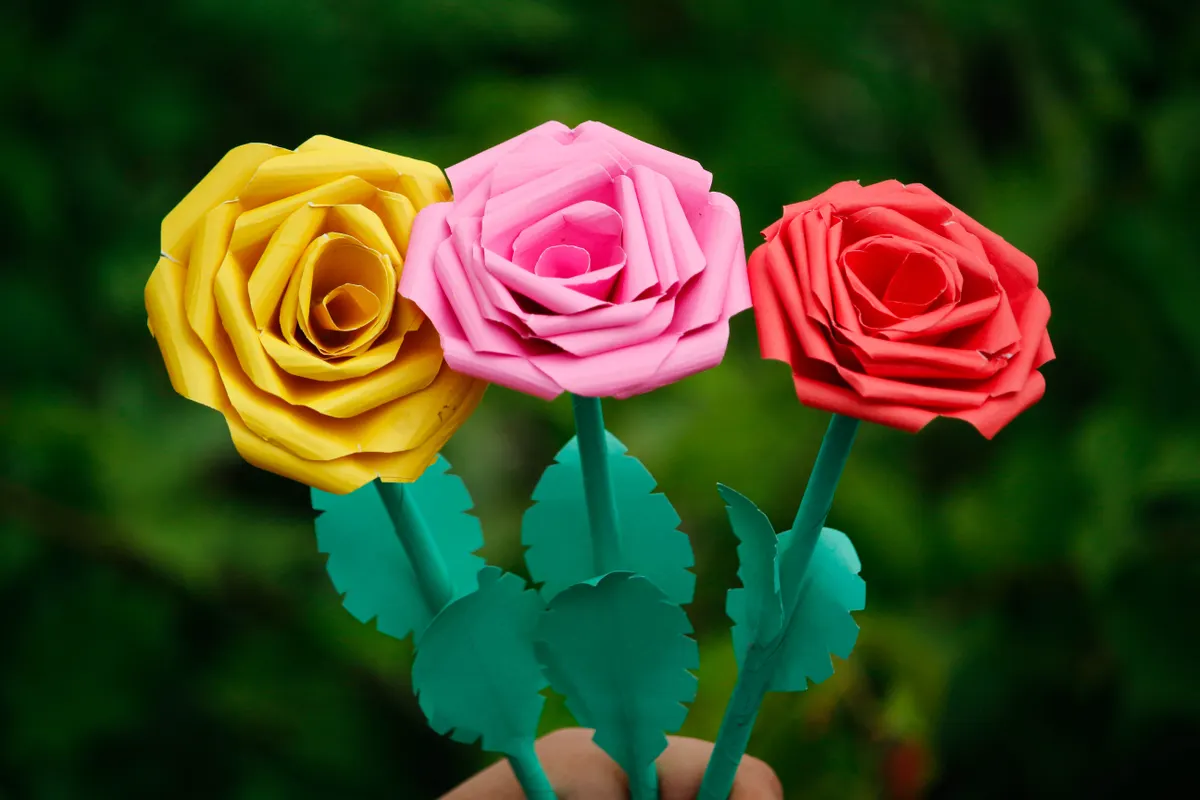
Traditional flowers. Lilies, irises, and similar models benefit enormously from washi's texture, which mimics natural petal surfaces far better than smooth kami ever could.
Classic display models. Cranes, boxes, and other traditional figures meant for gifting or display look noticeably more refined when folded from a nice washi sheet instead of standard paper.
Wet-folded sculptures. Since washi handles light moisture well, it's a strong choice for wet-folding techniques used on rounder, more sculptural animal models.
For models needing extremely sharp, angular points instead of texture and softness, foil-backed paper is usually the better call. The Foil Paper for Origami guide covers that paper in detail if crisp modular points are what your next project needs.

Photo Credit: bahar 𓆰
How to Choose the Right Washi Paper
Washi comes in a range of thicknesses and finishes, so a little guidance helps when you're shopping for your first pack.
|
Washi Type |
Texture |
Best For |
|
Plain kozo washi |
Light texture, subtle fiber lines |
General detailed models |
|
Patterned washi |
Printed or dyed designs |
Display pieces, gifts |
|
Chiyogami washi |
Bold traditional patterns |
Boxes, decorative folds |
|
Thin tissue washi |
Very delicate, soft |
Wet-folding, fine sculptural work |
A few practical buying tips:
- Start with a small mixed pack rather than committing to one large batch
- Check the listed weight if available, since washi thickness varies more than kami does
- Handle a sample sheet before buying in bulk, since texture varies significantly between suppliers
Common Mistakes When Working With Washi
A few habits trip up folders trying washi for the first time.
- Treating it exactly like kami paper. Washi's slight texture means creases sometimes need a touch more pressure to set cleanly.
- Using it before practicing the fold. Since washi costs more, always practice a new technique on kami first, then switch to washi for the final version.
- Storing it somewhere humid. Washi absorbs moisture more readily than standard paper, which can soften fibers and weaken sharp creases over time.
- Assuming all washi is the same thickness. Washi paper uses in origami vary widely depending on type, so check thickness before assuming a sheet will behave like ones you've used before.
As folders often say, the paper never lies. It only shows you exactly where a fold went wrong.
With washi, that usually means a crease that looks slightly soft, a sign to press a bit firmer next time rather than assuming the paper itself was flawed.
Frequently Asked Questions
What is washi paper? Washi is a traditional Japanese paper made from plant fibers, often produced using techniques passed down for generations.
How is washi different from kami paper? Washi has a textured, fibrous feel and is often handmade, while kami is smooth, machine-made, and more budget-friendly.
Why is washi used for origami? Its fiber strength, unique texture, and connection to origami's Japanese roots make it a favorite for detailed and traditional models.
Is washi paper strong enough for detailed models? Yes, its long plant fibers give it real strength, making it well-suited for multi-layer folds and models under real structural stress.
Is washi paper expensive compared with kami? Yes, washi typically costs several times more per sheet due to its more involved, often partially handmade production process.
What types of origami work well with washi? Traditional flowers, classic display models like cranes, and wet-folded sculptures all benefit from washi's texture and strength.
Final Thoughts
Washi paper brings a texture and character to finished models that plain paper simply can't match. Save it for pieces you already know how to fold well, and let that extra bit of craftsmanship show in the final result.
Curious what other paper options might suit your next project? Read the full origami guide to explore the rest of your folding toolkit.





Leave a Reply