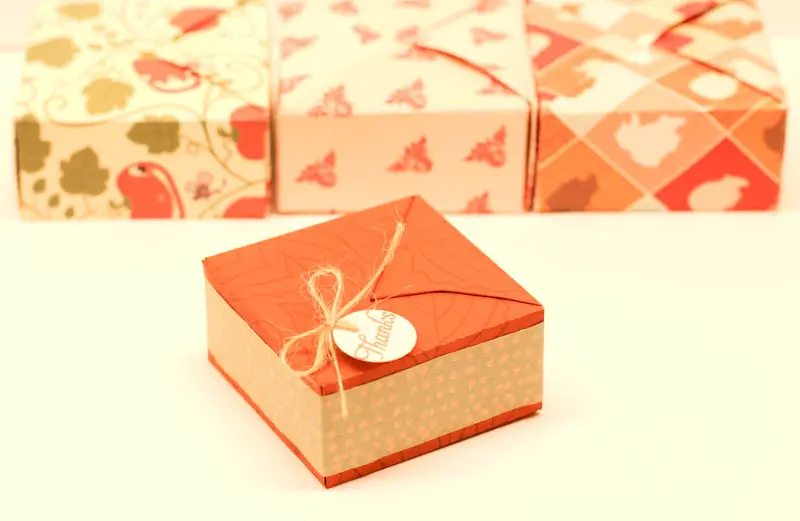
I once wrapped a coworker's birthday gift in plain brown paper topped with a single folded paper crane instead of a bow, and it's still the only gift wrapping from that office anyone remembers years later. That's the real appeal of origami gift ideas, they turn an ordinary present into something that feels genuinely handmade without costing much or taking all weekend to pull off.
This guide covers which folded models work best as gifts, how to use origami to decorate wrapping itself, and which paper choices hold up for gift-focused projects specifically.
This article is Part of Origami Project Ideas for Every Skill Level, so once you've picked a model here, there's a full range of other projects worth exploring too.
Why Origami Makes Such Good Gift Material
Handmade gifts carry a different kind of weight than store-bought ones, and folded paper sits right in that sweet spot between effort and simplicity. A folded flower or small box takes real time and care to make, but it doesn't require expensive materials or specialized tools most people don't already own.
There's also something genuinely durable about it. Unlike a card that gets read once and set aside, a folded piece can sit on a shelf or desk for years afterward, which is exactly why so many people keep folded gifts long after the occasion has passed.
I've folded thousands of sheets over the years, and gift folding remains one of my favorite categories precisely because the recipient usually has no idea how simple the actual technique was. A model that takes you fifteen minutes can look like it took an entire afternoon.

Photo Credit: Hobby Guidebook Editorial
What Materials Work Best for Origami Gifts?
Gift-focused folding benefits from slightly different paper choices than everyday practice folding, mostly because appearance matters more here than usual.
|
Material |
Why It Works |
Best For |
|
Kami paper |
Wide color range, crisp folds |
Simple gift toppers, small models |
|
Double-sided paper |
Clean look from every angle |
Flowers, boxes with visible interiors |
|
Metallic or foil paper |
Adds a polished, formal look |
Weddings, special occasion gifts |
|
Washi paper |
Textured, elegant finish |
Keepsake boxes, display pieces |
|
Cardstock |
Sturdier structure, holds shape |
Boxes meant to actually hold small items |
Notice glue and tape aren't on this list. True origami avoids both, though many gift folders do add a small dab of glue purely to secure a ribbon or tag onto a finished piece, which is a separate step from the fold itself.
What Origami Models Make Good Gifts?
Not every folded shape translates well into a gift, but a handful of models consistently show up as favorites for good reason.
Popular models for handmade origami gifts:
- Origami crane, a symbol of luck and good wishes in many traditions, making it meaningful beyond just decorative
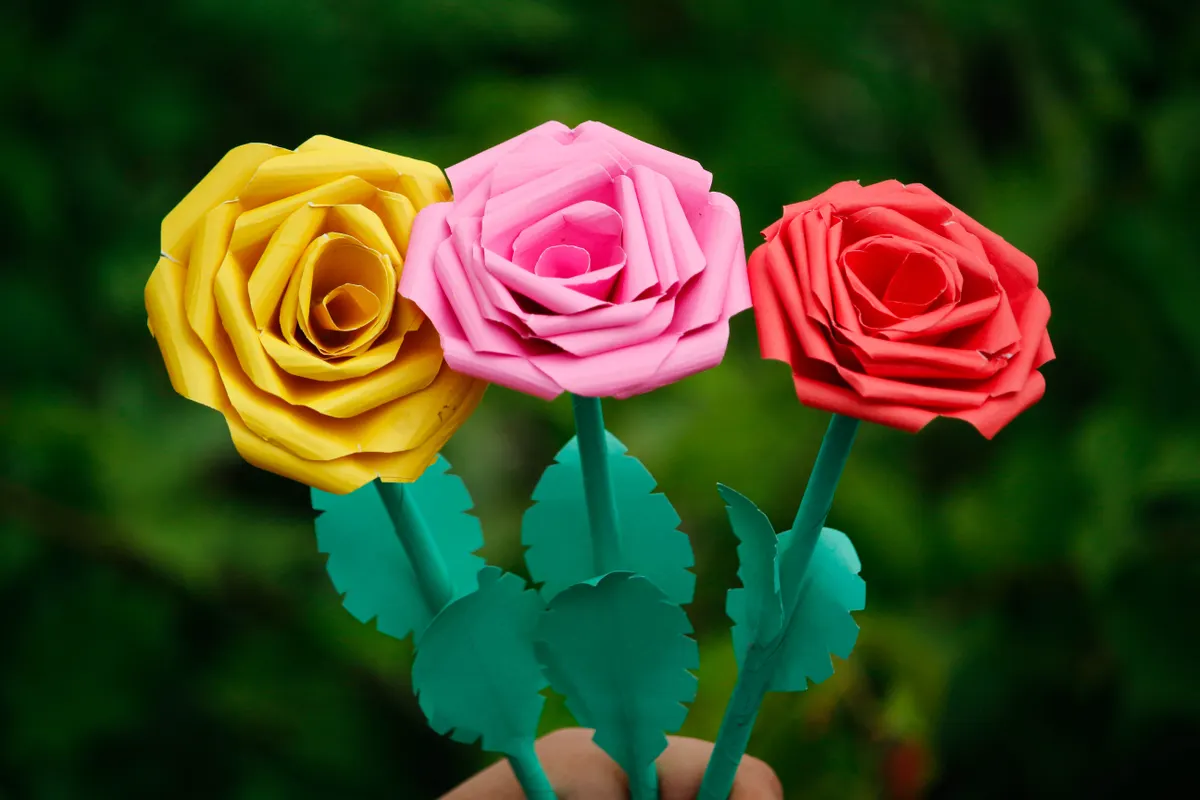
- Simple flower, especially tulips or the basic four-petal design, works beautifully as a topper or standalone gift
- Small gift box, useful for holding jewelry, gift cards, or other small items
- Origami heart, flat and simple, perfect for tucking into a card or envelope
- Star or modular ornament, ideal for holiday gifting or as a small hanging decoration
Each of these models shares a common trait worth noting. They're all recognizable shapes, even to someone with zero origami background, which matters when the goal is a gift that reads clearly as thoughtful rather than confusing.
How Can Origami Be Used to Decorate a Gift?
Beyond standalone folded gifts, origami works wonderfully as decoration layered on top of an already-wrapped present, adding a handmade touch without redoing the whole wrapping job.
Ways to add origami as gift decoration:
- Fold a small flower or star and attach it where a bow would normally sit, using a small piece of tape or a dab of glue on the back.
- Create a folded gift tag by using a simple shape like a heart or small envelope fold instead of a standard paper tag.
- Add a folded accent to ribbon, tucking a small crane or star into the ribbon's knot for extra detail.
- Layer several small folds together, like three tiny flowers clustered in one corner of the package for a fuller look.
- Match the fold color to your wrapping paper, keeping the overall gift visually cohesive rather than clashing.
This approach works especially well when you're short on time, since a single small folded accent takes just a few minutes but noticeably elevates plain wrapping paper or a simple gift bag.
Can Origami Be Used as Gift-Wrap Decoration?
Yes, and this overlaps closely with the decoration ideas above, though it's worth calling out specifically since origami gift wrap itself is a slightly different approach than just adding a topper.
Some folders skip traditional wrapping paper entirely and instead fold the wrapping itself into an origami envelope or pouch shape, especially for flatter gifts like gift cards, jewelry, or folded letters. This technique uses the same basic folds as simple origami boxes, just applied directly to the wrapping material rather than a separate decorative sheet.
A quick pro tip worth remembering: if you're folding the actual wrapping paper into an envelope shape, choose slightly heavier paper than standard origami kami, since wrapping paper needs a bit more structure to hold its shape once a gift is tucked inside.
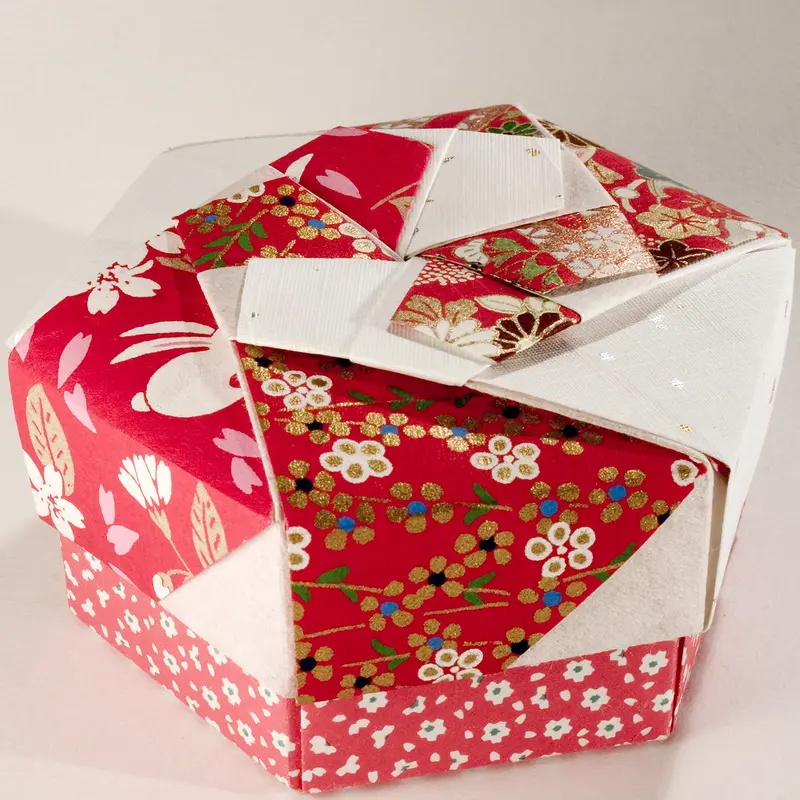
Photo Credit: Internet
What Origami Boxes Work Well for Small Gifts?
Boxes are genuinely one of the most practical gift-folding categories, since they serve a real function beyond just looking nice.
Good box options for small gifts:
- Basic square box, simple and quick, works well for rings, earrings, or small trinkets
- Masu box, slightly more structured, traditionally used in Japan for both decorative and functional purposes
- Box with a separate lid, offers a cleaner presentation than a simple fold-over box
- Heart-shaped box, a sweeter option well suited to anniversaries or Valentine's gifting
A note on sizing: always fold your box slightly larger than the item going inside, since folded paper boxes have less flexibility than store-bought packaging and won't stretch to accommodate a tight fit.
For more detailed folding instructions across different box styles, the Origami Box Projects guide covers step-by-step folds worth reviewing before your first gift-focused box attempt.
What Paper Is Best for Origami Gift Projects?
Paper choice matters more for gifts than for everyday practice folding, mostly because the finished piece needs to actually look polished rather than just structurally sound.
Paper recommendations by gift type:
- For flowers and toppers, double-sided kami paper in bright, saturated colors photographs and displays best.
- For boxes holding actual items, slightly heavier cardstock, around 80 to 100 gsm, holds its shape better under the weight of small contents.
- For formal or wedding gifting, metallic foil paper adds a polished look that plain kami simply can't match.
- For rustic or handmade-style gifts, textured washi paper gives a warmer, more organic feel than standard smooth paper.
As folders often say, the paper never lies. It only shows you exactly where a fold went wrong.
For gift folding specifically, this matters even more than usual, since a crooked crease on a gift piece is far more visible than the same flaw on a private practice fold tucked away in a drawer.

Photo Credit: Alexander Zvir
Are Handmade Origami Gifts Suitable for Weddings and Special Occasions?
Absolutely, and origami has genuine roots in ceremonial and celebratory use across various cultures, which makes it a fitting choice well beyond casual gifting.
Common wedding and special occasion uses:
- Place card holders, using small folded stands to display guest names at table settings
- Favor boxes, holding small treats or trinkets for guests to take home
- Decorative cranes, sometimes folded in large numbers as a symbolic gesture for good fortune
- Centerpiece flowers, arranged in small clusters as table decoration
- Formal gift wrapping accents, using metallic paper folds to dress up wedding or anniversary presents
If flowers specifically interest you for these occasions, the Origami Flowers guide covers a wider range of models, including some more advanced options that suit formal events particularly well.
Common Mistakes When Folding Origami Gifts
A few habits trip up folders working on gift projects for the first time.
- Choosing overly complex models under time pressure. Gift deadlines aren't the moment to attempt a model you've never folded before.
- Using paper that's too thin for boxes. Flimsy paper struggles to hold a box shape once an item is placed inside.
- Skipping a practice fold first. Always fold your final gift piece once as practice before committing to your best paper.
- Forgetting scale. A tiny folded flower can get lost on a large gift, while an oversized fold can overwhelm a small one.
- Rushing final creases. Gift pieces are meant to be seen up close, so soft, incomplete creases show more obviously here than in casual folding.
Frequently Asked Questions
What origami models make good gifts? Cranes, simple flowers, small gift boxes, hearts, and stars are all popular, recognizable models that work well as handmade gifts.
How can origami be used to decorate a gift? Small folded flowers, stars, or tags can be attached to wrapped presents in place of a traditional bow or ribbon accent.
Can origami be used as gift-wrap decoration? Yes, folded accents work directly on wrapping paper, or the wrapping itself can be folded into an envelope or pouch shape.
What origami boxes work well for small gifts? A basic square box, masu box, box with a separate lid, or heart-shaped box all work well for small items.
What paper is best for origami gift projects? Double-sided kami for flowers, heavier cardstock for boxes, and metallic foil for formal occasions all suit different gift needs.
Are handmade origami gifts suitable for weddings and special occasions? Yes, origami has genuine ceremonial roots and works well as place cards, favor boxes, centerpieces, and formal wrapping accents.
Final Thoughts
Origami gift ideas offer a genuinely simple way to make any present feel more personal without much extra time or cost. Pick a model that matches the occasion, choose paper that suits the finished look, and always practice once before folding your final piece.
Curious what else this craft has to offer beyond gifting? Read the full origami guide to explore the rest of what's worth folding.





Leave a Reply