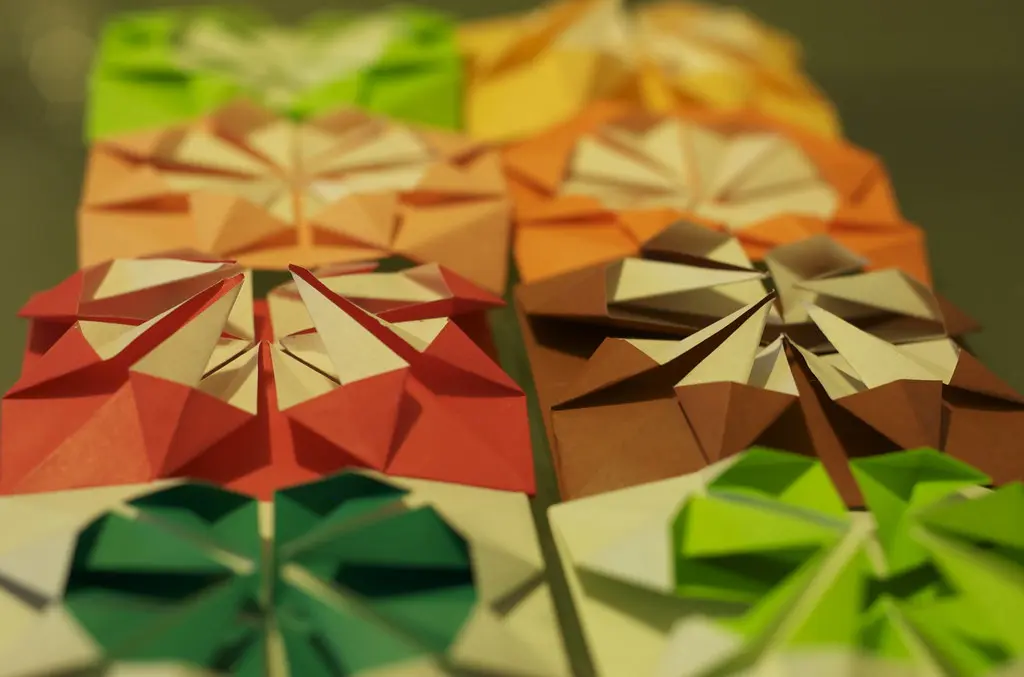
I still remember the exact moment the difference clicked for me, folding my thirtieth identical paper unit for a modular star, when I realized I hadn't touched a diagram in twenty minutes because the repetition had taken over completely. That's really the heart of modular origami vs traditional origami, one builds a single shape from a single sheet through sequence, the other builds a larger shape from many repeated pieces through assembly, and this guide breaks down exactly how they differ.
This piece is Part of Common Origami Questions & Comparisons, and it covers what separates these two styles, how modular units actually join together, whether glue plays a role, and which approach suits a true beginner better.
What Is the Difference Between Modular and Traditional Origami?
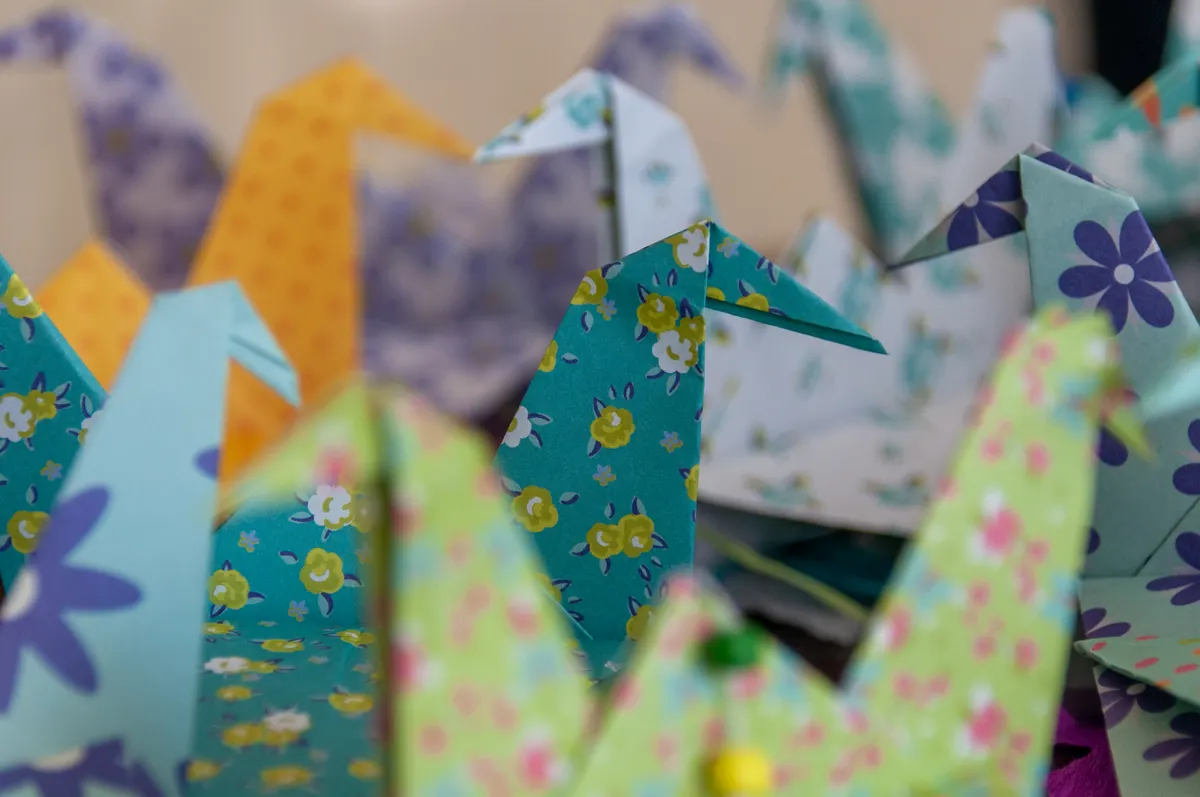
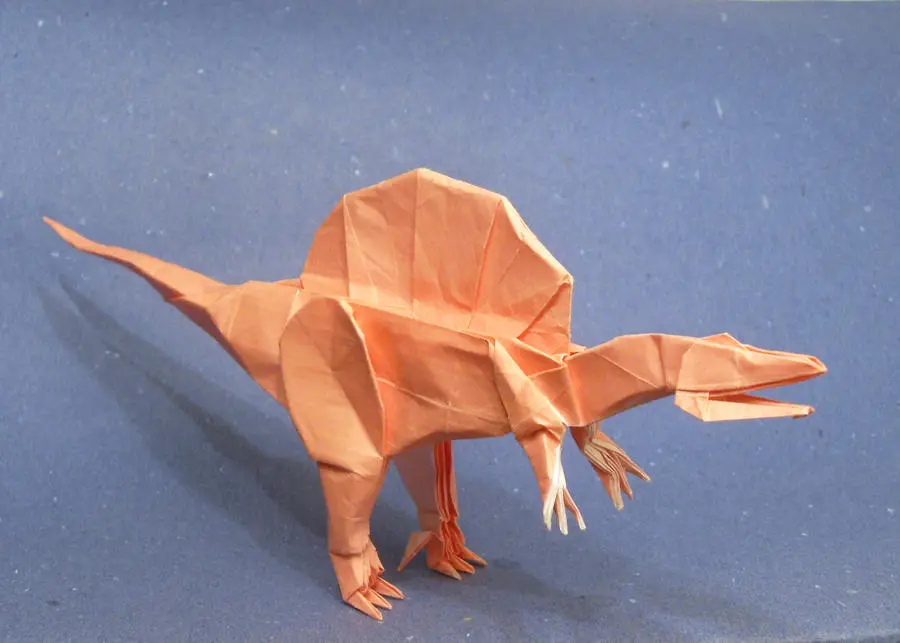
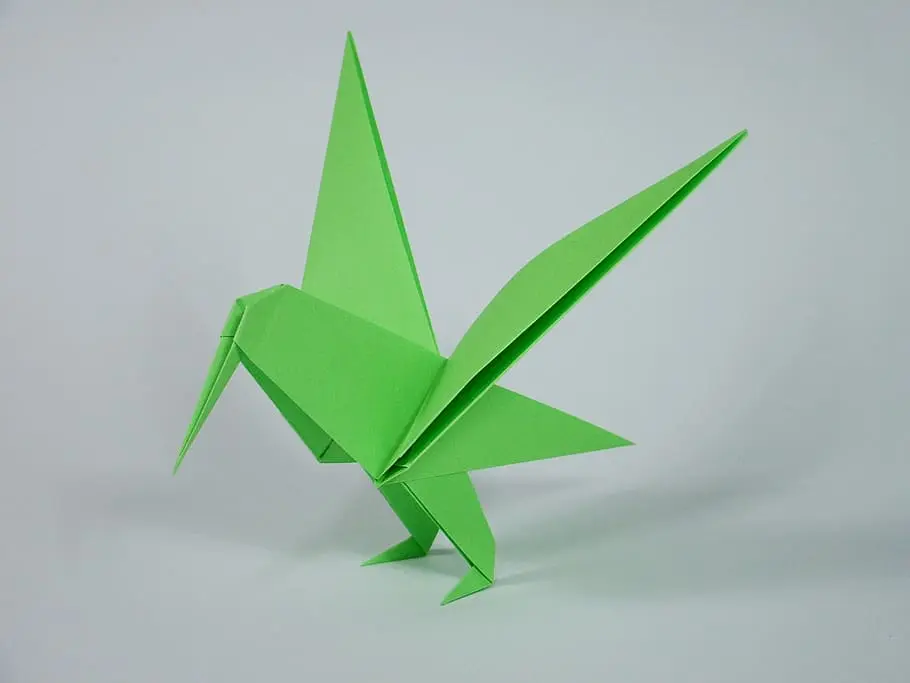
Traditional origami folds one single sheet of paper into a complete finished shape, a crane, a box, a flower, following a sequential series of folds from start to finish. Every part of the final model comes from that one piece of paper, with no additional sheets joined in along the way.
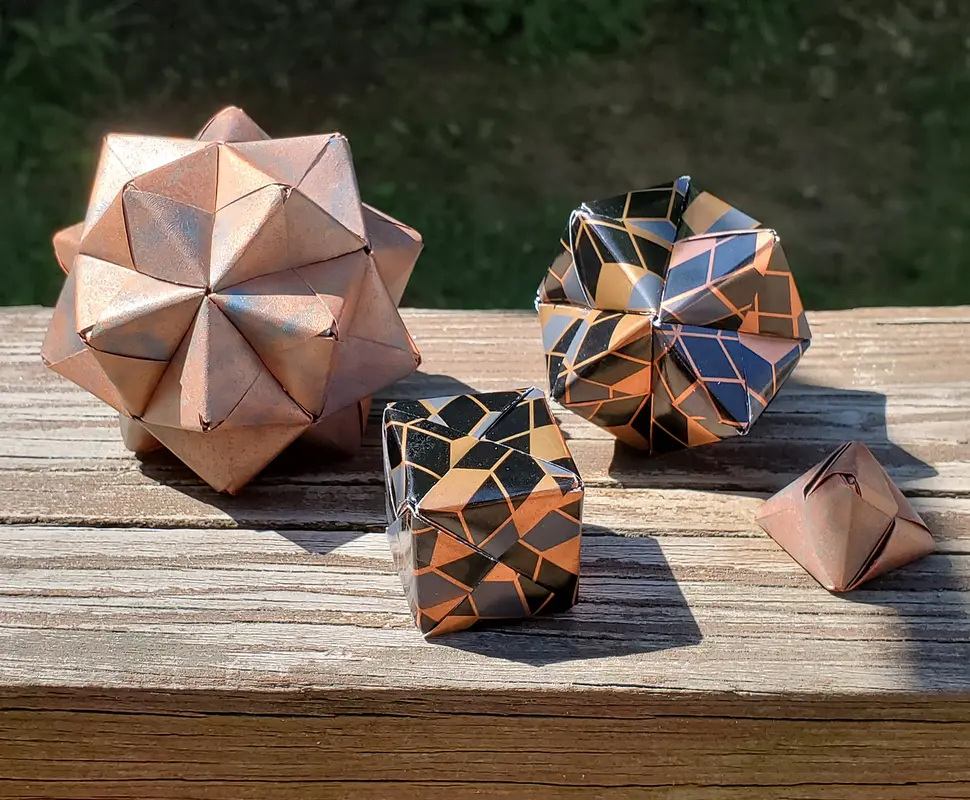
Modular origami works completely differently. Multiple separate sheets are each folded into identical or complementary units, then assembled together afterward into one larger combined shape, a geometric star, a decorative sphere, an interlocking cube. This is really the core of any modular vs single-sheet origami comparison, single-sheet models rely entirely on sequence, while modular models rely on repetition followed by assembly.
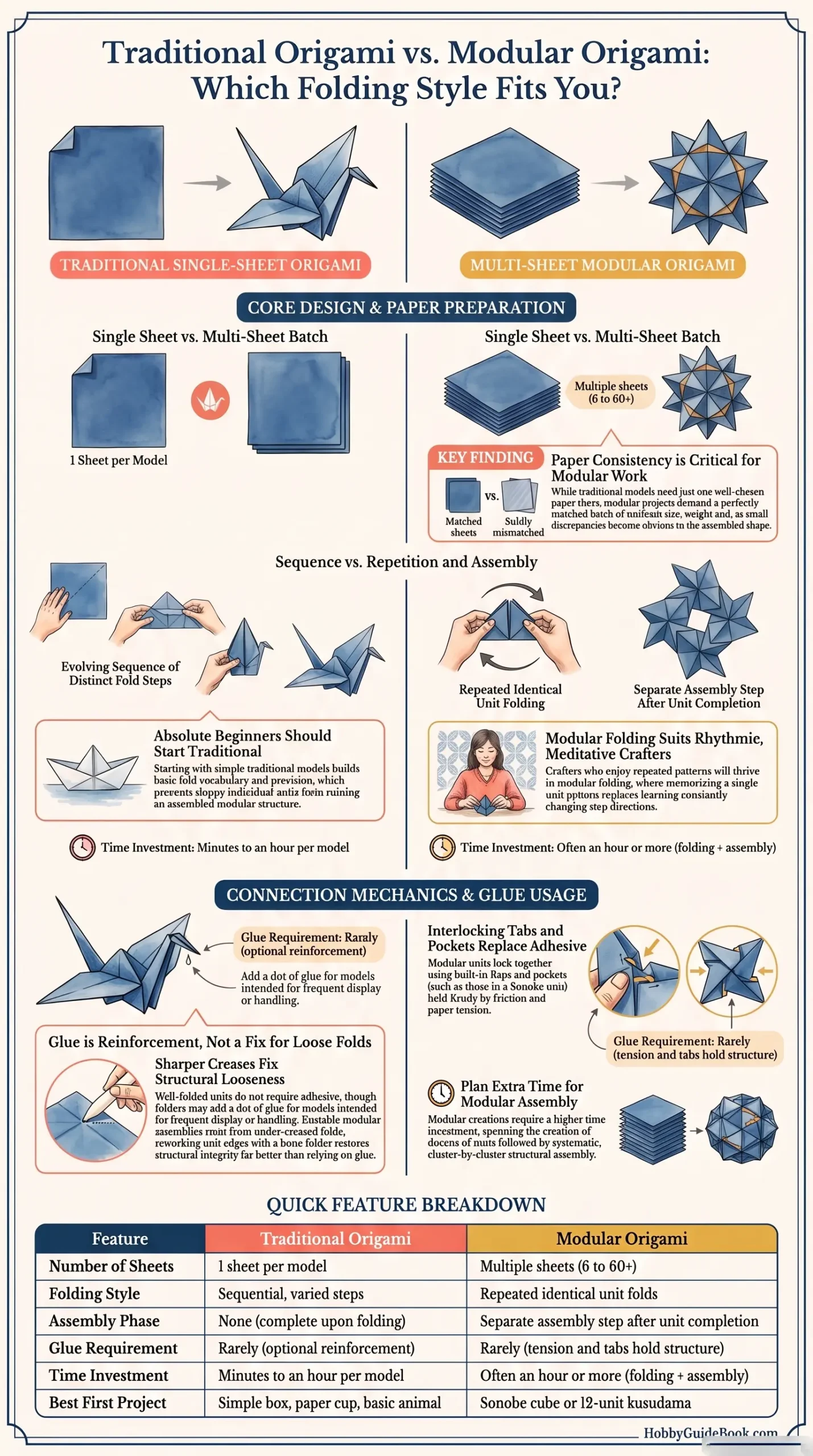
Photo Credit: Hobby Guidebook Editorial
I've found that this distinction changes the entire folding experience, not just the technique involved. Traditional folding demands close attention to a changing sequence of steps, while modular folding demands consistency across many repeated identical steps, followed by a completely separate assembly phase that traditional models simply don't have.
Does Modular Origami Use Multiple Sheets?
Yes, this is really the defining feature of modular origami. A basic modular star might use anywhere from 6 to 30 individual sheets, each folded into the same unit shape before being joined together into the finished piece.
Traditional origami, by contrast, uses exactly one sheet per model, always. If a project calls for more than one piece of paper joined into a final shape, whether that's two units or sixty, it falls under the modular category rather than traditional single-sheet folding, regardless of how simple or complex the individual units themselves happen to be.
This sheet count difference also changes how folders think about paper planning. A traditional model needs one sheet chosen carefully for size and weight, while a modular project needs an entire matched batch, consistent in size, weight, and color, since even small mismatches between sheets become obvious once dozens of units sit side by side in the finished piece.
How Are Modular Units Joined Together?
Modular units typically connect through interlocking tabs and pockets built directly into each unit's fold pattern, rather than through any external fastening method. One unit's folded flap tucks into another unit's folded pocket, and the combined tension between multiple connected units holds the entire structure together.
This locking system is honestly the clever part of modular design. A well-folded Sonobe unit, one of the most common modular building blocks, has a small triangular tab and matching pocket built right into its structure, so joining six units together into a cube relies purely on friction and paper tension rather than anything added afterward.
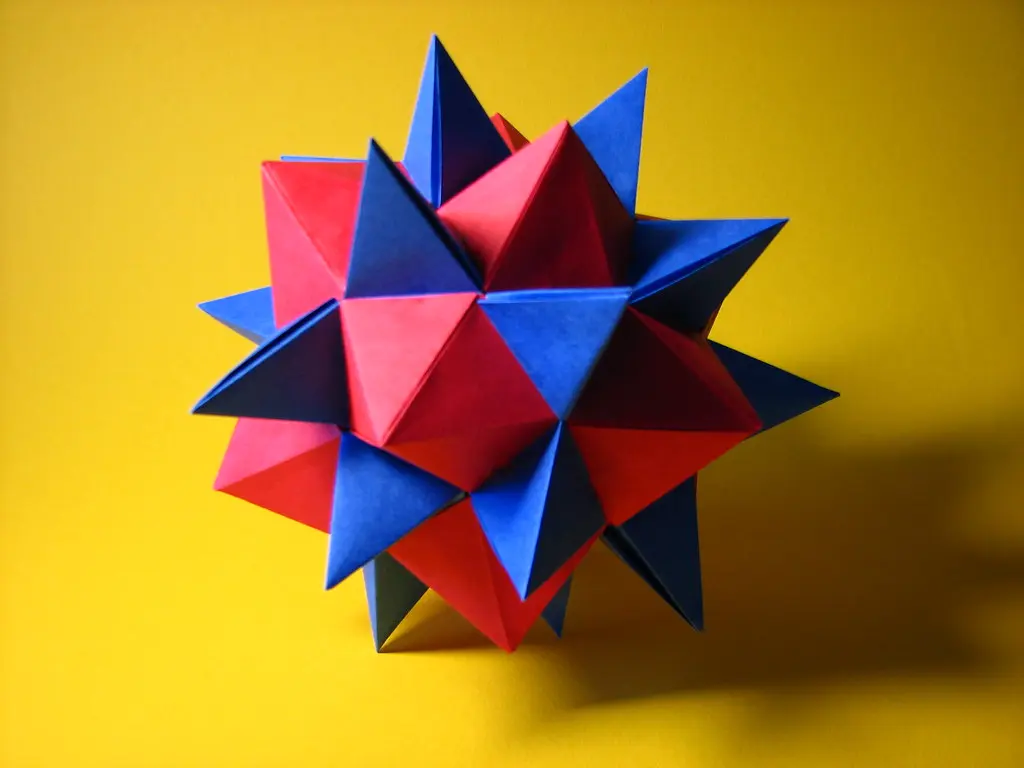
Photo Credit: Internet
Assembly usually happens systematically, working around a growing structure one connection at a time rather than joining random units together. For spherical designs like kusudama, this often means grouping several units into a small cluster first, then joining multiple clusters together to complete the full sphere.
Does Modular Origami Require Glue?
Generally, no. Well-folded modular units are specifically designed to lock together through tension and interlocking tabs alone, without needing any adhesive to hold the final structure together. A properly assembled modular star or sphere should hold its shape on its own, even through reasonable handling.
That said, some folders choose to add a small dot of glue at key stress points anyway, particularly on pieces meant for long-term display or repeated handling as gifts. This isn't a sign the folding failed, more a reinforcement choice for models that will be touched often over time.
A modular folder I met at a paper crafting meetup once compared loose modular units to a poorly tightened bolt, technically holding for now, but likely to loosen with repeated handling. Sharper creases on each individual unit almost always solve looseness more reliably than reaching for glue as a first fix.
If your units genuinely won't hold without adhesive, the actual problem is usually under-creased folds rather than a design flaw in the modular system itself. Revisiting each unit with a bone folder for firmer, more precise creases typically fixes the looseness far better than glue ever could.
Which Type Is Easier for Beginners?
This depends heavily on what kind of challenge feels more approachable to you personally. Traditional origami is generally easier for an absolute first-time folder, since simple models like a basic box or paper cup involve fewer total folds and no separate assembly phase to manage afterward.
Modular origami has its own kind of beginner-friendliness though, particularly once someone has learned a handful of basic folds already. Since modular units repeat the exact same sequence many times, there's less variety to memorize compared to a traditional model that introduces new fold types at nearly every step.
I'd generally recommend starting with simple traditional models first, a box, a basic animal, a few flower folds, before moving into modular projects. That foundation makes the individual modular unit itself easier to fold accurately, which matters more in modular work than in traditional folding, since a single sloppy unit affects the entire finished structure rather than staying isolated to one part of a single model.
Comparing Modular and Traditional Origami
|
Feature |
Traditional Origami |
Modular Origami |
|
Number of sheets |
One sheet per model |
Multiple sheets, often 6 to 60+ |
|
Folding style |
Sequential, varied steps |
Repeated identical unit folds |
|
Assembly phase |
None, model is complete after folding |
Separate assembly step after all units are folded |
|
Glue required |
Rarely, occasionally for reinforcement |
Rarely, tension and tabs hold structure |
|
Typical time investment |
Minutes to an hour per model |
Often an hour or more, spanning folding plus assembly |
|
Best first project |
Simple box, cup, basic animal |
Sonobe cube or 12-unit kusudama |
For a deeper look at how modular projects work overall, Modular Origami covers unit types, common project ideas, and assembly techniques in more detail. And if you're curious how modular building compares to another advanced repeated-pattern style, Tessellation Origami vs Modular Origami breaks down that specific comparison as well.
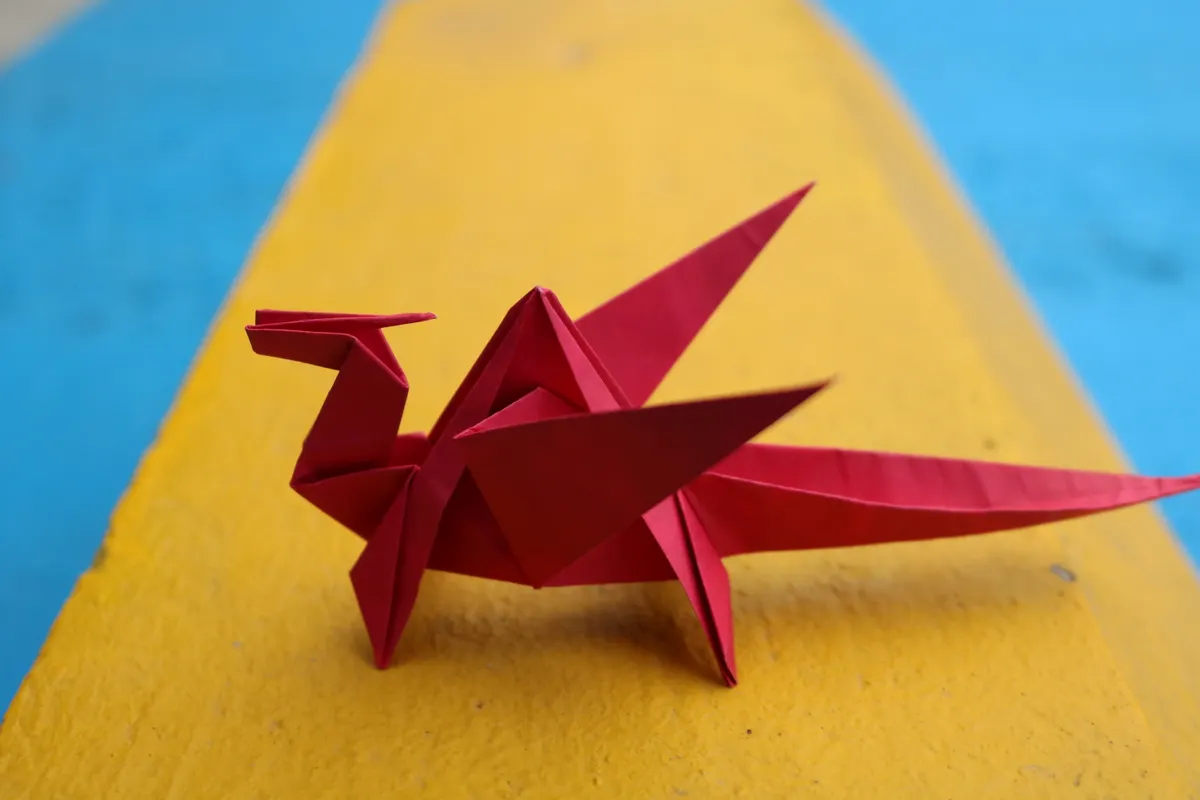
Photo Credit: Luis Medina Diseño
Pro Tips for Choosing Between the Two Styles
- Start traditional if you're brand new to folding. Building basic fold vocabulary first makes modular units easier to execute accurately later.
- Choose modular projects when you enjoy repetition. The meditative, repeated nature of folding dozens of identical units genuinely appeals to some folders more than constantly learning new steps.
- Match your paper choice to your chosen style. Modular projects need a full matched batch of uniform paper, while traditional models just need one well-chosen sheet.
- Set aside more time for modular work. Between folding every unit and completing assembly, modular projects almost always take longer than a comparable single traditional model.
Frequently Asked Questions
What is the difference between modular and traditional origami? Traditional origami folds one sheet into a complete model, while modular origami folds multiple sheets into identical units that are then assembled into one larger shape.
Does modular origami use multiple sheets? Yes, modular projects typically use anywhere from 6 to 60 or more individual sheets, each folded into a repeated unit before final assembly.
How are modular units joined together? Units usually connect through interlocking tabs and pockets built into their fold pattern, held together by tension rather than any external fastening.
Does modular origami require glue? Generally no, well-folded units lock together through tension alone, though some folders add a small dot of glue for pieces meant for frequent handling.
Which type is easier for beginners? Traditional origami is generally easier for absolute beginners, while modular origami becomes more approachable once someone already knows a few basic folds.
Final Thoughts
Traditional and modular origami reward genuinely different kinds of patience, one through careful sequence, the other through steady repetition and assembly. Try a simple traditional model first to build your fold vocabulary, then let a Sonobe cube or basic kusudama introduce you to the satisfying rhythm of modular work. If you're ready to explore the rest of what this hobby has to offer, Read the full origami guide for everything from paper choices to techniques across every skill level.



Leave a Reply