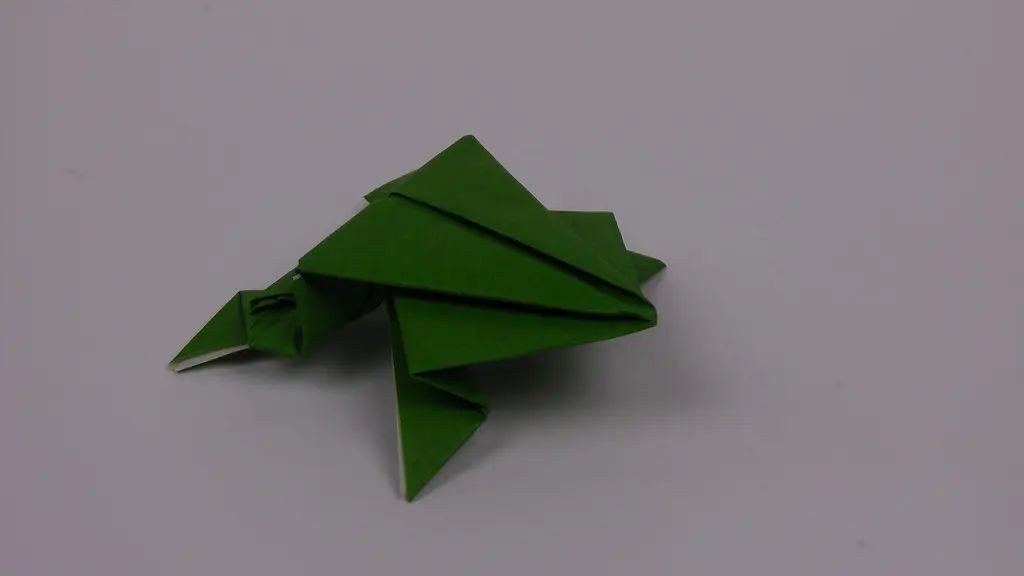
I started origami with a stack of printer paper cut into squares with kitchen scissors, and I folded my first hundred models before ever buying a single specialty sheet. So when people ask me is origami expensive to start, my honest answer usually surprises them, because this is genuinely one of the cheapest hobbies you can pick up.
This guide breaks down exactly what origami costs at every stage, from your very first fold to building out a proper supply collection, so you know precisely where your money actually needs to go.
This article is Part of Common Origami Questions & Comparisons, so if you're weighing origami against other craft hobbies too, that page covers more comparisons worth exploring.
How Much Does It Cost to Start Origami?
The honest answer is close to nothing. Origami's entire foundation is folding paper by hand, no cutting, no gluing, no specialized machinery, which means the barrier to entry is about as low as any craft hobby gets.
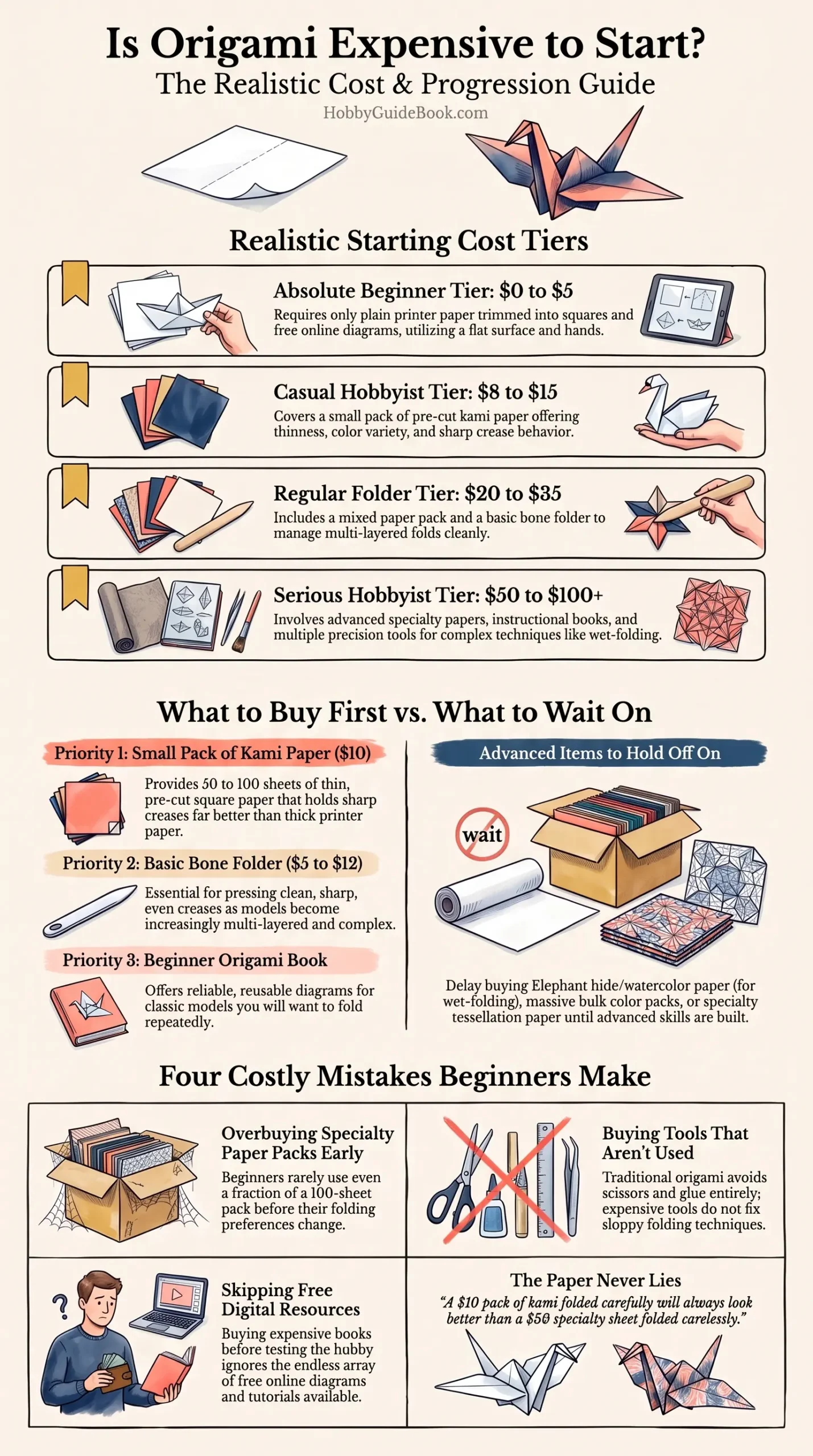
Photo Credit: Hobby Guidebook Editorial
Realistic starting cost breakdown:
|
Starting Level |
What You Need |
Typical Cost |
|
Absolute beginner |
Plain paper, free online diagrams |
$0 to $5 |
|
Casual hobbyist |
Small pack of kami paper |
$8 to $15 |
|
Regular folder |
Mixed paper pack, bone folder |
$20 to $35 |
|
Serious hobbyist |
Specialty papers, books, multiple tools |
$50 to $100+ |
I've found that most people massively overestimate what origami requires before ever trying it. You genuinely can fold your very first crane tonight using paper already sitting in a desk drawer somewhere in your house.
Do You Need Specialty Paper to Begin Origami?
No, not at all, especially not for your first few weeks of folding. Specialty origami paper, often called kami, offers real advantages once you're tackling more complex models, but it's not a requirement for learning the basics.
What specialty paper actually offers:
- Consistent thinness, which helps once models involve many folded layers
- Pre-cut squares, saving you the step of measuring and trimming
- Color variety, often patterned or colored differently on each side
- Better crease behavior, holding sharp folds more reliably than thicker paper
That said, none of these advantages matter much when you're still learning valley folds, mountain folds, or working through your first simple box. The technique itself is what needs practice early on, not the paper quality.
Can You Start with Ordinary Printer Paper?
Yes, genuinely, and I'd actually recommend it for your very first few sessions. Printer paper is already sitting in most homes, costs essentially nothing per sheet, and works perfectly fine for learning basic folds and simple models.
Where printer paper works well for beginners:
- Learning your first folds, valley folds, mountain folds, and basic sequences
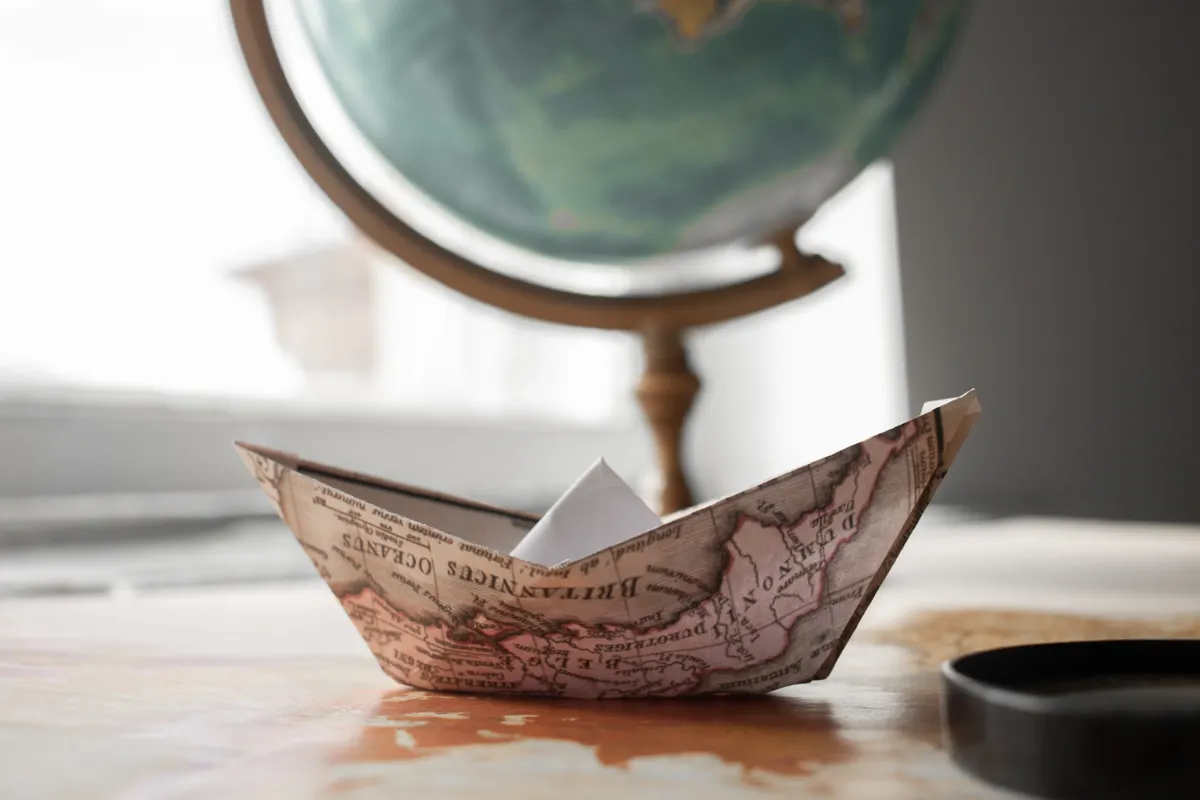
- Simple models, like paper boats, cups, and basic animal faces
- Practicing before committing, testing whether origami is something you'll stick with
- Cutting practice squares, since trimming printer paper to size costs nothing
A quick pro tip: printer paper is slightly thicker and stiffer than kami, so models with many overlapping layers, like a traditional crane, can feel bulkier and harder to crease sharply. This isn't a dealbreaker early on, just something to expect once you move past the simplest shapes.
I still think there's real value in starting cheap and free. It keeps the early pressure off, and if origami doesn't end up sticking as a hobby, you haven't spent anything finding that out.
Photo Credit: Saeed Khokhar
What Are the Minimum Tools a Beginner Needs?
Almost nothing, honestly. Traditional origami is built entirely around hand folding, which means the tool list for absolute beginners is refreshingly short compared to most crafts.
The genuine minimum to get started:
- Paper, printer paper, notebook paper, or any thin, square-cuttable sheet
- A flat surface, a table or hard floor works perfectly fine
- Your hands, since pressing creases firmly is really the core skill being built
That's it. No scissors are required, since origami avoids cutting entirely, and no glue either, since finished models hold together purely through the folds themselves.
Tools that help but aren't required early on:
- A bone folder, useful for pressing sharp, even creases through thicker paper
- A ruler, handy for trimming rectangular paper into accurate squares
- A small clip or binder clip, helpful for holding folds in place during multi-step models
For a more complete rundown of what's actually worth owning as you progress, the Origami Materials & Tools Guide covers specific recommendations in more detail, including which tools genuinely earn their spot in your supply box.
Which Origami Supplies Are Worth Buying First?
Once you've folded a few models and know you're sticking with origami, a small, smart first purchase makes more sense than buying everything at once. I've found that overbuying early is one of the most common beginner mistakes, since plenty of specialty papers and tools end up barely used.
Worth buying early, in order of priority:
- A small pack of kami paper, typically fifty to one hundred sheets for around ten dollars
- A basic bone folder, generally five to twelve dollars, and genuinely useful once models get layered
- A beginner origami book, offering diagrams for models you'll actually want to fold repeatedly
Worth waiting on until you're more experienced:
- Elephant hide or watercolor paper, needed mainly for wet-folding, an advanced technique
- Large paper packs in every color, easy to overbuy before knowing your preferences
- Specialty tessellation paper, useful only once you've moved well past beginner models
As folders often say, the paper never lies. It only shows you exactly where a fold went wrong.
That honesty matters here too, since expensive paper doesn't fix sloppy technique. A ten-dollar pack of kami folded carefully will always outperform a fifty-dollar specialty sheet folded carelessly.
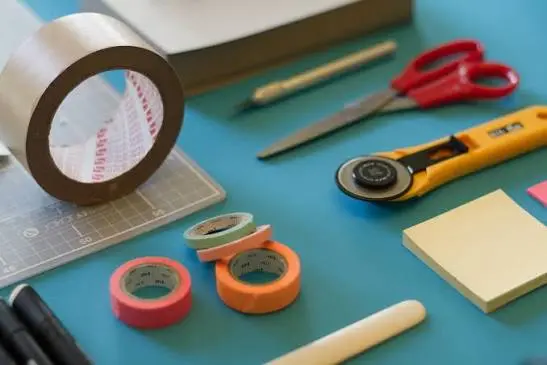
Photo Credit: Internet
If you'd rather skip the guesswork of buying pieces separately, the Origami Starter Kit guide walks through exactly what a sensible beginner bundle should include, without paying for extras you won't touch for months.
Common Cost Mistakes Beginners Make
A few spending habits trip up new folders more than the hobby itself ever does.
- Buying large specialty paper packs too early. Most beginners barely use a fraction of a hundred-sheet pack before their preferences change.
- Skipping free resources. Countless diagrams and beginner tutorials exist online at no cost at all.
- Assuming tools are required. Scissors and glue play no role in traditional origami, so there's nothing to buy there.
- Overspending on books before trying the craft. A few free online diagrams are enough to test whether origami is genuinely enjoyable first.
A quick safety note worth mentioning: if you do pick up a bone folder for pressing sharper creases, keep it away from young children folding independently, since the pointed tip, while not sharp like a blade, can still poke or scratch if handled carelessly during enthusiastic folding sessions.
Frequently Asked Questions
How much does it cost to start origami? Realistically nothing to start, using paper you already have, though a basic kami pack runs about ten to fifteen dollars.
Do you need specialty paper to begin origami? No, specialty paper helps with complex models later, but it's not required to learn basic folds and simple shapes.
Can you start with ordinary printer paper? Yes, printer paper works well for learning folds and simple models, though it gets bulky on models with many layers.
What are the minimum tools a beginner needs? Just paper, a flat surface, and your hands, since traditional origami requires no cutting, gluing, or specialized equipment.
Which origami supplies are worth buying first? A small kami paper pack and a basic bone folder are the most worthwhile early purchases once you're sticking with the hobby.
Final Thoughts
Origami stands out as one of the most affordable hobbies you can start, genuinely possible with paper you already own and zero dollars spent. Spend your first few weeks folding freely, then invest a little once you know exactly what you enjoy folding most.
Ready to start folding your first models? Read the full origami guide for beginner-friendly diagrams and techniques to try next.





Leave a Reply