
Six months into card making, I could still barely score a straight line, and it wasn't because I lacked talent, it was because I was practicing randomly instead of building skills in any real order. A proper paper crafting practice routine fixes that exact problem, turning scattered effort into steady, visible progress.
This guide is part of Getting Started with Paper Crafts, and it walks through how often to practice, which skills to build first, and how to actually track your progress instead of just guessing whether you're improving. I've been at this long enough to know that the crafters who improve fastest aren't the most naturally talented ones, they're the ones who practice with some kind of structure instead of just making whatever catches their eye that day.
How Do You Improve at Paper Crafting Steadily
Steady improvement in paper crafting comes down to repetition of specific skills, not just finishing more projects. Making ten cards with sloppy folds doesn't build the same skill as making five cards where you specifically focus on clean scoring each time.
The core idea behind steady improvement:
- Isolate one skill per practice session. Instead of trying to nail cutting, scoring, and layering all in one project, focus on a single skill and let the rest be secondary.
- Repeat the same basic shape or fold multiple times. Cutting the same simple template five times in a row teaches more about blade control than five completely different projects would.
- Compare your work honestly. Lay your first attempt next to your fifth attempt at the same skill. The difference tells you more than any tutorial video can.
This approach to paper craft skill building works because it mirrors how most physical skills develop, through focused, repeated practice rather than broad exposure to lots of different techniques at once.
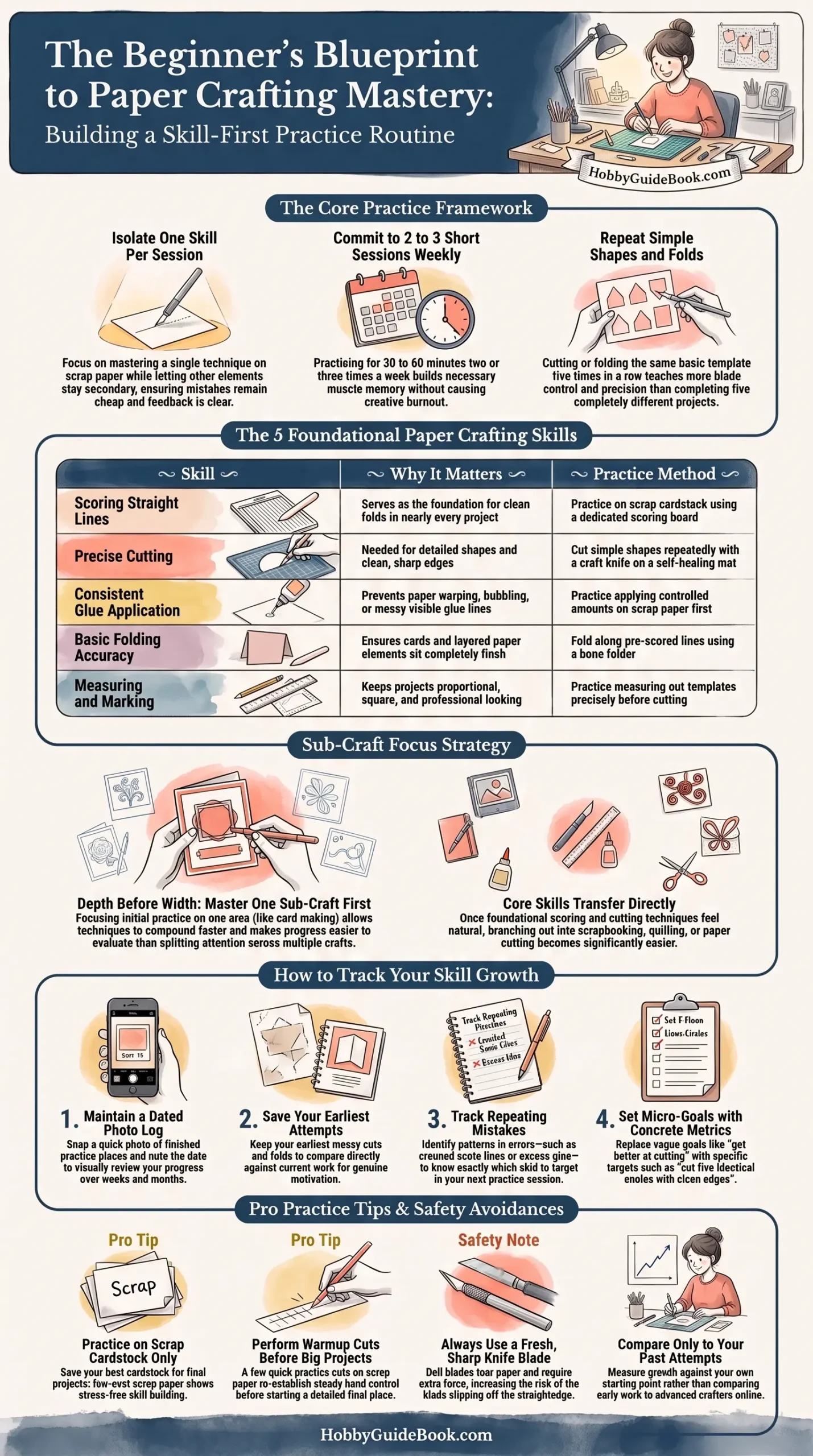
Photo Credit: Hobby Guidebook Editorial
How Often Should You Practice Paper Crafting
Two to three sessions a week, each lasting thirty to sixty minutes, is a realistic and effective pace for most beginners. This matters more than most people expect when it comes to how often to practice paper crafting consistently enough to actually see improvement.
Why this frequency works well:
- It's sustainable long term. Daily practice sounds ideal, but it often leads to burnout within a few weeks for a hobby that's supposed to be enjoyable.
- It's frequent enough to build muscle memory. Going more than a week between sessions means relearning basic hand positioning each time you sit down.
- It fits around a normal schedule. Thirty to sixty minutes is manageable for most people without crowding out other commitments.
If your schedule only allows for one session a week, that's still enough to make progress, it just means results will show up more gradually. The key is consistency over intensity, three short sessions beat one long, exhausting one almost every time.
What Paper Crafting Skills Should You Practice First
Certain foundational skills show up in nearly every paper craft, which makes them the smartest place to start regardless of which sub-craft eventually becomes your favorite.
Skills worth mastering before anything else:
|
Skill |
Why It Matters |
Practice Method |
|
Scoring straight lines |
Foundation for clean folds in nearly every project |
Practice on scrap cardstock using a scoring board |
|
Precise cutting with a craft knife |
Needed for detailed shapes and clean edges |
Cut simple shapes repeatedly on a self-healing mat |
|
Consistent glue application |
Prevents warping, bubbling, or visible glue lines |
Practice controlled amounts on scrap paper first |
|
Basic folding accuracy |
Ensures cards and layered pieces sit flush |
Fold along pre-scored lines using a bone folder |
|
Measuring and marking |
Keeps projects proportional and professional looking |
Practice measuring templates before cutting |
These five skills form the backbone of nearly every paper craft, whether you end up focused on card making, scrapbooking, or something more detailed like paper cutting.
Why start here instead of jumping into a full project: A full project asks you to use all five skills at once, which makes it hard to tell which specific skill needs more work. Isolating each skill on its own scrap paper first means mistakes are cheap and lessons are clear.
For a deeper breakdown of these exact foundational skills and how they build on each other, Essential Paper Crafting Skills Every Beginner Should Learn covers each one in more depth, including common beginner mistakes specific to each individual skill.
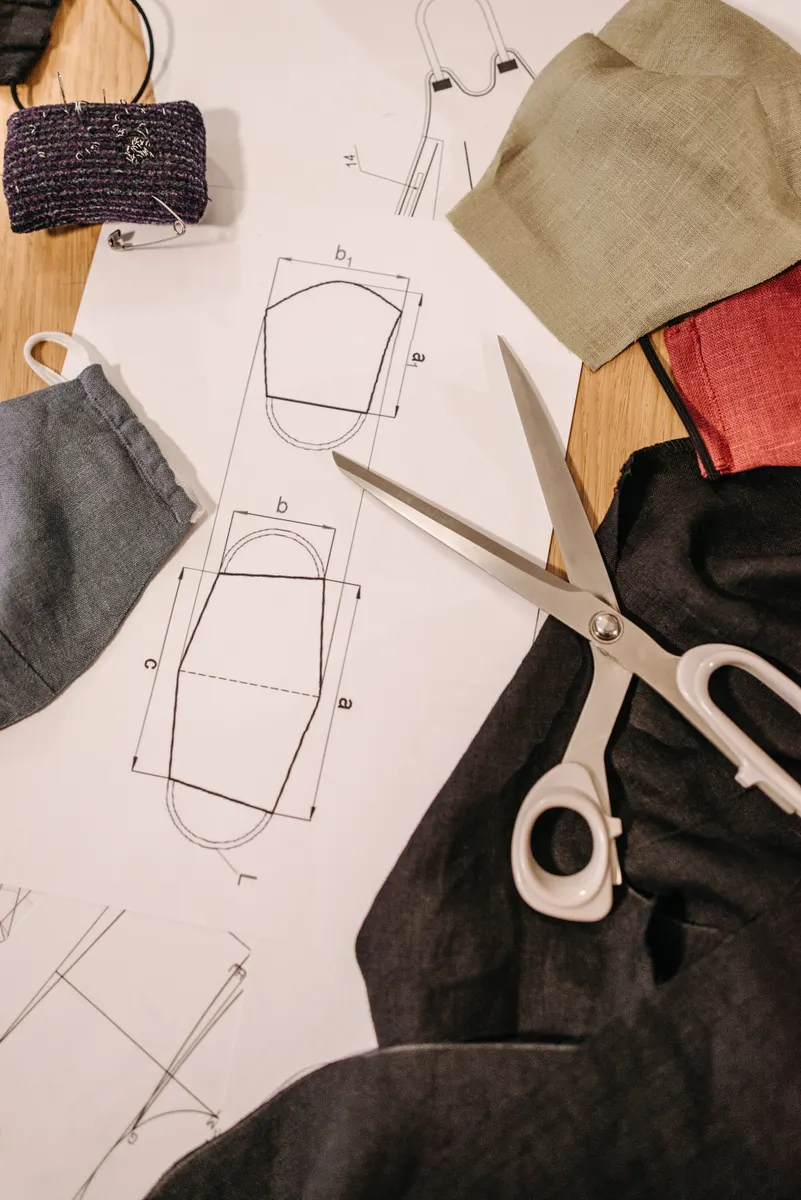
Photo Credit: Pavel Danilyuk
Should You Master One Sub-Craft Before Trying Another
Yes, focusing on one sub-craft first tends to build stronger fundamentals than spreading practice across several types of paper crafting at once.
Reasons to focus on one sub-craft before branching out:
- Skills compound faster within a single craft. Getting good at card making builds scoring, cutting, and layering skills that reinforce each other project after project.
- Progress is easier to measure. Comparing your tenth card to your first card gives a clear sense of growth. Comparing a card to a quilled flower doesn't tell you much of anything.
- Frustration stays lower. Splitting attention across quilling, scrapbooking, and paper cutting all at once means slower progress in each one individually, which can feel discouraging early on.
That said, this doesn't mean permanently sticking to just one sub-craft forever. Once foundational skills feel solid, usually after a few months of regular practice, branching out becomes much easier since core techniques like scoring and cutting transfer directly between paper craft types.
"Depth before width isn't just good advice for paper crafting, it's how most hands-on skills actually stick." That idea holds up especially well here, since so many paper craft techniques overlap once the basics are genuinely comfortable.
If you're still deciding which sub-craft to focus on first, it helps to think honestly about what kind of projects actually excite you, rather than what looks impressive online. How to Choose the Right Paper Crafting Sub-Hobby for You walks through exactly how to make that decision based on your own interests and available time.
How Can Beginners Track Progress in Paper Crafting
Tracking progress matters more than most beginners realize, since paper craft improvement is often gradual enough that it's easy to miss without some kind of record.
Simple ways to track progress over time:
- Keep a dated photo log. Take a quick photo of each finished project or practice piece, even rough ones, and note the date. Looking back after a month shows improvement clearly.
- Save your first attempts. Don't throw away your earliest, messiest cuts and folds. Keeping them for comparison is genuinely motivating once you see how far a skill has come.
- Note which mistakes repeat. If the same issue shows up across several projects, like uneven glue lines or crooked scoring, that's a clear signal on where to focus next.
- Set small, specific goals. Instead of a vague goal like "get better at cutting," try something concrete like "cut five identical circles with clean edges" and track when you hit it.
A simple notebook or even a phone folder works fine for this. The format matters far less than the habit of actually checking in on your own progress every few weeks instead of just assuming you're improving.
Pro Tips and Common Mistakes to Avoid
A few patterns show up repeatedly with beginners building their first paper crafting practice routine.
- Practicing on your best cardstock. Scrap paper and lower-cost cardstock work just as well for skill building, save the good stuff for finished projects once a skill feels solid.
- Skipping warmup cuts before a detailed project. A few practice cuts on scrap paper before starting a real project helps re-establish steady hand control, especially if it's been a few days since your last session.
- Using a dull blade during practice sessions. A dull craft knife drags and tears instead of cutting cleanly, which teaches bad habits and makes every practice cut harder than it needs to be.
- Comparing your early work to advanced crafters online. Progress should be measured against your own past attempts, not against someone with years more practice behind them.
A quick safety note worth mentioning: always keep a fresh, sharp blade in your craft knife during practice sessions, since a dull blade requires more pressure to cut through cardstock and actually increases the chance of it slipping off the edge of your paper.
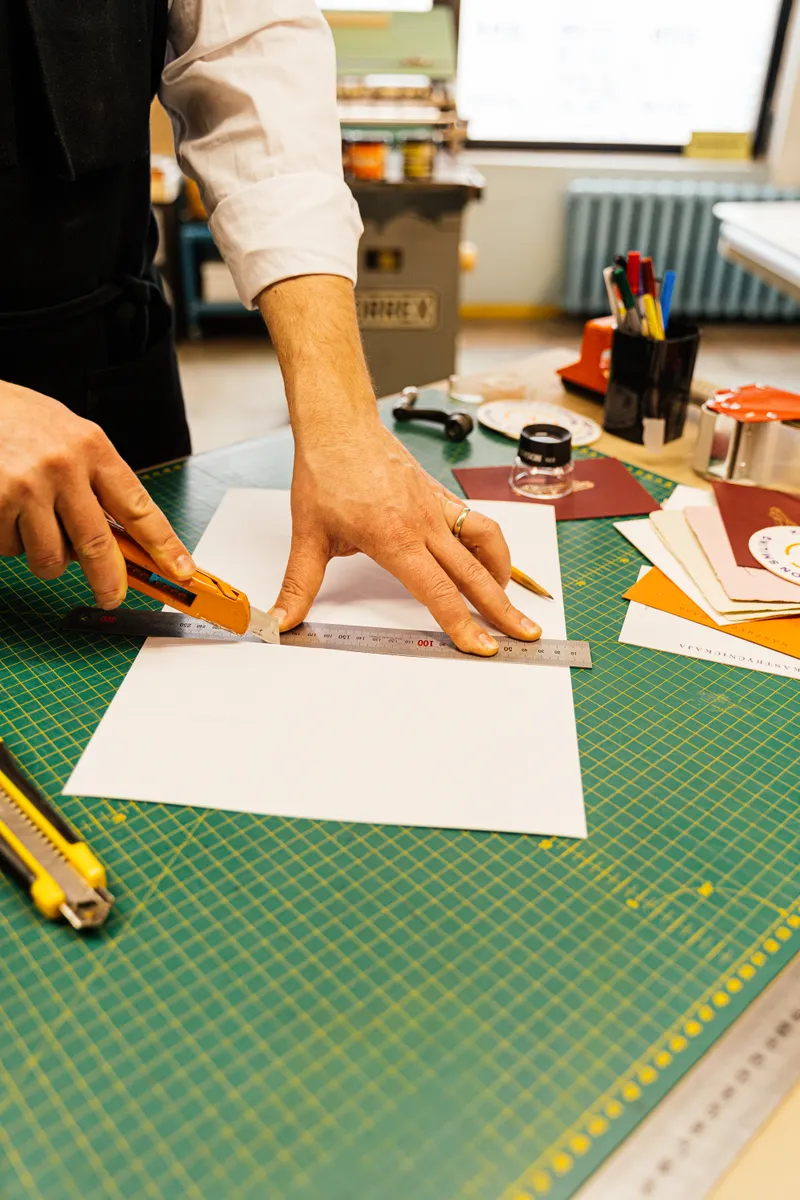
Photo Credit: Antoni Shkraba
Frequently Asked Questions
How do you improve at paper crafting steadily? Steady improvement comes from isolating one skill per practice session rather than trying to master everything at once in a full project. Repeating the same basic cut or fold several times in a row builds skill faster than moving between different techniques constantly.
How often should you practice paper crafting? Two to three sessions a week, lasting thirty to sixty minutes each, works well for most beginners building steady skill. This pace is frequent enough to build muscle memory while staying sustainable long term.
What paper crafting skills should you practice first? Beginners should focus first on scoring straight lines, precise cutting, consistent glue application, folding accuracy, and measuring. These five foundational skills show up across nearly every paper craft, regardless of which sub-craft you eventually focus on.
Should you master one sub-craft before trying another? Yes, focusing on one sub-craft first builds stronger fundamentals and makes progress easier to measure than spreading practice across several crafts at once. Once core skills feel solid, branching into other sub-crafts becomes much easier since techniques transfer directly.
How can beginners track progress in paper crafting? Beginners can track progress with a dated photo log, by saving early attempts for comparison, and by noting which mistakes repeat across projects. Setting small, specific goals also makes progress easier to measure than vague general improvement.
Building a Routine That Actually Works
A good paper crafting practice routine doesn't need to be complicated, it just needs consistency and a clear focus on one skill at a time. Two or three short sessions a week, paired with honest tracking of your own progress, will build real skill faster than random, unfocused crafting ever will.
Pick one foundational skill from the list above, grab some scrap cardstock, and start your first focused practice session this week.
Want to explore more paper craft skills? Read the full paper crafts guide for techniques across every paper craft style.




Leave a Reply