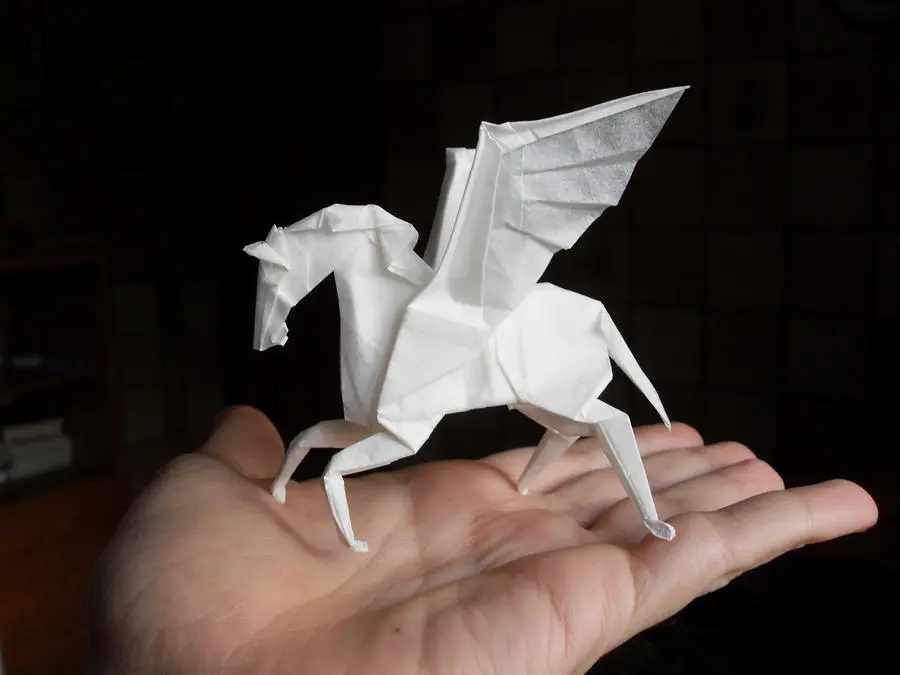
A hundred dollars of craft supplies will not make you a better folder. A sheet of the wrong paper can ruin a model in four folds, though. Getting your origami materials and tools right is mostly about picking the paper well and knowing which extras you can skip.
This guide covers paper types and weights, the tools folders commonly use, when glue shows up, and what you need if you try kirigami. Everything here is listed from "must have" to "nice to have." If you want the wider picture of the craft first, go Back to the complete origami guide.
What Materials Do You Need for Origami?
The honest minimum is short. You need square paper and a hard, flat surface. That is it. Many people fold their first models with nothing more.
Everything else sits in two groups. The first group is things that make folding easier, like a bone folder. The second group is things for special jobs, like cutting tools for kirigami. You can add these one at a time, only when a project asks for them.
|
Item |
Job |
Needed to start? |
|
Square paper |
The material you fold |
Yes |
|
Hard, flat table |
Keeps creases sharp |
Yes |
|
Bone folder |
Presses creases flat |
No |
|
Ruler |
Measures and trims paper |
No |
|
Tweezers |
Reach into small folds |
No |
|
Scoring tool |
Marks fold lines on thick paper |
No |
|
Glue |
Holds some boxes and modular models |
No |
|
Craft knife and mat |
Cutting, mainly for kirigami |
No |
Origami Paper Types
Paper matters more than any tool. A good model in the wrong paper can feel like fighting a stiff door. A plain model in the right paper can feel easy.
Kami: The Standard Choice
Kami is a thin, light paper made for folding. It is often colored on one side and white on the other, which helps when a diagram asks you to turn the paper over. It holds a crease well and is cheap, so it is the usual first paper.
The most common size is 15 cm (about 6 inches) square. For more about how to choose among all the options, see Origami Paper: Types & How to Choose.
Other Common Papers
- Washi: a traditional Japanese paper with a rich texture. It looks lovely and often folds well, but it can cost more and varies a lot from sheet to sheet.
- Foil paper: thin metal-looking sheets that hold sharp shapes. They keep a crease very firmly, which means a bad fold is hard to undo.
- Patterned paper: printed designs, good for decorations. Check that the paper is not too thick.
- Tissue-weight papers: very thin, good for delicate models, but they tear more easily.
- Strong, thick papers: used for wet-folding and for sculptural work. These need practice.
Printer paper is another option. It works for simple models once you cut it into a square. It is stiffer than kami, so models with many layers get hard to close.
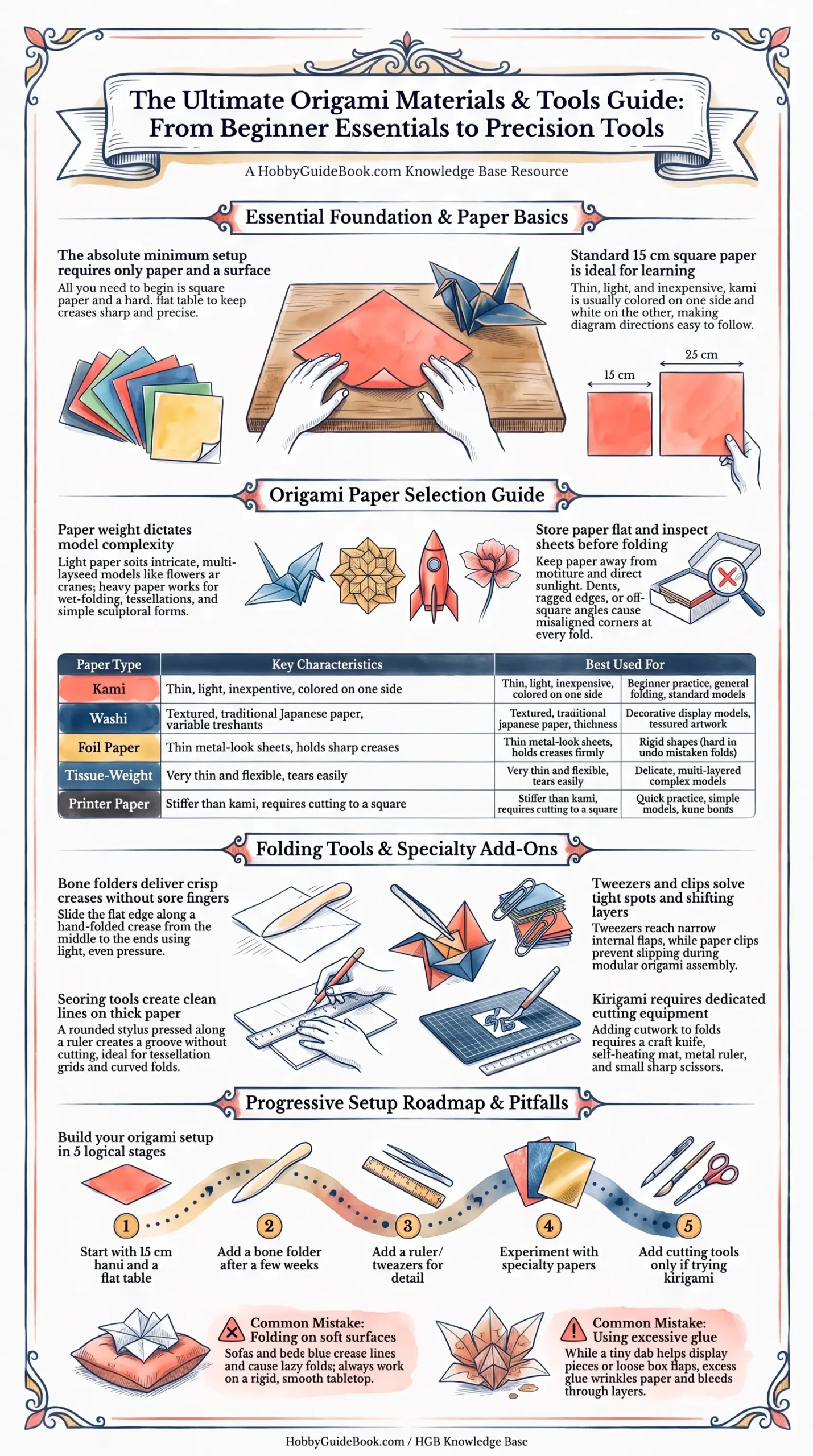
Photo Credit: Hobby Guidebook Editorial
What Paper Is Best for Origami?
For most people, the best paper is kami. It is thin, easy to buy, and forgiving. Move to other papers when your folds are clean and you want a certain look or a certain job done.
What Weight of Paper Is Suitable for Origami?
Paper weight is how heavy a sheet is, often given in grams per square meter (gsm). A higher number means thicker paper. Thin kami is usually somewhere in the range of ordinary printer paper or lighter, though exact numbers differ by maker, so treat any figure as a rough guide.
Here is a practical way to think about it.
|
Paper weight |
Feels like |
Good for |
|
Light |
Thin and flexible |
Models with many layers, like a crane or a flower |
|
Medium |
Like printer paper |
Simple models, boxes, practice |
|
Heavy |
Stiff and thick |
Wet-folding, large simple shapes, tessellation experiments |
Lighter paper usually suits beginner folding better, since layers stack up quickly. If a fold feels strained or the paper keeps springing open, try a thinner sheet before you blame your hands.
Paper Size Matters Too
A 15 cm square is easy to hold. Sheets near 7.5 cm are fun but tough on the fingers. Sheets of 25 cm or larger make detailed models easier to fold neatly, because small folds have more room.
Start with 15 cm. If you plan a model with a lot of tiny steps, go larger and fold it again smaller once you know the sequence.
Keeping Paper in Good Shape
Paper that is bent, damp, or dusty folds badly. Store it flat in a folder, a box, or between two sheets of card. Keep it away from damp spots and direct sun, which can fade color over time.
Check each sheet before you fold. Look for dents, creases, and ragged edges, and pick another sheet if the corners are not square. A square that is slightly off will make corners miss each other at every step. If you trim your own squares, measure twice and cut once.
Origami Tools List
Now the tools. You can fold with none of these, but each one has a job. Here is what folders commonly use.
Bone Folder
A bone folder is a smooth, flat tool that presses a crease sharp. It was traditionally made from bone, and many today are plastic or wood. You slide the flat edge along the fold, and it does what a fingernail does, only with more even pressure.
Do you need one? No. A fingernail works fine for your first models. A bone folder becomes worth it when you fold lots of models, or use thicker paper where your nails get sore. Learn more in our guide to the Bone Folder for Origami.
How to Use a Bone Folder
If you pick one up, the method is simple. Here is how I would use it on a basic crease.
- Make the fold with your fingers first. Line up the edges and corners before any tool touches the paper.
- Hold the paper still with one hand. A moving sheet shifts the crease.
- Slide the flat edge along the fold. Press from the middle toward the ends with light, even pressure.
- Check the line. It should look straight and sharp, with no ripples.
Press gently on thin paper. Too much force can polish or tear it, especially on delicate sheets.
Scoring Tool
A scoring tool presses a groove into the paper along a line so the fold lands in the right place. It can be a stylus that is a thin, rounded point, and you run it beside a ruler. It does not cut the paper.
When is it useful? Scoring helps on thick or stiff paper, where a plain fold can be crooked or crack the surface. It is also handy for tessellation grids and curved folds, where you mark many lines before folding. For simple models in kami, you can skip it. Many folders buy one only after they hit a stiff sheet that refuses to fold cleanly. A plain pen with the cap on can work in a pinch, as long as it leaves a groove and no ink.
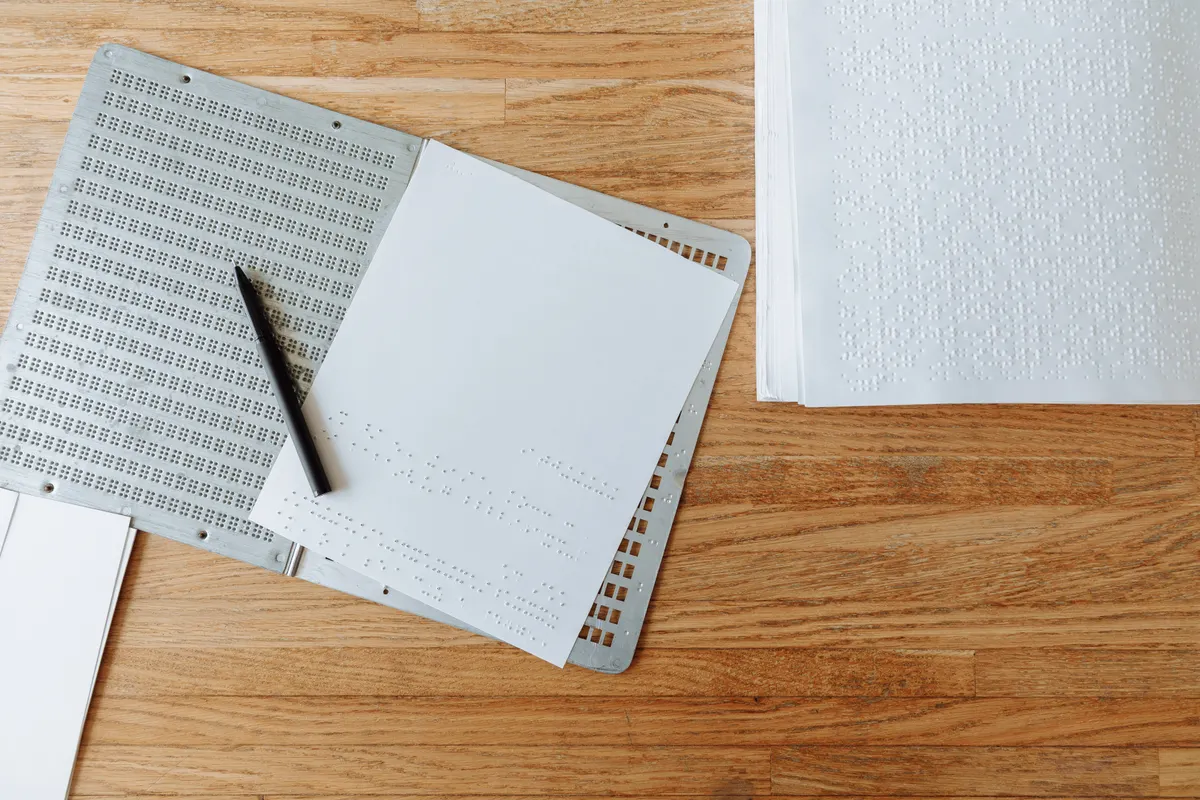
Photo Credit: Thirdman
Ruler
A ruler helps you measure and trim a square from a larger sheet. A metal ruler is better than a plastic one if you will be cutting along it. Many folders also use it to line up long creases.
Tweezers
Tweezers reach into tight spots, like a narrow flap in a small model. They are not for beginners' first models, but they are a handy aid for tiny work.
Paper Clips and Clamps
Small clips hold folded layers in place while you work on the next step. They are useful in modular origami, where pieces can slip apart as you join them.
A Good Work Surface
This is a tool, too. A hard, flat table gives you a crisp crease. A soft surface like a bed or a sofa blurs the line and makes folds lazy. Our crane and beginner guides assume a hard table.
Is Glue Used in Origami?
Traditional origami uses no glue and no cutting. That rule is part of how many people define the craft. Even so, glue shows up in some places, and it is fine to know when.
- Some boxes and containers: a small dab can hold a flap that would otherwise pop open.
- Some modular models: most units lock by friction, but a few designs use a tiny spot of glue for strength.
- Display pieces: a glued model may last longer if it will be handled or hung.
Whether glue is "allowed" depends on the folder and the community. Some hold firmly to folds only, and others are relaxed. Use a thin, paper-safe glue in tiny amounts, and follow the label for ventilation and cleanup. Too much glue wrinkles the paper and shows through.
Safety note: read the label of any glue before using it, work in a room with fresh air, and keep it away from young children.
What Cutting Tools Are Needed for Kirigami?
Kirigami is a close cousin of origami that adds cutting to folding. Strictly, it sits next to origami, not inside the classic definition. If you try it, you will need a few cutting tools.
|
Tool |
Use |
|
Craft knife (hobby knife) |
Clean, precise cuts |
|
Self-healing cutting mat |
Protects the table and the blade |
|
Metal ruler |
A straight edge to cut along |
|
Small, sharp scissors |
Curves and short cuts |
A craft knife gives the cleanest lines but needs care. A sharp blade is safer than a dull one, because dull blades slip. Always cut away from your body, keep your free hand behind the ruler, and replace the blade when it starts tearing paper.
For beginners, small scissors are a good starting point, since they feel more familiar. Move to a knife once you want finer detail. Practice on scrap paper first, since cutting a curve takes a steadier hand than folding does. Take your time, make several light passes instead of one heavy cut, and stop if the blade drags. Kirigami is a separate craft with its own tricks, so treat it as an add-on, not a requirement.
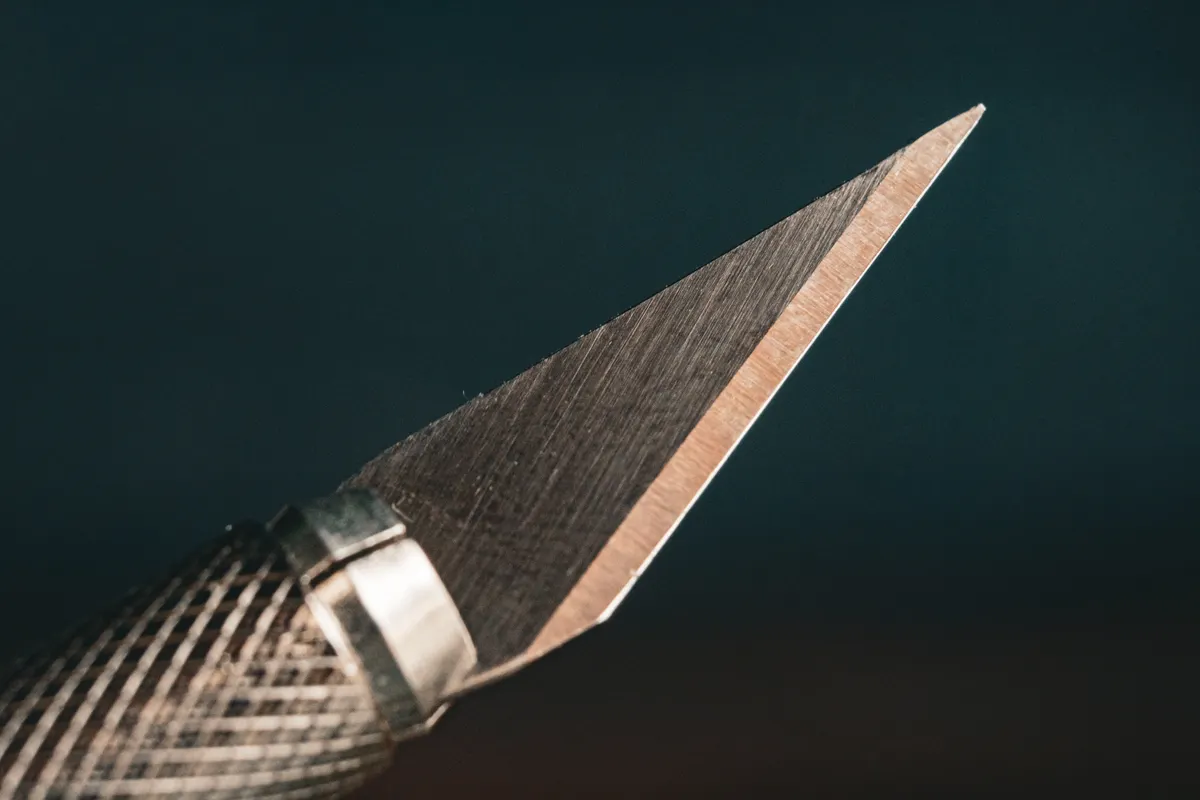
Photo Credit: Defrino Maasy
Building a Simple Starter Setup
If you want to buy as little as possible, here is a sensible order.
- Start with kami. A pack of 15 cm squares is plenty.
- Use a hard table. Clear a spot and keep it for folding.
- Add a bone folder after you have folded for a few weeks and want sharper creases.
- Add a ruler and tweezers when a model needs precise trimming or small folds.
- Add specialty paper when you know which style you enjoy.
- Add cutting tools only if you decide to try kirigami.
This order spends money only when your habits ask for it. Many folders find that a pack of paper and a bone folder cover most of what they do.
Common Mistakes with Materials and Tools
These are the slips that waste the most paper and patience.
- Starting with thick paper. Layers pile up fast, so use kami first.
- Buying a big tool set first. You do not need most of it on day one.
- Folding on a soft surface. It blurs the crease.
- Using too much glue. It wrinkles paper and shows through.
- Pushing a dull blade. It tears the paper and can slip.
- Ignoring paper size. A tiny sheet makes simple folds feel fiddly.
The right paper does half the work. The right habit does the rest.
Common Questions About Origami Materials and Tools
What paper is best for origami?
Kami is the best all-around choice, especially for beginners. It is thin, easy to buy, and holds a crease. Other papers such as washi, foil, and heavier sheets suit special jobs.
What weight of paper is suitable for origami?
Light to medium paper suits most models. Thin paper handles many layers better. Heavier paper is better for wet-folding and larger simple shapes. Exact weights vary by maker, so use the numbers as a rough guide.
What tools do origami folders commonly use?
Common tools are a bone folder, a ruler, tweezers, and sometimes a scoring tool and paper clips. Many folders use only paper and their hands for most models.
Do you need a bone folder for origami?
No. A fingernail works for early models. A bone folder helps if you fold often, use thicker paper, or want sharper creases with less effort.
When is a scoring tool useful?
A scoring tool is useful on thick or stiff paper, and for tessellations and curved folds where you mark many lines first. It pushes a groove along a line without cutting the paper.
Is glue used in origami?
Classic origami uses no glue. Some boxes, modular models, and display pieces use a tiny dab of glue. Whether that counts as origami depends on the folder or community.
What cutting tools are needed for kirigami?
You need a craft knife, a cutting mat, a metal ruler, and small sharp scissors. Use sharp blades, cut away from your body, and keep your free hand clear.
Where to Go Next
Good materials make origami easier, but they do not replace careful folding. Start simple, add tools slowly, and let your projects tell you what you actually need. Read the full origami guide to see how paper, tools, and folds fit together.






Leave a Reply