I once wove an entire placemat using only two colors of cardstock, and it still looked more complex than half the projects on my craft table that year. Paper weaving pattern ideas range from that simple two color checkerboard all the way up to diagonal designs that trick the eye into seeing movement across a flat sheet.
This guide walks through the easiest patterns to start with, how to add more colors without the design turning muddy, and which finished projects actually suit a woven look. This article is Part of Paper Weaving, so if you haven't tried the basic technique yet, that's worth reading first before jumping into pattern variations.
Why Pattern Choice Matters in Paper Weaving
The basic over and under motion in paper weaving stays the same no matter what pattern you're aiming for. What changes is the sequence, the color placement, and sometimes the angle of your strips, and those small shifts completely change how the finished piece looks.
A beginner sticking to plain weave with two colors ends up with a clean, classic checkerboard. Someone experimenting with strip width, color order, or diagonal cuts can end up with something that looks far more advanced, even though the underlying weaving motion hasn't changed at all.
What Is the Easiest Paper Weaving Pattern
Plain weave is the easiest paper weaving pattern, and it's usually the first one any beginner learns. It uses a simple over one, under one rhythm, alternating with each new strip so the finished piece forms a checkerboard style grid.
Here's why plain weave works so well as a starting point:
- The pattern is predictable, since every strip follows the exact same alternating rule as the one before it.
- Mistakes are easy to spot, because a strip that's out of sequence stands out clearly against the grid pattern.
- It works with any paper width, so beginners don't need precisely cut strips to get a clean result.
- It looks finished quickly, often taking under thirty minutes for a small square or card panel.
I still default to plain weave whenever I'm short on time or teaching someone the technique for the first time. It's forgiving, fast, and honestly still looks good even on a rushed project.
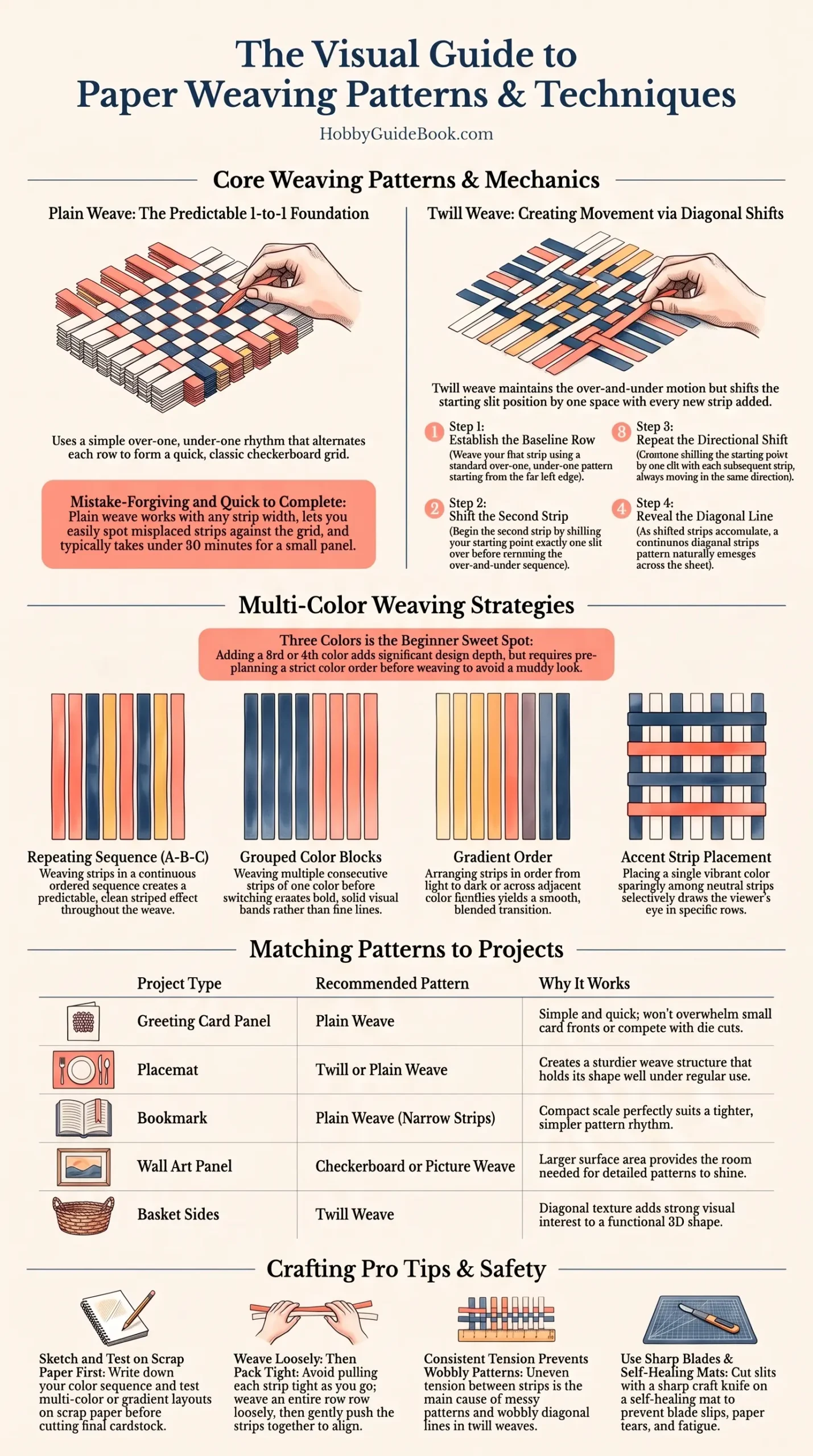
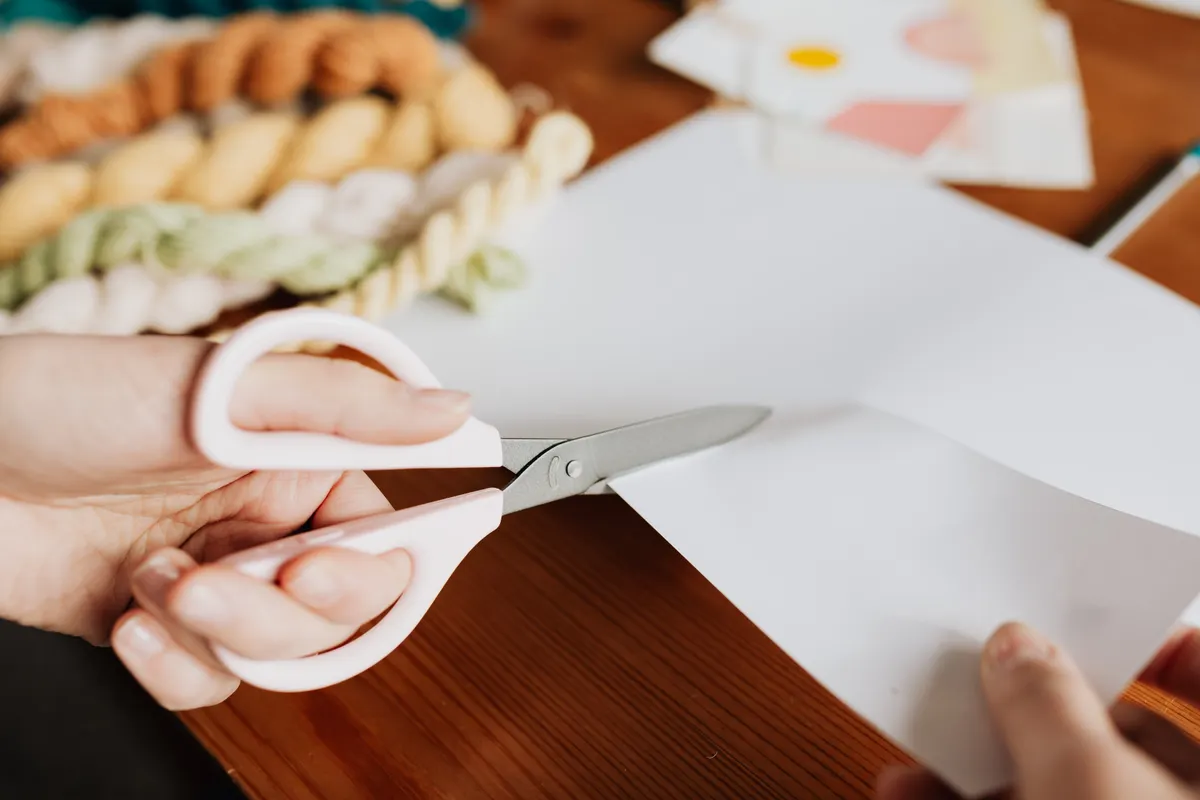
Photo Credit: Hobby Guidebook Editorial
What Paper Weaving Patterns Work Well for Cards or Mats
Different finished projects call for different pattern choices, mostly based on how much detail or texture makes sense for the item's size.
|
Project |
Recommended Pattern |
Why It Works |
|
Greeting card panel |
Plain weave |
Simple, quick, and doesn't overwhelm a small card front |
|
Placemat |
Twill or plain weave |
Sturdier weave holds shape well under regular use |
|
Bookmark |
Plain weave, narrow strips |
Compact size suits a tighter, simple pattern |
|
Wall art panel |
Checkerboard or picture weave |
Larger surface area allows more detailed patterns to shine |
|
Basket sides |
Twill weave |
Diagonal texture adds visual interest to a functional shape |
Card panels usually look best with plain weave, since a card is small and a busier pattern can feel cluttered against other design elements like stamped images or die cuts. Larger projects like wall art or placemats have more room to handle a bolder pattern without looking overwhelming.
Can Paper Weaving Use More Than Two Colors
Yes, and adding a third or fourth color opens up noticeably more design options, though it does take a bit more planning than a simple two color grid. The key is deciding on a color order before you start weaving, rather than grabbing strips randomly as you go.
A few reliable approaches for multi color weaving:
- Repeating sequence, like color A, B, C, A, B, C, which creates a predictable striped effect running through the weave.
- Grouped color blocks, weaving several strips of one color before switching, creating bolder sections of color rather than thin stripes.
- Gradient order, arranging strips from light to dark, or one color family to another, for a smoother blended look.
- Accent strip placement, using a single bold color sparingly among more neutral strips to draw the eye to specific rows.
I've found that three colors is usually the sweet spot for beginners experimenting with multi color weaving. Four or more colors can look great, but it takes more upfront planning to avoid a design that feels busy instead of intentional.
How Do You Create Checkerboard or Diagonal Paper Weaving Patterns
Checkerboard patterns come from strict plain weave using two contrasting colors, alternating consistently with every single strip. The trick to a clean checkerboard is keeping your strip widths completely even, since any inconsistency throws off the grid alignment almost immediately.
Diagonal patterns, often called twill weave, shift the over and under starting point by one slit with each new strip you add. Here's how that shift works in practice.
- Weave your first strip using a standard over one, under one pattern, starting from the left edge.
- Weave your second strip, but shift your starting point one slit over before beginning the same over and under sequence.
- Continue shifting by one slit with each new strip, always moving in the same direction.
- Watch the diagonal line form as you add more strips, since the shifted starting points create a visible diagonal stripe across the piece.
Twill weave looks noticeably more advanced than plain weave, but it's really just plain weave with a small, consistent shift applied to each row. For the full walkthrough on setting up your base sheet and strips before attempting either pattern, Paper Weaving Basic Technique covers the foundational steps in more depth.
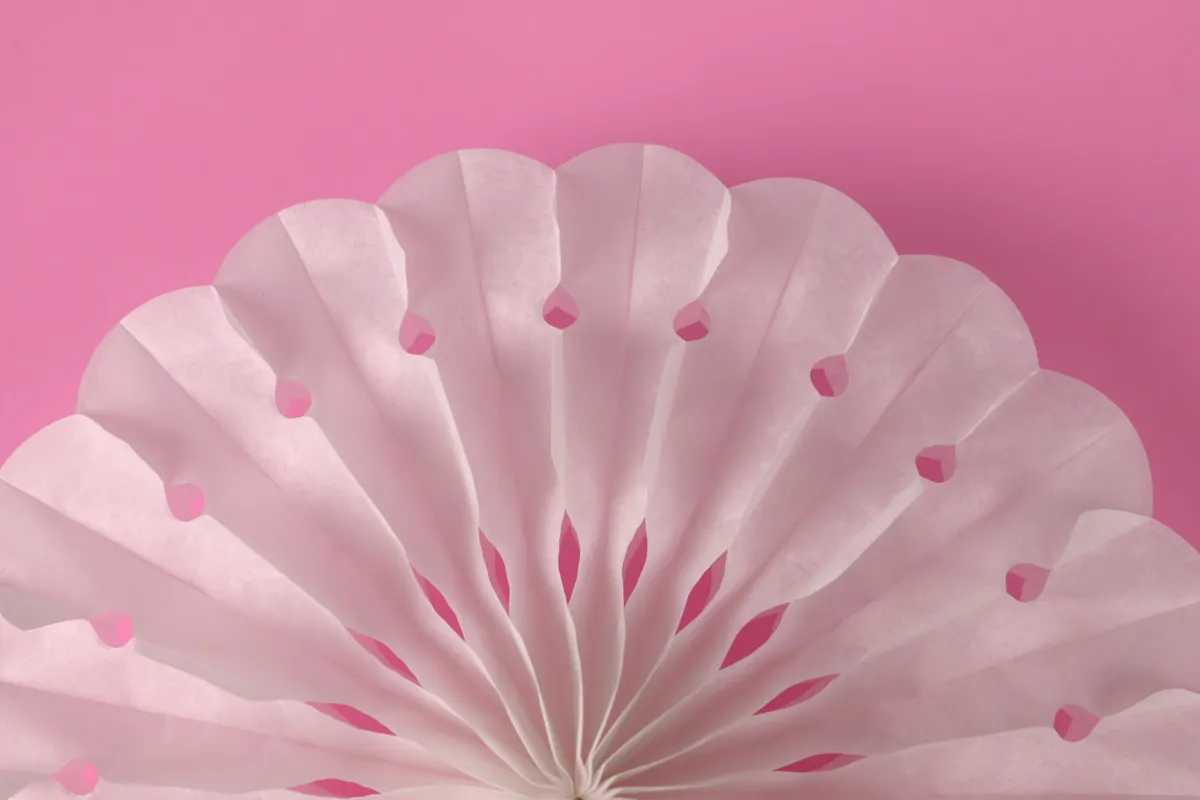
Photo Credit: Valentin Ivantsov
Pro Tips for Trying New Weaving Patterns
A few habits make pattern experimentation go more smoothly, especially once you're moving past plain weave.
- Sketch your color order first, jotting down a quick sequence on scrap paper before committing to your good cardstock strips.
- Cut a few extra strips, since pattern experimentation sometimes means re-weaving a section that didn't land the way you pictured.
- Weave loosely, then tighten, pushing strips together gently once a full pattern row is complete rather than pulling each strip tight as you go.
- Use a sharp craft knife for slits, since a dull blade tears the base sheet, especially along tighter diagonal cuts needed for twill patterns.
- Test on scrap paper first, particularly for gradient or multi color sequences, since planned color order sometimes looks different once actually woven.
A pattern only reads clearly once the weaving tension stays consistent from strip to strip. Uneven tension is the most common reason a promising pattern ends up looking messy once finished.
I learned that lesson weaving my first diagonal placemat, where I got lazy on tension halfway through and the diagonal line visibly wobbled by the last few rows. Slowing down on tension consistency fixed the problem completely on my next attempt.
A quick safety note fits naturally here too, since cutting slits for diagonal or shifted patterns often means more precise, repeated blade work. Always cut on a self-healing mat, keep your guiding hand clear of the blade's path, and take a short break if your cutting hand starts feeling fatigued, since that's usually when small slips happen.
What Projects Work Well With Woven Paper Designs
Beyond basic squares, several finished projects suit a woven paper design particularly well.
- Greeting cards, using a small woven panel as the card's focal point, often framed by a plain cardstock border.
- Placemats, a functional project where twill or plain weave both hold up well under regular handling.
- Bookmarks, compact and quick, ideal for practicing narrow strip weaving.
- Wall art, larger woven panels framed and displayed, especially effective with checkerboard or picture weave patterns.
- Woven baskets, combining weaving with light structural folding for a genuinely functional final piece.
Larger projects give patterns more room to stand out, while smaller ones like cards and bookmarks work best kept simple. This connects to plenty of other layered techniques too, which Paper Craft Techniques by Sub-Craft breaks down in more detail across related paper craft styles.
Photo Credit: Sedanur Kunuk
FAQ
What paper weaving patterns work well for cards or mats? Plain weave suits small card panels best, while twill or plain weave both work well for sturdier projects like placemats.
What is the easiest paper weaving pattern? Plain weave is the easiest pattern, using a simple over one, under one rhythm that's easy to follow and quick to complete.
Can paper weaving use more than two colors? Yes, three or four colors work well with a planned sequence, grouped color blocks, or a gradient arrangement from light to dark.
How do you create checkerboard or diagonal paper weaving patterns? Checkerboard comes from strict two color plain weave, while diagonal twill patterns shift the starting slit by one with each new strip.
What projects work well with woven paper designs? Cards, placemats, bookmarks, wall art, and woven baskets all suit paper weaving, with project size guiding how bold the pattern should be.
Final Thoughts
Once plain weave feels comfortable, experimenting with color order and diagonal shifts opens up a surprising amount of design variety from the same basic technique. Start small, track your color sequence, and you'll find a pattern that fits whatever project you're working toward.
Read the full paper crafts guide for more techniques and pattern ideas across every paper craft.



Leave a Reply