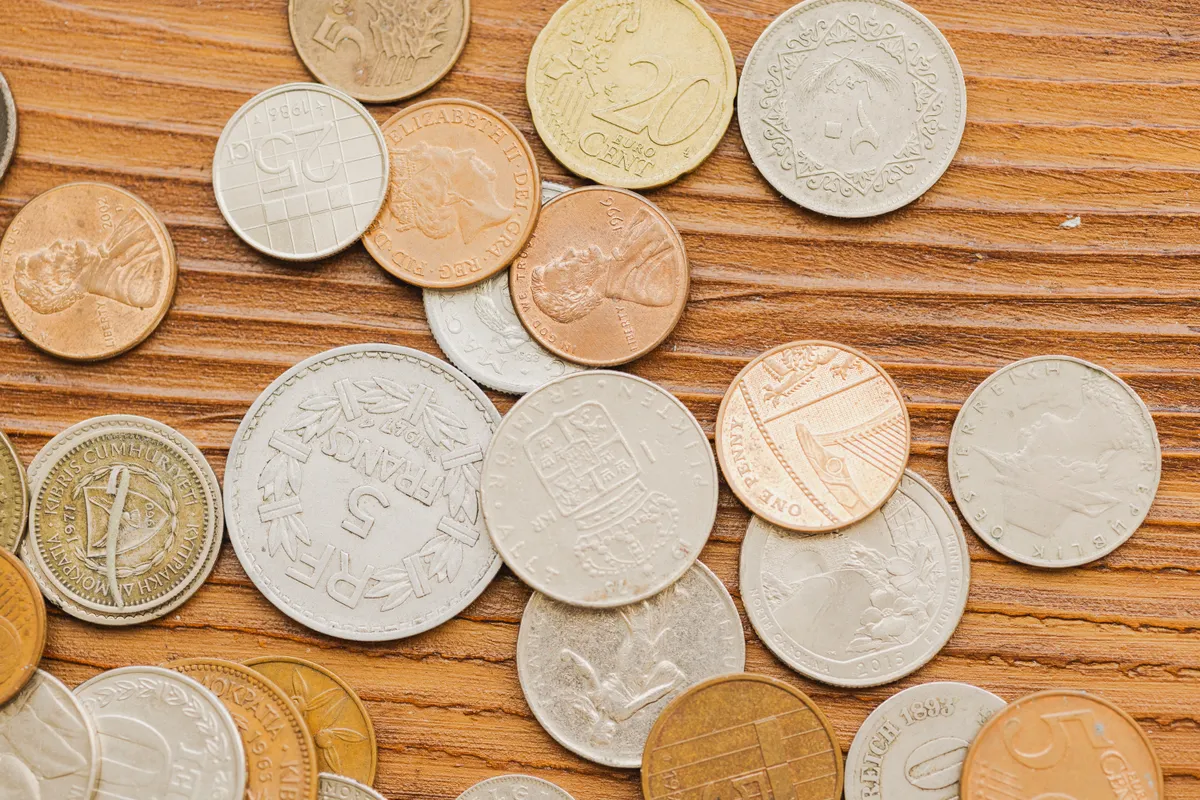
A coin landed in my change jar years ago with writing I couldn't read and a design I'd never seen, and I had zero idea what country it even came from. That mystery is exactly why learning identifying world coin country of origin turns confusing pocket change into something you can actually understand and enjoy.
This article is part of World Coin Collecting Techniques, our broader series on building real skill with foreign currency.
Why Country Identification Matters
Coin collecting, or numismatics, is about acquiring and organizing coins by country, era, and mint mark, and none of that sorting works if you can't pin down where a coin came from first. World coin country identifier skills genuinely become the foundation everything else builds on.
I still remember the small thrill of finally matching that mystery coin to its country after a slow evening of comparing designs. That patient, step by step process is genuinely what makes this hobby so rewarding.
Tools You'll Genuinely Want on Hand
Having the right resources ready genuinely saves you from hours of guessing.
|
Tool |
Purpose |
|
World coin reference catalog |
Matching designs to known countries |
|
10x magnifying loupe |
Reading small emblems and lettering clearly |
|
Alphabet conversion chart |
Decoding unfamiliar scripts |
|
Online coin database |
Searching by image or keyword |
|
Notebook or spreadsheet |
Logging confirmed country matches |
Step by Step: Finding a Coin's Country of Origin
Following the same process every time genuinely builds confidence fast.
- Study the national emblem, since coats of arms often point straight to a country
- Read any visible text, even a few recognizable letters can narrow things down
- Check the currency name, terms like peso or franc suggest a country group
- Note the coin's size and metal, since these details vary by region and mint
- Search a reference catalog, comparing your coin against known entries
- Confirm with an online database, cross checking before recording the result
Working through these steps in order genuinely matters more than rushing to a guess. I've found that skipping straight to an online search without first studying the emblem and text often leads to picking the wrong match out of several similar looking coins. A slow, methodical pass through each clue almost always gets you to the right country on the first real attempt.
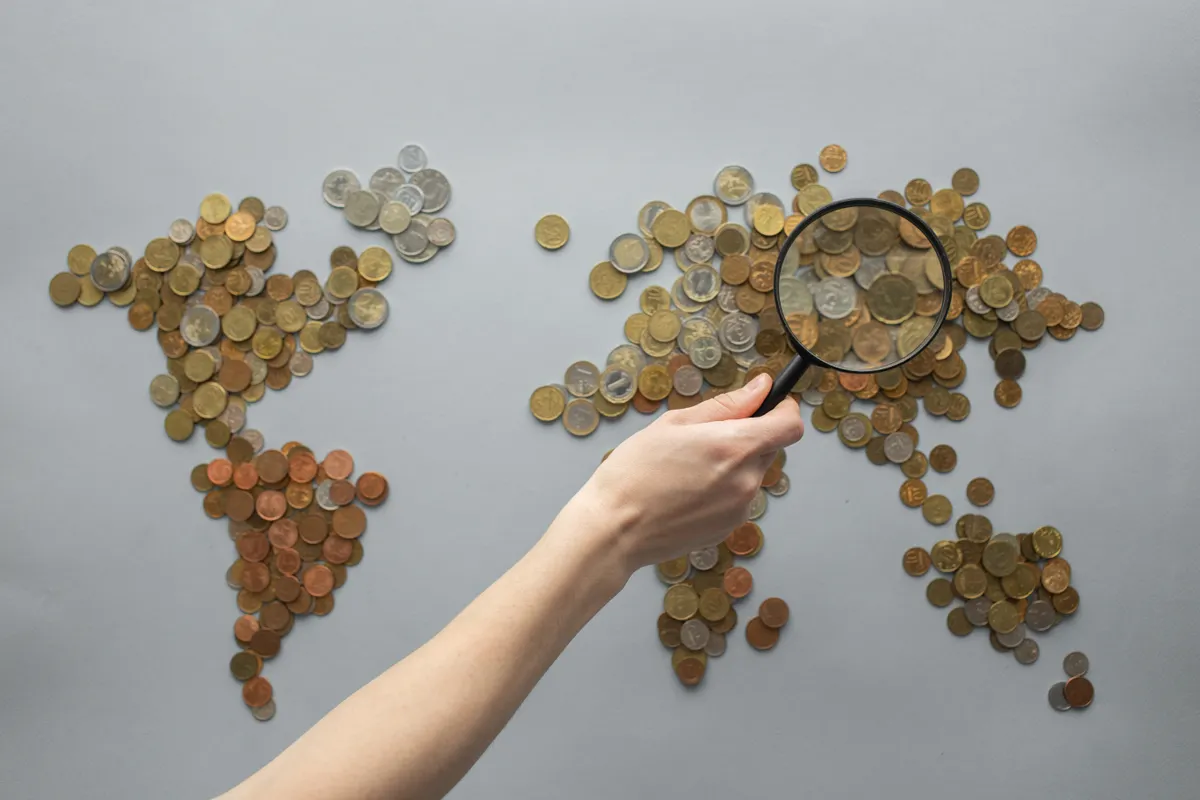
How Can Unfamiliar Alphabets or Scripts Be Decoded?
Genuinely, this step trips up more beginners than anything else on the list.
- Arabic script, common across many Middle Eastern countries
- Cyrillic script, found on coins from Eastern Europe and Central Asia
- Chinese characters, appearing on coins from China and nearby regions
- Devanagari script, used on Indian coinage and related currencies
An unfamiliar alphabet coin ID genuinely becomes manageable once you have a simple conversion chart to compare characters against. For deeper help matching a coin's exact value once the country is confirmed, our guide to Identifying World Coin Denominations walks through that process in detail.
"An unreadable coin isn't a dead end, it's just missing its translation." That mindset genuinely changed how I approach every unfamiliar piece that lands in my collection.
How Can Denomination and Date Help Identify a Coin?
Denomination and date genuinely work alongside country clues to confirm a match. Denomination narrows the search, since certain values only exist in specific countries, while the date helps narrow the era by matching known design changes over time. Combined details genuinely confirm accuracy, since country, value, and date rarely line up by accident on a coin that doesn't actually belong to that match.
- Denomination narrows the search, since certain values only exist in specific countries
- Date narrows the era, helping match design changes over time
- Combined details confirm accuracy, since country, value, and date rarely align by accident
- Mismatched details signal a problem, worth a second check before logging the coin
Safety note: When handling older or corroded foreign coins, avoid prolonged direct skin contact, since some older alloys can genuinely leave residue behind.
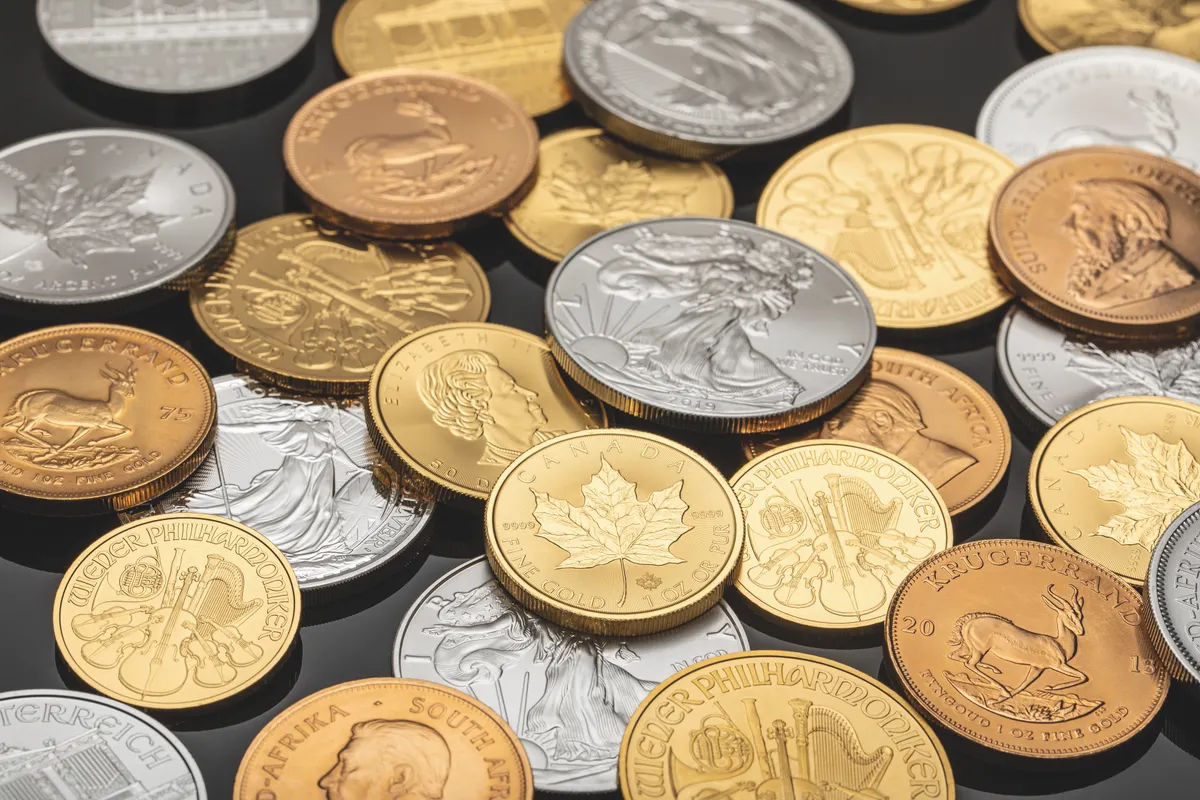
What References Are Best for Identifying World Coins?
A handful of trusted resources genuinely cover most coins you'll ever come across.
- Standard world coin catalogs, organized by country and year
- Online identification databases, searchable by image or description
- Numismatic society resources, often free and genuinely reliable
- Collector forums, useful for a second opinion on tricky pieces
Our dedicated World Coin Country Reference page organizes many of these details by nation, which genuinely speeds up the matching process.
When Is Expert Identification Needed?
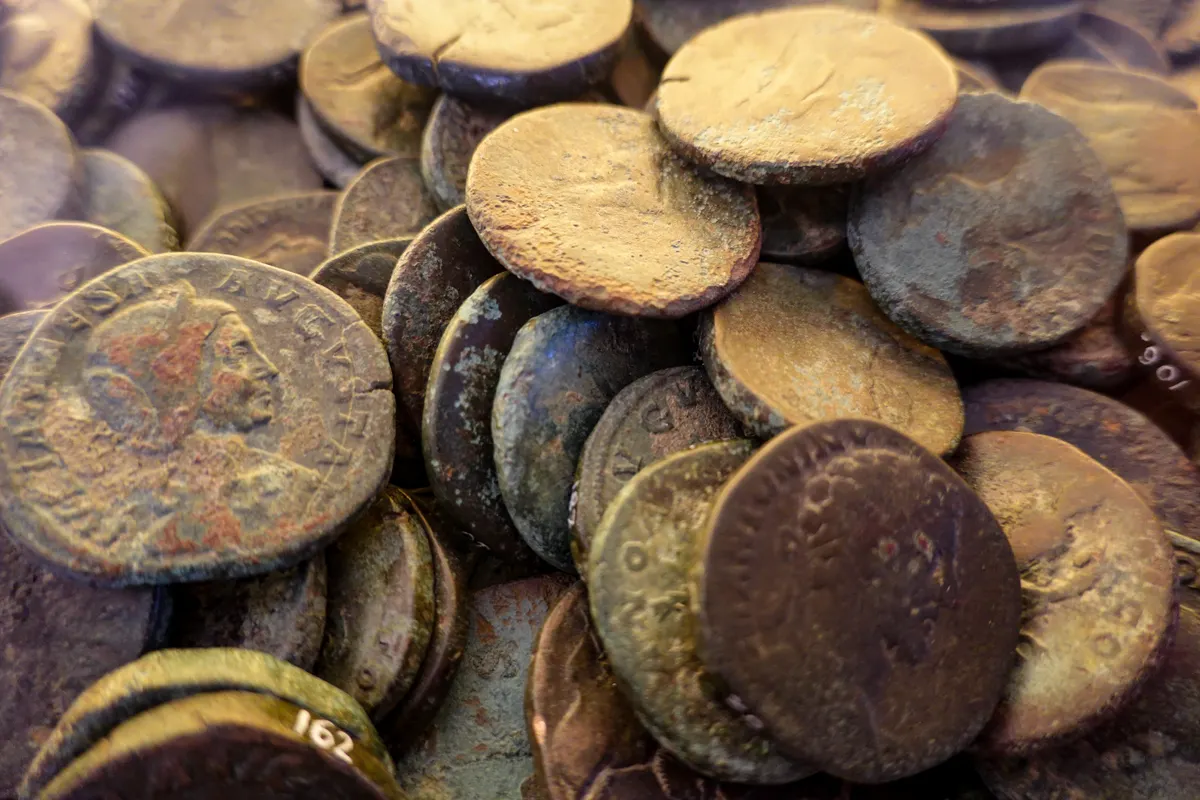
Genuinely, some coins stay difficult even after working through every step above. Heavily worn coins are a common culprit, since emblems and text can be barely visible after decades of circulation. Ancient or obscure issues often lack clear modern catalog matches, and suspected rarities are genuinely worth a professional opinion before any sale changes hands.
- Heavily worn coins, where emblems and text are barely visible
- Ancient or obscure issues, lacking clear modern catalog matches
- Suspected rarities, worth a professional opinion before any sale
- Conflicting database results, when two sources genuinely disagree
Common Mistakes Beginners Make
- Skipping the emblem check, missing the fastest identification clue available
- Ignoring size and metal, overlooking useful regional details
- Guessing instead of decoding, rather than using an alphabet chart properly
- Rushing the confirmation step, logging a coin before fully cross checking it
Frequently Asked Questions
How do you identify the country of origin of a foreign coin? Check the national emblem, visible text, currency name, and any mint marks present.
How can unfamiliar alphabets or scripts be decoded on coins? Use an alphabet conversion chart to match unfamiliar characters to known letters.
What references are best for identifying world coins? Standard catalogs, online databases, numismatic societies, and collector forums all help.
How can denomination and date help identify a foreign coin? Together they confirm accuracy by narrowing down era, value, and likely country.
When is expert identification needed for a difficult world coin? When wear, ambiguity, or conflicting sources make a confident match impossible.
Final Thoughts
Identifying world coin country of origin genuinely turns a pile of unfamiliar change into a collection with real meaning behind every piece. Start with the national emblem, work through the visible text, and confirm with a trusted catalog before logging anything as final.
Start from the complete coin collecting guide for the full roadmap covering every stage of the hobby.





Leave a Reply