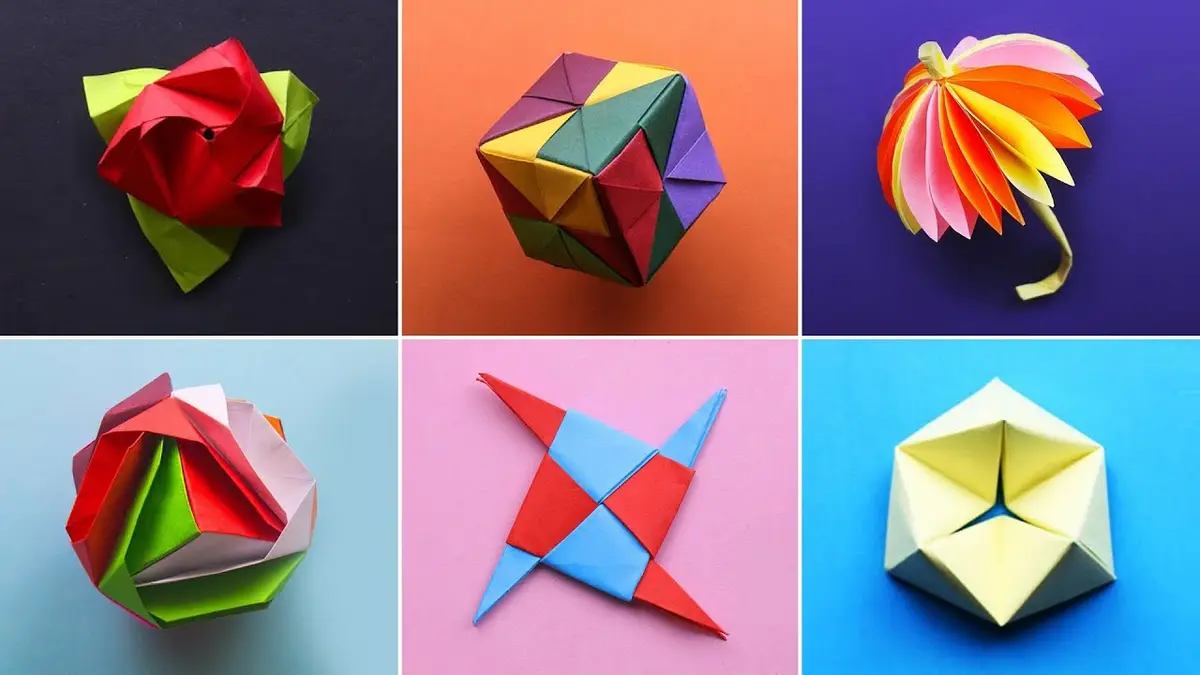
I still remember the first time someone handed me a finished modular star and asked, "so this is origami too?" I'd only ever folded cranes from a single square, so my honest answer was, "I have no idea what that even is." That confusion is exactly why the types of origami matter, and once you understand them, picking your next project stops feeling like guesswork.
This guide is Part of Origami Basics, and it walks through every major style you'll run into, from the folds your grandkid learns in school to the wet-folded animals that look almost alive under the right light.
Why Origami Isn't Just One Hobby
Origami looks like a single craft from the outside, but it's really a cluster of related crafts that share only two firm rules. No cutting, no gluing, just hands and paper. Beyond that, each style has its own culture, its own favorite tools, and its own stubborn moment where one bad crease quietly wrecks an otherwise good fold.
Understanding the different origami categories early saves you from a common beginner mistake. New folders often grab a complex tessellation pattern before they've built the basic hand skills a simpler fold teaches first. I've watched plenty of people get frustrated not because they lacked patience, but because they picked a style that didn't match where their hands actually were yet.
Knowing your options also changes how you shop for paper, since a sheet perfect for a crane can completely fail at a wet-folded fox. That's the practical reason this guide exists, not just to name the styles, but to help you match the right one to your current skill and your patience for that day.
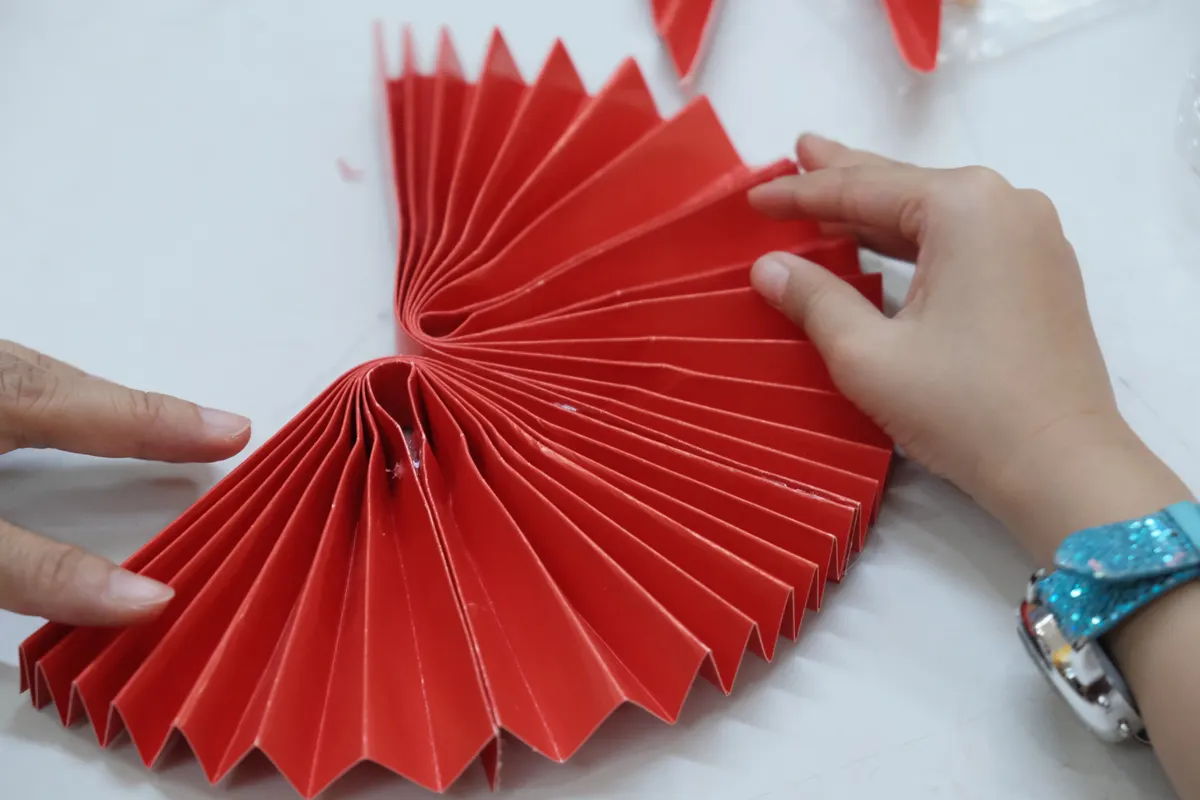
Photo Credit: Nguyen Huy
What Are the Main Types of Origami?
There are seven types of origami most folders will run into over time, ranging from beginner-friendly to genuinely advanced. I've folded in every one of these styles myself, and each feels completely different in the hands, from the calm rhythm of traditional folds to the nerve-wracking precision tessellations demand.
Some styles focus on a single sheet. Others use dozens of matching pieces. A few aren't really about the finished shape at all, but about how simplified or complicated the folding process itself gets along the way.
Materials That Fit Different Origami Styles
Different origami styles call for different materials, and using the wrong one is one of the most common reasons a fold fails halfway through. Thin paper that works beautifully for a traditional crane will often tear apart the moment you try wet-folding with it.
Here's a breakdown of what I reach for depending on the style I'm attempting that day.
|
Item |
Best Used For |
Notes |
|
Kami paper (standard origami paper) |
Traditional folds, beginners |
Thin, holds a crease well, tears if over-folded |
|
Foil-backed paper |
Modular units, sharp points |
Holds shape but foil can crack if folded too fast |
|
Elephant hide or thick cotton paper |
Wet-folding |
Absorbs moisture without falling apart |
|
Bone folder |
Sharpening any crease |
Smooths fibers without tearing the paper |
|
Tweezers |
Tessellations, small modular pieces |
Helps tuck tiny flaps without leaving fingerprints |
|
Spray bottle or damp sponge |
Wet-folding only |
Keep water light, soggy paper rips easily |
|
Ruler and straight edge |
Pureland and geometric folds |
Keeps straight lines crisp and consistent |
Notice how tools like the bone folder and tweezers show up across multiple styles, while the spray bottle only belongs to one very specific technique. Matching tool to technique is half the battle before you've even folded a single crease.
The 7 Types of Origami, Explained One by One
1. Traditional Origami
Traditional origami is the style most people picture first when they hear the word. It uses one square sheet, no cutting, no glue, and follows folding sequences that have often been passed down for generations through books, classrooms, and family kitchen tables.
Cranes, boxes, and simple flowers all fall into this category. This is where I'd tell any beginner to start, since the paper is forgiving and mistakes cost almost nothing when a fresh sheet is just a few cents.
Traditional folds also teach the foundational bases, like the bird base and waterbomb base, that show up again later in nearly every other style on this list.
2. Modular Origami
Modular origami builds one larger shape out of many identical, smaller units. Each piece is folded the same way, then tucked or slotted into the next unit without any adhesive holding the whole thing together.
I've spent full evenings locking modular stars into place, and the tricky part isn't usually any single unit. It's keeping every fold identical, because even a slightly uneven crease on one piece can throw off how the whole shape sits once it's assembled.
Kusudama balls and Sonobe cubes are two of the most common starting points if you want to try this style without needing dozens of units right away.
3. Wet-Folding Origami
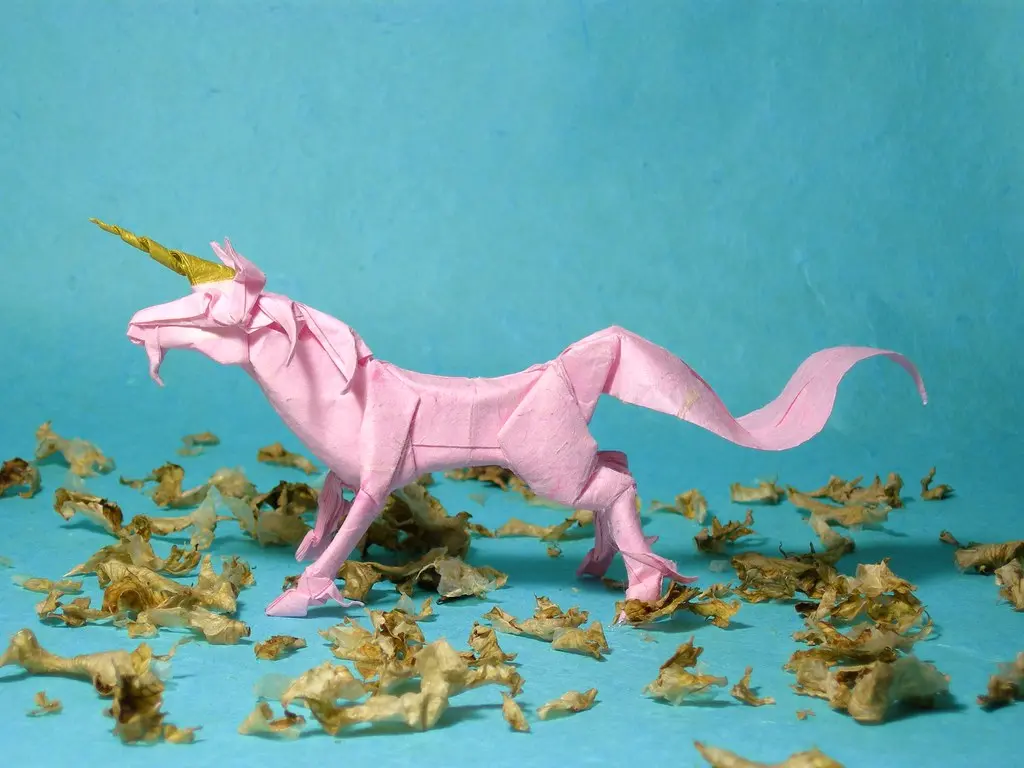
Wet-folding uses lightly dampened, thicker paper to create soft, rounded curves instead of sharp, angular creases. It's especially popular for animals like foxes, elephants, and bears, where a natural, sculpted look matters more than crisp geometric lines.
You only need a light mist, not a soaked sheet. Too much water weakens the paper fibers, and the whole model can sag, wrinkle, or tear before it even has a chance to dry properly.
Safety note: always let wet-folded models dry fully in open air before storing them, since trapped moisture against a shelf or display case can lead to mold over time.
4. Pureland Origami
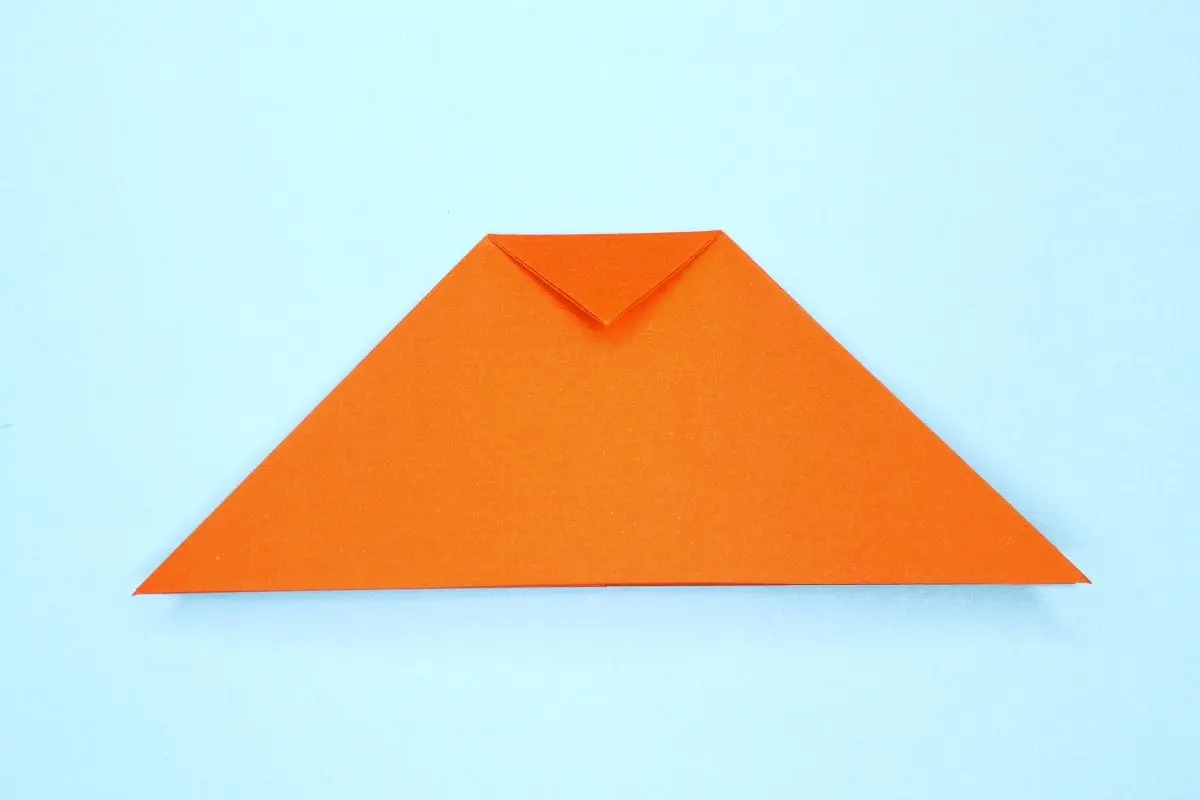
Pureland origami is a simplified style that only allows mountain and valley folds, made one at a time, with no complicated reverse folds or hidden steps in between. It was designed specifically to make origami accessible to beginners and to people with limited hand mobility.
If a folding sequence keeps overwhelming you, look for a Pureland version of that same model online. The final shape is often a little simpler, but the technique itself is far easier to follow step by step without backtracking.
I still recommend Pureland folds to anyone teaching a first-time folder, especially kids, because there's very little room for the kind of confusion that leads to a wrecked sheet.
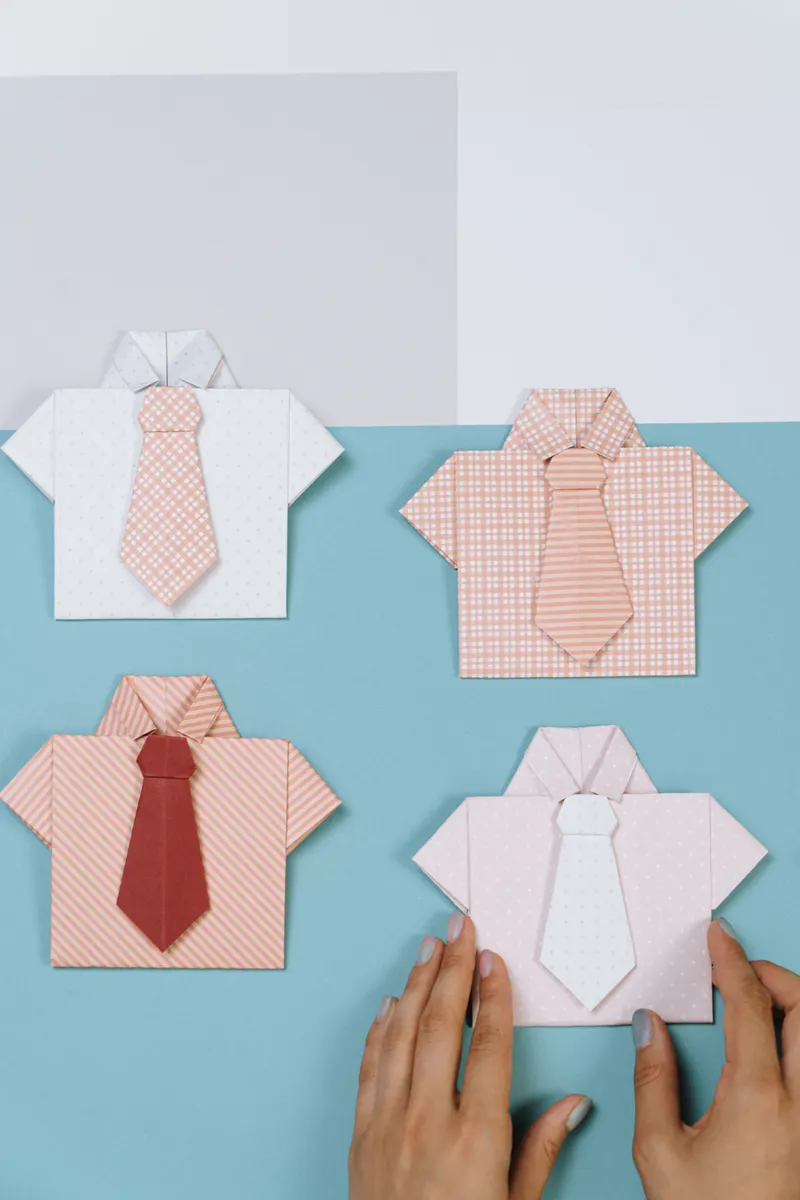
Photo Credit: cottonbro studio
5. Action Origami
Action origami creates models that actually move once they're finished. Think flapping birds, jumping frogs, or paper balloons you can gently inflate by blowing into a small opening at the base.
These models teach tension and structure in a way static folds simply don't. You learn quickly that a slightly loose crease means the mechanism won't move the way it's supposed to, no matter how good the model looks sitting still.
Action folds are also a great way to keep younger folders engaged, since the payoff isn't just a finished shape, it's a shape that does something.
6. Tessellation Origami
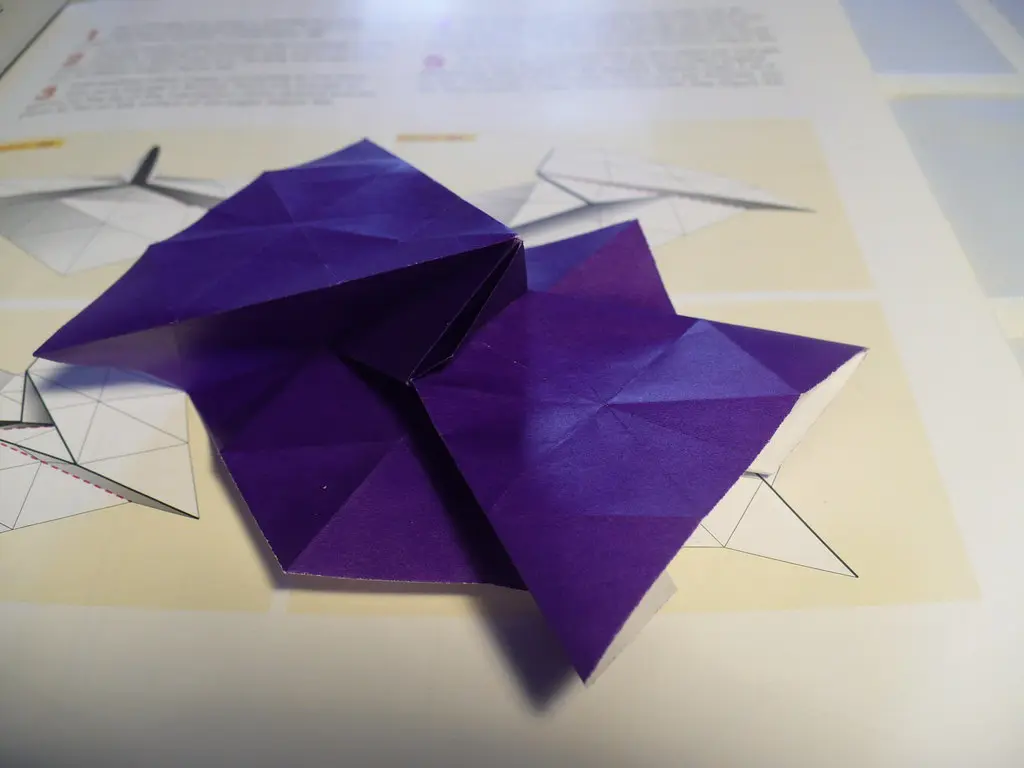
Tessellation origami repeats a single geometric pattern across an entire sheet, creating a woven, pleated, or textured surface rather than a recognizable object like an animal or box. It's closer to pattern-making than traditional sculpture.
This style demands real precision. A single crease that's off by even a millimeter at the start throws off every repeated pattern that follows, which is exactly the kind of mid-fold trouble that quietly ruins an otherwise promising sheet.
Most tessellation folders work from a printed crease pattern rather than a step-by-step diagram, which is worth knowing before you attempt your first one.
7. Complex and Super-Complex Folds
This isn't really a separate category so much as a skill ceiling that sits above the others. Advanced folders combine traditional bases, wet-folding techniques, and dozens of intermediate steps into single models that can take several hours to complete.
If you're curious how these techniques actually connect and build on each other, Origami Techniques Explained breaks down the folding methods behind each style in more detail.
How These Styles Differ in Skill and Time
It helps to think about each style in terms of two things, how hard it is to learn and how long a single project actually takes. These don't always line up the way people expect.
- Traditional and Pureland folds are quick to learn and quick to finish, usually under twenty minutes once you know the sequence.
- Action origami takes a bit more practice to get the mechanism working smoothly, but individual models are still fairly fast.
- Modular origami isn't technically hard per unit, but assembling twelve or thirty matching pieces adds real time to the project.
- Wet-folding requires patience for drying time as much as folding skill, since rushing the process undoes the sculpted look.
- Tessellations are the slowest to learn well, because precision matters more than speed at every single stage.
Pro Tips for Trying New Origami Styles
- Start with kami paper before moving to foil or specialty sheets, since cheaper paper lets you make mistakes without any guilt attached.
- Dry your hands fully before wet-folding, so you don't accidentally add extra moisture to areas of the sheet that need to stay crisp.
- Label your modular units in small batches if a pattern uses more than one color, since mixed-up pieces are a common source of lopsided final shapes.
- Don't rush foil paper. It creases fast and holds shape well, but pushing too hard on a fold can crack the foil layer permanently.
- Reread the crease pattern before starting a tessellation, since fixing an early mistake later usually means unfolding the entire sheet from scratch.
- Keep a small bowl of water nearby during wet-folding sessions rather than fully soaking paper ahead of time, so you can control moisture fold by fold.
A folder I once learned from put it simply: the paper always tells you when something's wrong, you just have to stop and listen to it instead of forcing the next step.
That advice has stuck with me longer than almost any specific folding sequence I've memorized. Half of getting better at any of these styles is learning to notice resistance in the paper before it becomes a torn corner.

Photo Credit: Ann H
Comparing Origami Styles at a Glance
|
Style |
Skill Level |
Sheets Needed |
Typical Look |
|
Traditional |
Beginner |
1 |
Clean, geometric |
|
Pureland |
Beginner |
1 |
Simple, blocky |
|
Action |
Beginner to Intermediate |
1 |
Moving parts |
|
Modular |
Intermediate |
Multiple |
Interlocking, layered |
|
Wet-Folding |
Intermediate to Advanced |
1, thicker stock |
Rounded, sculptural |
|
Tessellation |
Advanced |
1, precise grid |
Patterned, woven |
Use this table less as a strict ladder and more as a rough map. Plenty of folders jump between traditional and action styles for years before ever trying a tessellation, and that's a completely normal path.
If any of the terms in this guide, like base, flap, or crease pattern, feel unfamiliar, our Origami Terminology guide explains every folding term in plain language before you dive into a new style.
Frequently Asked Questions
What are the main types of origami? The main types of origami are traditional, modular, wet-folding, Pureland, action, and tessellation folding. Each uses the same no-cut, no-glue rule but produces a very different finished result and folding experience.
What is traditional origami? Traditional origami uses a single square sheet folded by hand into a recognizable shape, like a crane or box, following sequences that are often centuries old and widely documented.
What is modular origami? Modular origami combines several identical, individually folded units into one larger three-dimensional shape without any glue holding the pieces together, relying instead on tucked, interlocking folds.
What is wet-folding origami? Wet-folding origami uses lightly dampened, thicker paper to create smooth, curved shapes instead of sharp, angular creases, and it's especially common for realistic animal models like foxes or bears.
What is Pureland origami? Pureland origami is a simplified style that only uses basic mountain and valley folds, one at a time, making it easier for beginners or people with limited hand movement to complete confidently.
What is action origami? Action origami describes any folded model built to move, such as flapping wings, jumping legs, or an inflatable body, once the final folds are locked into place by the folder.
What is tessellation origami? Tessellation origami repeats one geometric fold pattern across an entire sheet, creating a textured, woven surface rather than a single standalone object like an animal or box.
Final Thoughts
Once you know the kinds of origami out there, choosing your next project gets a lot less confusing. Start traditional, try Pureland if a model feels too fussy, and save wet-folding and tessellations for once your hands already know what a clean crease feels like.
Ready to go deeper? Read the full origami guide for everything you need to move from your first fold to your next favorite style.



Leave a Reply