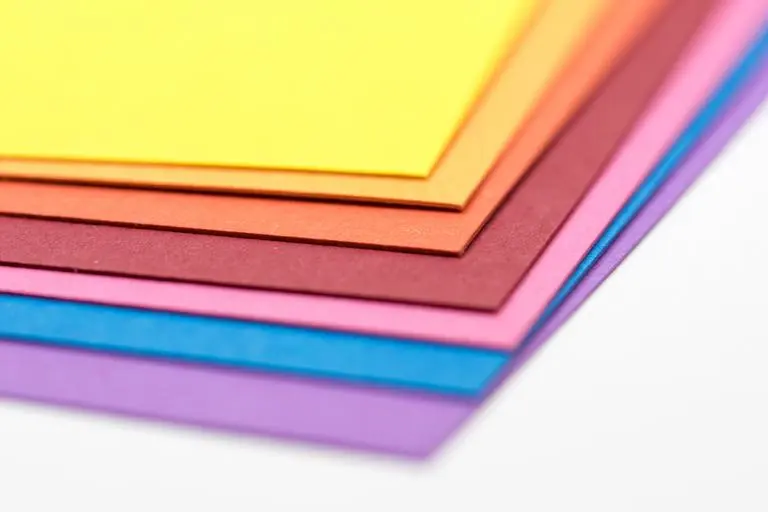
I once tried folding a crane out of a page torn from a notebook, and it looked more like a paper airplane crash than a bird. The paper matters more than most beginners realize, and picking the wrong one is one of the fastest ways to get frustrated before you even learn a single fold.
This guide walks through everything worth knowing about choosing origami paper, from the type that works best for beginners to the sizes and weights that actually make folding easier.
It's Part of Getting Started with Origami, so if you're brand new here, you're in the right place before buying anything.
Why Paper Choice Matters So Much Early On
Origami looks simple because the finished shapes are just folded paper. But the paper itself decides how forgiving or frustrating that folding process turns out to be.
I've folded thousands of sheets over the years, from wobbly first cranes on scrap paper to modular stars that took a full evening to lock together. Early on, I blamed my folding skill for a lot of problems that were actually just bad paper choices.
Thick, stiff paper fights you at every crease. Paper that's too thin tears the moment you try a reverse fold. Getting this one choice right sets up everything else to go smoother.
What Paper Is Best for Beginner Origami?
The short answer is kami paper. It's thin, crisp, usually colored on one side and white on the other, and it's made specifically for folding.
Kami holds a sharp crease without much effort, which matters a lot when you're still learning basic folds like valley and mountain folds. It also doesn't bulk up too fast once a model has several layers stacked together, which is exactly where thicker paper starts causing problems.
For a full breakdown of every paper type available, including specialty options for more advanced folding, the Origami Paper: Types & How to Choose guide covers the full range in more depth than we have room for here.
Photo Credit: Artem Podrez
What Makes Kami the Right Starting Point
Kami paper is affordable, widely available, and comes pre-cut into perfect squares, so you skip the extra step of measuring and cutting before you even start folding.
It's also thin enough to layer well but sturdy enough not to tear during normal folding. That balance is exactly why it's considered the best origami paper for beginners almost universally among folders.
If you want the full technical rundown on how kami is made and why it behaves the way it does, Kami Paper Explained goes deeper into the material itself.
Can You Use Regular Printer Paper for Origami?
Technically yes, but only for very basic practice. Printer paper is thicker than kami, and it tends to spring back slightly instead of holding a crisp, flat crease.
It works fine for your very first attempts at a valley fold or mountain fold, just to get comfortable with the motion. But once you try a model with multiple layers, like a traditional crane, printer paper starts working against you instead of helping.
If you're testing the hobby before buying real origami paper for first project attempts, cut printer paper into squares and practice basic folds first. Just don't expect the same crisp results you'd get from proper kami.
What Paper Size Should a Beginner Use?
Size matters more than people expect when you're just starting out. Paper that's too small makes folds fiddly, and paper that's too large can feel unwieldy for delicate steps.
Here's a quick breakdown of common sizes and where they fit best.
|
Paper Size |
Best For |
Notes |
|
3-inch squares |
Small models, experienced folders |
Too fiddly for most beginners |
|
6-inch squares |
Beginners, most standard models |
Easiest size to start with |
|
8-inch squares |
Larger models, easier handling |
Uses more paper per model |
|
10-inch+ squares |
Display pieces, practice folds |
Great for seeing fold details clearly |
For your very first few weeks, 6-inch squares are the sweet spot. They're large enough that your fingers aren't fighting for space, but small enough that finished models don't feel oversized or awkward to store.
Is Thinner Paper Easier to Fold?
This one surprises a lot of beginners. Thinner paper is actually easier to fold cleanly, especially once a model builds up several layers.
Thick paper resists sharp creases and bulks up fast, which throws off proportions in models with many folds, like a traditional crane's head and tail. Thin kami paper compresses more easily, letting each new fold sit flat against the ones before it.
That said, paper that's too thin for its size can tear under pressure, especially near tight points or reverse folds. The goal isn't the thinnest paper possible, just paper thin enough to fold cleanly without being flimsy.
As folders often say, the paper never lies. It only shows you exactly where a fold went wrong.
That's especially true with paper thickness. A crease that won't lie flat is often the paper telling you it's too thick for that particular fold.

Photo Credit: https://kaboompics.com/
Does Paper Color or Pattern Matter for Learning?
Not really, at least not for how well your folds turn out. Color and pattern are purely aesthetic choices that don't affect how paper folds or holds a crease.
That said, solid colors are genuinely easier for beginners to work with visually. Patterned paper can make it harder to see your crease lines clearly, especially on complex models where precision really counts.
A few practical tips on color and pattern:
- Start with solid colors so creases are easy to spot and check.
- Save patterned paper for once you're comfortable with basic folds.
- Two-toned kami (color on one side, white on the other) helps you track which side faces out during a model.
- Avoid very dark colors at first, since crease lines can be harder to see against them.
What Paper Should You Avoid When Starting Origami?
A few paper types cause more frustration than they're worth for beginners, even though they might look appealing in a craft store.
- Cardstock or heavyweight paper. It resists folding and won't hold sharp creases well, especially on multi-layer models.
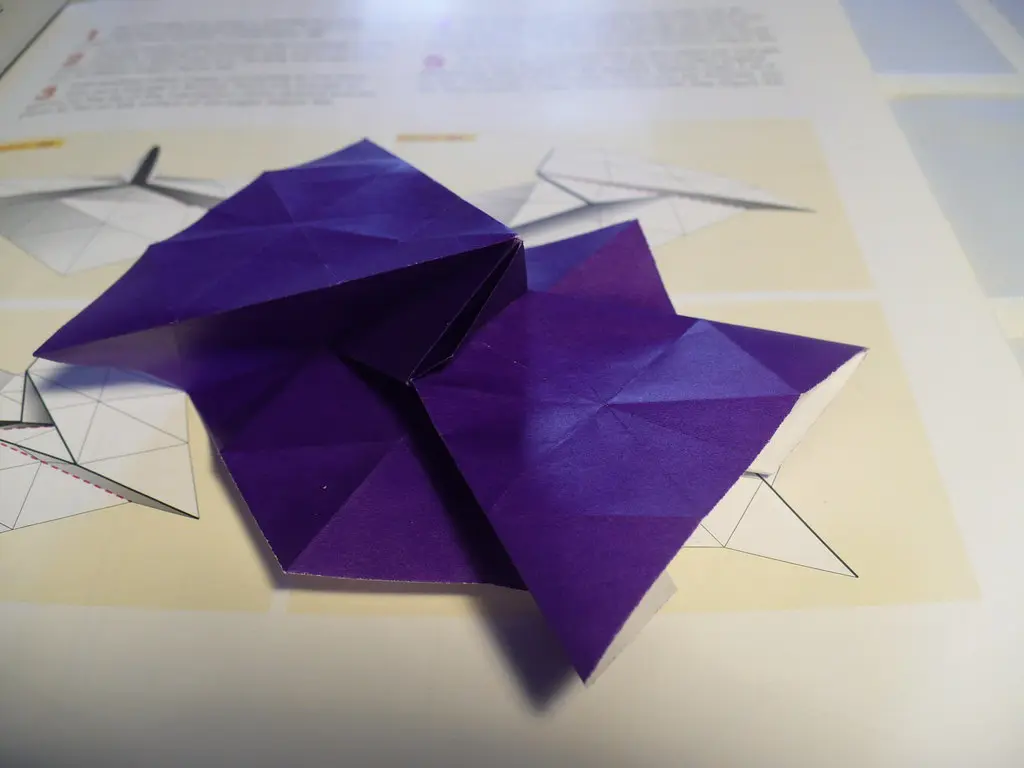
- Foil-backed paper. It creases sharply at first but often cracks or shows permanent damage if you unfold and refold a section.
- Very thin tissue paper. It tears easily and can't hold up through repeated folding and unfolding.
- Non-square novelty paper. Odd shapes complicate diagrams that assume a perfect square starting point.
Save these specialty papers for later, once you understand how your folding technique interacts with different paper weights and textures.
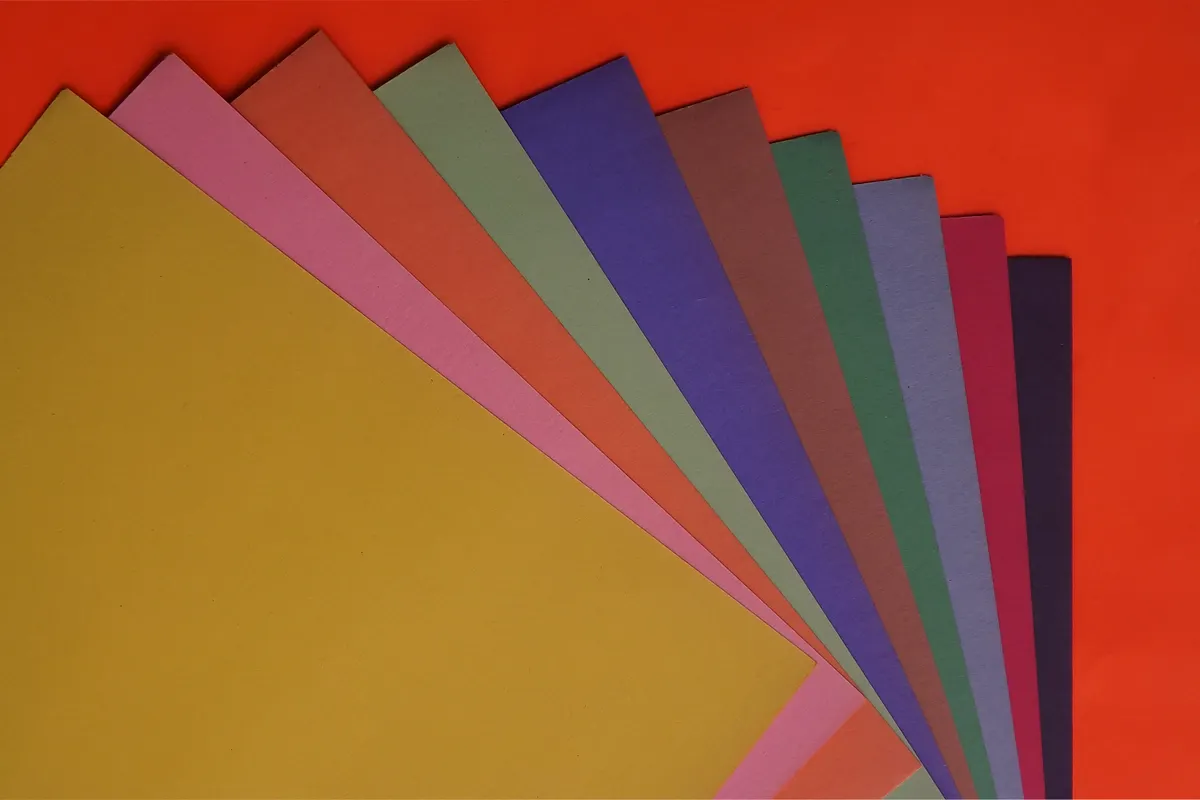
Photo Credit: Arturo A
A Quick Note on Handling Paper Safely
This isn't a high-risk hobby, but it's worth mentioning one small thing. Origami paper edges, especially crisp kami paper, can occasionally feel sharp enough to nick a fingertip if you're moving quickly or pressing creases too hard.
It's nothing serious, just something to keep in mind if you're folding for long stretches. Taking your time with each crease helps avoid this entirely, and it usually produces cleaner folds anyway.
Frequently Asked Questions
What paper is best for beginner origami? Kami paper is the best choice for beginners. It's thin, crisp, and made specifically to hold sharp creases without much effort.
Can you use regular printer paper for origami? Yes, for very basic practice folds. It's thicker than kami paper though, so it struggles once models involve multiple layers.
What paper size should a beginner use? Six-inch squares work best for most beginners, offering enough space to fold comfortably without feeling oversized.
Is thinner paper easier to fold? Generally yes, especially for models with many layers. Just avoid paper so thin that it tears under normal folding pressure.
Does paper color or pattern matter for learning? Not for fold quality, but solid colors make it easier to see crease lines clearly while you're still learning.
What paper should you avoid when starting origami? Avoid cardstock, foil-backed paper, thin tissue paper, and non-square novelty paper until you're more comfortable with basic folds.
Final Thoughts
The right paper won't make you an expert overnight, but it removes one major obstacle that has nothing to do with your actual folding skill. Start with kami, stick to six-inch squares, and save the fancy patterned paper for later.
Once your paper choice is sorted, you're ready to focus on the folds themselves. Read the full origami guide to see where to go next.




Leave a Reply