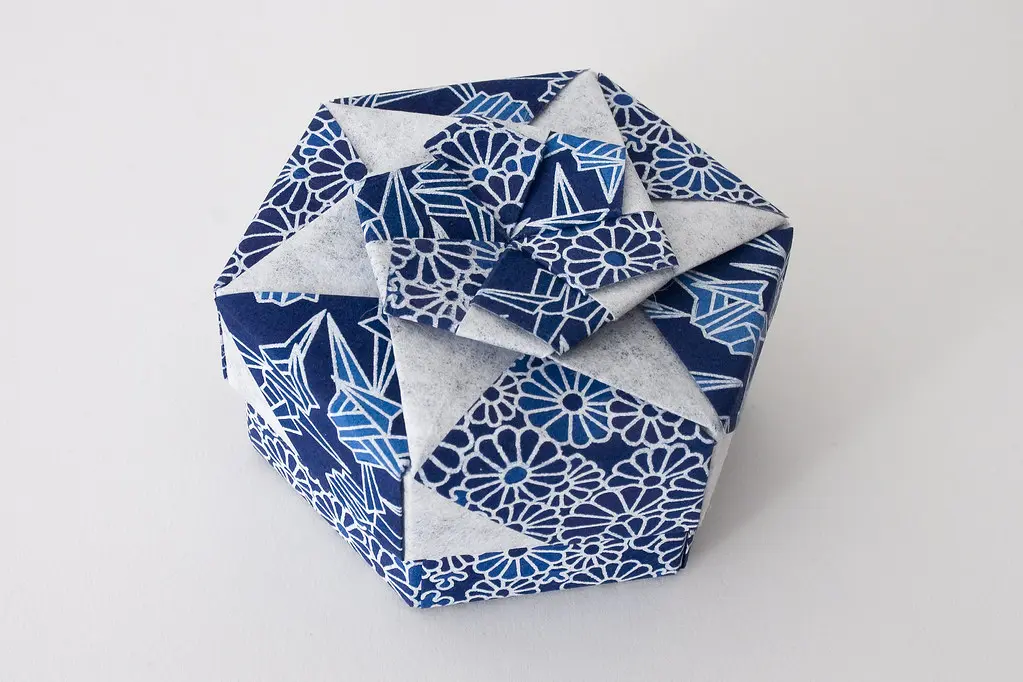
I gave my first masu box to a coworker with two paperclips inside, and she kept it on her desk for three years after the paperclips were long gone. That's the strange magic of origami box projects, a simple fold from one square sheet turns into something people actually want to keep around.
In this guide, you'll learn the easiest box to start with, whether a single sheet is really enough, how much weight these boxes can realistically hold, which paper works best for sturdy results, and creative ways to actually use your finished boxes.
This project is Part of Origami Project Ideas for Every Skill Level, a broader collection covering everything from beginner folds to more advanced modular work.
Why Origami Boxes Are Worth Learning
Boxes sit in a sweet spot within origami. They're forgiving enough for a first timer to succeed on the first try, yet useful enough that you'll actually keep folding them long after you've moved on to harder models.
I've folded hundreds of these over the years, from quick lunch break masu boxes to gift sized versions dressed up in patterned washi paper. Unlike a crane or a flower, a finished box does something. It holds things. That practical payoff is part of why box folding stays popular across every skill level.
What makes origami boxes such a solid project choice:
- Beginner friendly geometry, most boxes rely on simple valley and mountain folds
- Genuinely useful results, unlike display only models, boxes serve a real purpose
- Scalable difficulty, from a five minute masu box to more complex lidded designs
- Great gift presentation, a folded box adds a personal touch shop bought packaging can't match
What You'll Need
Box folding doesn't require much beyond paper and a flat surface, though a few extras make the process noticeably smoother.
|
Item |
Why It Matters |
|
Square origami paper, 15 cm or 6 inch |
Standard size that works well for most box tutorials |
|
A bone folder |
Creates sharp, clean creases that help boxes hold their shape |
|
Medium weight kami or cardstock |
Adds structure so finished boxes don't collapse under light weight |
|
A flat, hard surface |
Gives you a stable base for pressing accurate creases |
|
Patterned or washi paper (optional) |
Turns a functional box into a genuine gift presentation piece |
What paper is best for sturdy origami boxes? I'd lean toward medium weight kami or light cardstock over standard printer paper. Thin paper folds easily but tends to sag once you place anything inside, while slightly heavier paper holds its shape and corners far better.
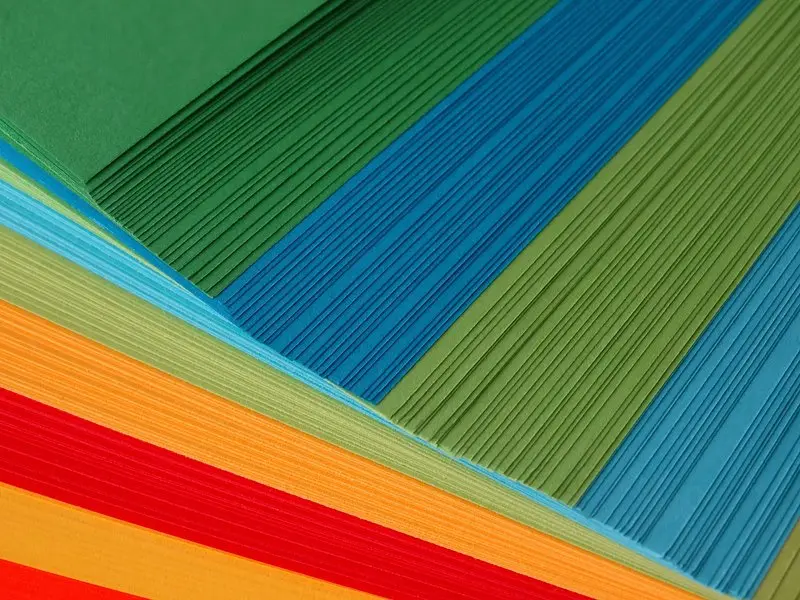
Photo Credit: Internet
What Is the Easiest Origami Box to Fold?
The traditional masu box is genuinely the easiest starting point, and it's the one I still teach first to anyone new to box folding. It uses straightforward valley folds with no complicated locking mechanisms, making it approachable even on your very first attempt.
- Start with your paper white side up, positioned as a square with a corner pointing toward you.
- Fold in half diagonally both ways, then unfold, leaving two creases crossing at the center.
- Fold each corner into the center point, creating a smaller square shape from your original sheet.
- Fold the top and bottom edges into the center, then unfold, this sets up guide creases for the walls.
- Open one folded corner flap, using your existing creases to pop up a side wall as you fold inward.
- Repeat on the opposite side, forming two opposing walls that stand upright.
- Fold in the remaining two corners, tucking them behind the standing walls to complete all four sides.
- Press all edges firmly with a bone folder, sharpening every crease so the box holds its shape reliably.
What is the easiest origami box to fold? This masu style box consistently ranks as the go to first project, mostly because every fold builds logically on the one before it, with no confusing hidden steps.
Can an Origami Box Be Made From One Sheet of Paper?
Yes, and honestly, that's part of what makes box folding so satisfying. A traditional masu box uses exactly one square sheet, no cutting, no gluing, and no second piece needed to complete it.
Single sheet boxes that work well:
- Classic masu box, the standard single sheet design most tutorials teach first
- Simple lidded box, folded from one sheet using a slightly larger second sheet only for the optional lid
- Star shaped box, a more advanced single sheet design with pointed corners
That said, some box designs do use two sheets intentionally, typically one for the base and a slightly larger second sheet for a matching lid. This isn't cheating, it's simply a different design choice that gives you a box with a proper removable top.
How Much Weight Can an Origami Box Hold?
This depends heavily on paper weight and fold precision, but a well folded masu box in medium weight paper genuinely surprises most beginners with its sturdiness. I've comfortably used mine to hold small jewelry, paperclips, dried herbs, and even light snacks like nuts or candy.
Factors that affect how much weight a box can hold:
- Paper weight, heavier cardstock supports noticeably more than thin printer paper
- Crease sharpness, sharply pressed folds distribute weight more evenly across the structure
- Box size, smaller boxes generally handle weight better relative to their size than oversized versions
- What's inside, evenly distributed contents perform better than one heavy item sitting in a corner
I wouldn't rely on a paper box for anything genuinely heavy, like tools or dense objects. Think light desk items, small gifts, or dried craft materials, not anything that needs real structural support.
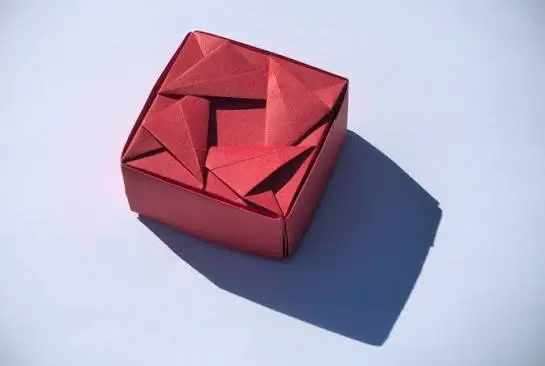
Photo Credit: Internet
Comparing Common Origami Box Styles
Different box designs suit different purposes, so it helps to see how the main styles stack up against each other.
|
Box Style |
Difficulty |
Best Used For |
|
Classic masu box |
Beginner |
Everyday storage, quick gifts, desk organization |
|
Lidded box (two sheet) |
Beginner to intermediate |
Gift presentation, boxes needing a proper closed top |
|
Star shaped box |
Intermediate |
Decorative display, special occasion gifting |
|
Modular compartment box |
Advanced |
Sorting small items into multiple sections |
For folders wanting more gift focused ideas beyond just the box itself, Origami Gift & Wrapping Ideas covers complementary folds that pair naturally with a finished box, like simple wrapping accents and folded gift toppers.
Pro Tips and Common Mistakes to Avoid
A few habits separate a wobbly, uneven box from one that holds its shape reliably over time.
- Crease every fold before unfolding it. Skipping this step leaves guide lines too faint to fold accurately later.
- Work on a hard, flat surface. Folding on a soft or uneven surface leads to slightly crooked walls.
- Press corners firmly with a bone folder. Loose corners are the most common reason finished boxes look uneven.
- Avoid overly thin paper for anything holding weight. Thin sheets sag quickly once objects sit inside for more than a few days.
- Practice the base fold before adding a lid. Getting the base solid first makes matching a lid far easier afterward.
Many box designs, including the masu box, actually begin with a technique called the blintz fold, folding all four corners into the center point. If you want to build real confidence with this specific fold before diving into full box tutorials, the Blintz Fold Tutorial breaks it down step by step on its own.
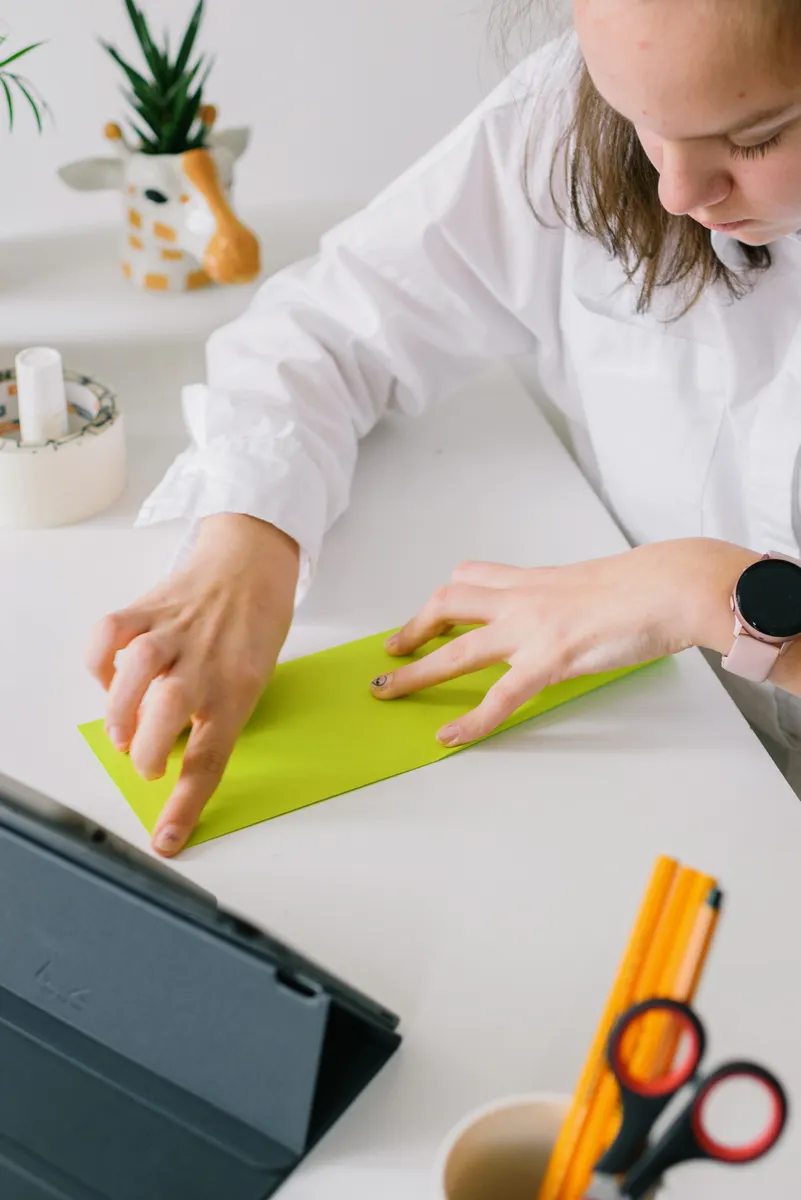
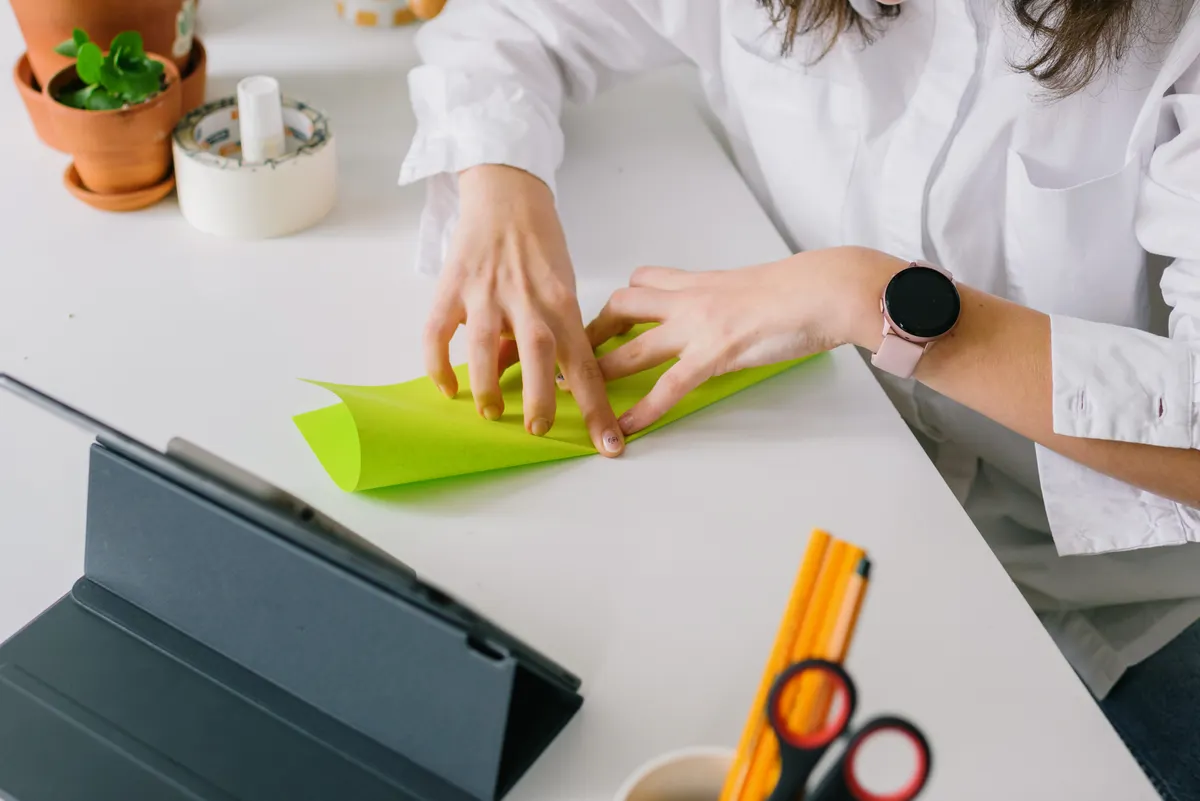
Photo Credit: Ksenia Chernaya
As folders often say, the paper never lies. It only shows you exactly where a fold went wrong.
With boxes specifically, that shows up fast. A slightly off center crease on one wall throws off the entire shape, leaving one side visibly taller or shorter than the rest.
What Are Useful Ways to Use Folded Origami Boxes?
Beyond looking nice on a shelf, folded boxes genuinely earn their keep around the house and as gifts.
Practical and creative uses for finished boxes:
- Small gift packaging, especially for jewelry, gift cards, or other small presents
- Desk organization, holding paperclips, pushpins, or loose change
- Party favors, filled with candy or small trinkets for guests
- Seed or craft supply storage, keeping small dried materials neatly sorted
- Table place settings, labeled boxes doubling as name cards at gatherings
What are useful ways to use folded origami boxes? Honestly, once you start folding these regularly, you'll find uses faster than you can fold replacements. Mine tend to migrate from my desk to my kitchen counter to wherever small clutter needs a home that week.
Frequently Asked Questions
What is the easiest origami box to fold? The classic masu box is the easiest starting point, using simple valley folds with no complicated locking steps involved.
Can an origami box be made from one sheet of paper? Yes, a traditional masu box uses exactly one square sheet, though some lidded designs use a second sheet specifically for the top.
How much weight can an origami box hold? A well folded box in medium weight paper handles light items well, like jewelry or paperclips, but isn't suited for anything genuinely heavy.
What paper is best for sturdy origami boxes? Medium weight kami or light cardstock holds shape better than thin printer paper, especially once you place items inside the finished box.
What are useful ways to use folded origami boxes? Boxes work well for gift packaging, desk organization, party favors, and storing small craft supplies or dried materials around the house.
Final Thoughts
Origami box projects genuinely reward the time you put into them, more than almost any other beginner fold I've taught over the years. Start with a simple masu box using medium weight paper, and you'll likely have a small stack of finished boxes finding new uses around your home before the week is out.
Ready to explore more beginner friendly projects? Read the full origami guide for other techniques and ideas worth trying next.




Leave a Reply