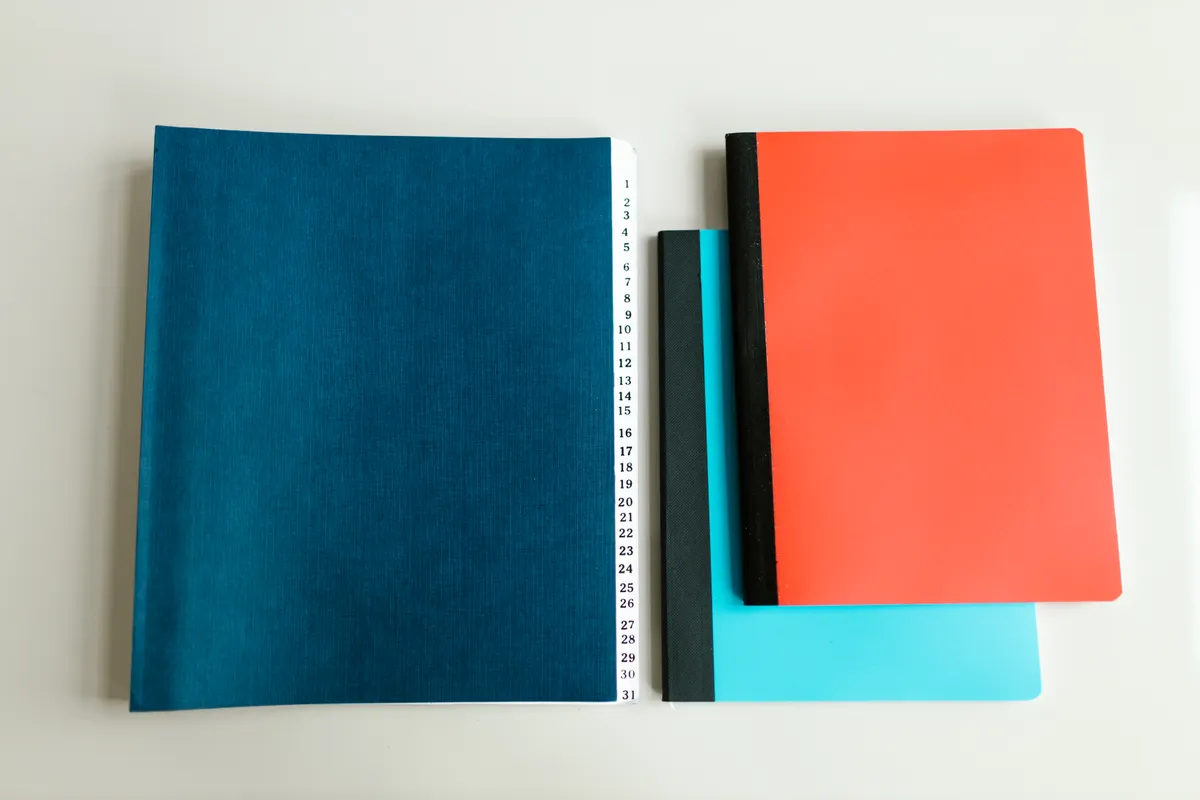
I once tried to force a 200 page manuscript into a saddle stitch fold, and the spine bulged so badly the cover wouldn't sit flat. That's the exact problem perfect binding was built to solve.
This guide is part of our Bookbinding Techniques Explained series, and it breaks down the perfect binding technique from start to finish, including whether it's actually durable enough to trust.
What Perfect Binding Actually Is
Perfect binding is a glue binding method where loose pages are stacked, squared up, and bonded along one edge with flexible adhesive instead of thread. Most paperback novels on your shelf are perfect bound books, that flat, glued spine with the title printed across it is the giveaway.
In my experience, perfect binding trades the flexibility of sewn bindings for a very clean, professional look. If your project is on the thinner side, it's worth comparing against Saddle Stitch Bookbinding Explained before you commit to gluing anything.

Photo Credit: Hobby Guidebook Editorial
What You Need for Perfect Binding
|
Item |
What It's For |
|
Loose text block pages |
Your stacked, unfolded pages |
|
PVA glue or hot glue |
Bonds the spine edge together |
|
Bone folder |
Scores and smooths the cover crease |
|
Craft knife |
Trims the block edge flush before gluing |
|
Cutting mat |
Protects your table during trimming |
|
Heavy books or a press |
Holds the block square while glue sets |
|
Cover stock or cardstock |
Wraps and reinforces the glued spine |
How Perfect Binding Works: Step by Step
1. Stack and Square Your Pages
Gather your loose pages and tap them firmly against a flat surface until every edge lines up. Any pages sticking out will cause an uneven bond later, so take the extra minute here.
2. Trim the Spine Edge
Using a craft knife on a cutting mat, trim the spine edge so it's perfectly flush. Keep your fingers well clear of the blade's path, and always cut away from your body in slow, even passes.

Photo Credit: Antoni Shkraba
3. Clamp the Block Tight
Press the squared stack between two boards or heavy books, leaving just the spine edge exposed. This keeps the pages from shifting while you apply glue.
4. Apply Glue to the Spine
Brush a thin, even layer of PVA glue along the exposed spine edge, working it slightly into the gaps between pages. Let it tack up for a minute, then apply a second thin coat for a stronger bond.
5. Attach the Cover
Wrap your cover stock around the glued spine while it's still slightly tacky, using a bone folder to crease sharp, clean corners at the spine edges. Press the whole book flat under weight while it dries.
6. Let It Cure Fully
Leave the finished book under weight for at least a few hours, longer if you used a thicker glue. Rushing this step is the single fastest way to end up with pages that come loose down the road.
Common Mistakes to Avoid
- Using glue that's too thick or too thin. A watery glue won't bond well, while glue that's too thick dries stiff and cracks under normal page flexing.
- Skipping the second glue coat. One thin layer often leaves gaps between pages that separate over time.
- Not squaring the pages first. Uneven edges before gluing lead to a lopsided spine that never quite closes right.
- Rushing the drying time. Handling the book before the glue fully cures is a common way perfect bound books fail early.
A glued spine is only as strong as its weakest gap. Even coverage from edge to edge is what makes a perfect bound book actually hold together.
That's not a line from any single source, it's something most binders learn the first time a page slips free from a rushed spine.
What Perfect Binding Is Best For
Perfect binding is used for paperback novels, manuals, magazines, and any thicker text block where a sewn spine isn't practical. It handles page counts that would make saddle stitch bulge or tear, which is exactly why it's the standard for commercial paperbacks.
As for durability, perfect binding holds up well under normal handling, but it's less flexible than sewn methods long term. Books that get opened flat repeatedly, like cookbooks, tend to show wear at the spine faster than a stitched binding would.
Not every project needs glue at all, though. If you'd rather skip the drying time altogether, our Screw Post (Post) Binding Guide covers a mechanical option that holds pages together without any adhesive.
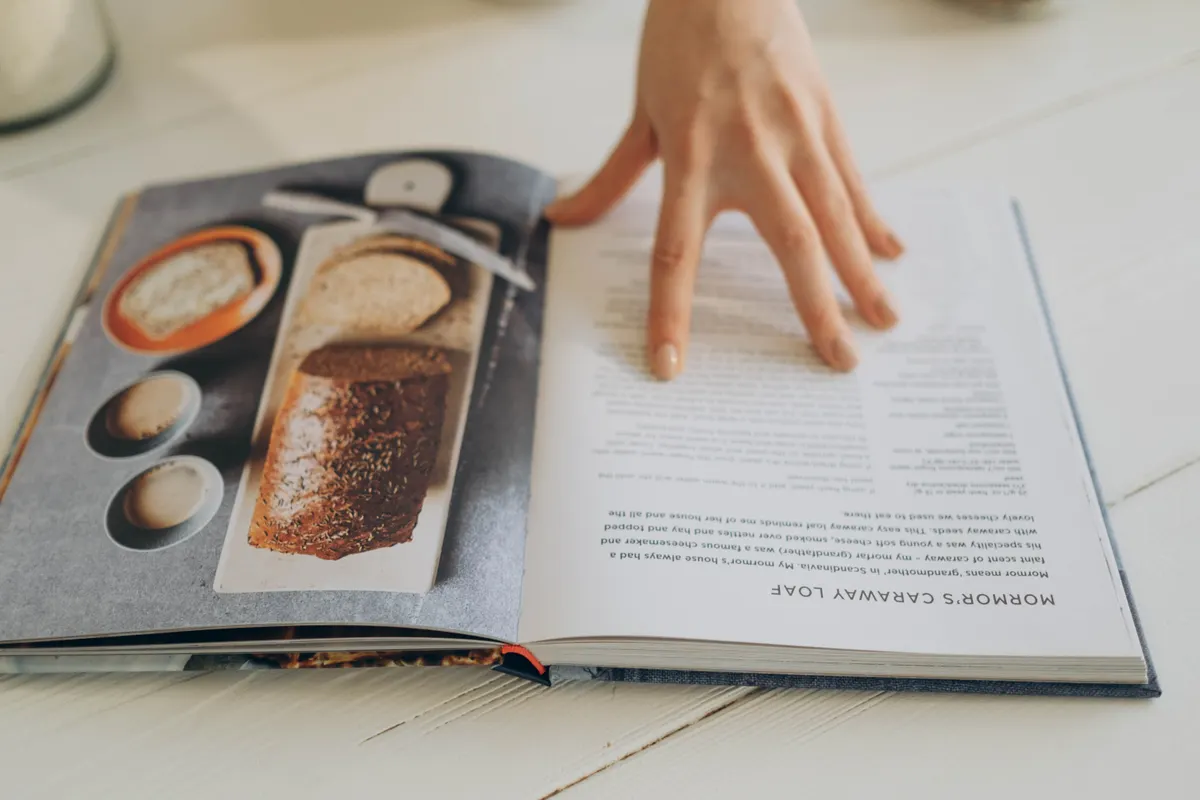
Photo Credit: Ron Lach
Perfect Binding vs. Other Methods
|
Feature |
Perfect Binding |
Saddle Stitch |
|
Best page count |
Higher, thicker books |
Up to about 60 pages |
|
Bonding method |
Glue |
Thread |
|
Opens fully flat |
Not always |
Yes |
|
Best for |
Novels, manuals |
Zines, booklets |
Frequently Asked Questions
What is perfect binding used for?
Perfect binding is used for paperback novels, manuals, and magazines, basically any thicker book where a glued, flat spine works better than sewing. It's the standard method behind most commercial paperbacks.
Is perfect binding durable?
Perfect binding holds up well under normal use, but it's less flexible than sewn bindings over time. Books opened flat often, like cookbooks, tend to show spine wear sooner than a stitched binding would.
Give It a Try
Perfect binding takes a bit more patience than a quick sewn booklet, but the payoff is a clean, professional looking spine. Once you get your glue technique dialed in, it's a method you'll reach for on every thicker project.
Read the full bookbinding guide for the complete overview of the craft.



Leave a Reply