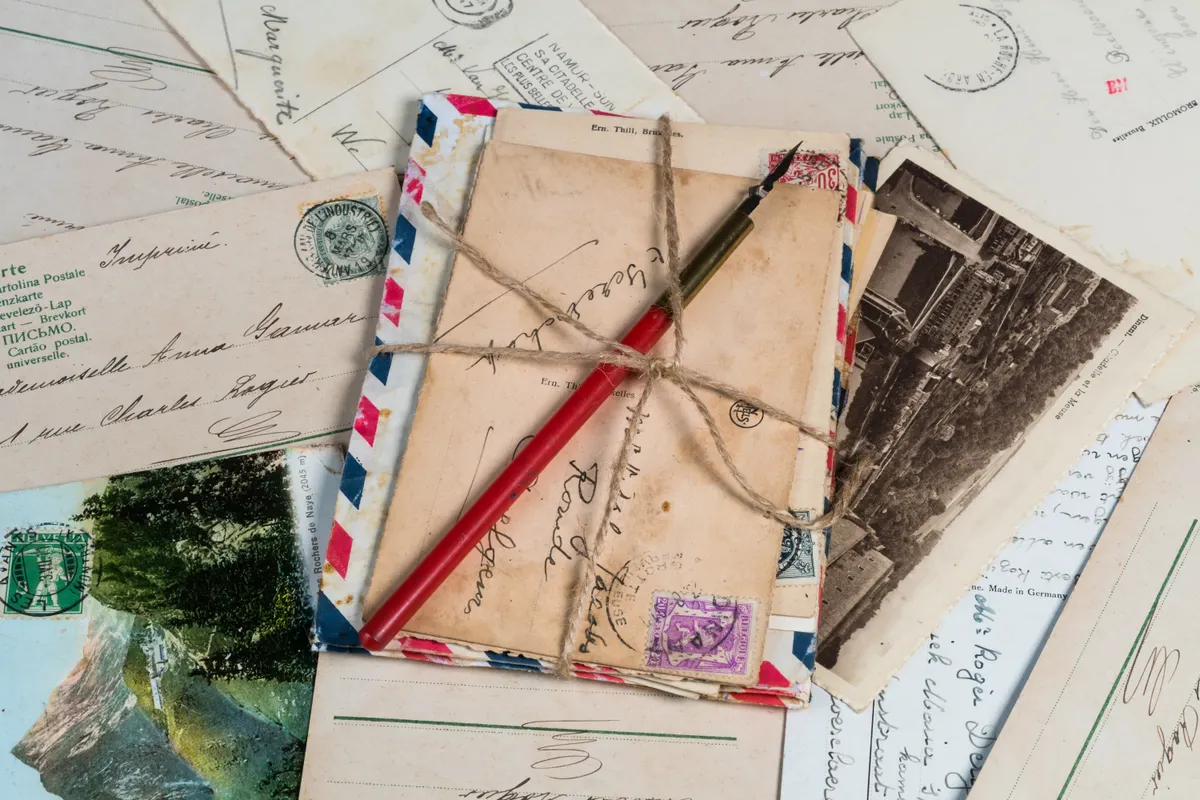
I still remember the first real photo postcard I pulled from a shoebox at a flea market table, priced at fifty cents next to a pile of faded birthday cards. The seller had no idea what she had. One glance at the paper stock and the stamp box on the back told me it was decades older than everything sitting around it. That little moment of quiet detective work is exactly why I fell into postcard collecting and never really left.
If you have ever found a stack of old postcards tucked into a shoebox in a grandparent's attic, or picked one up at an antique shop just because the picture caught your eye, you already understand the pull. There is something almost magnetic about holding a small piece of paper that traveled through the mail a hundred years ago, carrying someone's handwriting and a tiny slice of their life. This guide walks you through everything you need to know to start collecting postcards the right way, from what the hobby is actually called to how to store your cards so they last another hundred years.
We will cover the history behind the hobby, the exact supplies worth buying, a step by step plan for getting started, the major postcard eras and formats, how to date and identify a card using just the back of it, and the storage habits that keep a collection safe for decades. By the end, you should feel confident sorting through a dusty box at a flea market and knowing exactly what you are looking at.
What Is Postcard Collecting?
Postcard collecting is the hobby of gathering, studying, and organizing postcards based on things like their picture, age, publisher, or the place they came from. Some people assume it is a small, quiet niche hobby, but it is actually one of the largest paper collecting communities in the world, right up there with stamp collecting and coin collecting in terms of sheer numbers of active hobbyists.
The formal name for this hobby is deltiology. It comes from the Greek word deltion, meaning a small writing tablet or card. A person who collects postcards is called a deltiologist, though honestly, most collectors I know just call themselves postcard people or card folks. The fancy term is mostly useful for winning trivia questions or explaining your hobby at a dinner party.
Deltiology covers a huge amount of ground, and that is part of what makes it so approachable. Some collectors focus only on real photo postcards of small towns in one state. Others chase down every postcard ever printed by a specific publisher, no matter the subject. Some collectors care only about a single theme, like lighthouses or world's fairs, and will buy any postcard that fits, regardless of age or condition. There is no single right way to do it, and that flexibility is exactly why the hobby has stayed popular for well over a century.
Why People Collect Postcards (And Why It Matters)
Postcards are small windows into everyday life from a hundred or more years ago. A single card can show a Main Street that no longer exists, a handwritten note from a soldier during wartime, or a hand tinted photo of a hotel long since torn down and forgotten. In a way, postcards did the job that social media does now, letting ordinary people share a quick image and a few personal words with someone far away.
Is postcard collecting a valuable hobby? In terms of history, yes, without question. Postcards preserve details that never made it into history books, like local businesses, fashion trends, cars, storefronts, and even handwriting styles from a specific decade. Historians, genealogists, and local museums regularly use old postcards as research material because photographs from that era are otherwise scarce.
In terms of money, it depends quite a bit. Most postcards sell for very little, often just a dollar or two at an antique mall or online marketplace. But certain cards, especially rare real photo postcards of unusual subjects, disasters, or hard to find small town scenes, can bring in a lot more. I have bought plenty of common postcards over the years that will never be worth much beyond their charm, and I have also found a handful that turned out to be genuinely scarce once I researched them properly. Value in this hobby comes from a mix of rarity, condition, and demand, not age alone, which trips up a lot of beginners who assume old automatically means valuable.
Beyond the financial side, there is something genuinely satisfying about the research itself. Figuring out when a postcard was printed, who made it, and where it traveled feels like solving a small mystery every single time, and that feeling never really wears off no matter how many years you have been doing this.
What You Need to Start Collecting Postcards
You do not need much to begin, and that is one of the best things about this hobby compared to something like model building or woodworking. Most beginners already own everything required except the actual supplies for protecting their cards. Here is a simple table of the basics I recommend picking up early on, along with why each one matters.
|
Item |
Purpose |
Beginner Tip |
|
Archival postcard sleeves |
Protects each card from dust, oils, and bending |
Look for polypropylene or polyester, never PVC |
|
Postcard album or binder |
Keeps sleeved cards organized and easy to browse |
Choose one with acid free pages |
|
Archival storage box |
Long term flat storage for larger collections |
Acid free and lignin free boxes hold up best |
|
Magnifying loupe |
Helps you read tiny publisher marks and printing dots |
A 10x loupe works for most identification tasks |
|
Cotton gloves (optional) |
Reduces oil transfer for fragile or valuable cards |
Clean, dry hands work fine for everyday handling |
|
Notebook or spreadsheet |
Tracks what you own, where it came from, and price paid |
Even a simple list saves time later |
I keep it simple. A pack of sleeves, a three ring binder, and a small notebook got me through my first full year of collecting, and I still use the same basic setup for the bulk of my everyday cards. You can always upgrade to fancier archival boxes or a digital spreadsheet once you know what direction your collection is heading. There is no need to buy everything on this list on day one.
How to Start a Postcard Collection Step by Step
Getting started with postcard collecting is less about spending money and more about making a few smart early decisions. Here is the process I recommend to every new collector I talk to, whether they found a box of old cards at a garage sale or just decided the hobby sounded interesting.
- Pick a starting focus, even a loose one. You do not need to commit forever, but choosing a general direction like railroads, your hometown, or a specific era keeps your early purchases from feeling scattered. A focus also makes it much easier to spot a good deal, since you will already know roughly what similar cards sell for.
- Buy a handful of cheap postcards first. Spend a few dollars at an antique mall, flea market, or online marketplace on postcards that catch your eye. This helps you learn what feels good in hand, what condition issues look like in real life, and what kind of subjects actually excite you enough to keep collecting.
- Learn to check the back before the front. The back of a postcard often tells you more than the picture ever will. Postmarks, stamp boxes, and publisher marks are where the real identification work happens, and skipping this step is the single most common mistake new collectors make.
- Sleeve your cards right away. Even inexpensive postcards deserve basic protection from the start. Sleeving early builds a good habit and prevents accidental damage from handling, spills, or just normal wear from being shuffled around a table.
- Start a simple tracking system. A spreadsheet or even a plain notebook with the subject, estimated date, publisher, and purchase price will save you a huge amount of frustration later, especially once your collection grows past a hundred cards and everything starts to blur together.
- Visit a postcard show or dealer booth if you can. Nothing replaces flipping through actual boxes in person and asking a dealer questions about condition, pricing, or history. Most dealers are happy to talk shop with a beginner who shows genuine interest.
- Slow down and enjoy the process. Collections built too fast, buying anything and everything without much thought, often end up lacking focus and feeling more like clutter than a collection. A slower, more thoughtful pace tends to produce something you are genuinely proud to show people.
If you want a deeper walkthrough of this process, including budgeting advice, choosing a niche, and the mistakes most beginners make in their first year, our full guide on how to get started with postcard collecting breaks it down in much more detail.
Postcard Types and Eras Every Collector Should Know
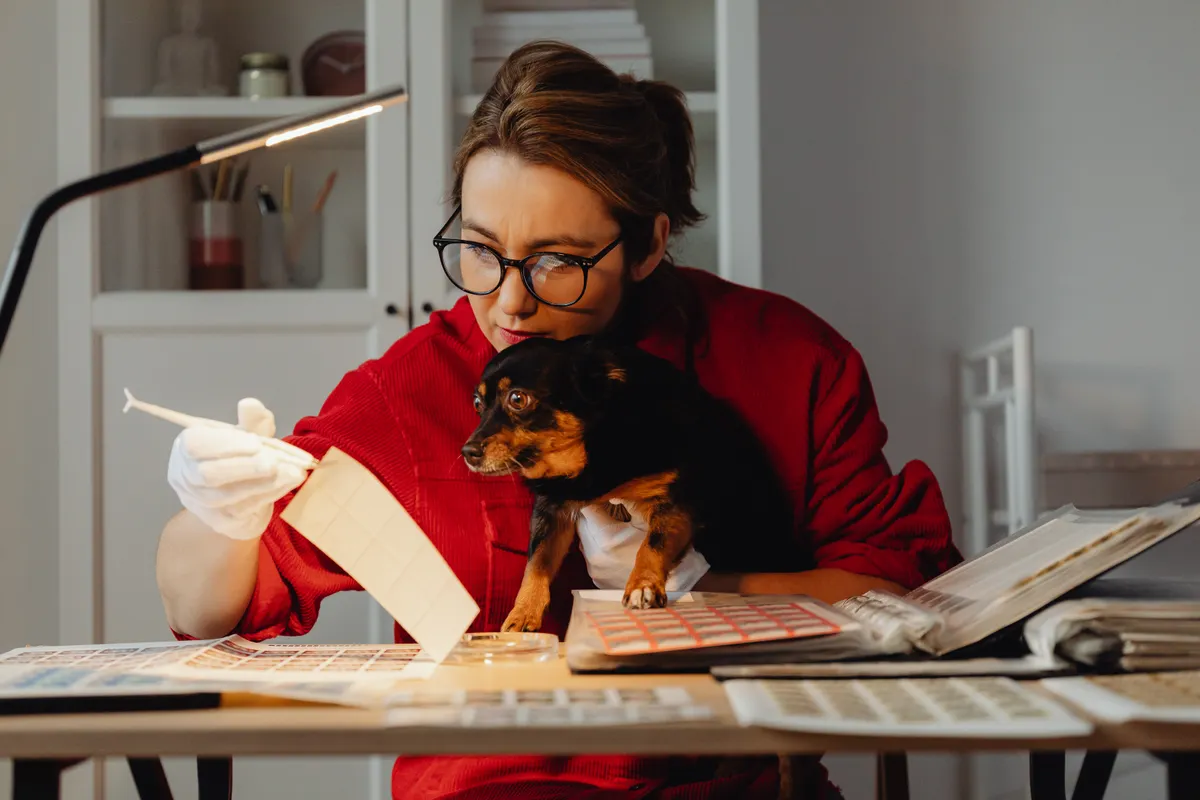
Understanding postcard eras is one of the fastest ways to level up as a collector, and it usually only takes a few weeks of regular handling before the differences start jumping out at you without even thinking about it. Postcards changed quite a lot over the decades, both in how they were printed and in what the postal rules allowed, and each era has a distinct look once you know what to check for.
Pioneer Era (before 1898) covers the earliest mailed postcards in the United States, which are relatively scarce compared to later cards and often plainer in design.
Private Mailing Card Era (1898 to 1901) postcards actually printed the words "Private Mailing Card" on the back, since the government had not yet allowed the word "postcard" to be printed on its own.
Undivided Back Era (1901 to 1907) postcards only allowed the address to be written on the back, so any personal message had to be squeezed onto the front, often written right across the bottom of the picture.
Divided Back Era (1907 to about 1915), sometimes called the Golden Age of postcards, began after a rule change allowed the back to be split into a message side and an address side, which is the layout still used on postcards today. Print quality during this stretch was often excellent, and postcard mailing exploded in popularity, which is part of why collectors love hunting through this era.
White Border Era (roughly 1915 to 1930) postcards added a plain white border around the image, partly to save on ink and printing costs during and after World War I.
Linen Era (1930s to mid 1940s) postcards used a textured paper stock that gave them a slightly fabric like feel under your fingers, along with very bright, saturated colors that still pop today.
Photochrom and Chrome Eras (1939 onward, with chrome dominating after the late 1940s) brought glossy, photograph like finishes that are still common in gift shops today, which is why many beginners find modern chrome postcards the easiest starting point.
On top of these eras, you will run into different printing types worth knowing by name. Real photo postcards (RPPC) are actual photographs printed onto postcard backed paper, which usually means a sharper, more detailed image with visible photographic tones. Chromolithograph postcards were printed using layered colored ink applied through a printing press, and they often show a slightly grainy dot pattern once you look closely under magnification. Knowing the difference between these two formats alone will change how confidently you shop for postcards at a flea market or antique mall.
Our detailed postcard types and formats guide goes much deeper into identifying each format, including how to spot printing details under a loupe and how to tell a linen card from a chrome card in seconds.
"The back of a postcard is where the real story lives. Anyone can enjoy the picture, but the collector learns to read the paper, the stamp box, and the ink like a detective reads a room."
How to Date and Identify a Postcard
Once you understand the major eras, dating individual postcards becomes much easier and starts feeling more like a fun puzzle than a chore. Here are the main clues I check every single time I pick up a new card, in roughly the order I look at them.
Postmarks. If a postcard was actually mailed, the postmark stamped by the post office usually shows the date and location it was sent from. This is often the fastest and most reliable dating clue you will find, though plenty of postcards were never mailed at all and simply saved as keepsakes.
Stamp box design. The small box printed on the back where a stamp would go changed shape and style many times over the decades. Comparing stamp box shapes against a reference chart can narrow down a date range even without a postmark, and this trick alone will impress most other collectors you talk to.
Back style and layout. Whether the back is divided or undivided, and how the message space is arranged, points directly to a specific era based on the postal rules that were in effect at the time.
Publisher marks. Many postcards include a small logo, name, or initials from the company that printed them. Researching how long that publisher was in business can tighten your date range even further, sometimes down to just a few years.
Paper and printing clues. Real photo postcards often have a stamp box printed by the photographic paper manufacturer, which is a helpful clue on its own, while chromolithograph cards show tiny dot patterns from the printing press when viewed under a loupe or strong magnifying glass.
None of these clues work perfectly alone, and that is worth remembering before you get too confident. I always cross check at least two or three signs before I feel comfortable stating a date, especially since a postcard could have been printed one year and not mailed until several years later. Treat dating as building a case rather than looking for one single piece of proof.
Storing, Handling, and Preserving Your Postcards
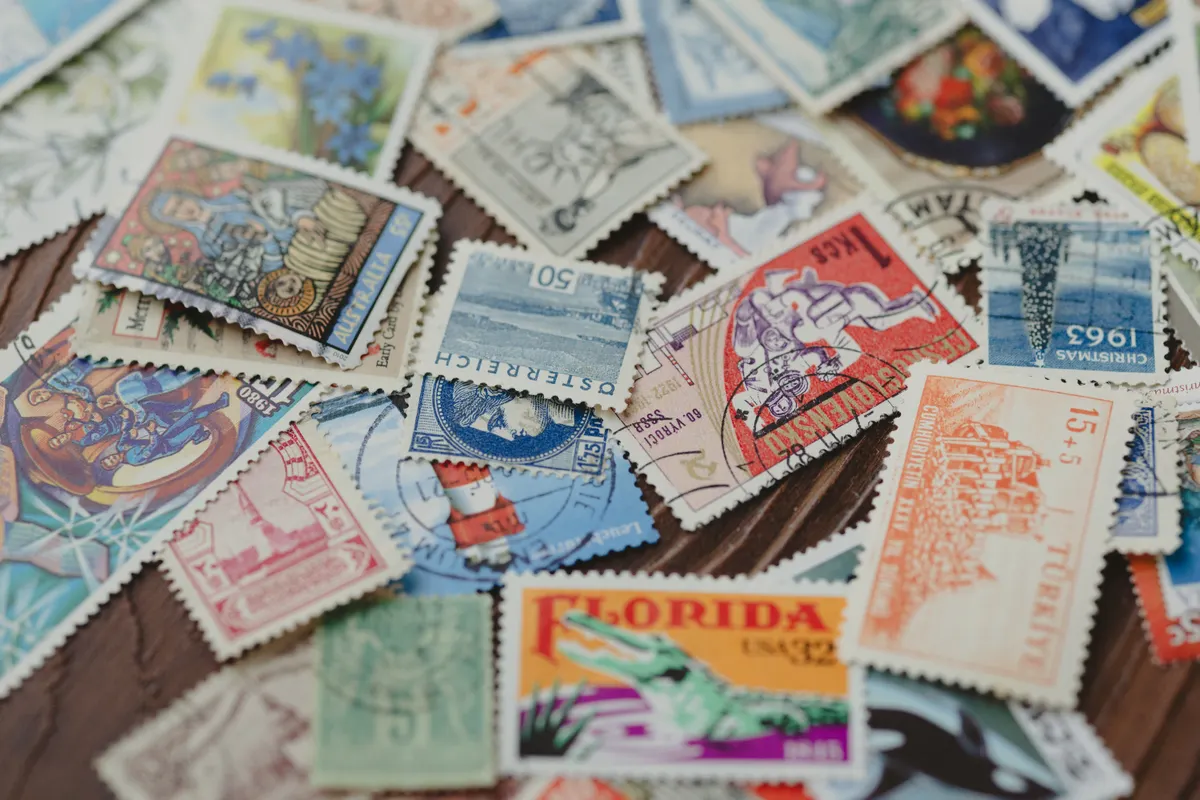
Postcards are paper, and paper is not forgiving. Light, moisture, and rough handling are the biggest threats to any collection, and most of the damage I have seen over the years happened slowly, a little at a time, rather than all at once from some dramatic accident.
Handle with clean, dry hands. Oils from skin can transfer to the surface over time, especially on glossy chrome era cards. You do not need gloves for casual handling, but always work with clean hands and support the card with both hands rather than pinching one corner.
Sleeve every postcard. Use archival sleeves made from polypropylene, polyester, or polyethylene. Avoid PVC plastic entirely, since it can release chemicals that damage paper over long periods of storage, even if the card looks perfectly fine sitting on a shelf right now.
Store in a stable environment. Aim for a room with steady temperature and moderate humidity, somewhere close to normal living space conditions. Attics and basements are usually the worst places to store postcards, since both tend to swing between extremes and attract moisture that invites mold.
Keep postcards out of direct light. Sunlight and strong artificial light can fade ink and yellow paper over time, sometimes in a matter of months if a card is left in a sunny window. If you display postcards, rotate them regularly and consider UV filtering glass for any frames.
Never clean a postcard with water or household cleaners. Water can smear ink, warp paper, and even reactivate old glue left over from a scrapbook. If a postcard has stubborn dirt or damage, a soft dry brush is usually the safest option, and anything beyond that is really a job for a professional paper conservator rather than a DIY fix.
Label smart, not directly on the card. Write catalog numbers or personal notes on the sleeve itself or on a separate index card, never directly onto the postcard, even in pencil.
Following these habits from day one will save you from a lot of regret later on. I have seen beautiful collections ruined by damp basements and old glued in scrapbook pages, and almost all of that damage could have been avoided with basic, inexpensive care from the very start.
Common Beginner Mistakes to Avoid
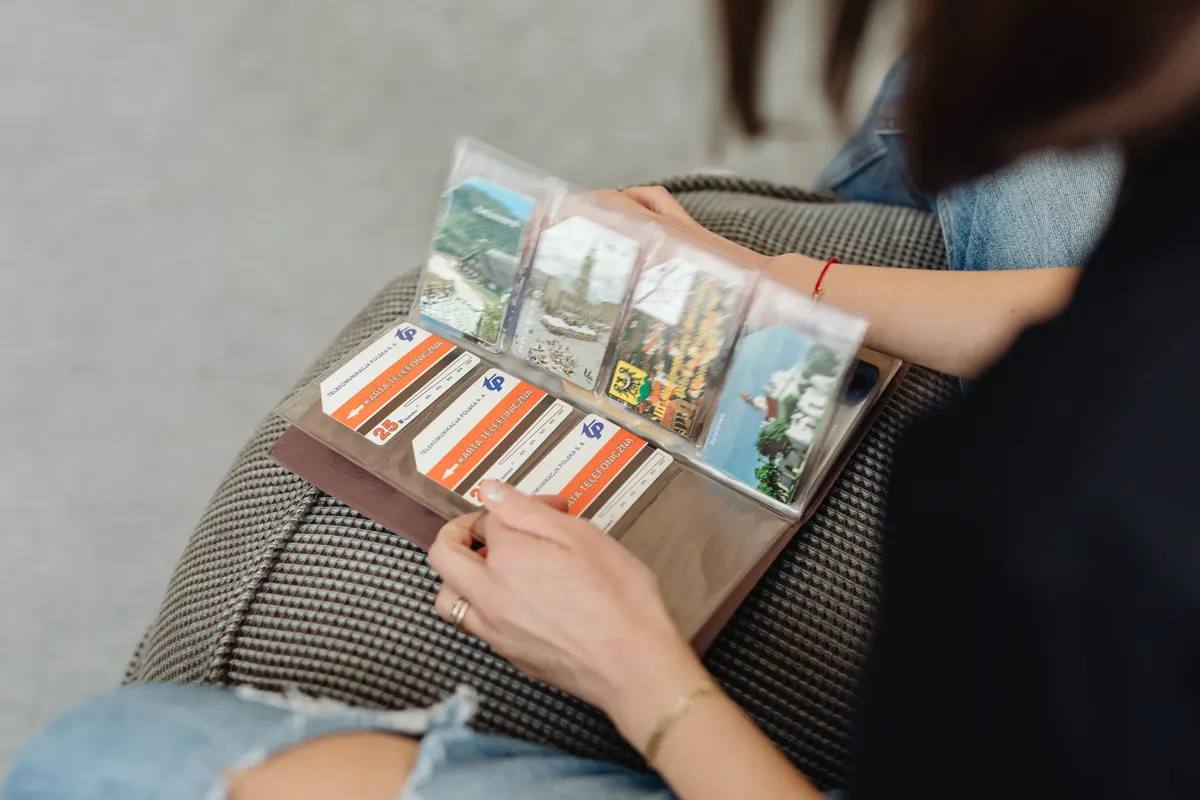
Every collector makes a few early mistakes, myself included, and there is no shame in it as long as you learn from them quickly. Here are the ones I see most often among new collectors, and honestly, the same ones I made when I first started out.
- Buying too broadly at first. Grabbing anything interesting feels fun early on, but it often leads to a messy, unfocused collection that is hard to organize or enjoy later.
- Skipping protective sleeves to save money. A few cents per sleeve is nothing compared to the cost and heartbreak of a damaged postcard you cannot replace.
- Trusting age alone as a sign of value. Plenty of very old postcards are actually quite common and worth very little, while some newer cards in a scarce category can be worth considerably more.
- Storing postcards in old scrapbooks without checking the glue. Vintage adhesives can stain, warp, or permanently damage paper over the decades, and removing a stuck postcard safely is far harder than preventing the problem in the first place.
- Ignoring the back of the postcard. New collectors often focus only on the picture and completely miss the identification clues printed on the back, which is honestly where the real fun begins once you get the hang of it.
- Not tracking purchases. Without notes, it becomes nearly impossible to remember where a card came from, what you paid for it, or why you bought it in the first place.
- Overpaying without doing quick research. A minute or two checking recent sold listings online can save you from paying collector prices for a genuinely common postcard.
A little patience early on prevents most of these problems before they even start, and it is far easier to build good habits now than to fix a messy collection years down the road.
Real Photo Postcards vs Chromolithograph Postcards
Since these two formats confuse so many new collectors, here is a quick side by side comparison to keep in mind while you are out shopping at your next flea market or postcard show.
|
Feature |
Real Photo Postcard (RPPC) |
Chromolithograph Postcard |
|
How it was made |
Actual photograph printed on postcard paper |
Printed using layered colored inks |
|
Surface look |
Sharp, photographic detail |
Slight dot pattern under magnification |
|
Common era |
Early 1900s through mid 1900s |
1900s through 1930s |
|
Typical value pattern |
Often higher due to limited print runs |
Usually more common, though some are scarce |
|
Best way to identify |
Check the stamp box for a paper manufacturer mark |
Look for dot patterns with a loupe |
Learning to tell these apart quickly with just a glance and a loupe will make browsing through dealer boxes far more efficient, and it is one of those skills that becomes almost automatic after enough practice.
Frequently Asked Questions
What is postcard collecting called? Postcard collecting is formally called deltiology, and a person who collects postcards is called a deltiologist. Most everyday collectors simply refer to themselves as postcard collectors.
Is postcard collecting a valuable hobby? It can be, though most postcards sell for modest prices of just a dollar or two. Value depends heavily on rarity, condition, and demand rather than age alone, and the historical value of postcards often outweighs their monetary worth for many collectors.
What is postcard collecting, and why do people collect postcards? Postcard collecting is the hobby of gathering and organizing postcards by theme, era, publisher, or location. People collect them for the history, the art, the relatively low cost compared to other antiques, and the genuine enjoyment of researching each card's story and origin.
How can a beginner start a postcard collection? Start with a loose focus, buy a few inexpensive postcards to practice with, sleeve them for protection right away, and begin a simple tracking system. Visiting a postcard show or antique shop in person is also one of the fastest ways to learn.
What postcard types and eras should new collectors know? New collectors should learn the major eras, including undivided back, divided back, white border, linen, and chrome, along with the difference between real photo postcards and chromolithograph postcards, since these show up constantly.
How do collectors date and identify postcards? Collectors use postmarks, stamp box designs, back layout style, and publisher marks together to narrow down when a postcard was likely printed and mailed, cross checking multiple clues rather than relying on just one.
How should postcards be stored, handled, and preserved? Postcards should be stored in archival, PVC free sleeves inside acid free albums or boxes, kept away from direct light and humidity, and handled with clean, dry hands to avoid oil transfer and damage over time.
Final Thoughts
Postcard collecting rewards patience and curiosity more than any other skill you could bring to the hobby. The more cards you handle, the faster you will start noticing small details in stamp boxes, paper stock, and publisher marks without even consciously thinking about it, almost like learning a new language one word at a time.
Start small, protect what you buy from the very first purchase, and let your focus develop naturally instead of forcing it in a direction that does not genuinely interest you. If you are looking for ways to put your growing collection to use beyond simple storage, our list of postcard collecting project ideas is a great next stop for inspiration once you are ready to do more with the cards you have gathered.


Leave a Reply