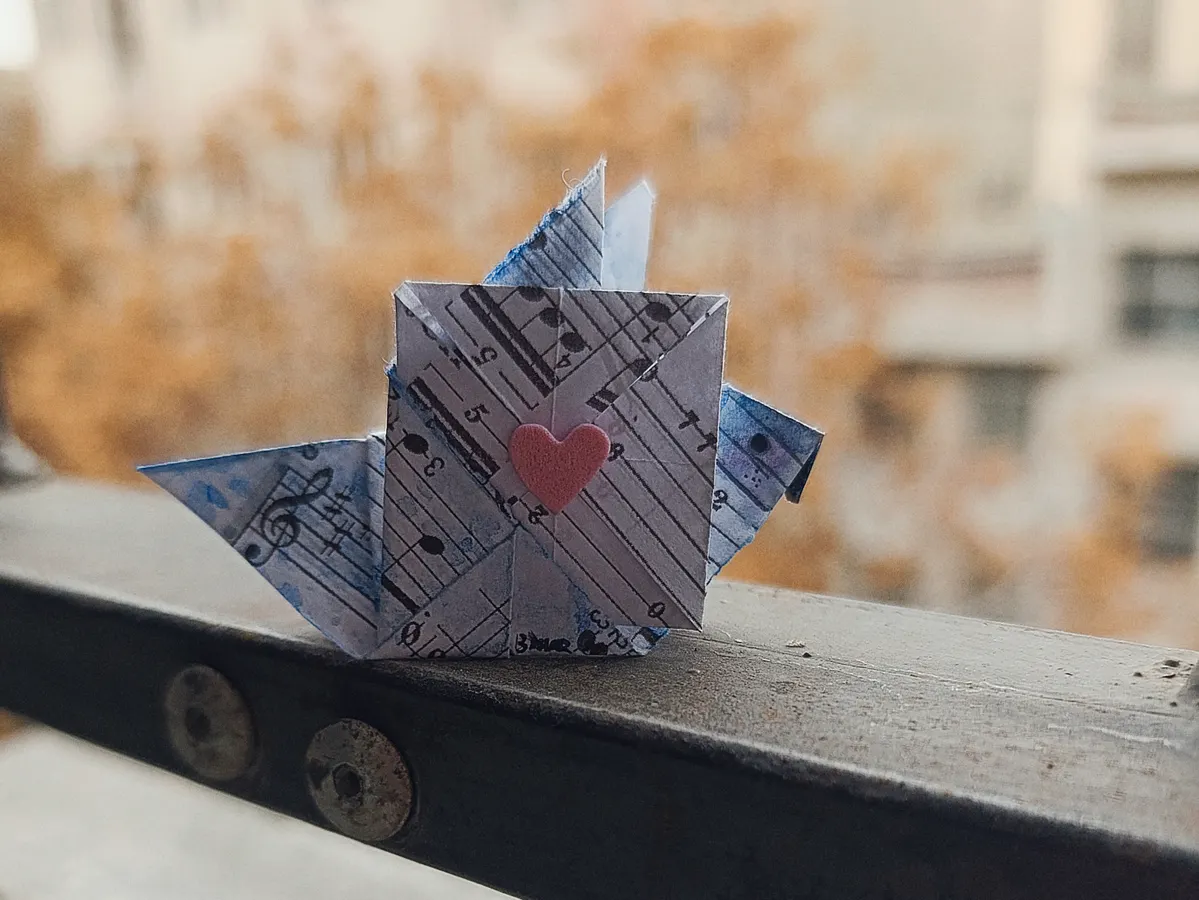
A single square of paper can slow your breathing, sharpen your focus, and still fit in your pocket when you're done with it. That's the real appeal behind the benefits of origami, and it's why so many people pick up a sheet of paper and never really put the hobby down.
This guide is Part of Origami Basics, and it walks through exactly why origami is worth your time, what it actually teaches you, and what you need to get started tonight.
Why Origami Is a Good Hobby to Pick Up
Origami is the craft of folding paper into shapes using nothing but your hands. No scissors, no glue, no sharp tools required, which makes it one of the more accessible crafts out there.
I've folded thousands of sheets over the years, from wobbly first cranes to modular stars that took a full evening to lock together. What keeps me folding isn't just the finished model. It's what the process does to my hands, my patience, and my head.
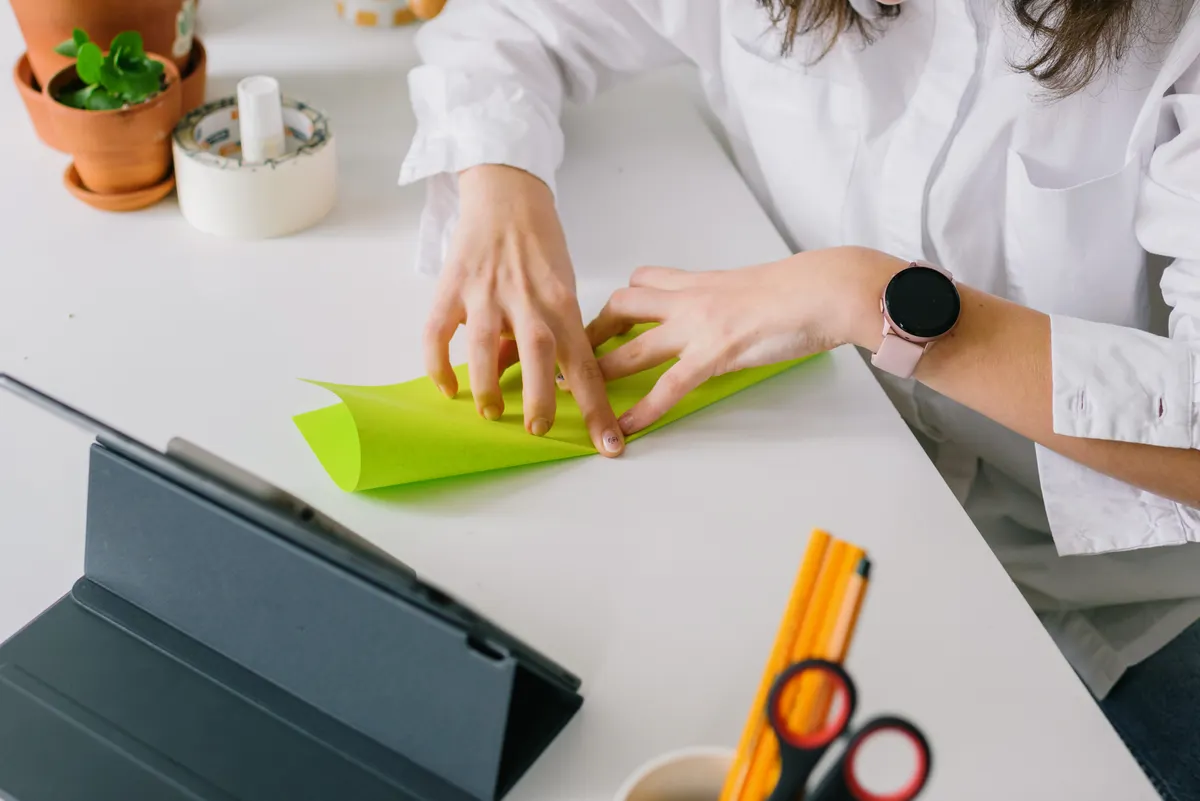
That's really the heart of why origami is a good hobby. It's cheap, it's portable, and it rewards you every single time a fold clicks into place. Unlike a lot of crafts, you don't need a dedicated space or a pile of supplies waiting on a shelf. A single sheet of paper and a flat surface is all it takes to sit down and fold for ten minutes or two hours.
If you're still fuzzy on what separates true origami from paper crafts that use scissors or glue, the What Is Origami? overview clears that up before you fold your first model. It's a short read, but it saves you from picking up habits that technically aren't origami at all.
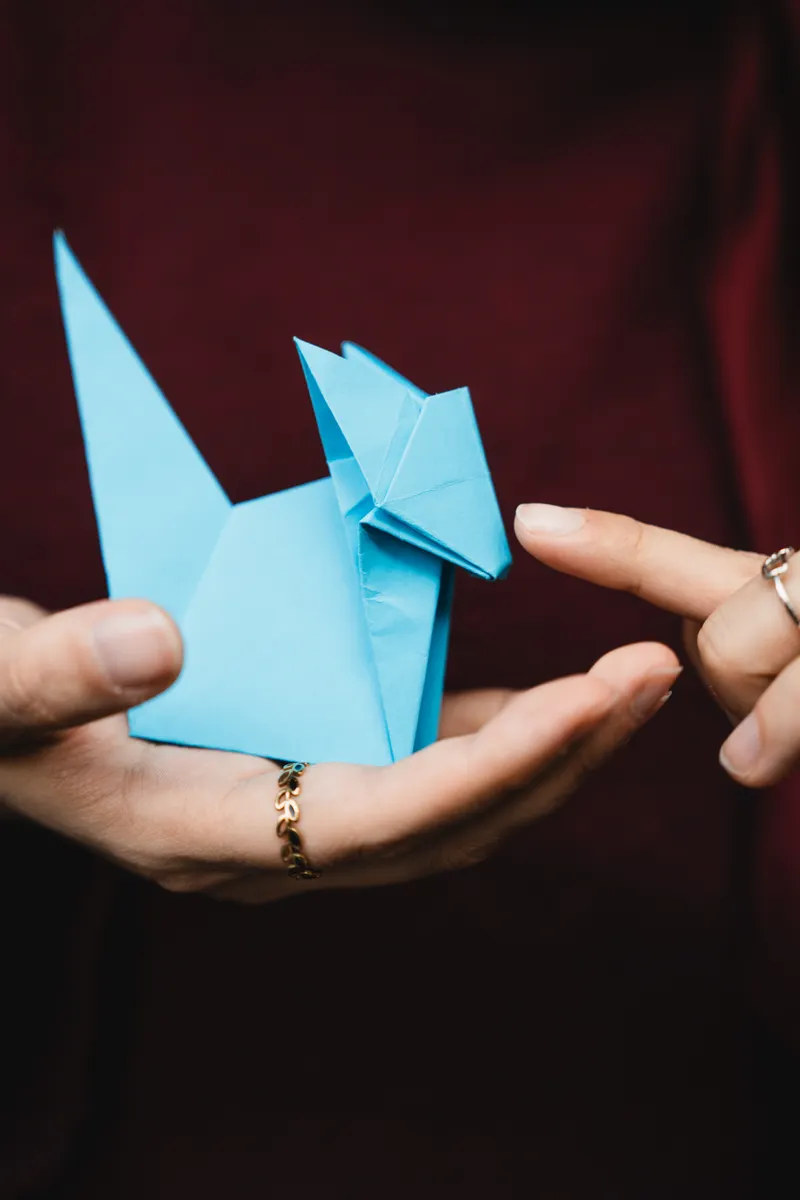
Photo Credit: Sueda Dilli
What You Need to Start Folding
You don't need a workshop or a big budget to begin. A few simple items cover almost everything.
|
Item |
Why You Need It |
|
Origami paper (kami) |
Thin, crisp paper that holds creases cleanly |
|
Bone folder |
Presses creases flat and sharp for accuracy |
|
Flat table surface |
Gives you a stable, even folding base |
|
Diagram book or app |
Shows step-by-step folds with standard symbols |
|
Small box or folder |
Stores finished models without crushing them |
I'd skip regular printer paper if you can. It's too thick to hold tight creases, and it makes early models look sloppy even when your folding is fine. Real kami paper is thin enough to fold ten or twelve layers deep without turning into a lumpy mess, which matters more than beginners expect.
A bone folder is optional at first, but it's the one tool I'd add as soon as you're serious about the hobby. Running it along a crease turns a soft, rounded fold into a sharp, accurate line, and that accuracy is what makes later steps line up the way diagrams show them.
The Real Benefits of Origami as a Hobby
These aren't vague claims. Each one shows up the moment you start folding regularly, and most of them compound the longer you stick with it.
- It builds hand-eye coordination. Lining up corners and pressing exact creases trains your hands to match what your eyes are seeing, fold after fold. Over time, this translates into steadier hands for other detail work too, from sewing to model building.
- It strengthens spatial reasoning. Origami forces you to picture a flat square becoming a 3D shape before you even fold it, which is a skill that carries over into geometry and design work. Folders who stick with modular origami especially notice this, since fitting units together requires picturing a shape from angles you can't fully see yet.
- It's genuinely relaxing. Folding gives your hands something steady to do while your mind slows down, similar to how repetitive motion helps with stress in other hobbies. Many folders describe the process as meditative, since it's hard to think about anything else while you're lining up a tricky fold.
- It builds patience. A tricky reverse fold won't cooperate if you rush it. Origami teaches you to slow down without even trying to, mostly because rushing just means refolding the same step twice.
- It's a strong learning tool for kids. Following numbered steps and folding along a sequence builds early math thinking, following directions, and fine motor control. Teachers sometimes use simple origami models to introduce fractions and symmetry without kids even realizing they're doing math.
- It's affordable and portable. A stack of paper costs a few dollars and fits in a bag, so the hobby travels with you. I've folded cranes on flights, in waiting rooms, and at kitchen tables with nothing but paper from a notebook.
Who Gets the Most Out of Origami
Origami tends to fit differently depending on who's folding, but almost everyone finds something useful in it.
Kids benefit from the step-by-step structure and the confidence boost of finishing a model start to finish. Adults often use it as a low-pressure creative outlet after a long day, something that doesn't demand big decisions or a finished masterpiece. Older folders frequently mention that it keeps their hands active and their focus sharp, without any physical strain involved.
Even people who don't consider themselves crafty tend to stick with origami longer than other hobbies they've tried. Part of that is the low barrier to entry. You can succeed at a simple fold on your very first attempt, which isn't always true for painting, knitting, or woodworking.

Photo Credit: SHVETS production
Pro Tips for Getting the Most Out of Origami
A few habits make the difference between enjoying this hobby and getting frustrated with it early on.
- Start with a simple model. A basic box or a traditional crane teaches core folds without overwhelming you.
- Use real origami paper. Thin, square paper holds creases far better than anything from a printer tray.
- Pre-crease before shaping. Many diagrams ask you to fold and unfold a line first. Skipping this step is a common beginner mistake that causes bigger problems later.
- Slow down on tricky folds. A rushed crease in the wrong spot can quietly wreck the rest of the model, and you often won't notice until several steps later.
- Keep your workspace clean and flat. Crumbs, dust, or a bent table edge throw off every crease you make on top of it.
- Don't skip the base shapes. Learning a handful of common bases, like the bird base or waterbomb base, means you can fold dozens of different models without relearning everything from scratch.
As folders often say in origami circles, the paper never lies. It only shows you exactly where a fold went wrong.
Once the basics feel steady, the natural next step is picking your first real project. The How to Get Started with Origami guide walks through choosing a beginner-friendly model and avoiding the early mistakes that trip most new folders up.
Origami vs Other Relaxing Hobbies
Origami sits in good company with other calming, low-cost hobbies. Here's how it stacks up against a few common ones people compare it to.
|
Hobby |
Cost to Start |
Mess Level |
Skill You Build |
|
Origami |
Very low |
None |
Spatial reasoning, focus |
|
Knitting |
Moderate |
Low |
Repetition, planning |
|
Coloring |
Low |
Low |
Relaxation, creativity |
|
Gardening |
Moderate to high |
High |
Patience, routine |
Origami wins on portability and mess. You can fold on a train, at a desk, or on your couch without cleanup afterward, and there's nothing to store beyond a small stack of paper and your finished models.
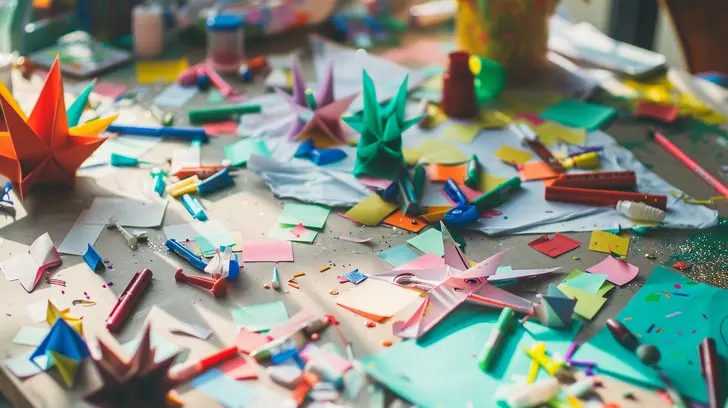
Photo Credit: Internet
Is Origami Relaxing? Frequently Asked Questions
Is origami a good hobby for beginners? Yes. It needs almost no equipment, has no age limit, and simple models can be learned in a single sitting. Most beginners can fold a recognizable model within their first practice session.
What skills does origami teach? It builds hand-eye coordination, patience, spatial reasoning, and the ability to follow multi-step instructions accurately. Many folders also pick up basic geometry concepts without ever opening a textbook.
Can origami improve spatial skills? Yes. Folding a flat sheet into a 3D shape trains your brain to visualize structure before it physically exists, which strengthens spatial thinking over time. This is especially true with modular origami, where you're picturing how several pieces will interlock before you fold a single one.
Can origami help develop hand-eye coordination? Yes. Matching precise corners and edges by hand, fold after fold, is a direct workout for coordination between your eyes and fingers. It's a subtle kind of practice, but it adds up quickly with regular folding.
Is origami a relaxing activity? Most folders find it calming. The repetitive, focused motion of folding gives your hands a task while quieting mental noise, similar to other mindful crafts like knitting or coloring.
Is origami useful for children's learning? Yes. It reinforces sequencing, basic geometry, and following directions, all while giving kids a tangible result they can hold at the end. That immediate payoff tends to keep kids more engaged than lessons without a physical outcome.
Final Thoughts
Origami rewards you almost immediately, even with a simple first fold. Once you get the hang of the basic creases, the hobby only grows from there, and there's always a slightly harder model waiting whenever you're ready for one.
For the complete picture of everything this craft covers, from traditional folds to modular projects, read the full origami guide and see where you want to take it next.



Leave a Reply