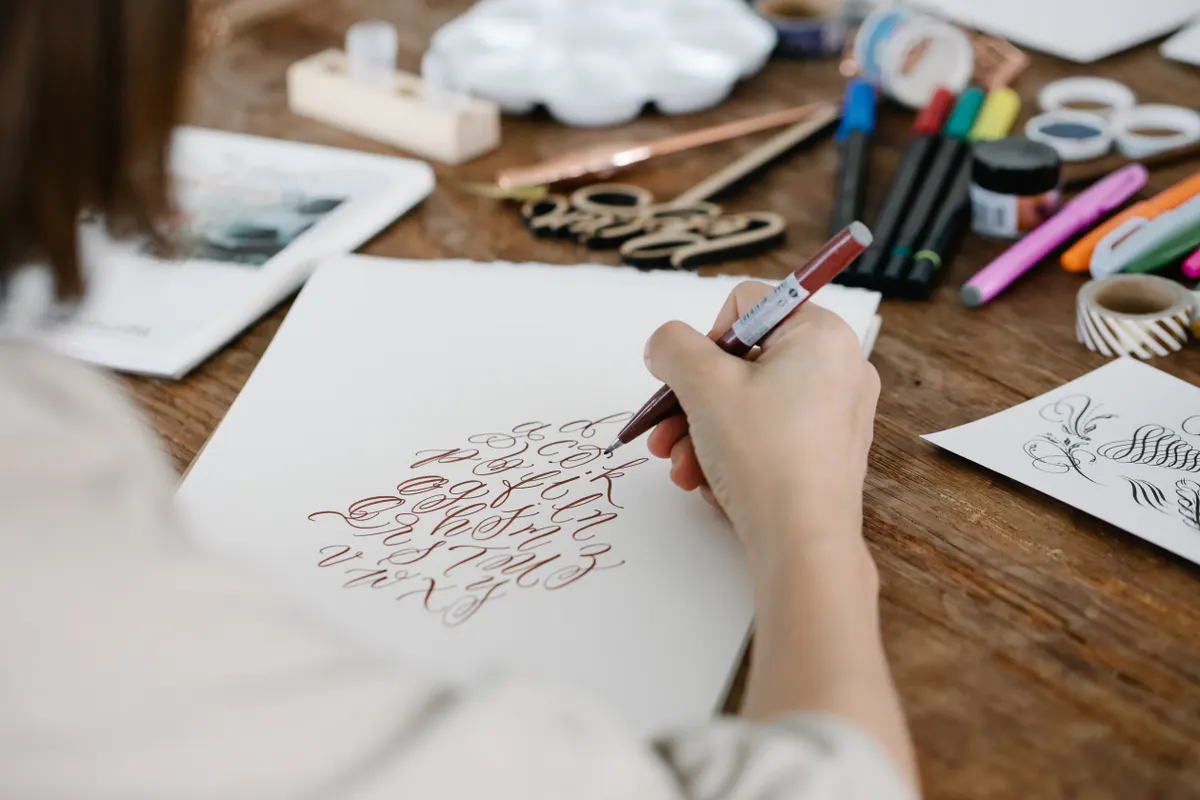
My niece once handed me a "calligraphy" card covered in marker, so proud of letters that leaned every direction but straight, and I realized right then how much the right first tool matters. Calligraphy projects for kids work best when the tools match small hands and short attention spans, not when they get handed the same dip pen an adult would use.
This guide is part of Calligraphy & Lettering Project Ideas for Every Skill Level, and it covers which tools are actually safe for children, what age makes sense to start, and simple projects that keep kids interested past the first five minutes.
What Are Calligraphy Projects for Kids
Calligraphy projects for kids are simplified lettering activities designed around kid-friendly calligraphy tools and simple lettering for children, usually skipping sharp dip pen nibs in favor of safer markers or brush pens. The goal is not perfect letterforms right away, it is building comfort with a pen and getting kids excited about making something with their own hands.
These projects still teach real skills, like steady pressure and basic letter shapes, just through tools that will not cause frustration or accidental scratches along the way.
Background on Why Starting Young Works Well
I have found that kids often pick up basic pen control faster than adults expect, mostly because they are not overthinking every stroke the way beginners often do later in life. There is less fear of getting it wrong, which honestly makes early practice sessions more relaxed than some adult classes I have taught.

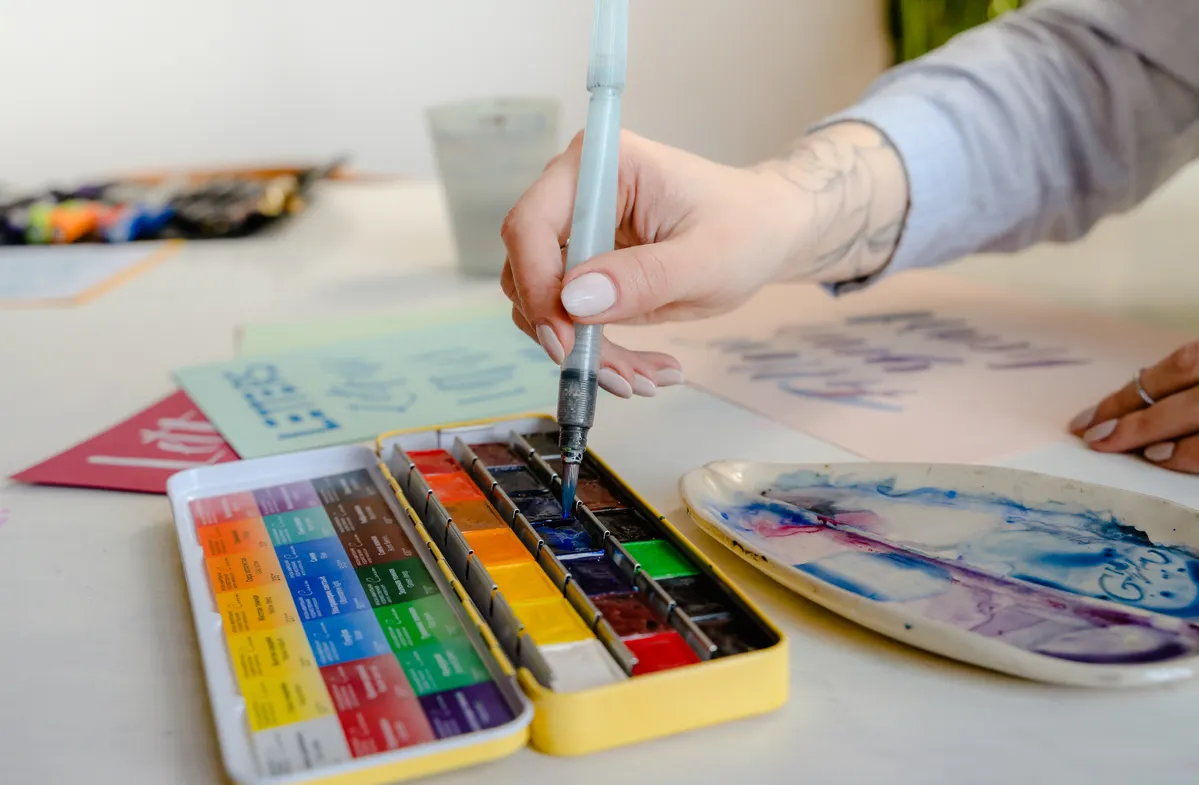
Photo Credit: Hobby Guidebook Editorial
The key is choosing projects that feel like play rather than lessons. A child who enjoys the first few sessions is far more likely to stick with lettering long enough to actually improve.
Tools for Kids Calligraphy Projects
|
Tool |
Purpose |
Notes |
|
Dual tip brush marker |
Main lettering tool for kids |
Soft, flexible tip with no sharp point |
|
Chunky washable marker |
Introduces basic stroke practice |
Easy grip for younger hands |
|
Lined practice paper |
Guides letter height and spacing |
Wider lines work better for beginners |
|
Blunt tip ruler |
Helps draw straight guidelines |
Rounded edges are safer for young kids |
|
Water based ink pads |
Optional for stamped lettering activities |
Non toxic and easy to wash off skin |
What Calligraphy Tools Are Safest for Kids
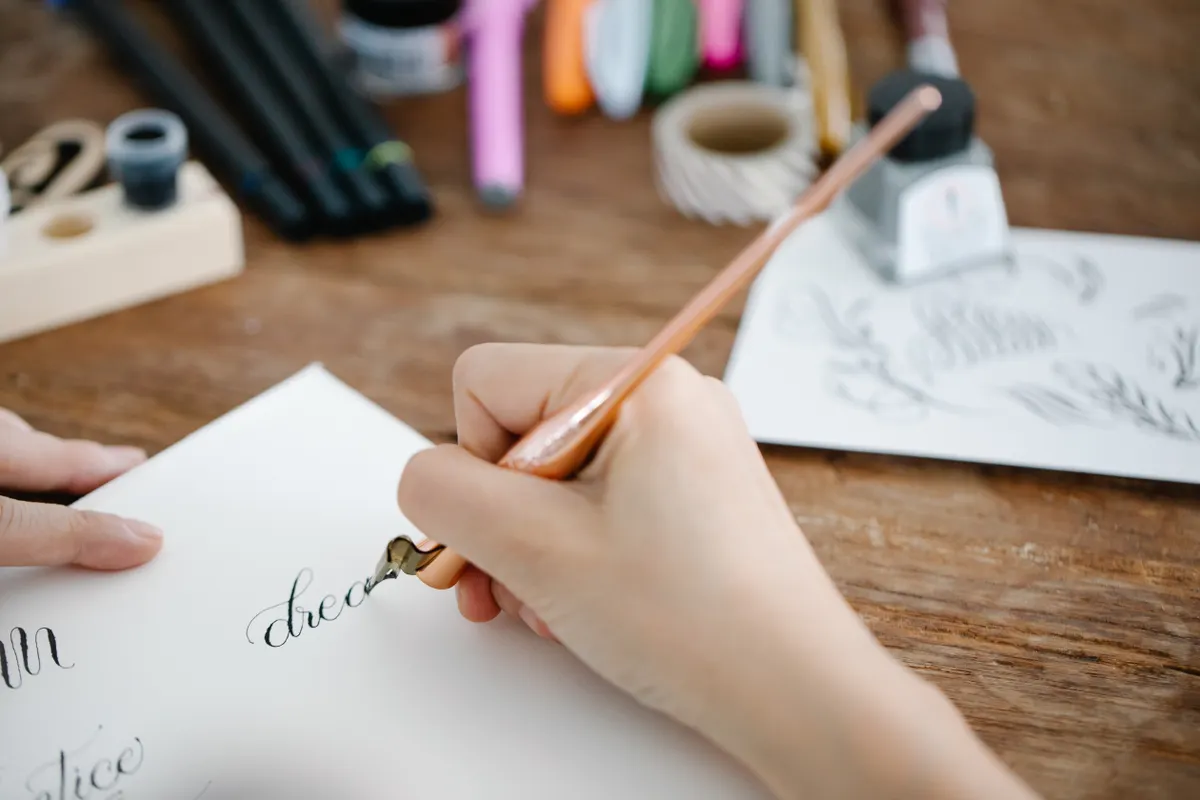
Brush markers and chunky washable markers are the safest calligraphy tools for kids, since they avoid the sharp metal nibs found on traditional dip pens. Avoid glass or metal dip pens with young children, since the nib tip can scratch skin or damage paper if pressed too hard by an inexperienced hand.
Water based, washable inks are also worth choosing over permanent alternatives, since spills and smudges wash off skin and clothing far more easily.
What Age Can Children Start Learning Lettering
Most children can start basic lettering activities around age six or seven, once fine motor control has developed enough to manage a pen with reasonable steadiness. Younger children can still enjoy simpler stroke practice with chunky markers, though full letterforms usually click a bit later.
Every child develops pen control at a different pace, so treating age as a rough guide rather than a strict rule keeps the experience pressure free.

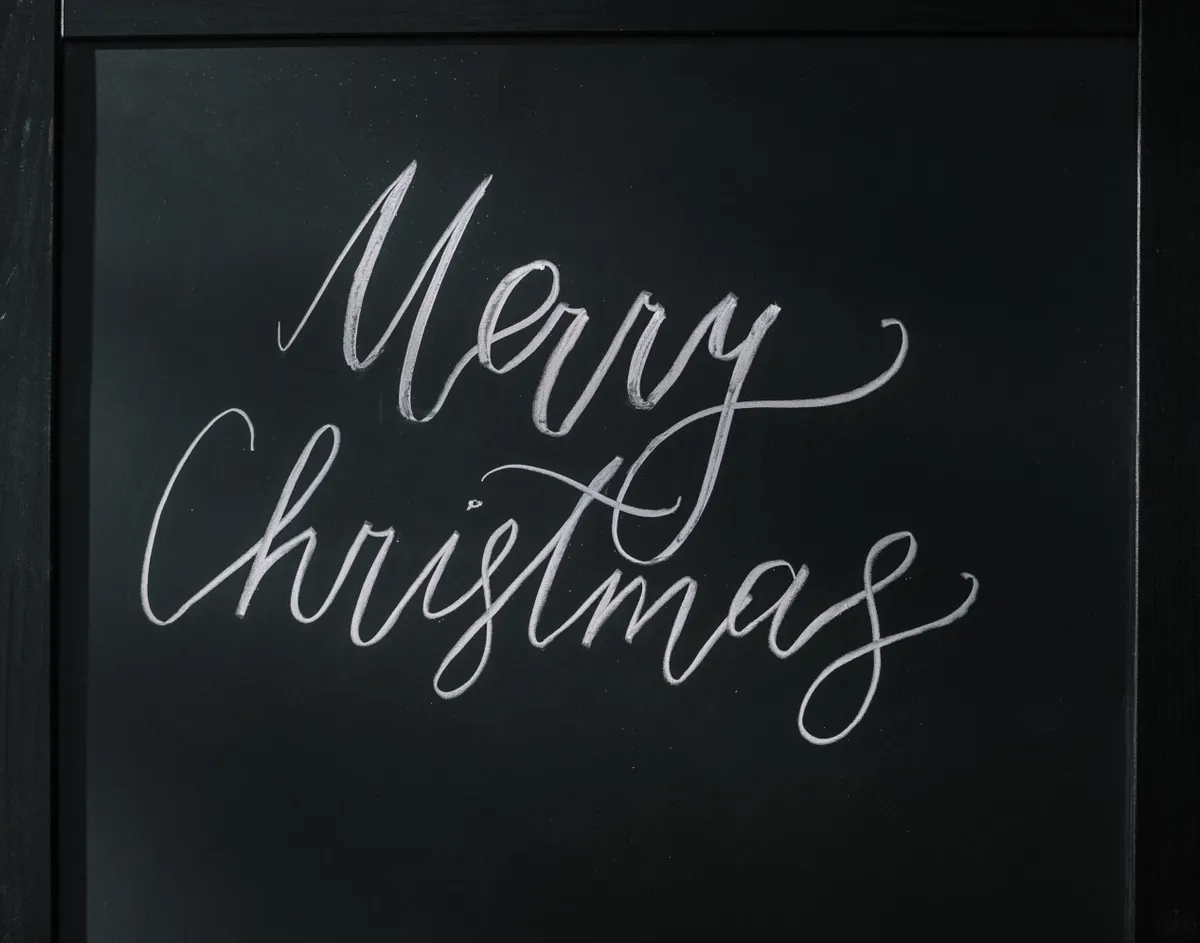
Photo Credit: Katya Wolf
Which Lettering Styles Are Easiest for Children
Simple print based lettering and basic faux calligraphy tend to be the easiest styles for children, since both avoid the pressure control that pointed pen scripts require. Faux calligraphy in particular works well because it uses a regular marker to fake the thick and thin strokes of real calligraphy, without needing a special pen at all.
If this technique sounds like a good starting point, Faux Calligraphy Technique breaks down exactly how it works, and it translates well for young beginners too.
What Beginner Projects Keep Kids Interested in Calligraphy
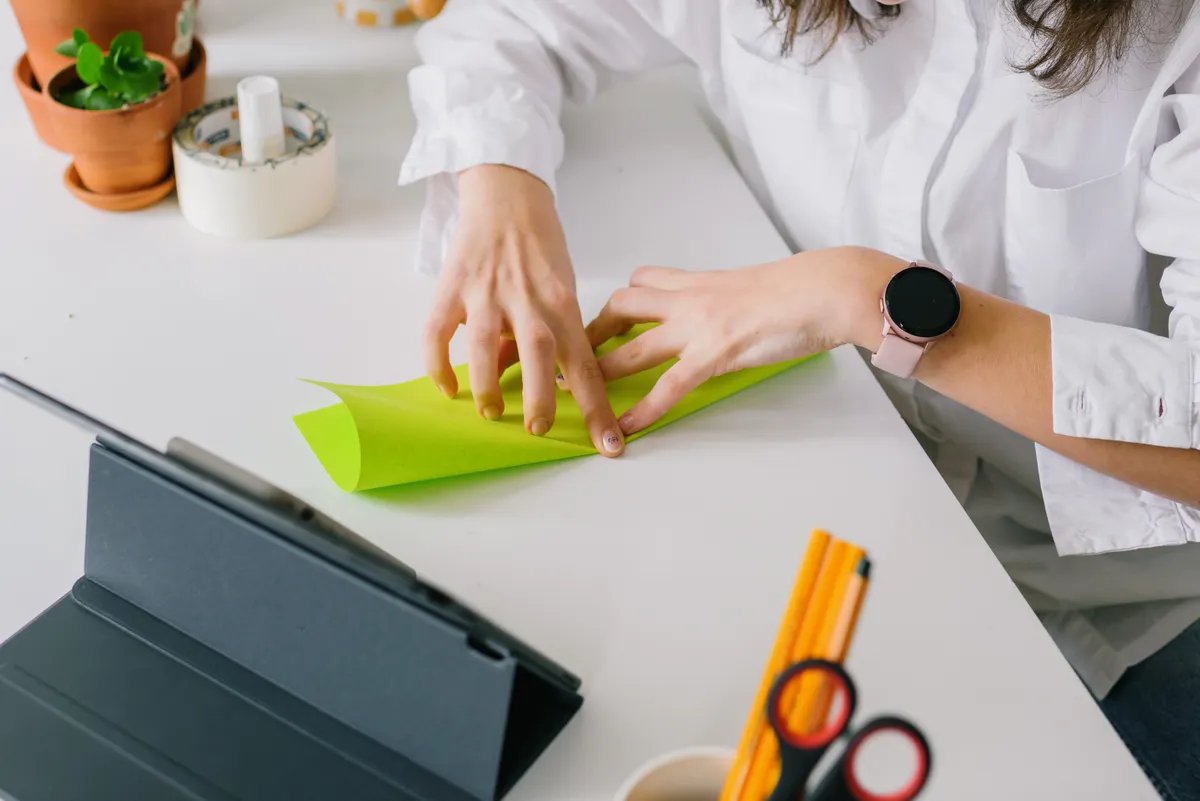
Name tags, simple birthday cards, and small quote bookmarks tend to keep kids interested, since each project finishes quickly and results in something they can immediately use or give away. Short projects work better than long ones for young beginners, since attention naturally drifts after fifteen or twenty minutes of focused pen work.
"Kids stick with things that feel finished fast." That advice gets repeated often among art teachers, and it holds up well once you see how quickly a child loses interest in an unfinished page.
For a slightly more structured next step once basics feel comfortable, Beginner Calligraphy Projects offers ideas that work well for kids ready to build on early skills.
How Can Adults Supervise Calligraphy Practice Safely
Adults can supervise safely by staying nearby during early sessions, checking that markers stay capped when not in use, and keeping any sharper tools like fine tip pens out of reach until a child shows steady control. Watch for excessive pressure on paper, since pressing too hard is one of the most common habits young beginners develop early on.
Good lighting also matters more than people expect, since straining to see faint guidelines can lead to frustration that has nothing to do with actual skill.
Step-by-Step Guide to a Kids Calligraphy Project
- Choose a soft tip brush marker. Avoid sharp nibs entirely for young children.
- Start with simple straight and curved strokes. This builds pen control before real letters begin.
- Practice a few letters at a time. Short bursts hold attention better than a full alphabet at once.
- Move to a short, real project. A name tag or small card feels rewarding fast.
- Let the child choose their own colors. Ownership over the project keeps interest high.
- Praise effort over perfect letterforms. Confidence matters more than precision at this stage.
Pro Tips and Common Mistakes to Avoid
- Do not start kids on dip pens or sharp nibs. Brush markers are safer and just as effective for early practice.
- Avoid long, unstructured practice sessions. Short, focused bursts work far better for young attention spans.
- Do not correct every small mistake immediately. Too much correction early on can discourage a child quickly.
- Keep inks and markers washable, not permanent. This prevents stress over stained clothes or skin during practice.

Photo Credit: Goran Grudić
Frequently Asked Questions
What calligraphy tools are safest for kids? Brush markers and washable inks are safest, since they avoid sharp dip pen nibs entirely.
What age can children start learning lettering? Most children can start around age six or seven, though this varies by child.
Which lettering styles are easiest for children? Simple print lettering and faux calligraphy are easiest, since neither requires pressure control.
What beginner projects keep kids interested in calligraphy? Name tags, short cards, and bookmarks work well, since they finish quickly.
How can adults supervise calligraphy practice safely? Stay nearby, keep sharp tools out of reach, and watch for excessive pressure on paper.
A Fun Way to Start Young
Calligraphy projects for kids work best when the tools fit small hands and the projects finish fast enough to hold their interest. Start simple, keep it safe, and let their confidence build one short project at a time.
For everything else this hobby covers, from tools to strokes to full scripts, read the full calligraphy and hand lettering guide.

Leave a Reply