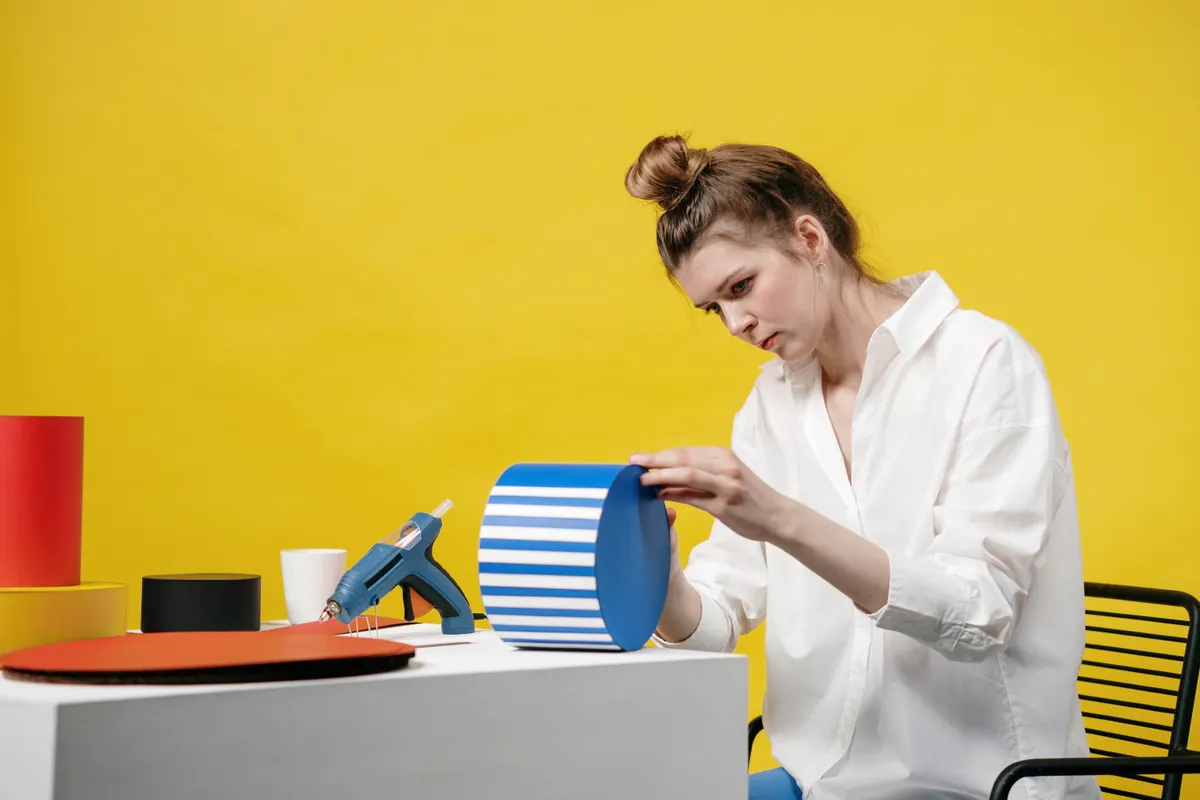
Open any paper crafter's supply drawer and you'll find at least five different glues, and every single one earns its spot for a reason. Picking the wrong adhesives for paper crafts is one of the fastest ways to ruin a project, whether that means a warped card front, a die cut that won't stay put, or photos that yellow inside a scrapbook years later.
This guide is part of the Paper Crafts Materials & Tools Guide, and it covers exactly which glue works for which project, how to avoid warping, and when to reach for tape runners versus liquid glue versus foam adhesive. I've gone through more bottles and rolls of adhesive than I can count over the years, and matching the right glue to the right paper still saves me more headaches than almost any other decision on my desk.
Why Adhesive Choice Matters So Much in Paper Crafts
Paper reacts to moisture, and that's really the whole story behind most adhesive problems. Wet glues introduce moisture into the paper fibers, which can cause bubbling, warping, or curling, especially on lighter weight cardstock or delicate die cuts.
Dry adhesives like tape runners avoid that problem entirely, but they don't always hold up for heavier embellishments or bulkier layers. Understanding these tradeoffs upfront is the real key to choosing well, rather than grabbing whatever bottle happens to be closest on the desk.
Types of Adhesives for Paper Crafts
Here's a rundown of the main adhesive types I keep stocked, along with what each one actually does best.
|
Adhesive Type |
Best For |
Dry Time |
Notes |
|
Liquid glue (PVA/white glue) |
General paper bonding, larger flat surfaces |
Slow, several minutes to hours |
Can cause warping if applied too heavily |
|
Glue stick |
Lightweight paper, kids' projects, quick fixes |
Fast, under a minute |
Weaker hold over time, best for temporary or light use |
|
Tape runner |
Card making, scrapbooking, precise placement |
Instant |
No moisture, minimal warping risk |
|
Foam adhesive (dots or tape) |
Adding dimension, raised embellishments |
Instant |
Creates a 3D layered effect between elements |
|
Double-sided tape |
Flat, even bonding of medium to large pieces |
Instant |
Strong hold without adding bulk |
|
Decoupage medium |
Layering paper onto surfaces, sealing designs |
Moderate, 30 minutes or more per coat |
Doubles as glue and protective sealer |
|
Spray adhesive |
Large flat areas, photos, backgrounds |
Fast, a few minutes |
Requires ventilation, best used outdoors or in open space |
Having a few of each type on hand covers nearly every situation you'll run into, from a quick card layer to a full scrapbook spread.
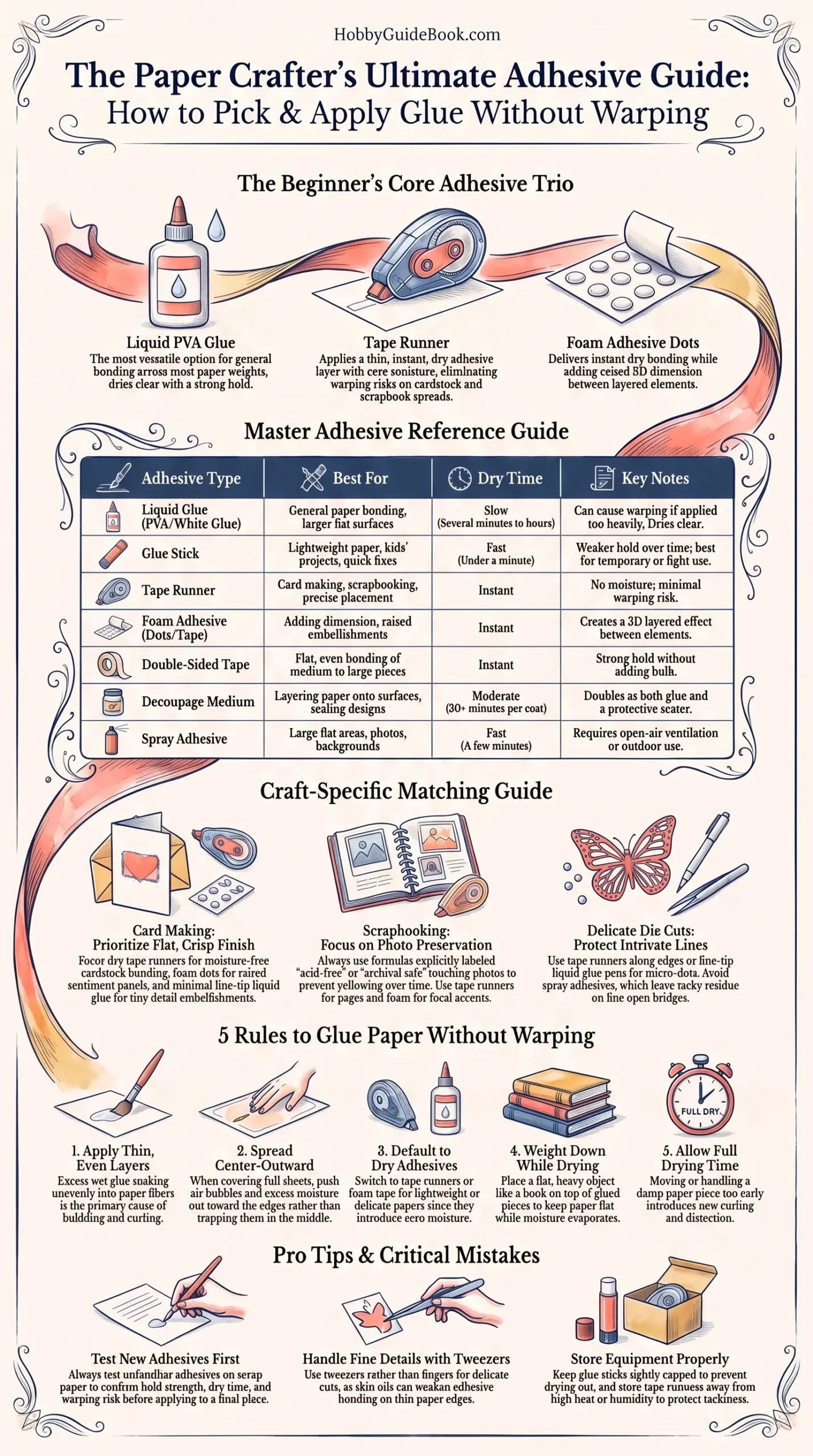
Photo Credit: Hobby Guidebook Editorial
What Glue Is Best for Paper Crafts
There's no single best glue for paper crafts across every project, but a few standouts cover most situations well. PVA liquid glue remains the most versatile option for general bonding, since it dries clear, holds strong, and works on nearly every paper weight.
For anyone building out a beginner supply kit, I'd recommend starting with a bottle of PVA glue, a tape runner, and a pack of foam adhesive dots. That trio alone handles the vast majority of card making, scrapbooking, and general paper craft projects without needing anything fancier right away.
What Adhesive Is Best for Card Making
Card making tends to favor dry adhesives over wet ones, mostly because cardstock warps easily and cards need to look flat and crisp once finished.
- Tape runners are the go-to choice for most card makers, since they apply a thin, even layer of adhesive with zero moisture and instant hold.
- Foam adhesive dots or tape work well for adding dimension, like layering a sentiment panel slightly above the card base for a subtle 3D effect.
- Liquid glue still has a place for smaller detail work, like attaching tiny embellishments, but should be used sparingly to avoid excess moisture on delicate layers.
A dull craft knife causes plenty of frustration in card making, but a poorly chosen adhesive can undo even the cleanest cut edges by warping the paper right after assembly. Cutting Tools for Paper Crafts covers how sharp blades pair with clean adhesive application for the crispest possible card layers.
What Adhesive Works Best for Scrapbooking
Scrapbooking introduces its own considerations, mainly because photos and long-term preservation come into play alongside general paper bonding.
- Acid-free, photo-safe adhesive is essential for anything touching printed photos, since standard glue can cause yellowing or damage over years of storage.
- Tape runners with acid-free formulas handle most page layout work, securing photos and paper elements without adding bulk.
- Foam adhesive adds dimension between layered elements, a popular technique for making focal photos or titles stand out on a busy page.
- Liquid glue works for flat background papers covering a full page, though a thin, even application matters more here than almost anywhere else to avoid warping large sheets.
Always check that any adhesive labeled for scrapbooking specifically says "acid-free" or "archival safe" on the packaging, since regular craft glue isn't always formulated with long-term photo preservation in mind.
How Do You Glue Paper Without Warping It
Warping happens when moisture from wet glue soaks unevenly into paper fibers, causing the sheet to curl or bubble as it dries. A few habits go a long way toward avoiding this common frustration.
- Apply glue in thin, even layers rather than thick globs, since excess liquid glue is the most common cause of warping.
- Spread glue from the center outward when covering a full sheet, pushing air bubbles and excess moisture toward the edges rather than trapping them in the middle.
- Use a dry adhesive whenever possible for lightweight or delicate paper, since tape runners and foam adhesive introduce no moisture at all.
- Weight down glued pieces while they dry, placing a flat, heavy object like a book on top to keep the paper pressed flat as the moisture evaporates.
- Let glued pieces dry fully before handling, since moving a still-damp piece too early is a common way to introduce new curling or bubbling.
I've found that switching to tape runners for most flat paper-to-paper bonding cut my warping problems down significantly, saving liquid glue for projects where its stronger hold actually matters.
Photo Credit: Antoni Shkraba
When Should You Use Liquid Glue, Tape Runner, or Foam Adhesive
This comparison comes up constantly for beginners trying to figure out which bottle or roll to reach for.
"The right glue is invisible, the wrong one is the first thing anyone notices." That's worth remembering any time a project feels harder to finish cleanly than it should, since warped paper or a lifted embellishment usually traces back to an adhesive mismatch rather than a lack of skill.
Quick decision guide:
- Choose liquid glue for permanent, strong bonds on sturdier cardstock, or for projects like decoupage where the glue also acts as a sealer.
- Choose a tape runner for precise, mess-free placement on card fronts, scrapbook pages, or anywhere warping is a concern.
- Choose foam adhesive when you want raised, dimensional layers, like a title standing slightly above a background or a focal element popped off a card front.
If your project involves layering full sheets of paper onto a surface rather than individual cut pieces, the adhesive approach shifts slightly toward wet mediums used specifically for that purpose. Napkin Decoupage Technique covers how decoupage medium functions as both glue and sealer for that particular layering style.
What Adhesive Works Best for Delicate Die Cuts
Delicate die cuts, especially intricate or lacy designs, need an adhesive that won't tear thin paper bridges or add bulk that ruins fine detail.
- Tape runners are generally the safest choice, since they apply adhesive precisely along edges without soaking into the paper.
- Fine tip liquid glue pens work well for tiny detail points, applying just a small dot exactly where needed without excess spread.
- Avoid spray adhesive on delicate cuts, since overspray can stick fine details together or leave a tacky residue on intricate open areas.
- Foam adhesive squares can be trimmed down for small die cut pieces, offering dimension without overwhelming a delicate design.
Handling delicate die cuts with tweezers rather than fingers also helps here, since oils from skin can sometimes affect how well adhesive bonds to very thin, detailed paper edges.
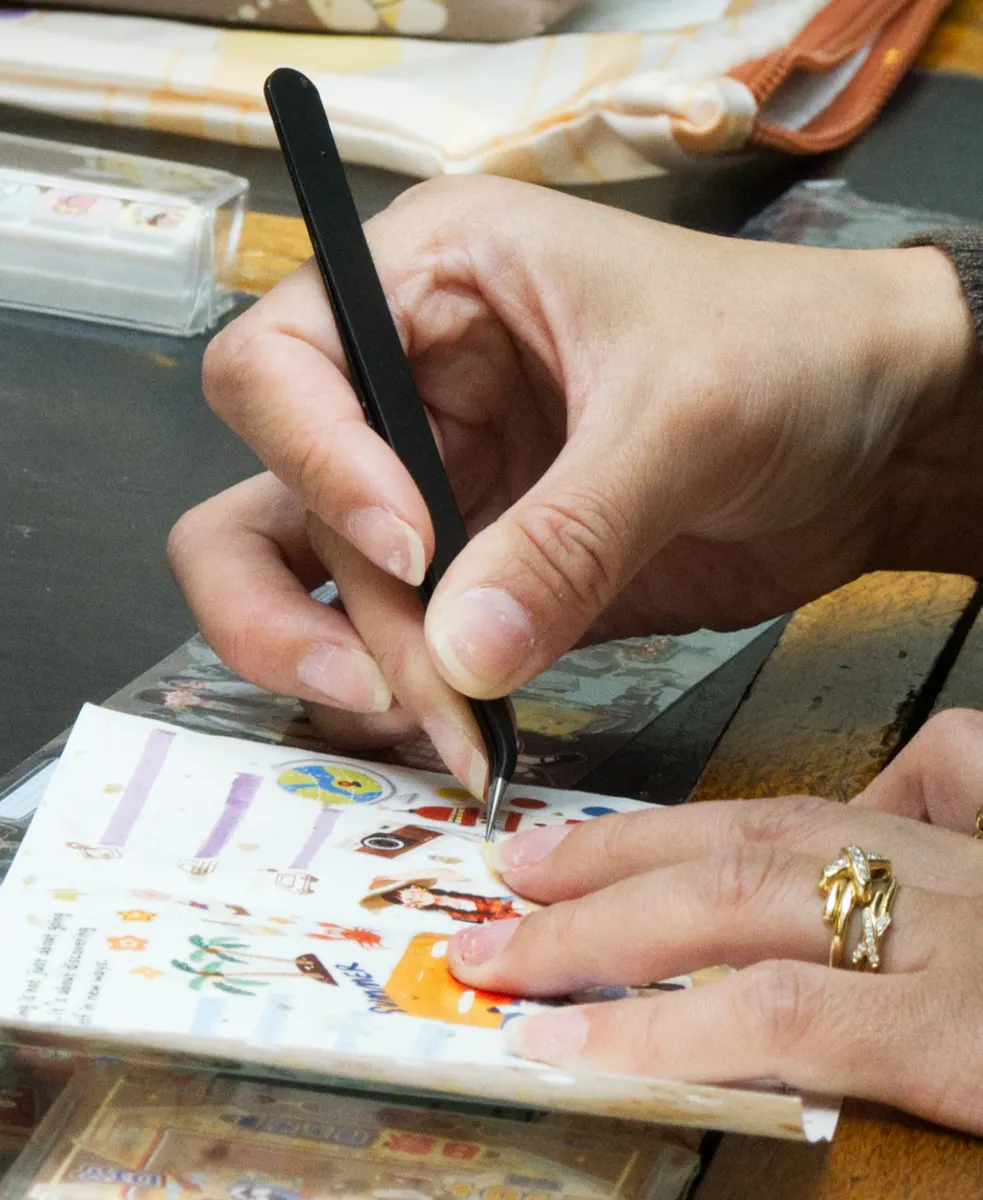
Photo Credit: Abdus Samad Mahkri
Pro Tips and Common Mistakes to Avoid
A few patterns show up again and again with beginners working through their adhesive choices.
- Using too much liquid glue. Excess glue is the single biggest cause of warping, bubbling, and long drying times.
- Ignoring acid-free labeling for photo projects. Regular glue can cause yellowing or damage to photos over years of storage in a scrapbook.
- Using spray adhesive without ventilation. Spray adhesives release fumes that need open air or a well-ventilated space, so work near an open window or outdoors when using them.
- Skipping a test piece with new adhesive. Testing on scrap paper first helps confirm dry time, hold strength, and warping risk before committing to a final project.
- Storing glue sticks or tape runners incorrectly. Leaving glue sticks uncapped dries them out fast, and tape runners can lose tackiness if stored in very hot or humid spaces.
Frequently Asked Questions
What glue is best for paper crafts? PVA liquid glue is the most versatile option, drying clear and working well across most paper weights. For beginners, a mix of liquid glue, tape runner, and foam adhesive covers nearly every common project.
What adhesive is best for card making? Tape runners are the top choice for card making, since they apply adhesive without moisture and won't warp cardstock. Foam adhesive adds dimension for raised elements, while liquid glue works best for small detail pieces.
What adhesive works best for scrapbooking? Acid-free, photo-safe adhesive is essential for anything touching printed photos, protecting them from yellowing over time. Tape runners and foam adhesive both work well for general page layout and dimensional accents.
How do you glue paper without warping it? Apply glue in thin, even layers, spreading from the center outward, and weight down glued pieces while they dry. Choosing a dry adhesive like a tape runner avoids the moisture that causes warping in the first place.
When should you use liquid glue, tape runner, or foam adhesive? Liquid glue suits strong, permanent bonds on sturdier paper, tape runners work best for precise, mess-free placement, and foam adhesive adds raised dimension. Matching the adhesive to the project's paper weight and desired effect prevents most common problems.
What adhesive works best for delicate die cuts? Tape runners are generally the safest option for delicate die cuts, since they avoid soaking into thin paper bridges. Fine tip liquid glue pens work well for tiny detail points needing just a small, precise dot of adhesive.
Choosing the Right Adhesive for Your Next Project
Picking the right adhesive really comes down to matching the glue type to your paper weight and project style, whether that's a flat card front, a dimensional scrapbook page, or a delicate die cut design. Once you understand which adhesive avoids warping and which one holds strong for heavier elements, choosing the right bottle or roll gets a lot less like guesswork.
Start with a basic trio of PVA glue, a tape runner, and foam adhesive dots, then build out your adhesive stash as specific projects call for something more specialized.
Want to explore more paper craft skills? Read the full paper crafts guide for techniques across every paper craft style.




Leave a Reply