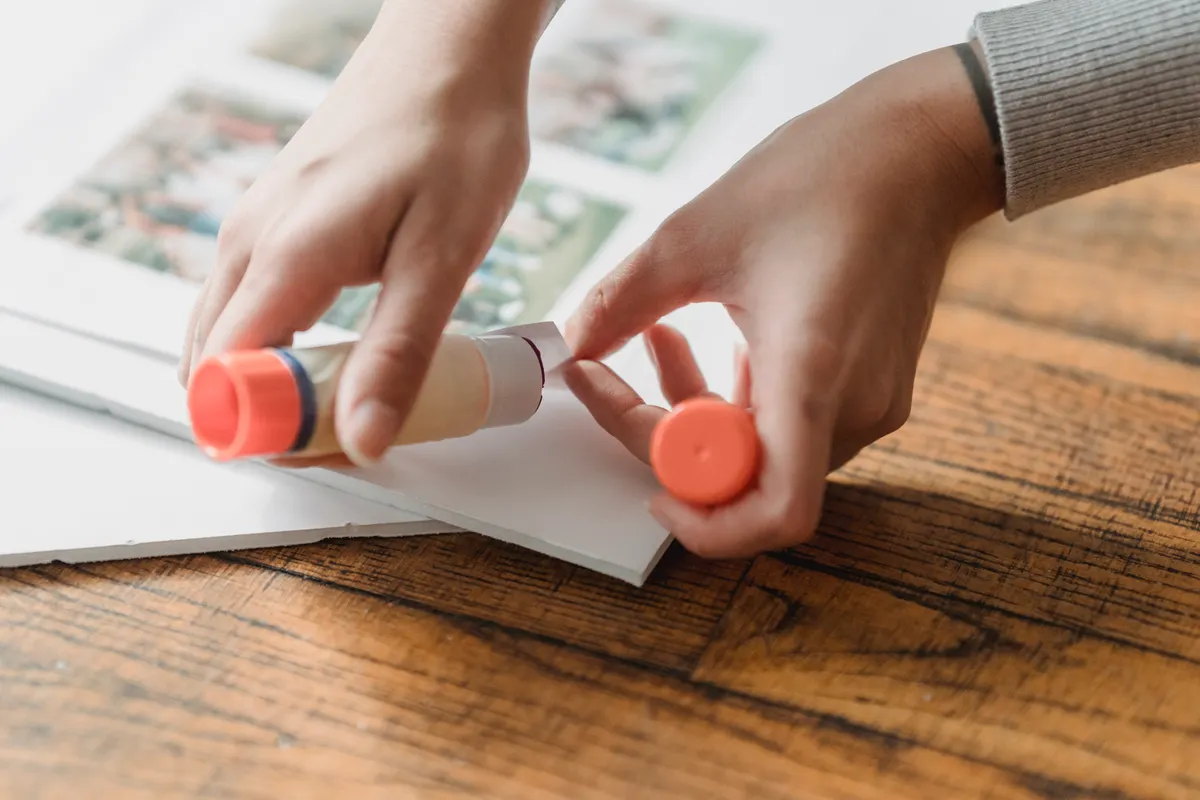
You reach for whatever adhesive is closest on your desk, glue a layer down, and an hour later that corner is curling up like it never wanted to stick in the first place. The glue stick vs liquid glue decision seems small, but picking the wrong one is one of the most common reasons a finished paper project looks warped, bumpy, or just plain messy.
This guide is part of Common Paper Craft Questions & Comparisons, and it breaks down exactly how these two adhesives differ, which one holds better, and when each one actually belongs in your project. I've gone through more glue sticks and glue bottles than I can count over the years, and the right choice almost always comes down to what you're gluing and how big the surface is.
What Is the Real Difference Between Glue Stick and Liquid Glue
Glue sticks apply a thin, dry-to-the-touch layer of adhesive that bonds paper together with light pressure. They contain very little moisture, which means they dry fast and rarely cause paper to warp or buckle.
Liquid glue, on the other hand, comes in bottle form and applies a wetter, stronger bond. It takes longer to dry and introduces more moisture into the paper fibers, which is exactly why it can cause curling if it's not used carefully.
This paper craft adhesive comparison really comes down to a trade off between convenience and strength. Glue sticks are faster and cleaner for everyday use, while liquid glue holds heavier materials and embellishments that a glue stick simply can't support long term.
Which Holds Better, Glue Stick or Liquid Glue
Liquid glue holds better for most paper craft applications, especially anything involving layered cardstock, heavier embellishments, or pieces that need to stay firmly bonded over time.
Where glue sticks fall short on holding power:
- Heavier cardstock layers can slowly separate at the edges over weeks or months.
- Glitter, sequins, or small dimensional embellishments often don't stay attached long term.
- Humid environments can weaken the bond faster than they would with liquid glue.
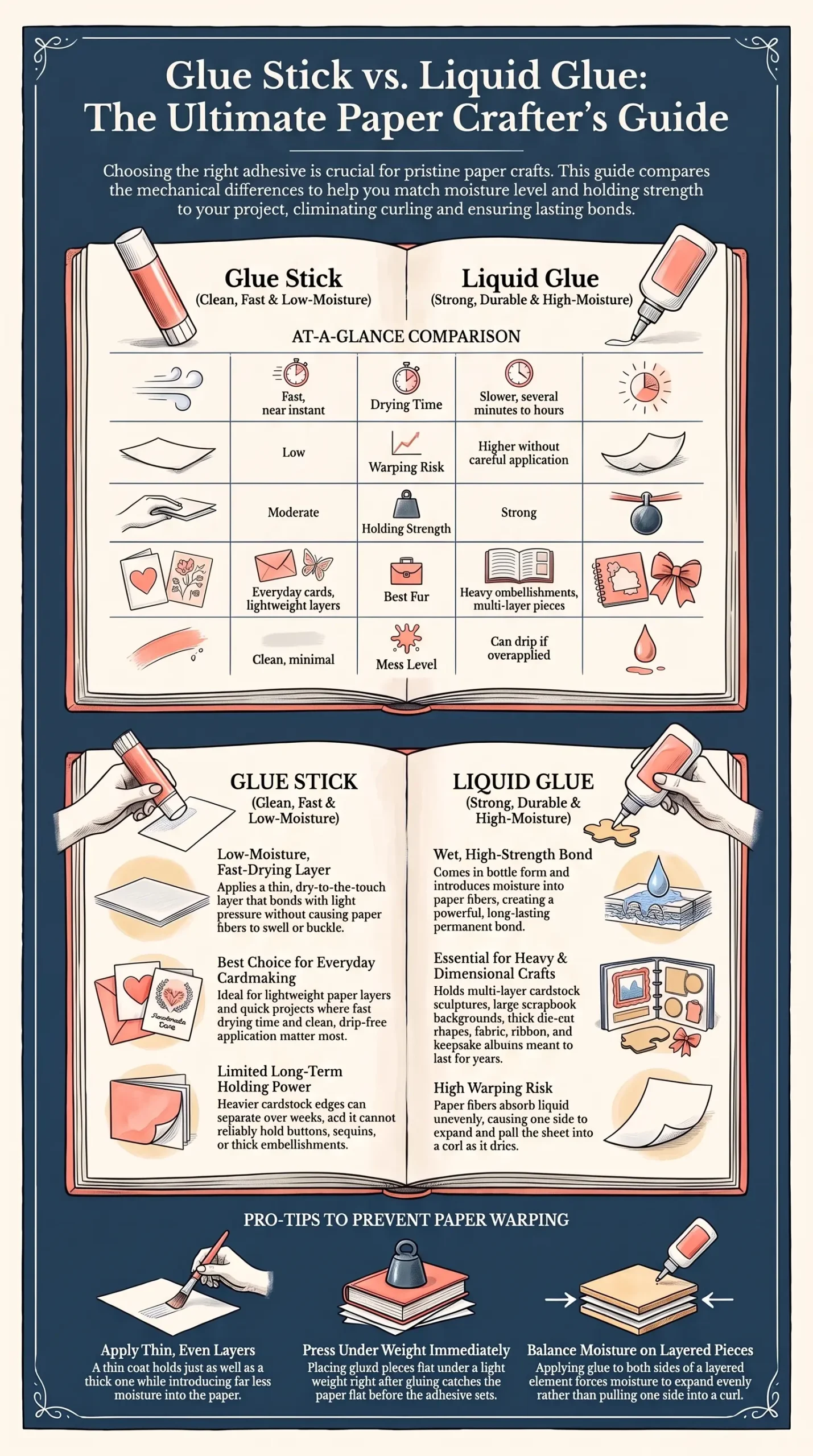
Photo Credit: Hobby Guidebook Editorial
Where liquid glue holds strong:
- Multi-layer cardstock projects, like layered paper sculpture or dimensional cards.
- Attaching heavier decorative elements, such as buttons, ribbon, or thicker die-cut shapes.
- Projects meant to last for years, like scrapbook pages or keepsake albums.
That said, holding power isn't the only factor worth weighing. A stronger bond means nothing if the moisture from liquid glue ends up warping your paper before it even finishes drying.
Does Liquid Glue Warp Paper More Than Glue Sticks
Yes, and this is the single biggest downside of liquid glue in paper crafting. Liquid adhesive introduces noticeably more moisture into paper fibers than a glue stick does, and that moisture is exactly what causes warping as the paper dries unevenly.
Why this happens: Paper fibers absorb liquid glue unevenly across a sheet. One side expands slightly as it soaks up moisture, while the other side stays dry, and that mismatch pulls the paper into a curl as it dries.
Glue sticks barely introduce any moisture at all, which is why they rarely cause warping even on delicate or lightweight cardstock. If warping has been a recurring problem in your projects, it's worth digging into the root cause a bit further. Why Won't My Paper Craft Glue Dry Flat? covers the specific drying issues that show up most often with liquid adhesives.
A few ways to reduce warping if you do choose liquid glue:
- Apply a thin, even layer rather than a thick coat, since less moisture means less risk of curling.
- Glue both sides of a layered piece when possible, so moisture expands evenly instead of pulling one side out of shape.
- Press glued pieces under light weight immediately, catching the paper flat before the glue starts to set.
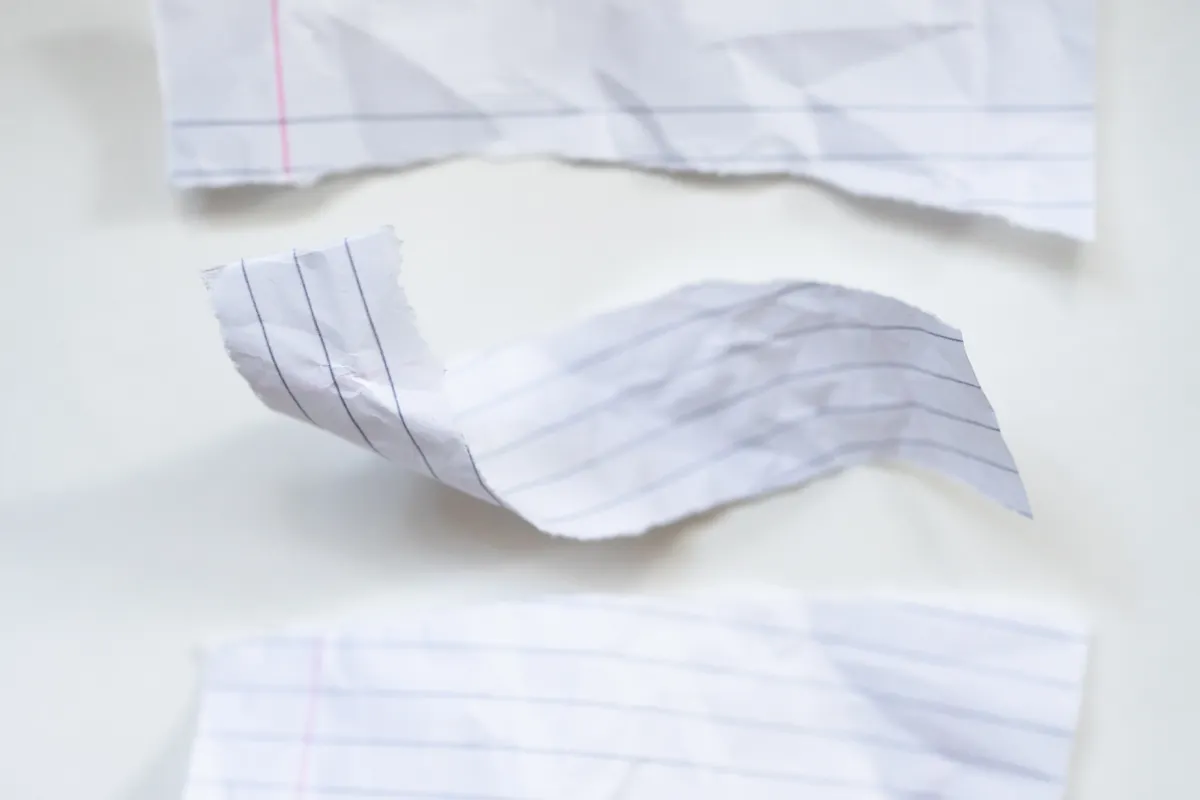
Photo Credit: Beyzanur K.
Which Is Better for Card Making
For most card making projects, a glue stick is the better everyday choice. Cards are usually lightweight, finished quickly, and don't need the extra holding strength that liquid glue provides.
Glue stick advantages for card making:
- Dries almost instantly, letting you keep working without waiting.
- Low moisture means little to no risk of warping the card front.
- Clean application, with no drips or excess glue squeezing out the sides.
When liquid glue still makes sense for cards:
- Attaching heavier embellishments like buttons, charms, or thick ribbon.
- Building multi-layer dimensional card fronts with several stacked pieces.
- Securing envelope flaps or heavier cardstock that a glue stick alone won't hold long term.
A comparison table makes the everyday trade off easier to see at a glance.
|
Factor |
Glue Stick |
Liquid Glue |
|
Drying time |
Fast, near instant |
Slower, several minutes to hours |
|
Warping risk |
Low |
Higher without careful application |
|
Holding strength |
Moderate |
Strong |
|
Best for |
Everyday cards, lightweight layers |
Heavy embellishments, multi-layer pieces |
|
Mess level |
Clean, minimal |
Can drip if overapplied |
Which Adhesive Is Better for Large Paper Surfaces
Liquid glue generally works better on large paper surfaces, especially for scrapbook backgrounds or wide cardstock panels that need full, even coverage.
Glue sticks can dry out or apply unevenly across a large area, leaving weak spots where the paper isn't fully bonded. Liquid glue spread with a brush or applicator tip covers more surface area consistently, though it does require more care to avoid warping on a bigger sheet.
"The bigger the surface, the more moisture matters." That's worth remembering on large projects, since an uneven glue layer across a wide sheet of cardstock shows up as visible bubbling or curling far more obviously than it would on a small card panel.
For very large surfaces, some crafters use a combination approach, applying liquid glue near the edges for a strong hold while relying on a glue stick or spray adhesive across the center to reduce overall moisture. Adhesives for Paper Crafts covers the fuller range of adhesive options worth having on hand, including tape runners and adhesive dots that work well alongside both glue sticks and liquid glue.
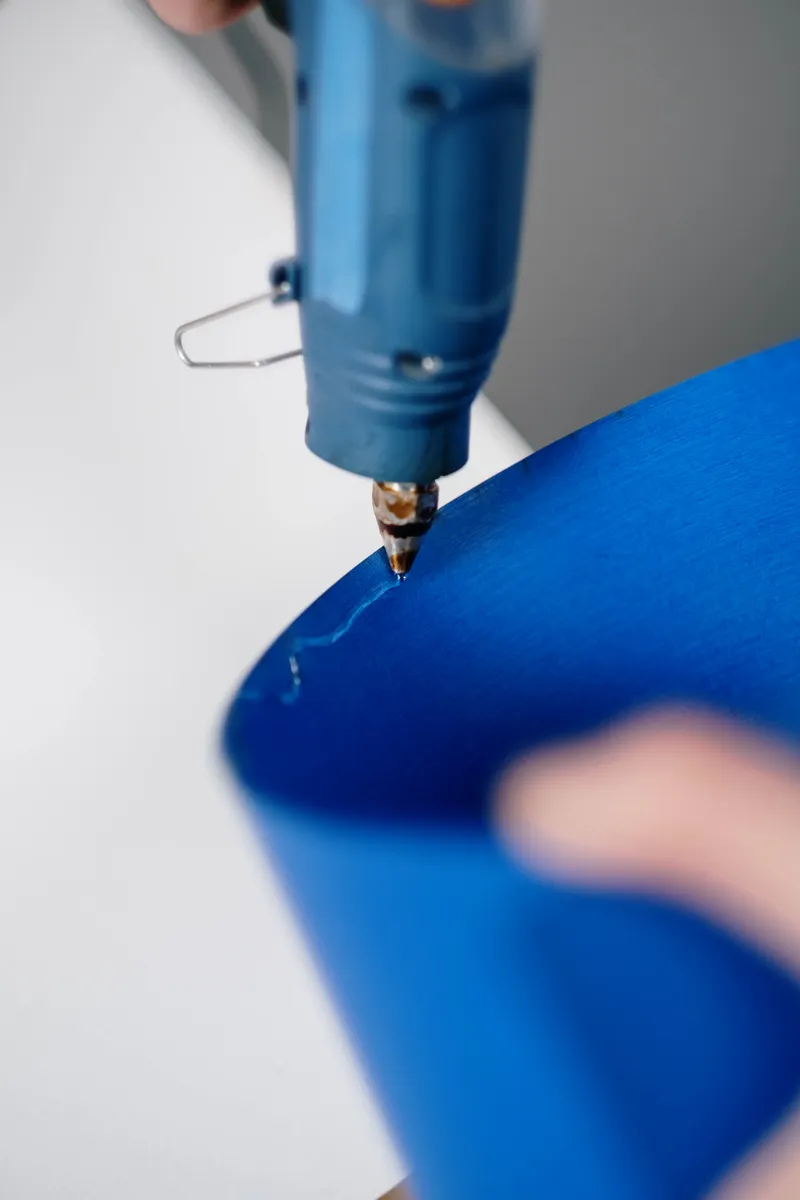
Photo Credit: cottonbro studio
When Should You Use Liquid Glue Instead of a Glue Stick
A few clear situations call for liquid glue over a glue stick, even with the added warping risk.
- Attaching heavier or dimensional embellishments that a glue stick's lighter bond can't support over time.
- Building layered paper sculpture where multiple stacked layers need a stronger, more permanent hold.
- Securing materials that don't respond well to glue sticks, like certain fabrics, ribbon, or thicker chipboard pieces.
- Working on a project meant to last for years, like a scrapbook page or keepsake album that needs a durable bond.
Situations where a glue stick is almost always the better call:
- Everyday greeting cards finished in one sitting.
- Lightweight layering where warping risk needs to stay low.
- Quick projects where fast drying time matters more than maximum holding strength.
Pro Tips and Common Mistakes to Avoid
A few habits separate crafters who rarely deal with adhesive problems from those who fight warping and weak bonds on every project.
- Using liquid glue out of habit on lightweight layers. A glue stick often holds just as well for thin cardstock, with far less warping risk.
- Applying too much liquid glue at once. A thin, even layer bonds just as well as a thick one, with much less moisture soaking into the paper.
- Skipping the weight step after gluing. Pressing glued pieces flat immediately under light weight prevents a lot of warping before it even starts.
- Ignoring paper weight when choosing an adhesive. Heavier cardstock generally handles liquid glue's moisture better than thin, delicate paper does.
A quick safety note worth mentioning: some liquid glues, especially stronger craft adhesives, release noticeable fumes as they dry, so working in a well-ventilated space matters more with liquid glue than it does with a basic glue stick.
Frequently Asked Questions
Which holds better, glue stick or liquid glue? Liquid glue generally holds better, especially for heavier cardstock, layered projects, and dimensional embellishments. Glue sticks work fine for lightweight, everyday projects but can weaken over time with heavier materials.
Does liquid glue warp paper more than glue sticks? Yes, liquid glue introduces more moisture into paper fibers, which causes uneven expansion and warping as it dries. Glue sticks carry very little moisture, so they rarely cause the same curling problem.
Which is better for card making? A glue stick is usually better for everyday card making, since it dries fast and carries little warping risk. Liquid glue still makes sense for heavier embellishments or multi-layer dimensional card fronts.
Which adhesive is better for large paper surfaces? Liquid glue generally works better on large surfaces, since it provides more even coverage than a glue stick can across a wide area. Careful, thin application still matters to avoid warping on bigger sheets.
When should you use liquid glue instead of a glue stick? Use liquid glue for heavier embellishments, layered paper sculpture, or any project that needs a strong, long-lasting bond. A glue stick works better for quick, lightweight projects where fast drying and low warping risk matter more.
Picking the Right Glue for the Job
Neither glue stick nor liquid glue is the universally better choice, the right adhesive depends entirely on what you're gluing and how much holding strength the project actually needs. Keep both on your desk and match the glue to the material instead of reaching for the same one out of habit every time.
Next time you start a project, take a second to think about weight and layering before grabbing whichever glue happens to be closest.
Want to explore more paper craft skills? Read the full paper crafts guide for techniques across every paper craft style.




Leave a Reply