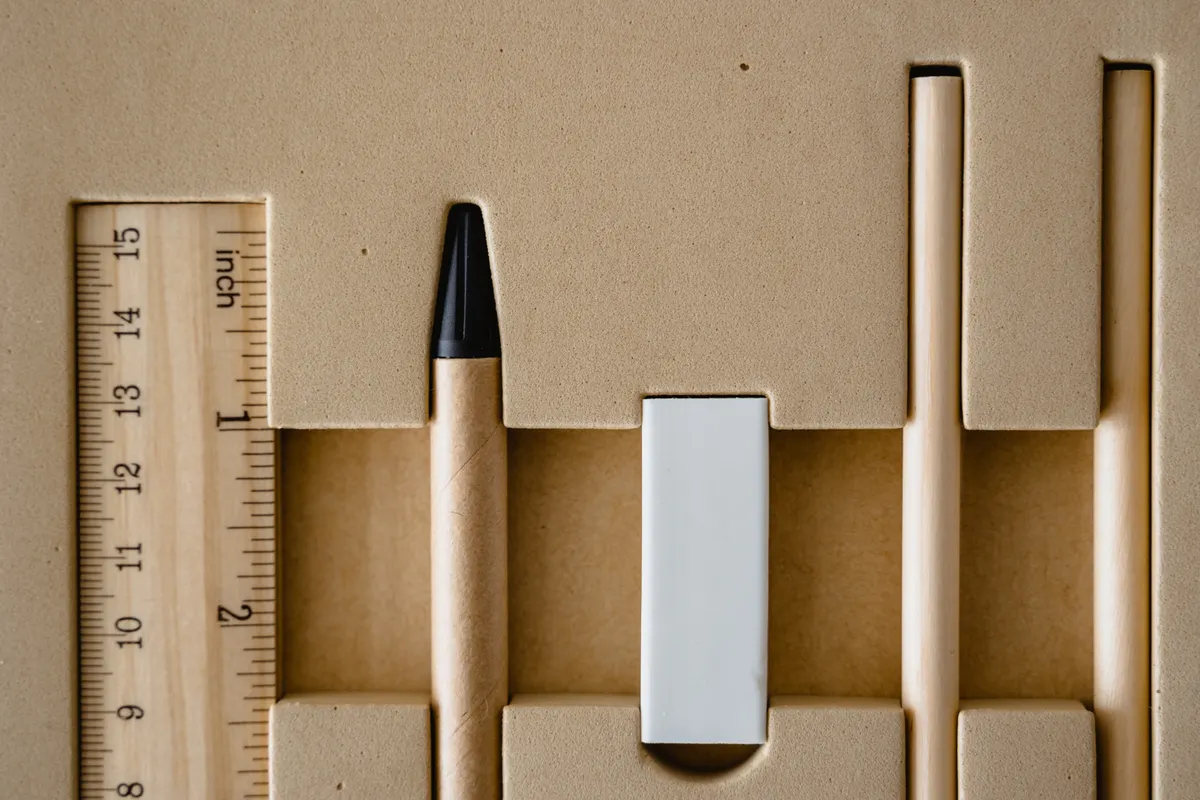
I can tell within two seconds whether someone scored their cardstock before folding it, the crease either sits crisp and straight or it cracks along a rough, fuzzy line. Bone folders and scoring tools are the quiet workhorses behind every clean fold in paper crafting, and once you start using them correctly, you'll wonder how you ever folded cardstock without one.
This guide is part of Paper Crafts Materials & Tools Guide, and it covers exactly what a scoring board does, what a bone folder is for, and when scoring actually matters versus when you can skip it. I've cracked more than a few folds over the years before I understood that half of a clean finished card comes down to this one small step most beginners rush past.
What Is a Scoring Board Used for
A scoring board is a flat tool with measured grooves that guides a scoring tool along a straight line, creating a pressed crease in cardstock before it's folded. The groove keeps your line perfectly straight, which is far harder to achieve freehand with just a ruler and a stylus.
Scoring works by compressing the paper fibers along a line without cutting through them. That compressed line becomes a natural hinge, so when you fold the cardstock, it bends exactly where you want instead of wherever the paper happens to give.
Most scoring boards include measurement markings along the edge, making it easy to line up consistent folds across multiple cards or panels. This matters most on projects like tri-fold cards or boxes, where every fold needs to land in the exact same spot for the final piece to sit evenly.

Photo Credit: Hobby Guidebook Editorial
Materials Needed for Scoring and Folding
Getting clean folds involves a small, specific toolkit, and most of these items last for years with basic care.
|
Material |
Purpose |
|
Scoring board |
Guides straight, consistent score lines |
|
Bone folder |
Creates the score line and burnishes the fold flat |
|
Cardstock |
The material being scored and folded |
|
Ruler |
Useful for scoring without a board on odd angles |
|
Craft knife |
Trims edges after folding, when needed |
|
Pencil |
Marks fold points before scoring on custom layouts |
A bone folder specifically earns its spot on every crafter's desk, since it does double duty both creating the score line and pressing the fold flat afterward for a crisp, professional finish.
What Is a Bone Folder Used for
A bone folder is a smooth, flat tool traditionally made from bone or a similar hard material, used to create score lines and press paper folds flat and crisp. The rounded edge glides along cardstock without tearing it, unlike a sharp tool that can cut through the paper by accident.
Bone folders serve two main jobs in paper crafting. First, the pointed or angled edge creates the actual score line when guided along a scoring board or ruler. Second, after folding, running the flat side of the bone folder firmly along the crease presses out any air pockets and sharpens the fold into a clean, flat line.
This second step, called burnishing, matters more than beginners usually expect. A fold that's simply pressed by hand often looks slightly rounded or soft, while a burnished fold with a bone folder looks sharp and professional, the kind of detail that makes handmade cards look store-bought.
Bone folder paper crafts work extends beyond just folding too, many crafters use the pointed tip for scoring, the flat edge for burnishing, and even the curved edge for smoothing down stubborn adhesive or embellishments.
Does Every Paper Fold Need to Be Scored First
No, not every fold needs scoring, but thicker cardstock and folds along the grain almost always benefit from it, while thin paper or very small folds can often be creased by hand without issue.
When scoring matters most:
- Cardstock over 80 lb weight. Heavier paper resists folding cleanly without a scored line to guide it, cracking or bulging is common without this step.
- Folds going against the paper grain. Paper fibers run in one direction, and folding against that grain without scoring almost always results in a rough, uneven crease.
- Multi-panel cards or boxes. Any project with more than one fold benefits from scoring, since consistency across multiple creases is much harder to achieve by hand.
When scoring can be skipped:
- Lightweight paper under 60 lb. Thin paper folds easily without cracking, making scoring less critical for basic projects.
- Small, simple folds. A tiny fold on an embellishment or accent piece often doesn't need the extra step.
Choosing the right cardstock weight from the start also affects how much scoring actually matters for a given project. Cardstock: Types & How to Choose breaks down which weights pair best with different fold types and project styles.

Photo Credit: PNW Production
What Is the Difference Between Scoring and Folding
Scoring creates a pressed guideline in the paper before bending it, while folding is the actual act of bending the paper along that line. They're two separate steps that work together, not interchangeable terms.
|
Step |
What It Does |
Tool Used |
|
Scoring |
Compresses fibers along a straight line |
Bone folder or scoring tool + board |
|
Folding |
Bends the paper along the scored line |
Hands, then burnished with bone folder |
|
Burnishing |
Flattens and sharpens the fold after bending |
Flat edge of a bone folder |
Skipping straight to folding without scoring first, especially on heavier cardstock, is one of the most common mistakes beginners make. The crease ends up soft, slightly rounded, or cracked along uneven fibers instead of clean and sharp.
Getting comfortable with scoring and folding together is one of the foundational skills that makes every other paper project easier down the line. Essential Paper Crafting Skills Every Beginner Should Learn covers this alongside other core techniques worth practicing early on.
"A clean fold is invisible, a bad fold is the first thing anyone notices." That's held true on every card I've made, since even beautiful decoration can't fully hide a rough, cracked crease running through the middle of a piece.
Which Scoring Tool Is Best for Cardstock
A bone folder paired with a scoring board works best for most cardstock projects, offering the most control and the cleanest results compared to other scoring methods.
|
Tool |
Best For |
Notes |
|
Bone folder + scoring board |
General cardstock scoring |
Most control, consistent results |
|
Embossing stylus |
Detail work, tight curves |
Good for custom or irregular lines |
|
Scoring blade tool |
Multiple parallel lines quickly |
Common in box and envelope making |
|
Fingernail (in a pinch) |
Very light paper only |
Not recommended for cardstock |
For anyone working regularly with cardstock over 80 lb, investing in a proper scoring board pays off quickly, since the guided grooves keep lines straighter than freehand methods ever manage.

Photo Credit: Tamanna Rumee
Pro Tips and Common Mistakes to Avoid
A few mistakes come up again and again with beginners learning to score and fold cardstock.
- Pressing too hard when scoring. Heavy pressure can cut through the paper instead of just compressing it, a firm but light touch works better.
- Skipping burnishing after folding. This final step is what separates a soft, amateur-looking fold from a crisp, professional one.
- Ignoring paper grain direction. Folding against the grain without scoring almost guarantees a rough, uneven crease line.
- Using a sharp blade instead of a bone folder to score. A blade can slice through the paper entirely, a bone folder's rounded edge compresses fibers without cutting them.
A quick safety note worth mentioning: bone folder tips can be sharp enough to nick skin if pressed too firmly at an angle, keep fingers clear of the tip's path and always score away from your body for controlled, safe strokes.
Frequently Asked Questions
What is a scoring board used for? A scoring board guides a scoring tool along a straight, measured line to create a crease in cardstock before folding. It keeps lines consistent, which is especially useful for multi-panel cards or boxes.
What is a bone folder used for? A bone folder creates score lines and presses folds flat and crisp through a process called burnishing. Its smooth edge glides along cardstock without cutting it, unlike a sharp blade.
Does every paper fold need to be scored first? No, thin paper and small folds often don't need scoring, but cardstock over 80 lb and folds against the paper grain almost always benefit from it. Scoring prevents cracking and keeps creases clean on heavier weights.
What is the difference between scoring and folding? Scoring compresses paper fibers along a line to create a guide, while folding is the actual bending of the paper along that scored line. Burnishing afterward flattens and sharpens the fold for a clean finish.
Which scoring tool is best for cardstock? A bone folder paired with a scoring board works best for most cardstock projects, offering more control and cleaner results than freehand methods. Scoring blade tools are also useful for quickly creating multiple parallel lines.
Give Scoring and Folding a Try
Bone folders and scoring tools might be simple in design, but they make a noticeable difference in how polished a finished paper project looks. Start by scoring your next cardstock project before folding, even if it feels like an extra step, and burnish every fold with the flat edge of a bone folder.
Once this habit feels natural, it becomes one of those small techniques that quietly improves every card, box, or layered project going forward.
Want to explore more paper craft skills? Read the full paper crafts guide for techniques across every paper craft style.



Leave a Reply