
I ruined my favorite pointed nib within a week of starting this hobby, all because I grabbed a bottle of thick India ink meant for broad-edge work and forced it through a nib built for something thinner. Calligraphy ink is not one size fits all, and matching ink to nib type turns out to matter just as much as matching paper does.
This guide is part of the Calligraphy Materials & Tools Guide, and it covers the main ink types, how to pick one as a beginner, and how to keep ink working well over time.
What Is Calligraphy Ink
Calligraphy ink refers to ink formulated specifically for lettering work, with a consistency and flow designed to move smoothly through a nib rather than a fountain pen feed or a felt tip. Unlike everyday writing ink, it needs to sit on paper cleanly enough to hold thin hairline strokes without spreading.
Paper choice plays just as big a role as ink does in how clean your final letters look, and Calligraphy Paper: What to Look For covers that side of the equation in more detail.
Background on Why Ink Choice Matters
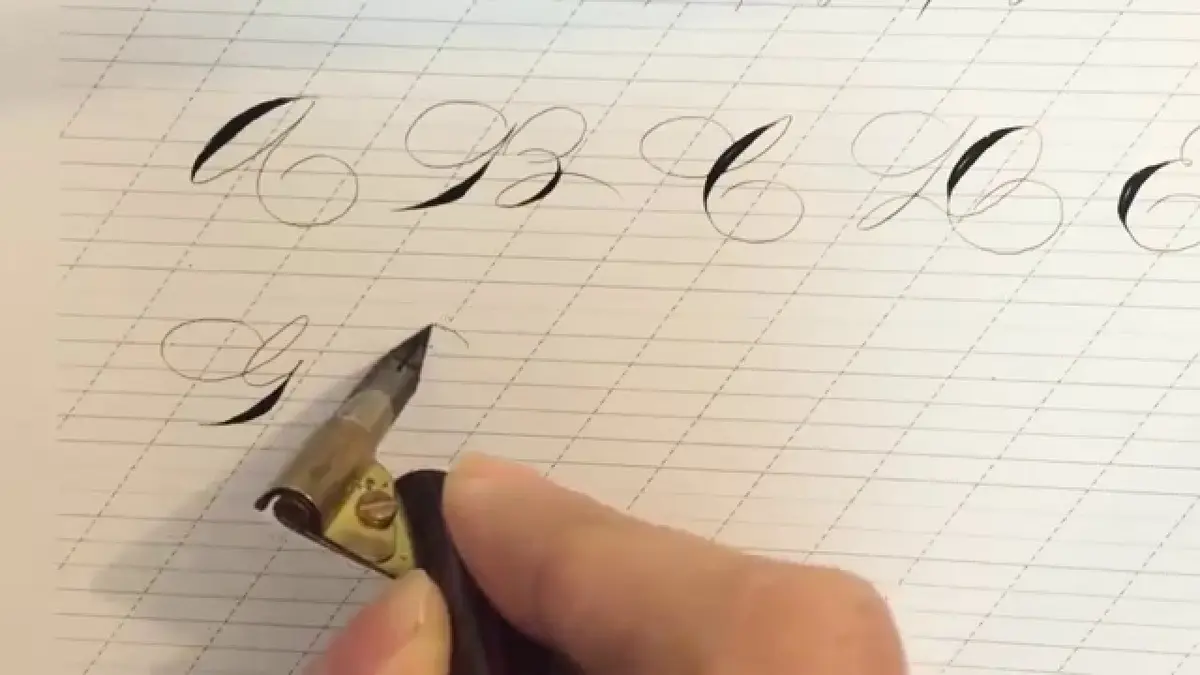
Ink consistency directly affects how a nib performs. Thicker inks flow slower and build up more line variation, while thinner inks flow faster and glide more easily through fine pointed nibs.

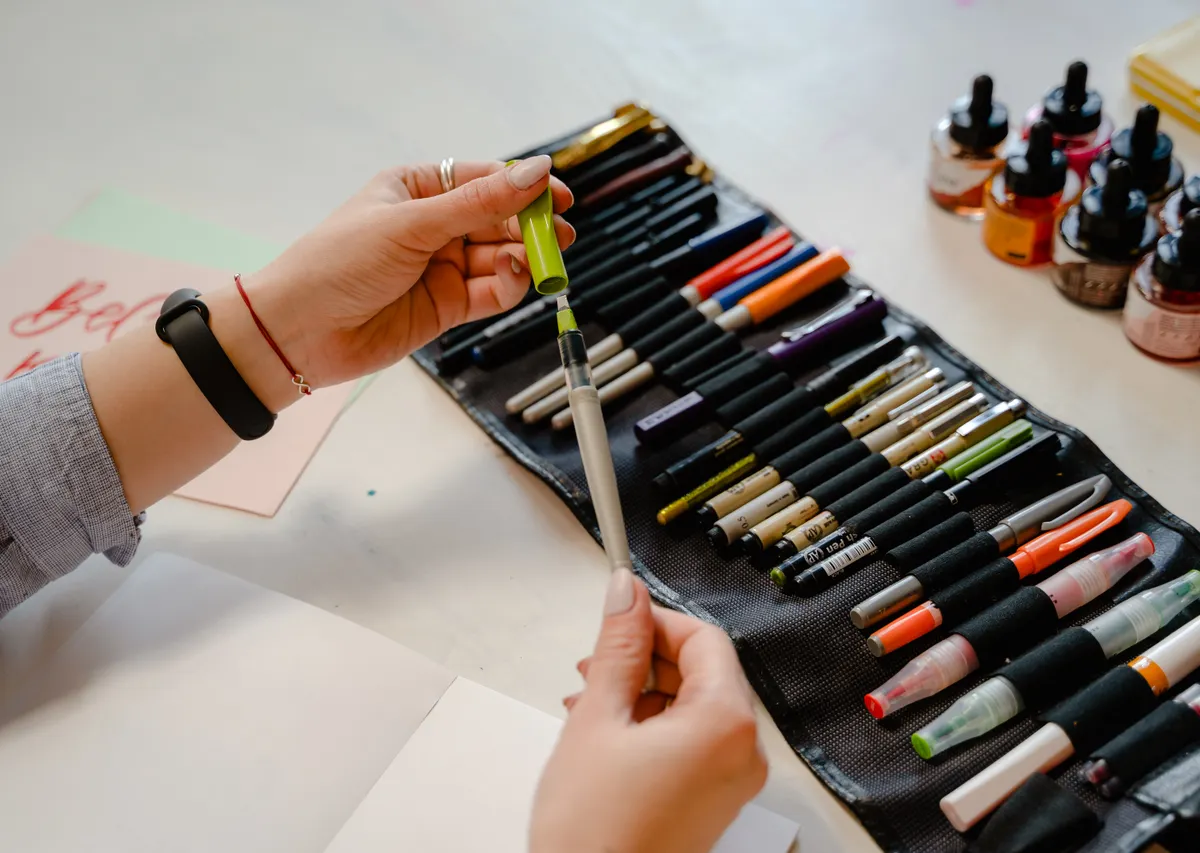
Photo Credit: Hobby Guidebook Editorial
I have found that most early frustration with skipping, clogging, or scratchy strokes traces back to an ink and nib mismatch rather than a skill problem. Once a student switches to the right ink for their specific nib, their letters often improve within a single practice session, no new technique required.
Types of Calligraphy Ink
|
Ink Type |
Best For |
Notes |
|
India ink |
Broad-edge nibs and brush lettering |
Thick, opaque, and permanent once fully dry |
|
Walnut ink |
Broad-edge scripts and rustic looks |
Water based, lighter brown tone, less permanent |
|
Sumi ink |
Broad-edge and brush work |
Traditional ink stick or bottled, smooth flowing |
|
Iron gall ink |
Pointed pen scripts like Copperplate |
Thin consistency, flows well through fine nibs |
|
Acrylic ink |
Decorative and mixed media lettering |
Waterproof once dry, works on varied surfaces |
What Types of Ink Are Used for Calligraphy
Several calligraphy ink types exist, each suited to a different nib style. India ink and sumi ink work well with broad-edge nibs, since their thicker consistency suits the wider strokes those nibs produce.
Iron gall ink, on the other hand, was developed specifically for finer pointed pen work, flowing easily through the narrow tines of a pointed nib without clogging. Walnut ink and acrylic ink round things out for anyone wanting a specific look, whether that is a soft vintage brown tone or a bold waterproof finish.
What Ink Is Best for Beginner Calligraphy
The best calligraphy ink for beginners is usually a basic bottled India ink for broad-edge practice, or a beginner friendly iron gall ink for pointed pen practice. Both are widely available, affordable, and forgiving enough to handle a few early mistakes without ruining a nib.
Avoid thick, high pigment inks when you are still learning, since these tend to clog fine nibs faster and require more frequent cleaning than a beginner typically wants to manage.
How Do You Choose Ink for Pointed Versus Broad Nibs
Choosing ink for pointed versus broad nibs comes down to consistency. Pointed nibs need thinner ink that flows easily through their narrow, flexible tines, since anything too thick causes skipping or forces you to press harder than the delicate nib can safely handle.
Broad-edge nibs handle thicker ink just fine, and actually benefit from it, since a heavier ink fills the wider nib edge more evenly and produces those bold, consistent strokes broad-edge scripts are known for.
"Ink should match the nib's personality, not fight it." That advice gets repeated often among calligraphy teachers, and it explains why the same ink rarely works well across every tool.

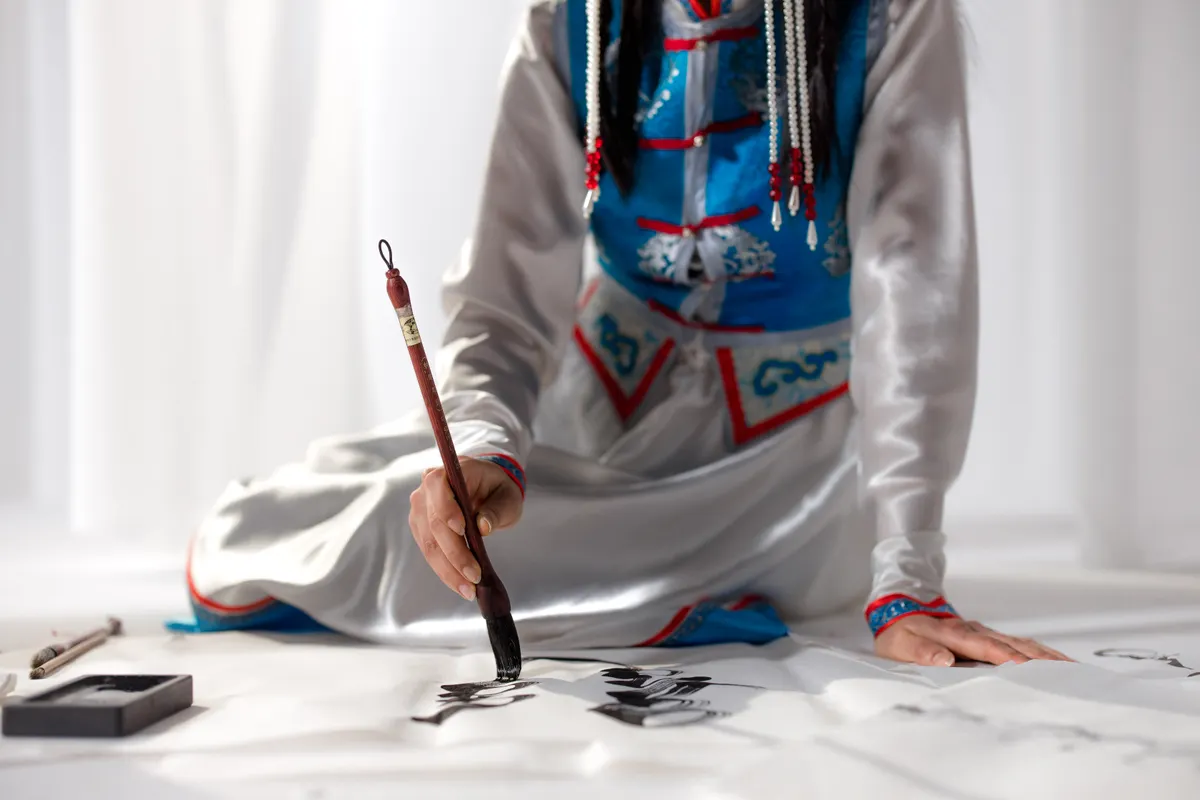
Photo Credit: Katya Wolf
Why Does Some Calligraphy Ink Bleed or Feather
Calligraphy ink bleeds or feathers when its consistency is mismatched with the paper, allowing ink to spread outward into paper fibers instead of sitting cleanly on the surface. Thinner inks are especially prone to this on absorbent paper, since there is less resistance holding the ink in place while it dries.
If bleeding keeps showing up no matter what paper you switch to, Why Is My Calligraphy Ink Bleeding? walks through more specific causes and fixes in depth.
How Should Calligraphy Ink Be Stored and Cleaned Up
Calligraphy ink should be stored tightly capped, away from direct sunlight and extreme temperature swings, since both can change ink consistency over time. Work in a well ventilated space when using ink for extended sessions, especially with acrylic or solvent based formulas, since some ink fumes can cause irritation with prolonged, unventilated exposure.
Clean nibs promptly after each use with water and a soft cloth, since dried ink buildup is one of the most common reasons nibs stop performing well.
Step-by-Step Guide to Testing a New Ink
- Pick one ink type to start. Match it to whichever nib style you plan to practice with most.
- Test on your regular practice paper. This shows how the ink and paper combination actually behaves.
- Write a few slow strokes. Watch for skipping, clogging, or excess spreading along the lines.
- Check drying time. Some inks dry faster than others, which affects smudging risk.
- Clean your nib immediately after. Rinse with water before ink has a chance to dry inside the tines.
- Store the bottle properly. Cap it tightly and keep it somewhere temperature stable between sessions.

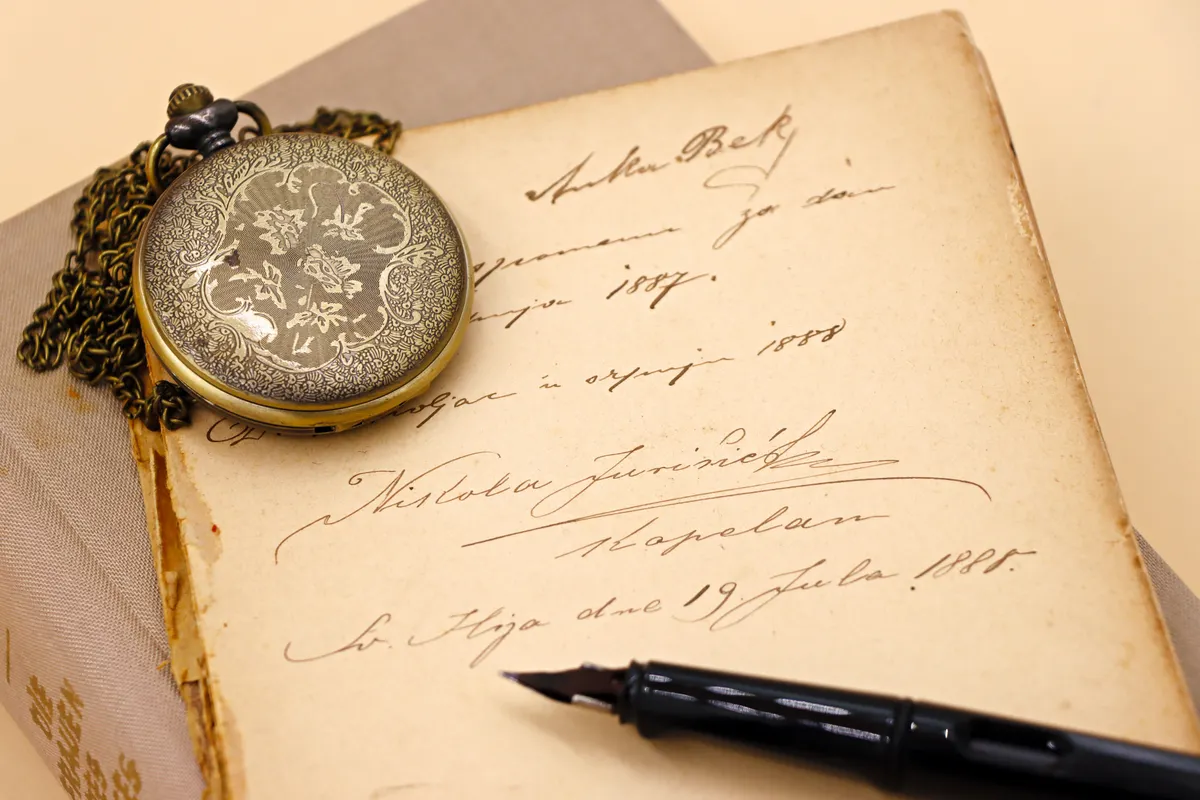
Photo Credit: Katya Wolf
Pro Tips and Common Mistakes to Avoid
- Do not force thick ink through a fine pointed nib. This causes clogging and can bend delicate tines.
- Avoid leaving ink bottles open for long periods. Ink thickens as it dries out, changing its flow unpredictably.
- Do not skip nib cleaning between sessions. Dried ink buildup shortens the life of even a quality nib.
- Watch ventilation with acrylic or solvent based ink. Fumes can build up during long, enclosed practice sessions.
Frequently Asked Questions
What types of ink are used for calligraphy? India ink, sumi ink, walnut ink, iron gall ink, and acrylic ink each suit different nibs and finished looks.
What ink is best for beginner calligraphy? Basic bottled India ink for broad-edge work, or a beginner friendly iron gall ink for pointed pen practice.
How do you choose ink for pointed versus broad nibs? Pointed nibs need thinner ink, while broad-edge nibs handle and benefit from thicker, heavier ink flow.
Why does some calligraphy ink bleed or feather? A mismatch between ink consistency and paper absorbency lets ink spread into fibers instead of sitting cleanly.
How should calligraphy ink be stored and cleaned up? Store it tightly capped away from heat and sunlight, and clean nibs immediately after each use with water.
Match the Ink to the Work
Calligraphy ink is not something to grab at random once you understand how nib type and paper both factor into the final result. Test a bottle before committing to it, clean your tools after every session, and that clogging or feathering frustration will show up far less often.
For everything else this hobby covers, from tools to strokes to full scripts, read the full calligraphy and hand lettering guide.


Leave a Reply