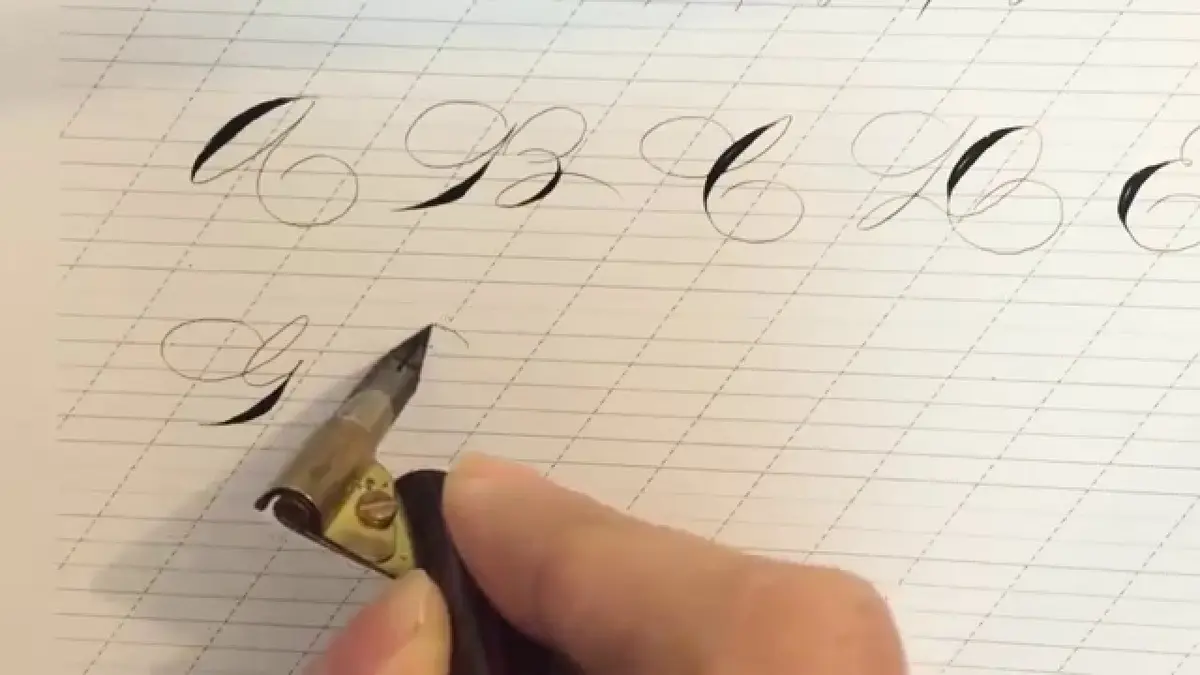
I once watched a student add a Copperplate style loop to a Spencerian capital, and it looked stiff and out of place immediately, like wearing dress shoes with gym shorts. Spencerian flourishing has its own rhythm and lightness, and this guide walks through how to practice it the right way.
This guide is part of Spencerian Calligraphy, and it covers what makes Spencerian flourishes distinct, how to keep them balanced, and where beginners should start.
How Is Spencerian Flourishing Different From Copperplate
Spencerian flourishing tends to feel lighter and more flowing than Copperplate, since Spencerian itself uses less pressure and a shallower slant angle overall. Where Copperplate flourishes often carry bold, dramatic contrast between thick and thin, spencerian flourish practice favors subtler, more consistent line weight throughout the loop.
This lighter touch comes from Spencerian's original purpose as a practical, everyday business hand, rather than a strictly formal or ceremonial script. Flourishes grew out of that same practical spirit, meant to add grace without slowing down the writer too much.
Copperplate Flourishing is worth comparing side by side here, since seeing both styles next to each other makes the pressure and rhythm differences much clearer.
Tools Needed for Spencerian Flourish Practice
Spencerian flourishing relies on the same core setup as regular Spencerian writing, though a few details matter more once strokes get longer.
|
Tool |
Purpose |
|
Extra fine flexible nib (like a Gillott 303) |
Supports Spencerian's lighter pressure style |
|
Straight pen holder |
Common choice for Spencerian's shallower slant |
|
Smooth, absorbent practice paper |
Keeps long flourish lines from feathering |
|
Well diluted calligraphy ink |
Prevents heavy blotting during extended strokes |
|
Slant guideline sheet |
Keeps flourish angles consistent across a page |
A well diluted ink matters more here than people expect, since Spencerian's lighter pressure needs ink that flows easily without needing extra force to release from the nib.
What Makes a Spencerian Flourish Look Balanced
Balance in Spencerian flourishing comes largely from even spacing and consistent line weight, rather than dramatic thick and thin contrast. A flourish that stays roughly the same width throughout its curve reads as intentional, while one that varies wildly in pressure looks shaky instead.
I have found that most beginners overcorrect early on, pressing too hard out of habit from other scripts and accidentally creating Copperplate style contrast in a script that isn't meant to have it. Lightening up takes real conscious effort at first.
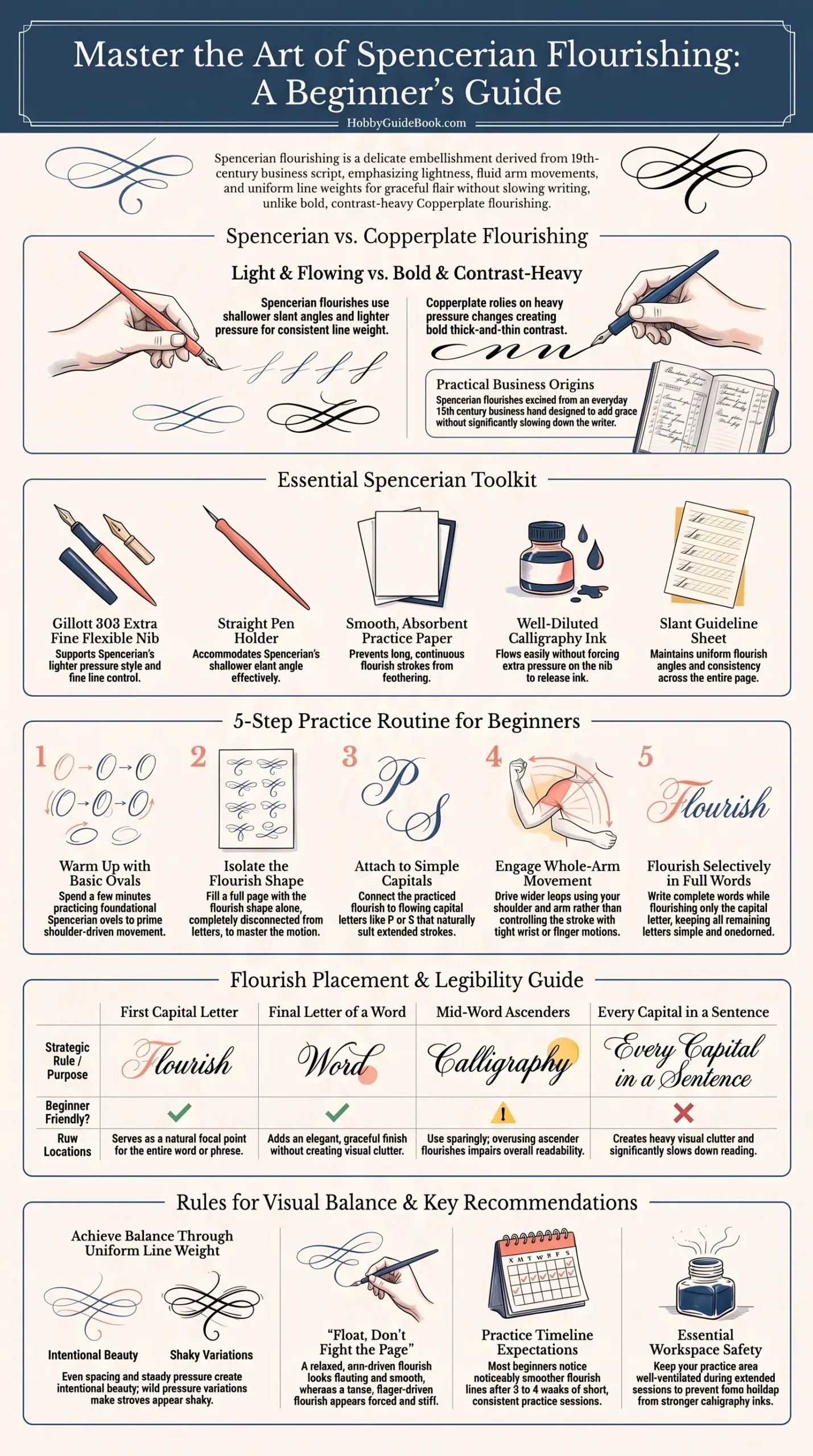
Photo Credit: Hobby Guidebook Editorial
Step by Step Guide to Practicing Spencerian Flourishes
This ornamental penmanship flourish style rewards slow, structured repetition more than it rewards natural talent.
- Warm up with basic Spencerian ovals for a few minutes, since the flourish motion builds directly on this same shoulder driven movement.
- Practice the flourish shape alone, disconnected from any letter, across a full page of guideline paper. This isolates the motion before it gets complicated by an actual letterform.
- Attach the flourish to a simple capital, like P or S, which naturally suit Spencerian's flowing extended strokes.
- Keep your arm moving, not just your fingers. Spencerian flourishes rely more on whole arm movement than tight wrist control, especially for wider loops.
- Write a full word, flourishing only the capital letter while keeping the rest of the word in standard, simple form.
Most beginners notice their flourishes becoming noticeably smoother after roughly three to four weeks of short, consistent practice sessions.
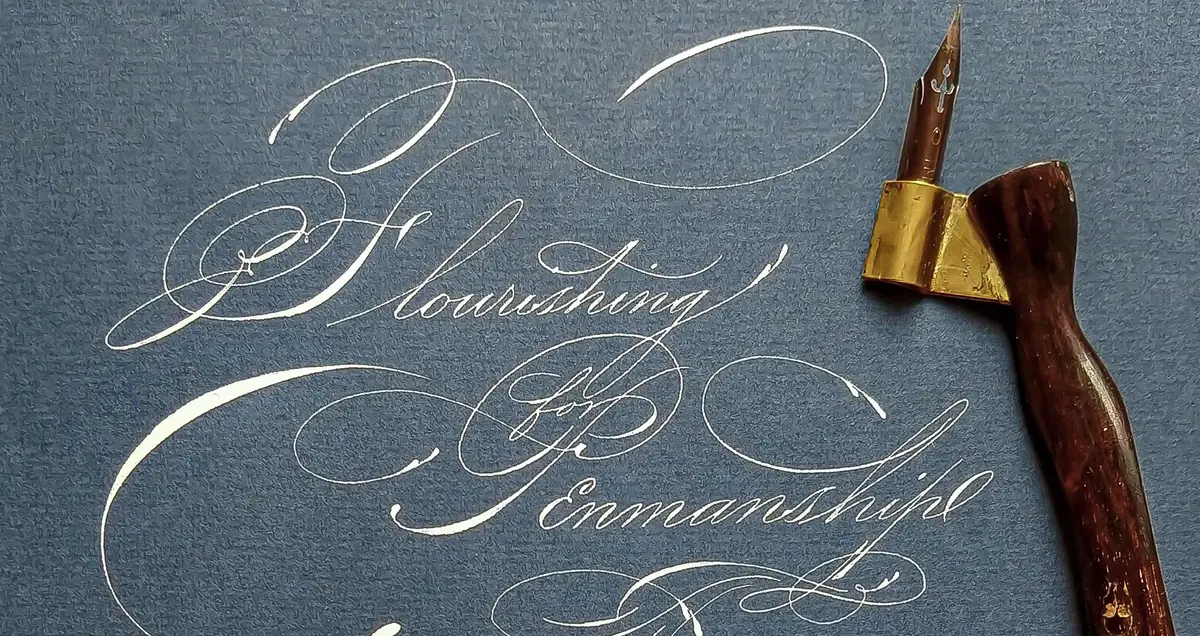
Photo Credit: Internet
How Should Beginners Practice Spencerian Flourishes
Beginners generally do best starting with simple oval extensions and gentle underlines, since these use motions already familiar from basic Spencerian oval drills. Complex looping capitals should wait until arm movement feels natural and controlled.
"A flourish should move like it's floating, never like it's fighting the page." That advice gets repeated often among ornamental penmanship instructors, and it holds up well once you notice how much smoother a relaxed, arm driven flourish looks compared to a tense, finger driven one.
Calligraphy Flourish Types Reference breaks down specific flourish shapes across multiple scripts, which helps once you're ready to try flourishes beyond simple ovals.
Where Can Flourishes Be Added Without Hurting Legibility
Flourishes belong best on capital letters, ascenders, and the final letter of a word, similar to other pointed pen scripts. Middle letters within a word should generally stay simple, since flourishing them tends to break up the reading flow rather than enhance it.
|
Placement |
Beginner Friendly |
Notes |
|
First capital letter |
Yes |
Natural focal point for a flourish |
|
Final letter of a word |
Yes |
Adds a graceful finish without clutter |
|
Ascenders mid word |
Caution |
Can interfere with readability if overused |
|
Every capital in a sentence |
No |
Creates visual clutter and slows reading |
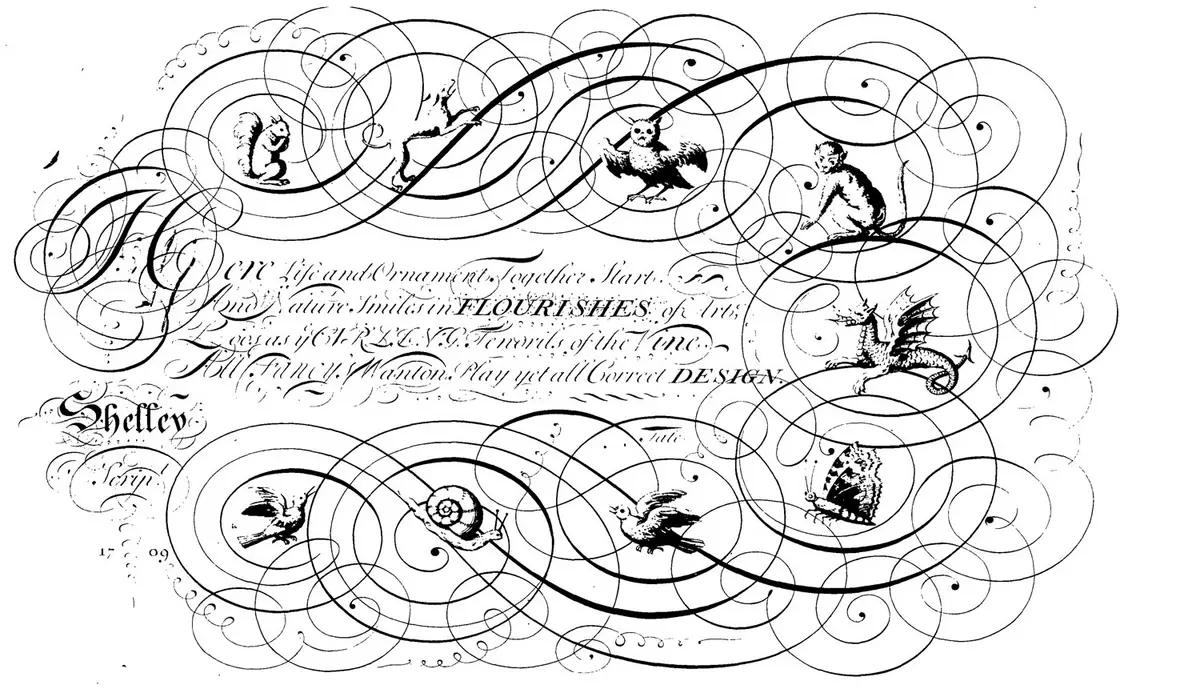
Photo Credit: Internet
Pro Tips and Common Mistakes to Avoid
- Do not press too hard out of habit. Spencerian flourishes rely on lightness, and heavy pressure fights against the script's natural rhythm.
- Avoid flourishing multiple letters in the same word. One flourished letter reads as elegant, while several often reads as cluttered.
- Move from your shoulder and arm, not just your wrist. Wider Spencerian loops need that larger range of motion to stay smooth.
- Keep your workspace ventilated when using stronger inks for extended sessions. Fumes build up over time in smaller rooms, even with craft grade inks.
Frequently Asked Questions
How is Spencerian flourishing different from Copperplate? Spencerian flourishing uses lighter pressure and more even line weight, while Copperplate favors bolder thick and thin contrast.
What makes a Spencerian flourish look balanced? Even spacing and consistent line weight throughout the curve, rather than dramatic pressure changes.
How should beginners practice Spencerian flourishes? Start with simple oval extensions built on basic Spencerian oval drills before attempting complex looping capitals.
Where can flourishes be added without hurting legibility? Capital letters, ascenders, and the final letter of a word are the safest, most readable placements.
A Lighter Kind of Elegance
Spencerian flourishing rewards a relaxed hand more than a forceful one, and that lightness is exactly what gives it such graceful movement on the page. Practice slowly, let your arm do the work, and the flow will come naturally over time.
For everything else this hobby covers, from tools to strokes to full scripts, read the full calligraphy and hand lettering guide.



Leave a Reply