
I get asked "how often should I actually practice" more than almost any other question, and the honest answer surprises most beginners. A solid calligraphy practice routine matters far more than long, occasional sessions, and short daily habits will beat weekend marathons almost every time.
This guide is part of Getting Started with Calligraphy, and it covers exactly how often to practice, how long sessions should run, and when it is time to move past basic drills.
Why Consistency Beats Long, Occasional Sessions
Muscle memory builds through repetition spread over time, not through cramming everything into one sitting. I have found that students practicing fifteen minutes a day improve faster than those doing one two-hour session once a week, even though the total time adds up similarly.
Short, frequent sessions also keep frustration lower. A tired hand after two hours often produces worse strokes than a fresh hand after fifteen minutes, which can leave beginners feeling discouraged for no real reason.
How Often Should You Practice Calligraphy as a Beginner
Aim for four to five short sessions per week during your first couple of months. This frequency is enough to build real muscle memory without burning out on a hobby that should feel enjoyable, not like a chore.
How often to practice calligraphy matters more than how long each session runs, at least early on. Once basic strokes start feeling steady, some practitioners shift toward daily short sessions instead, since consistency becomes easier to maintain than longer, less frequent ones.

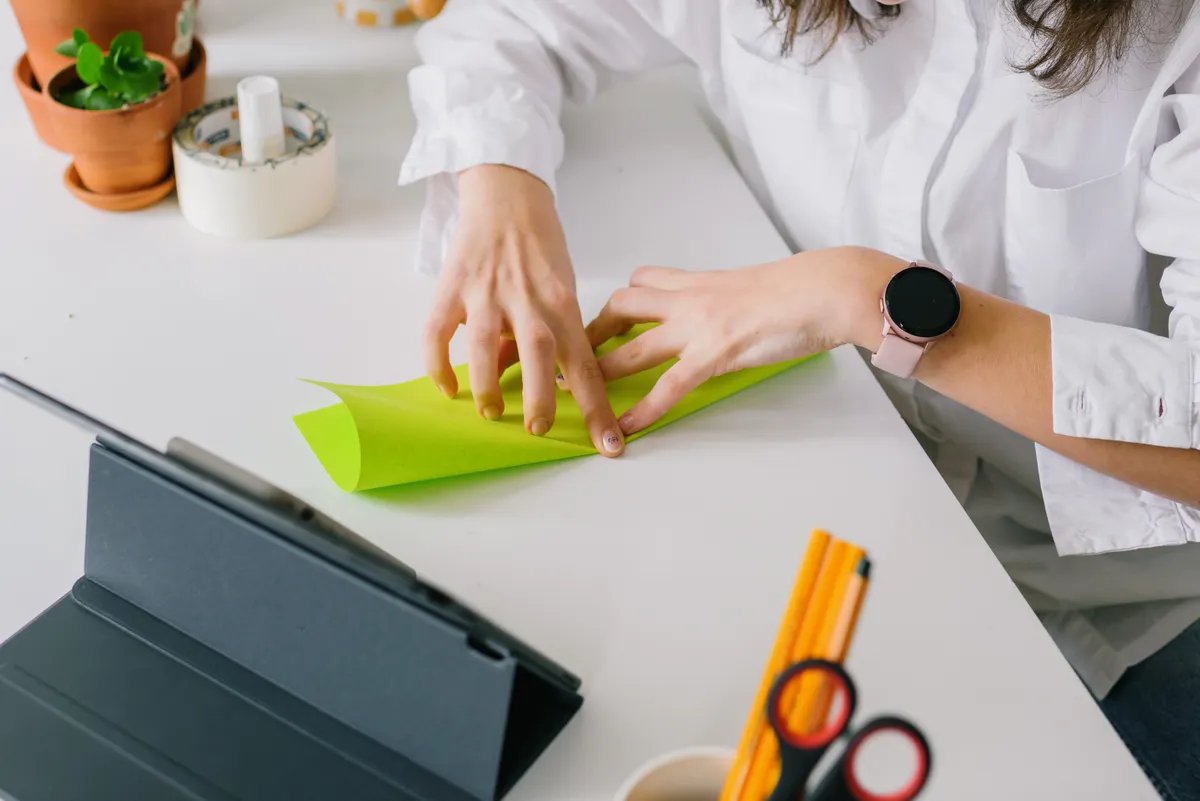
Photo Credit: Hobby Guidebook Editorial
How Long Should a Calligraphy Practice Session Be
Fifteen to twenty minutes is a realistic length for most beginner sessions. This is long enough to warm up, work through a few drills, and attempt some letters, without your hand tiring to the point where form starts breaking down.
|
Practice Length |
Best For |
Notes |
|
10 to 15 minutes |
Busy days or quick maintenance |
Keeps skills fresh without full commitment |
|
15 to 20 minutes |
Standard beginner sessions |
Enough time for warm-up plus real practice |
|
30 to 45 minutes |
Intermediate practice |
Useful once hand fatigue is less of an issue |
Longer sessions are not automatically better. Once fatigue sets in, strokes tend to get worse rather than better, which can accidentally reinforce sloppy habits.
Is Daily Calligraphy Practice Better Than Longer Weekly Sessions
For most beginners, yes. A calligraphy practice schedule built around daily short sessions creates steadier progress than saving everything for one long weekend session.
That said, daily practice is not strictly required to improve. Four or five sessions a week still builds solid consistency, and missing an occasional day will not undo progress. The goal is a sustainable rhythm, not a perfect streak.
"Small, steady repetition beats occasional bursts of effort." That idea gets repeated often among calligraphy teachers, and it holds up well once you actually compare a month of short daily sessions against a month of rare long ones.
What Should a Beginner Include in a Practice Routine
A well-rounded session does not need to be complicated. A simple structure works better than an unclear one.
- Start with a short warm-up. A few minutes of basic strokes loosens your hand before real practice begins.
- Practice isolated strokes or drills. Focus on one or two specific strokes rather than trying to improve everything at once.
- Move into individual letters. Once strokes feel steady, apply them to a few letters using guided practice sheets.
- End with a short review. Look back at your best and worst lines from that session to notice patterns worth fixing next time.
If you are curious about realistic timelines for reaching different skill levels, how long does it take to learn calligraphy breaks that down in more detail.

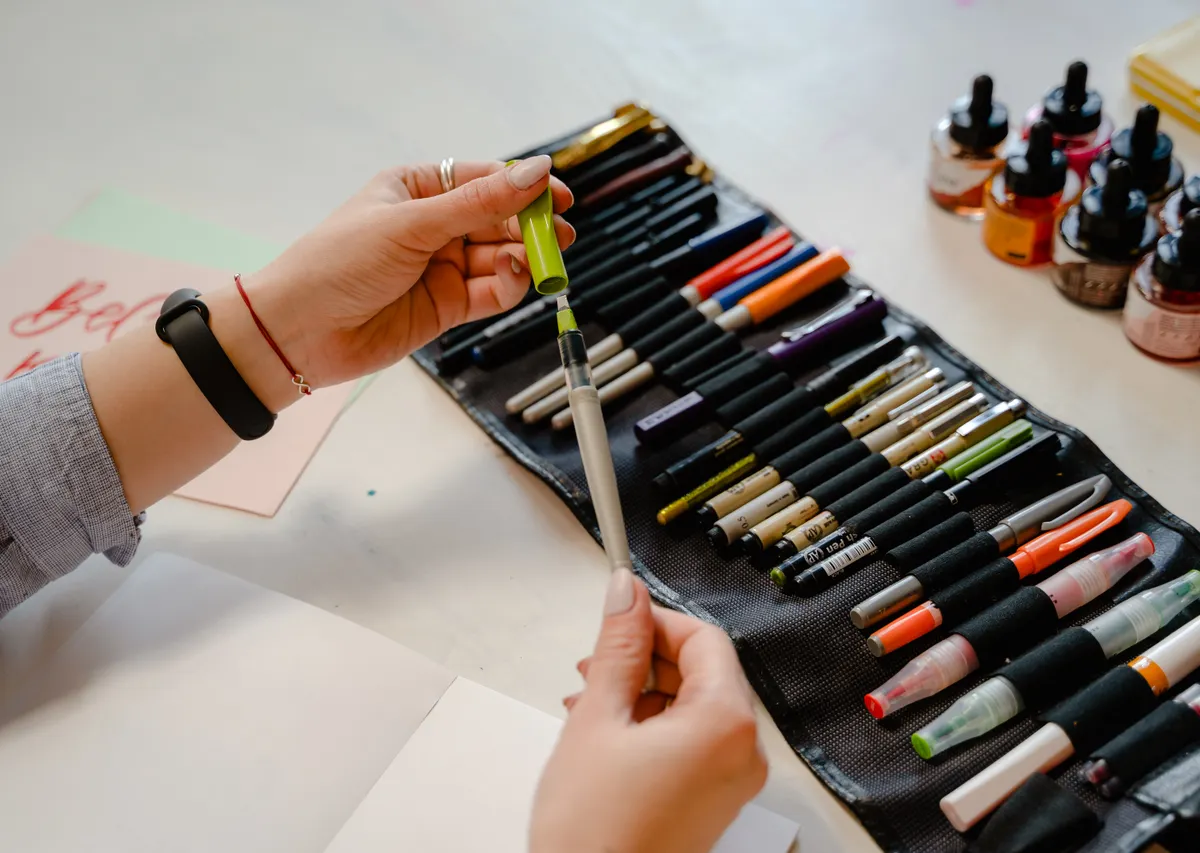
Photo Credit: cottonbro studio
How Do You Know When to Move From Drills to Full Words and Sentences
A good sign is when individual letters start looking consistent across multiple attempts, not just occasionally. If your letter height, slant, and spacing stay steady across a full practice sheet, you are likely ready to try connecting letters into words.
Rushing this transition too early often causes spacing and slant problems to appear for the first time once letters are connected. It is normal to bounce back to isolated drills occasionally even after reaching this stage, especially when learning a new script.
Many hobbyists build this routine on their own without formal classes. Can you self-teach calligraphy covers what that self-guided path realistically looks like.
Common Mistakes to Avoid
- Practicing inconsistently, then cramming. Long, rare sessions do not build the same muscle memory as shorter, regular ones.
- Skipping warm-ups to save time. Cold hands tend to produce shakier early strokes than warmed-up ones.
- Moving to full words too early. Jumping ahead before letters feel consistent often causes avoidable spacing problems later.
A quick safety note as well. If your hand or wrist starts feeling sore rather than just tired, that is a signal to shorten your session, not push through discomfort for the sake of a routine.

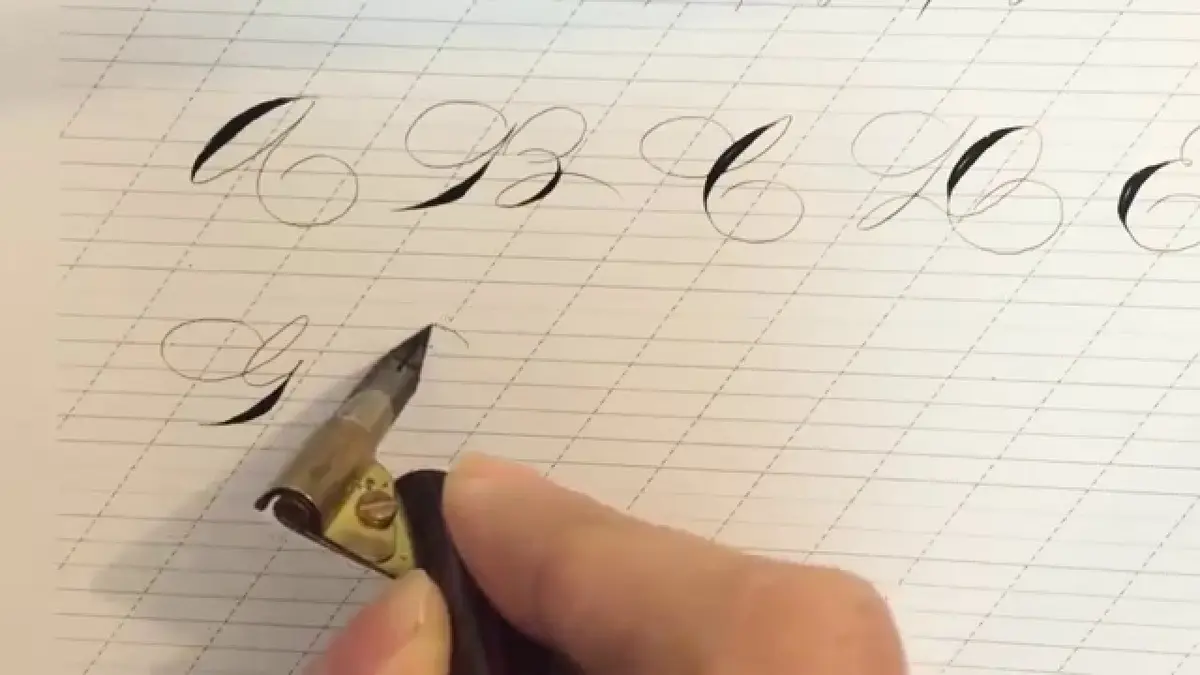
Photo Credit: Miguel Á. Padriñán
Frequently Asked Questions
How often should you practice calligraphy as a beginner? Four to five short sessions per week is a realistic starting point for building steady muscle memory.
How long should a calligraphy practice session be? Fifteen to twenty minutes works well for most beginners, balancing real progress against hand fatigue.
Is daily calligraphy practice better than longer weekly sessions? For most beginners, yes, since short daily repetition builds consistency faster than occasional long sessions.
What should a beginner include in a practice routine? A warm-up, isolated stroke drills, letter practice, and a short review of that session's work.
How do you know when to move from drills to full words and sentences? Once individual letters look consistent across a full practice sheet, you are ready to try connecting them into words.
A Routine You Can Actually Stick To
The best calligraphy practice routine is one that fits realistically into your week, not an ideal schedule you abandon after two days. Start small, stay consistent, and let your progress build naturally from there.
For everything else this hobby covers, from tools to strokes to full scripts, read the full calligraphy and hand lettering guide.




Leave a Reply