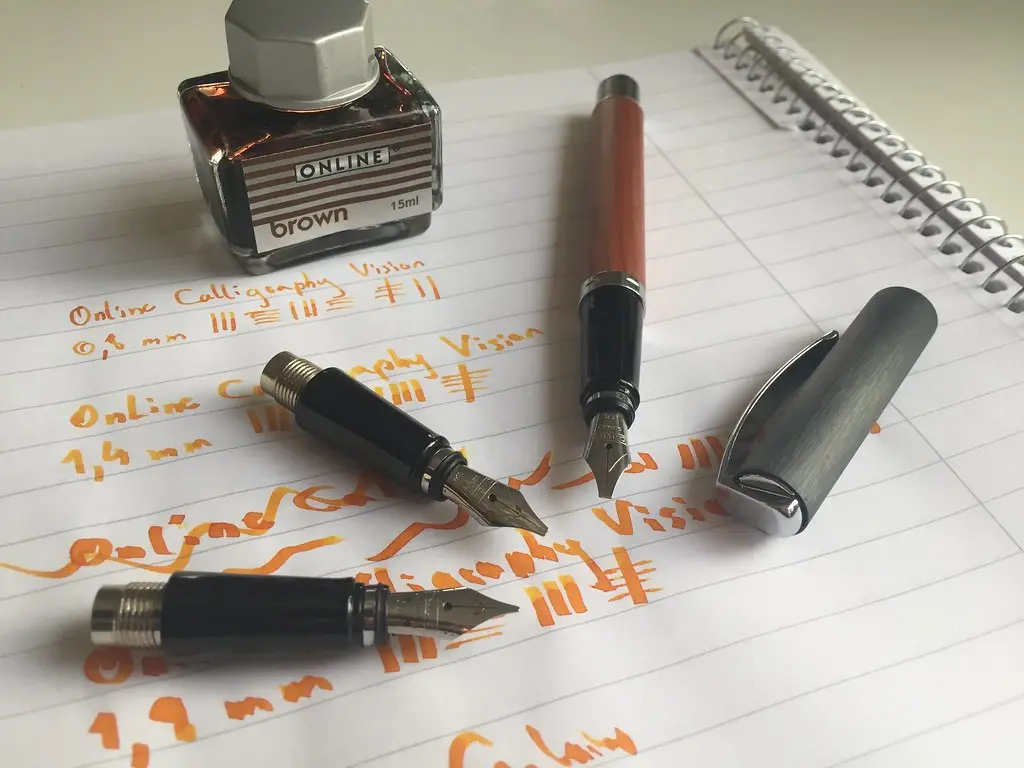
I once watched a beginner spend nearly a hundred dollars on her first calligraphy haul, only to use maybe a third of it before her downstrokes even stopped shaking. That is exactly why putting together the right calligraphy starter kit matters more than buying a lot of supplies at once.
This guide is part of Getting Started with Calligraphy, and it walks through exactly what beginner calligraphy supplies are worth buying first, what they cost, and what you can safely skip for now.
What Is Actually in a Beginner Calligraphy Kit
A good starter kit is smaller than most people expect. You do not need a dozen nibs or dozens of ink colors to start practicing basic strokes and simple letterforms.
At its core, a beginner setup needs just a few categories of tools, each serving one clear purpose. Once you understand what each item does, shopping gets a lot less overwhelming.
What Type of Calligraphy Pen Should a Beginner Buy First
This depends on which style interests you more, and both paths are completely valid starting points.
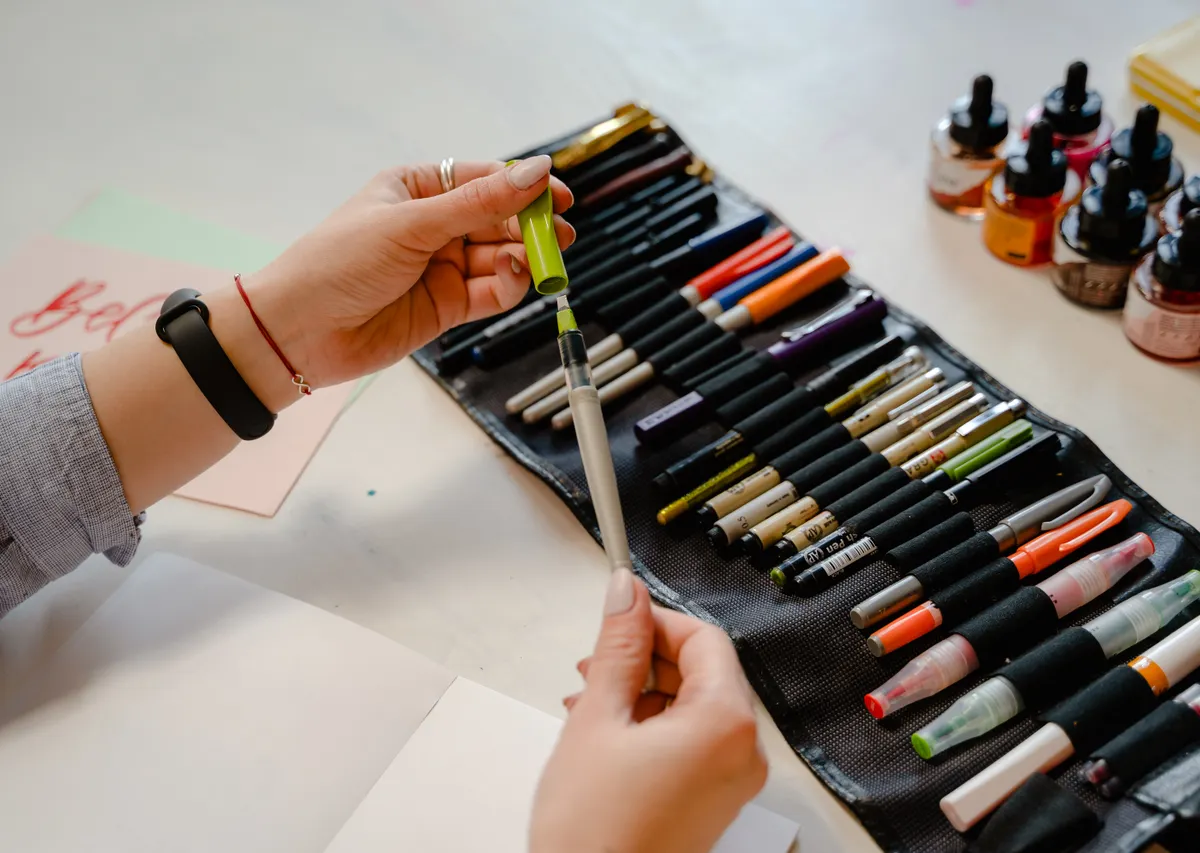
Brush pens are the easier entry point for most beginners. They are self-contained, require no dipping, and work well for modern brush lettering used on cards and journaling pages. A Tombow Fudenosuke or similar soft-tip brush pen is a common recommendation for first purchases.
Dip pens with broad-edge nibs suit beginners interested in traditional scripts like Italic. These require more setup, since you dip the nib into ink repeatedly, but they teach stroke control in a very direct way.
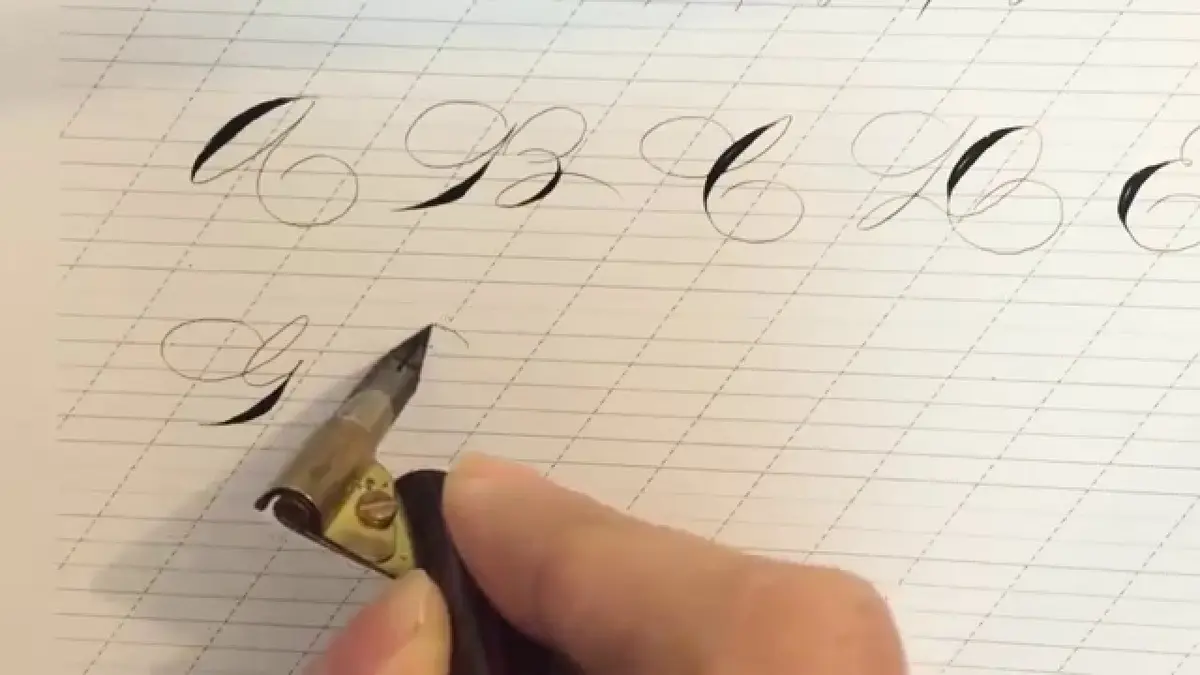
Pointed pen setups for scripts like Copperplate are usually better as a second purchase, once your hand already understands basic stroke pressure from either of the two options above.

Photo Credit: Hobby Guidebook Editorial
Calligraphy Kit Essentials
Here is what actually belongs in a first purchase, broken down by category.
|
Item |
Purpose |
Beginner Recommendation |
|
Brush pen or dip pen |
Main writing tool |
Tombow Fudenosuke or a broad-edge nib set |
|
Nib holder |
Holds the nib if using dip pen |
Straight holder, easier than oblique for beginners |
|
Ink |
Fills dip pen or refills brush pen |
Sumi ink or a beginner calligraphy ink bottle |
|
Practice paper |
Surface for drills |
Smooth paper, avoid textured cardstock at first |
|
Guideline sheets |
Keeps x-height and baseline consistent |
Printable practice sheets with slant lines |
|
Water container |
Cleans dip pen nib between colors |
Small jar, only needed for dip pen setups |
This list covers what nibs, ink, and paper are essential without adding extras you will not touch for weeks.
Step by Step: Building Your First Kit
- Pick one tool, not two. Choose either a brush pen or a dip pen setup for your first purchase. Mixing both too early splits your practice time and slows progress on either one.
- Buy one nib style if going the dip pen route. A single broad-edge nib in a medium size is enough to start, rather than buying an assorted pack you will not fully use.
- Get smooth practice paper. Textured or toothy paper catches a nib and causes ink splatters, which is frustrating for a beginner still learning pressure control.
- Print or buy guideline sheets. These sheets show the baseline and x-height, which keeps your letters consistent while your hand is still learning.
- Set up a small, steady practice area. Good lighting and a flat surface matter more than people expect. For a full breakdown of arranging your space properly, how to set up a calligraphy practice space covers lighting, posture, and paper angle in more detail.

Photo Credit: Katya Wolf
How Much Does It Cost to Start Calligraphy
A basic beginner setup typically runs somewhere between twenty and forty dollars, depending on brand choices. A single brush pen alone can cost under ten dollars, while a dip pen with holder, one nib, and a small ink bottle usually lands in a similar range.
This is genuinely one of the more affordable hobbies to start, especially compared to crafts requiring larger equipment. For a fuller cost breakdown across different skill levels, is calligraphy expensive to start goes into more detail on long-term spending.
"Buy less than you think you need, then upgrade once you actually know what your hand prefers." That advice gets repeated often among calligraphy teachers, and it saves a lot of unused supplies sitting in a drawer.
What Calligraphy Supplies Are Unnecessary for Beginners
- Multiple nib sizes at once. One medium broad-edge nib teaches the same fundamentals as a full assorted pack, without the extra cost.
- Expensive watercolor paper. Smooth, inexpensive practice paper works fine for drills, and pricier paper is better saved for finished pieces later.
- Oblique pen holders. These angled holders suit pointed-pen scripts specifically and are not needed for early broad-edge or brush pen practice.
- Large ink color sets. One dark ink color, usually black or sumi ink, is plenty while you focus on strokes rather than color choices.
Common Beginner Mistakes When Buying Supplies
- Overbuying before testing grip comfort. I have found that grip comfort varies a lot between people, so buying one holder first before committing to a full set avoids wasted money.
- Skipping guideline sheets entirely. Freehand practice without baseline guides makes it much harder to catch inconsistent x-height early on.
- Choosing textured paper for early drills. Rough paper snags nibs and causes ink to feather, which discourages beginners unnecessarily.
A quick safety note as well. Nibs have a genuinely sharp tip, so store them capped or nib-side down in a container rather than loose in a drawer or pencil case.

Photo Credit: Antoni Shkraba
Frequently Asked Questions
What's in a beginner calligraphy kit? A basic kit includes one pen or nib holder, ink, smooth practice paper, and guideline sheets for consistent letter height.
What type of calligraphy pen should a beginner buy first? A brush pen suits modern lettering styles, while a broad-edge dip pen suits traditional scripts like Italic, and either is a valid starting point.
What nibs, ink, and paper are essential? One medium broad-edge nib, a basic dark ink like sumi ink, and smooth practice paper cover the essentials for early drills.
How much does it cost to start calligraphy? A basic starter setup typically costs between twenty and forty dollars, making it one of the more affordable hobbies to begin.
What calligraphy supplies are unnecessary for beginners? Multiple nib sizes, oblique holders, large ink sets, and expensive paper are unnecessary until basic strokes and grip comfort are established.
Start Small, Upgrade Later
A calligraphy starter kit does not need to be large or expensive to work well. Pick one tool, a few essentials, and let your hand tell you what to add next.
For everything else this hobby covers, from scripts to terminology to practice routines, read the full calligraphy and hand lettering guide.


Leave a Reply