Some embroidered leaves and petals don't just sit flat on fabric, they actually lift up and curl like the real thing. That's the stumpwork wire technique at work, and it's one of the most fun skills to learn once basic raised embroidery starts feeling familiar.
This article is part of our Stumpwork (Raised) Embroidery series, and it covers how fine wire gives certain shapes their lifted, three-dimensional look.
What Is Stumpwork Wire Used For?
Stumpwork wire is used to edge a shape before it's stitched, so the finished piece can be cut away from the background fabric and bent into a raised, three-dimensional form. Petals, leaves, and wings are common candidates, since wire gives them enough structure to hold a curved or lifted shape once they're free of the fabric.
Without wire, those same shapes would lie flat, since fabric and thread alone don't hold a bend on their own.

Photo Credit: Hobby Guidebook Editorial
Why Wire Work Takes a Different Kind of Patience
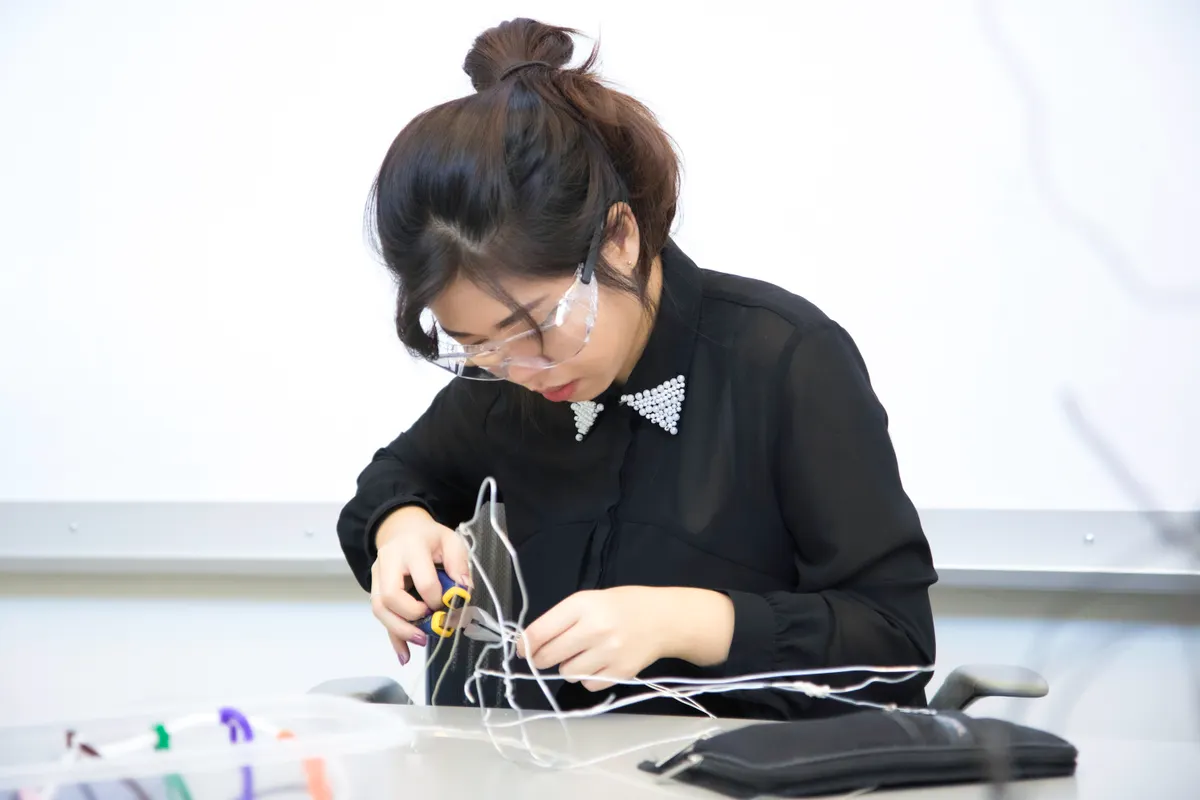
I've unpicked more knotted thread than I'd like to admit, and stumpwork wire taught me a new kind of frustration, since it's not just thread tension you're managing, it's wire tension too. Most beginner frustration traces back to tension, not skill, and that holds true here, except now you're balancing thread pulled snug against wire that needs to stay anchored and secure.
Getting comfortable with raised embroidery wire edging mostly comes down to practicing the couching stitch that anchors wire in place before attempting a full shape.
What Fabric, Thread, and Needle Work Best?
Stumpwork wire work needs a sturdy fabric base and specific wire suited to fine handwork, alongside your usual embroidery tools.
|
Item |
Purpose |
|
Cotton or linen fabric, medium weight |
Sturdy base that supports wire and dense stitching |
|
28-30 gauge covered wire (fabric or thread wrapped) |
Fine enough to shape, sturdy enough to hold form |
|
Stranded embroidery floss (2-3 strands) |
Used to couch wire and stitch the shape's surface |
|
Crewel needle, size 7-9 |
Sized for couching stitches over wire |
|
Small, sharp embroidery scissors |
Used to trim wire ends and cut the finished shape free |
How Do You Work Stumpwork Wire Step by Step?
Learning stumpwork wire shaping comes down to anchoring wire around a traced shape, then stitching over it before cutting the piece free.
- Trace your shape onto fabric, using a design like a petal or leaf with a clear outline.
- Bend the wire to follow your traced outline, leaving a small tail at the start and end.
- Couch the wire in place, stitching small anchor stitches over it every few millimeters to hold it against the outline.
- Fill the shape with your chosen stitch, usually satin stitch or padded satin stitch, working over the wire edge.
- Trim the fabric close to the wire, cutting carefully around the stitched shape once it's complete.
- Bend the finished piece gently into its raised form, shaping petals or leaves by hand.
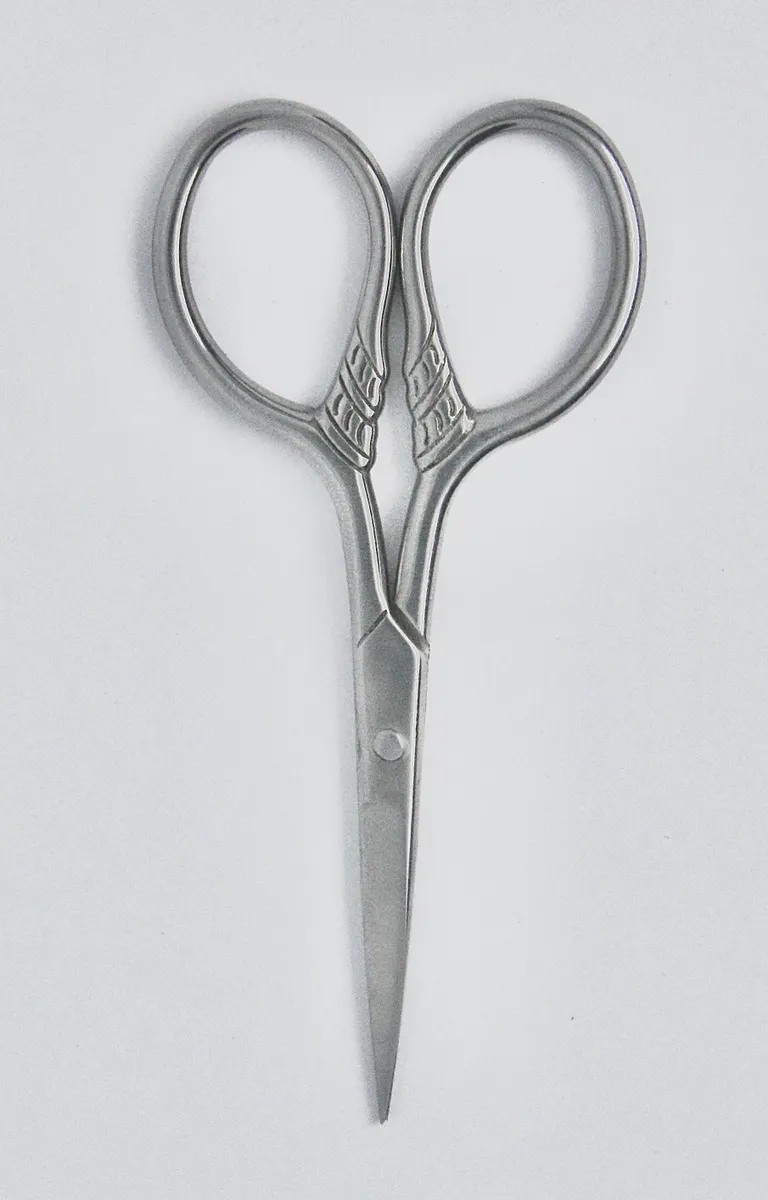
Photo Credit: Nacho Lledò
How Do You Keep Stitches Even and Consistent?
A few habits keep wired shapes looking clean and properly anchored.
- Couch wire with even spacing, since gaps between anchor stitches let wire shift out of place
- Keep thread tension steady, pulling snug enough to secure the wire without puckering the fabric
- Cut wire tails short, leaving just enough to tuck under stitching without excess poking through
- Work slowly near the wire edge, since rushed stitching is more likely to catch and bend the wire unevenly
"Wire gives raised embroidery its lift, but only if it's anchored like you mean it." That's proven true in my own practice, since loose couching stitches are the fastest way to end up with a petal that won't hold its shape.
If padded fill stitches are new to you, our stumpwork padded satin stitch guide covers how to build the raised surface that often sits inside a wired shape.
Comparing Wired Shapes to Bullion Knot Detail
|
Technique |
Look |
Best For |
Difficulty |
|
Stumpwork Wire Technique |
Cut-away, shapeable raised form |
Petals, leaves, wings that lift off fabric |
Intermediate |
|
Bullion Knots |
Small coiled, textured raised stitch |
Rolled buds, stamens, fine surface detail |
Beginner-Intermediate |
For finer raised texture alongside your wired shapes, our bullion knot tutorial covers a smaller-scale raised stitch that pairs well with stumpwork designs.
What Mistakes Are Most Common?
A few habits trip up most beginners learning stumpwork wire technique.
- Skipping couching stitches, leaving wire loose and prone to shifting during stitching
- Cutting fabric too close to stitching, risking cut threads along with the excess fabric
- Bending wire too sharply, creating creases that weaken it at the fold
- Rushing the final shaping step, distorting the wired edge before it's fully secure
Safety note: Wire ends can be sharp once trimmed, so always tuck cut ends under stitching or file them smooth, and keep scissors and wire cutters stored safely between sessions, especially around kids or pets.
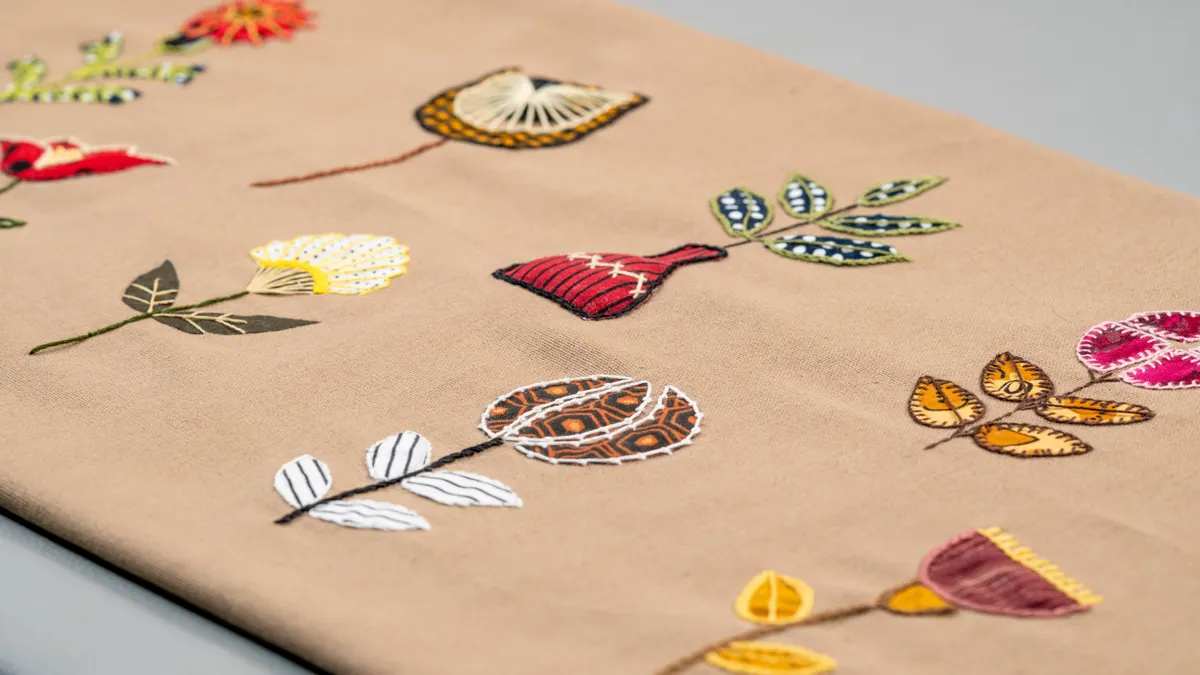
Photo Credit: Mohamed Rizly
Frequently Asked Questions
What is stumpwork wire used for? Stumpwork wire is used to edge a shape before stitching, so it can be cut free from the fabric and bent into a raised, three-dimensional form.
How do you work stumpwork wire step by step? Trace your shape, bend wire to match the outline, couch it in place, stitch the fill, then trim and cut the shape free before shaping it by hand.
What fabric, thread, and needle work best? Medium weight cotton or linen fabric, 28-30 gauge covered wire, stranded floss, and a size 7-9 crewel needle work well for wire technique.
How do you keep the stitches even and consistent? Couch the wire with even spacing, keep thread tension steady, and work slowly near the wire edge to avoid bending it unevenly.
What mistakes are most common? Skipping couching stitches, cutting fabric too close, bending wire too sharply, and rushing the final shaping step are the most common mistakes.
Final Thoughts
Stumpwork wire technique takes patience to anchor properly, but that careful couching is exactly what gives finished petals and leaves their lifted, lifelike shape. Practice the couching stitch on a scrap first, and shaping your first raised piece will feel far more manageable.
For more on getting started, read the full embroidery & cross-stitch guide.






Leave a Reply