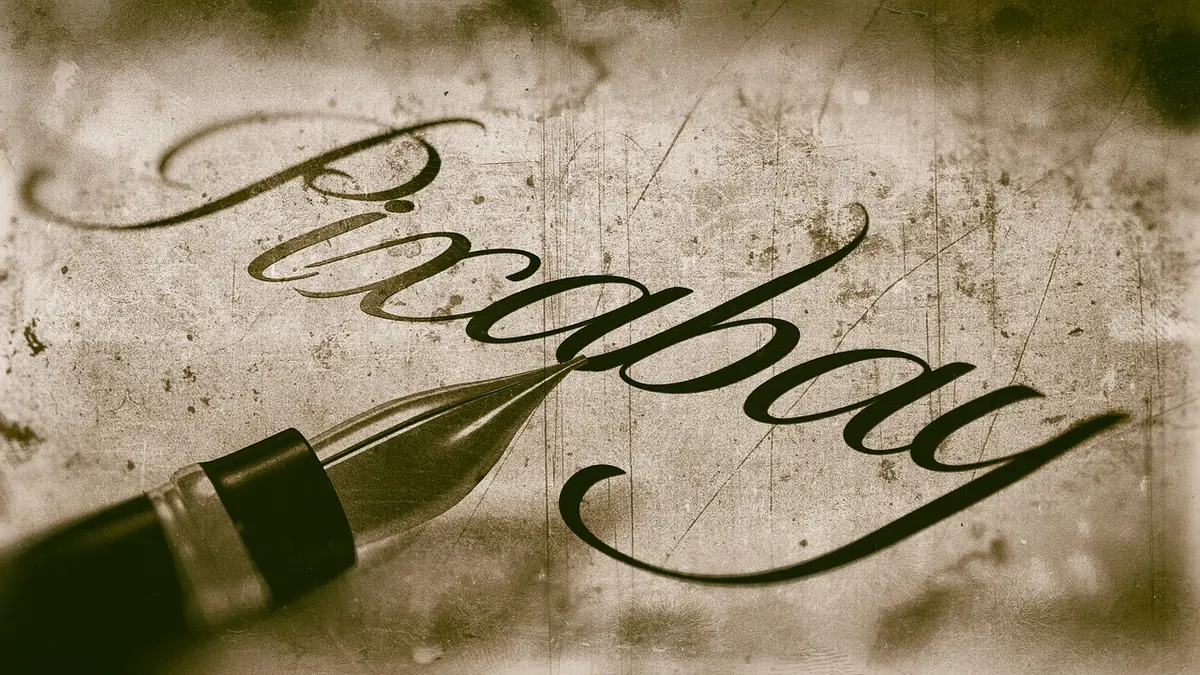
I still remember the first time someone called my messy handwriting "calligraphy" as a joke, and how confused I was, because what I do now looks nothing like handwriting at all. That confusion is actually the perfect place to start explaining this hobby properly.
So what is calligraphy, exactly? In simple terms, it is the art of writing letters by hand in a deliberate, decorative way, using specific tools and controlled strokes rather than just jotting words down quickly.
This article is part of Calligraphy Basics, and it covers the real definition of calligraphy, what makes it different from handwriting, and the tools people have used to practice it for centuries.
The Definition of Calligraphy
The word calligraphy comes from Greek roots meaning "beautiful writing." That is really the core idea behind the definition of calligraphy, even today.
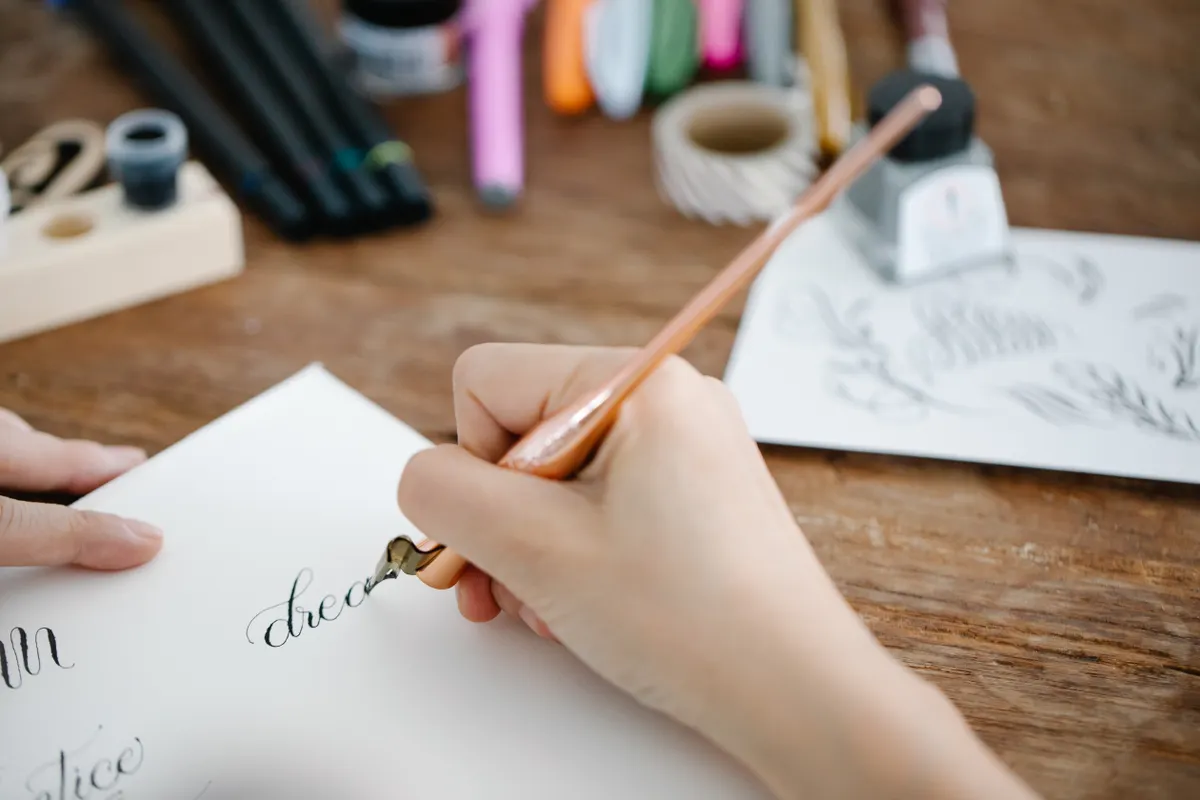
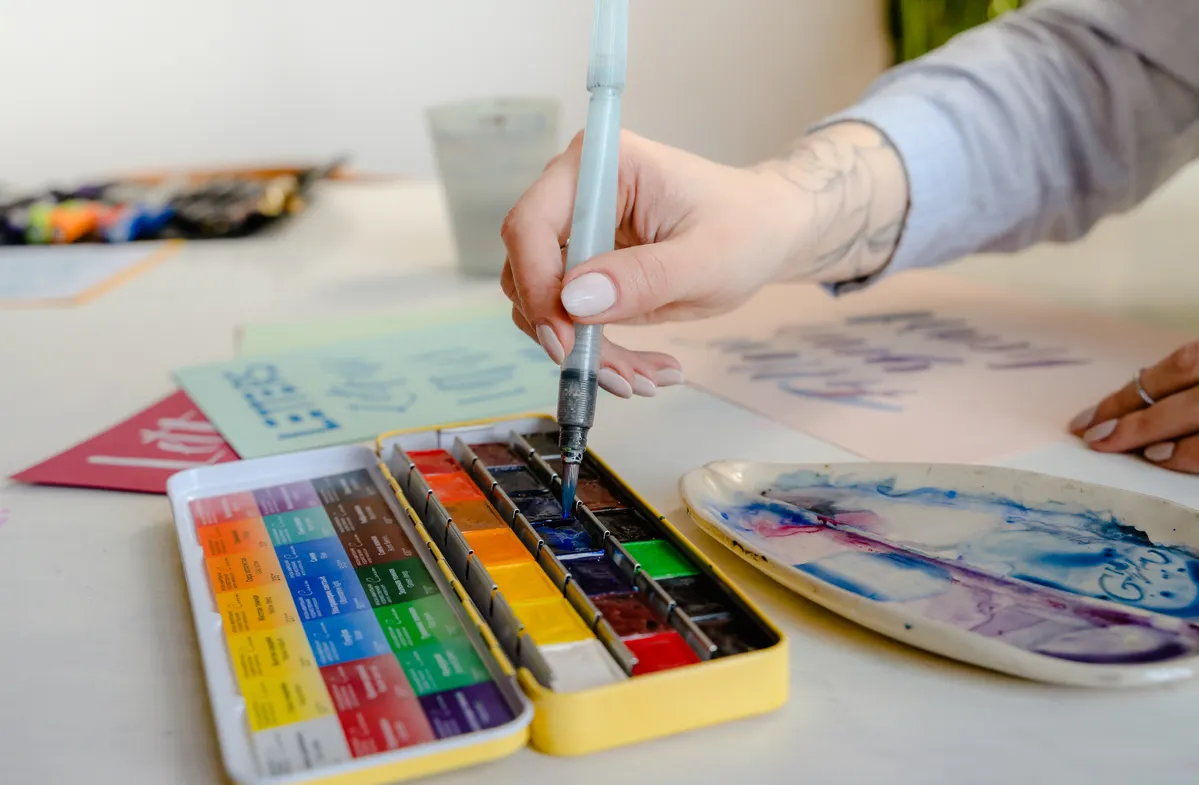
Calligraphy is the practice of forming letters using controlled, deliberate strokes, usually with a specialty tool like a broad-edge nib, a pointed pen, or a brush pen. Each stroke follows specific rules about pressure, angle, and direction, which is what creates the thick and thin lines calligraphy is known for.

Photo Credit: Hobby Guidebook Editorial
This is different from just writing nicely with a regular pen. Calligraphy meaning involves an actual system, letters are built stroke by stroke, following patterns that have been refined over hundreds of years.
The Purpose of Calligraphy
Calligraphy started as a practical skill long before it became decorative. Monks and scribes needed a clear, consistent way to copy books and documents by hand, since printing did not exist yet.
Over time, the purpose of calligraphy shifted. Today, people practice it for personal enjoyment, wedding invitations, greeting cards, journaling, and even professional design work. It sits somewhere between writing and art, useful and beautiful at the same time.
I have found that most people who stick with calligraphy long term are drawn in by both sides of that purpose. The practice itself is calming, and the finished result is genuinely something to be proud of.
How Calligraphy Is Different From Handwriting
This is probably the most common question I get, so let's be direct about it.
Handwriting is a personal, often inconsistent way of forming letters, developed naturally from childhood without following strict rules. Everyone's handwriting looks a little different, and it usually prioritizes speed over appearance.

Photo Credit: betül nur akyürek
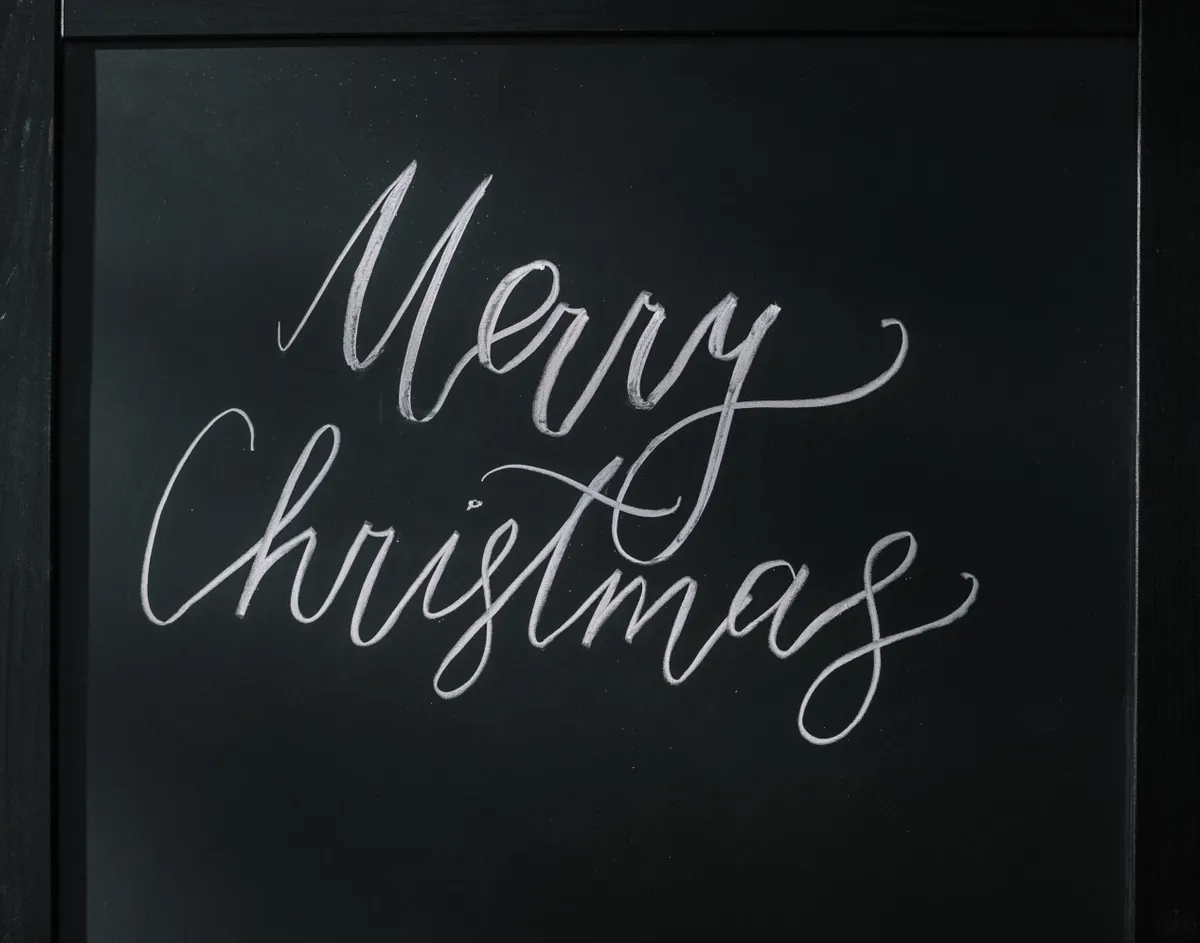
Calligraphy follows a specific set of rules for stroke order, pressure, and pen angle, designed to produce a consistent, decorative result every time. It is slower, more deliberate, and each letter is built with intention rather than habit.
|
Feature |
Handwriting |
Calligraphy |
|
Speed |
Fast, everyday use |
Slow, deliberate |
|
Consistency |
Varies naturally person to person |
Follows strict letterform rules |
|
Tools |
Any pen or pencil |
Specialty pens, nibs, or brush pens |
|
Goal |
Communication |
Communication and visual beauty |
Hand lettering sits in an interesting middle ground here too. If you want to understand how it compares to both handwriting and calligraphy, what is hand lettering breaks that distinction down clearly.
Is Calligraphy Considered an Art Form?
Yes, calligraphy is widely recognized as a genuine art form, not just a writing skill. Museums display historical calligraphy pieces, and many cultures around the world have their own long-standing calligraphic traditions, from Western scripts to Arabic and East Asian brush calligraphy.
"Calligraphy turns something we all know, letters, into something most of us have never really seen before." That idea gets repeated often among calligraphy teachers, and it captures why finished pieces feel so striking even to people unfamiliar with the craft.
The skill required to control a pointed pen's pressure, or hold a broad-edge nib at a steady angle, takes real practice to develop. That learning curve alone is part of what elevates calligraphy from simple writing into a recognized art form.
What Tools Are Traditionally Used for Calligraphy
Traditional calligraphy tools fall into a few main categories, each producing a different look.
- Broad-edge nibs. Flat, chisel-shaped tips that create thick and thin lines based on the direction of the stroke, used for scripts like Italic and Blackletter.
- Pointed pen nibs. Flexible, tapered tips that spread apart under pressure, used for scripts like Copperplate and Spencerian.
- Brush pens. Flexible brush tips that create similar pressure-based contrast, popular in modern brush lettering for cards and journaling.
- Bottled calligraphy ink. Thicker than regular ink, designed to sit on paper's surface rather than soak in immediately.
- Guideline sheets. Not a writing tool exactly, but essential for keeping letter height and slant consistent while learning.
A quick safety note worth mentioning here. Nib tips are genuinely sharp, so store them upright in a container rather than loose in a drawer, and handle them carefully when changing pens.
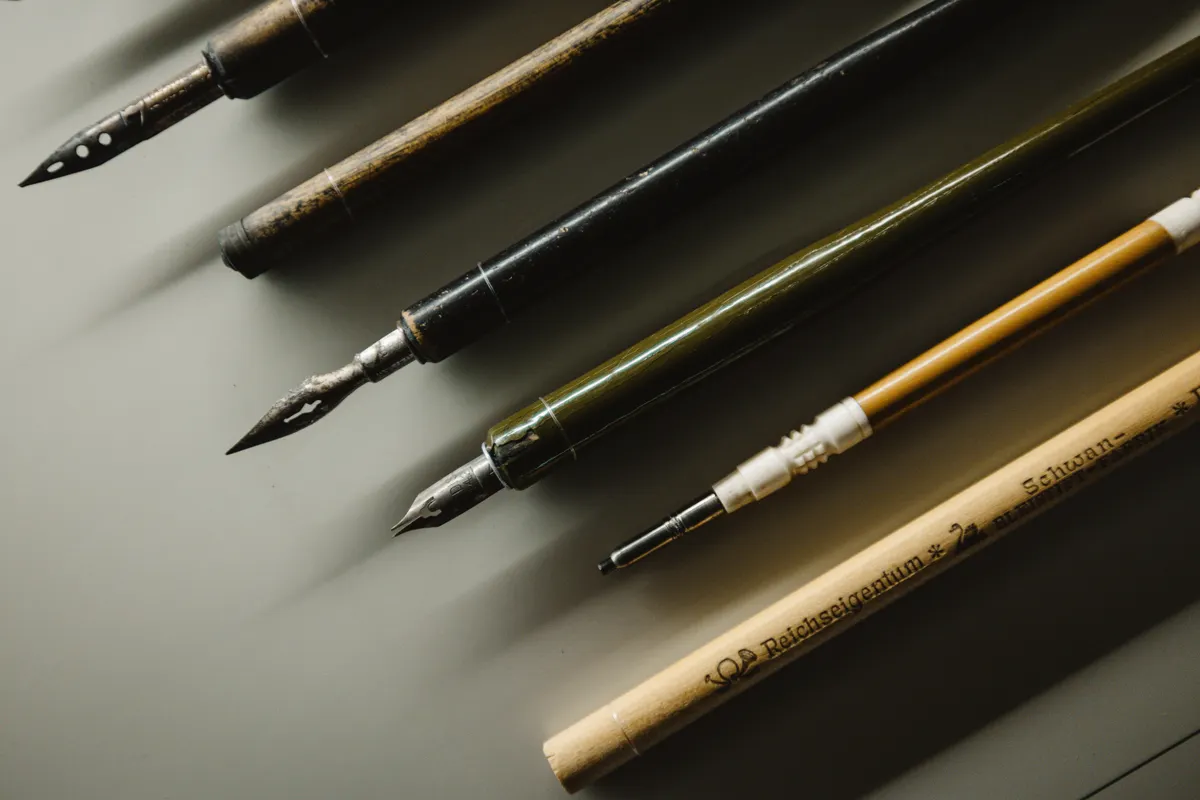
Photo Credit: Sebastian Luna
To see how these tools and scripts developed over time, and how different cultures shaped the practice, history of calligraphy covers that background in more depth.
Frequently Asked Questions
What is calligraphy? Calligraphy is the art of writing letters by hand using deliberate, controlled strokes and specialty tools, designed to create a consistent, decorative result.
What is the purpose of calligraphy? Originally used to copy documents by hand, calligraphy today serves both practical and artistic purposes, from wedding invitations to personal journaling and professional design.
How is calligraphy different from handwriting? Handwriting is fast and personal, while calligraphy follows specific rules for stroke order, pressure, and pen angle to produce a consistent decorative style.
Is calligraphy considered an art form? Yes, calligraphy is recognized as a genuine art form worldwide, with historical traditions in Western, Arabic, and East Asian cultures.
What tools are traditionally used for calligraphy? Broad-edge nibs, pointed pen nibs, brush pens, and bottled calligraphy ink are the main traditional tools, each producing a different script style.
A Skill Worth Learning Slowly
Calligraphy is really just letters, but shaped with intention instead of habit. Once you understand that difference, the whole hobby starts to make a lot more sense.
For more on where to start, which scripts to try, and the full range of tools involved, read the full calligraphy and hand lettering guide.


Leave a Reply