
Somewhere between a threaded needle and a blank piece of fabric, a picture starts to form, one small stitch at a time. That simple process is the heart of what embroidery actually is, and it's a lot more approachable than it looks from the outside.
This article is part of our Embroidery & Cross-Stitch Basics series, and it covers the definition of embroidery, the main techniques, and what you'll need to try it yourself.
Embroidery Meaning: A Simple Definition
At its core, embroidery meaning comes down to this: decorating fabric using needle and thread. Instead of printing or painting a design, you build it stitch by stitch, directly into the material.
What is embroidery in practical terms? It's a hand craft where thread is pulled through fabric in specific patterns to create texture, shape, and color. Some stitches lie flat and smooth, while others sit raised above the fabric surface.
I've found that the best way to understand embroidery isn't through a definition at all. It's watching a blank hoop slowly fill in, one stitch at a time, until a shape appears that wasn't there an hour ago.

Photo Credit: Hobby Guidebook Editorial
How Embroidery Developed
Embroidery has been practiced for centuries across many cultures, long before sewing machines existed. Our deeper dive into the history of embroidery and cross-stitch covers this in more detail, but the short version is that hand stitching was originally practical.
Early stitching reinforced seams and repaired worn fabric. Over time, that practical stitching became decorative, and different regions developed their own signature styles and stitch patterns, many of which are still taught today.
Materials Commonly Used in Embroidery
Getting started doesn't require a large kit. A handful of core materials cover most beginner projects.
|
Material |
Purpose |
|
Embroidery hoop |
Holds fabric taut while stitching |
|
Cotton or linen fabric |
Common base fabric for hand embroidery |
|
Embroidery floss |
Six-strand cotton thread, split before use |
|
Embroidery needle |
Sharp-tip needle for piercing woven fabric |
|
Small sharp scissors |
Clean thread cuts without fraying |
|
Water-soluble marking pen |
Traces a design onto fabric before stitching |
Safety note: Store needles in a pincushion or case when not in use, and keep scissors pointed away from your fingers while trimming thread.
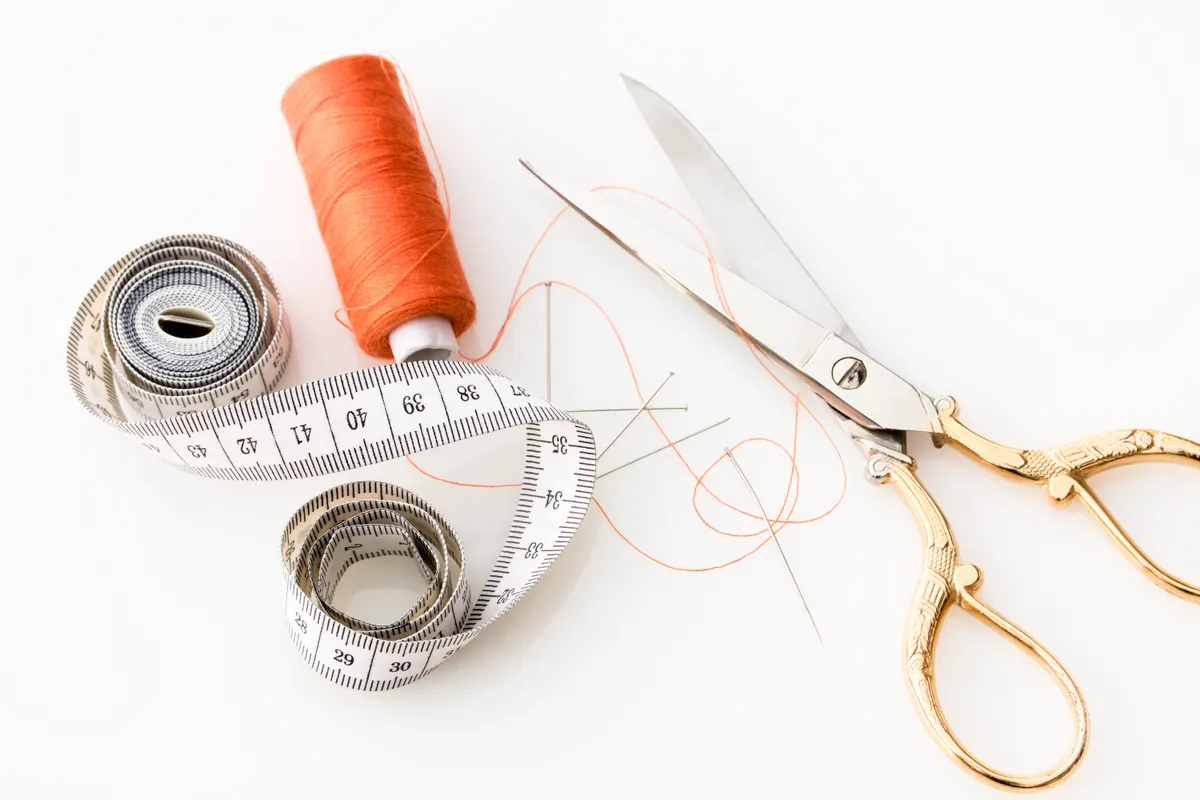
Photo Credit: Pixabay
Main Types and Techniques
Embroidery covers a wide range of styles, from simple single stitches to detailed shaded pieces.
- Hand embroidery, using stitches like backstitch, satin stitch, and French knots to fill or outline a design freehand.
- Counted cross-stitch, worked off a charted grid using X-shaped stitches on evenly woven fabric. Our detailed guide on what cross-stitch is breaks this technique down further.
- Crewel embroidery, a wool-thread technique traditionally used for detailed, textured designs.
- Machine embroidery, using a computerized machine to stitch a design automatically, common for clothing and patches.
Most beginners start with basic hand embroidery stitches before trying counted cross-stitch, since hand stitching builds tension control that transfers directly to grid-based work later.
Basic Steps to Try Embroidery for the First Time
- Choose a small, simple design, like a single flower or short word.
- Trace it onto fabric using a water-soluble marking pen.
- Secure the fabric in a hoop, tightening it enough to feel taut like a drum.
- Thread your needle with two to three strands of floss, depending on the stitch.
- Stitch slowly, following your traced lines with consistent, even tension.
- Rinse out marking lines once stitching is complete, if using a water-soluble pen.
"Even tension matters more than fancy stitches when you're starting out." That's something worth remembering the first time a stitch looks a little uneven.
Which Options Are Easiest for Beginners
Not every embroidery technique is beginner-friendly right away. Some genuinely are easier to start with than others.
- Backstitch is one of the simplest stitches to learn, useful for outlines and lettering
- Satin stitch takes a bit more practice but fills shapes smoothly once tension feels natural
- French knots look tricky at first but become easy with a few practice attempts
- Counted cross-stitch on 14-count Aida cloth is a good beginner fabric choice, since the holes are large and easy to see

Photo Credit: lia works
Common Beginner Mistakes
- Pulling thread too tight, which puckers the fabric
- Using thread lengths that are too long, leading to tangling
- Skipping the hoop, making even tension much harder to maintain
- Choosing a design that's too detailed before basic tension feels comfortable
Frequently Asked Questions
What is embroidery? Embroidery is the craft of decorating fabric using needle and thread, building a design stitch by stitch rather than printing or painting it.
How did embroidery develop? Embroidery began as practical stitching used to reinforce and repair fabric, later developing into a decorative art form across many cultures and regions.
What are the main types or techniques? The main types include hand embroidery, counted cross-stitch, crewel embroidery, and machine embroidery, each using different tools and stitch styles.
What materials are commonly used? Common materials include an embroidery hoop, cotton or linen fabric, embroidery floss, a sharp embroidery needle, and small scissors.
Which options are easiest for beginners? Backstitch and basic cross-stitch on 14-count Aida cloth are considered the easiest starting points, since both use simple, forgiving techniques.
Final Thoughts
What is embroidery, at its simplest? It's fabric, thread, and patience, combined one stitch at a time into something worth keeping. Once the basic tension clicks, everything else in this hobby starts to open up.
For more on getting started, read the full embroidery & cross-stitch guide and keep building from here.



Leave a Reply