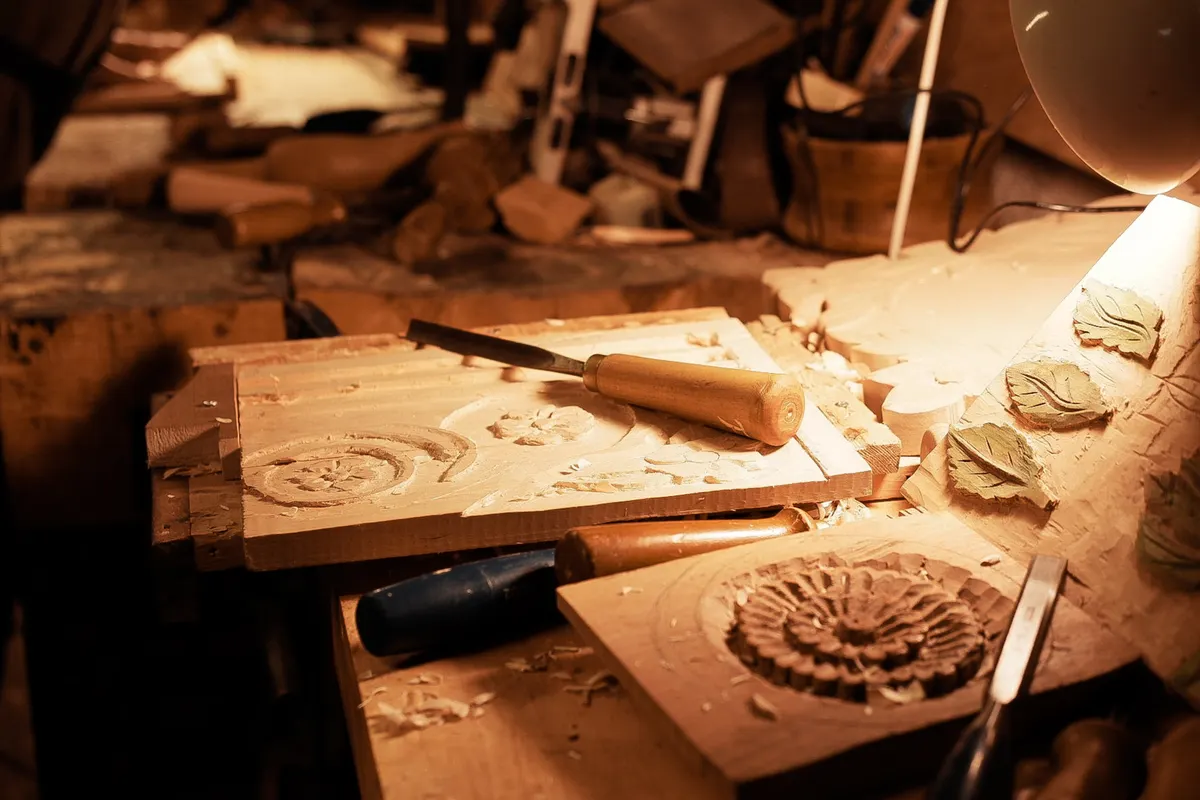
My first whittling project was supposed to be a simple bird. It ended up looking more like a lumpy potato with a beak, and I still have it sitting on my windowsill as a reminder of where I started. That's the thing about wood carving project ideas, the first one is rarely pretty, but it teaches you more than any tutorial can.
This guide breaks down projects by skill level, so you can pick something that actually matches where you are right now instead of jumping in over your head. For the bigger picture of tools and techniques, back to the complete wood carving & whittling guide is a good next stop.
Why Picking the Right Project Level Matters
Starting with something too ambitious is probably the number one reason beginners quit early. I've seen it happen, and honestly, I did it myself with a detailed figure carving I abandoned after two frustrating weekends.
The right project matches your current skill, not the skill you wish you had. Easy wood carving projects build confidence and muscle memory. Jumping straight to detailed work usually just builds frustration.
What You'll Need Before Starting Any Project
A quick refresher on the basics, since every project below assumes you have these on hand.
|
Item |
Purpose |
|
Sloyd or detail knife |
Main whittling tool |
|
Basswood blank |
Soft, forgiving practice wood |
|
Sharpening stone or strop |
Keeps your blade cutting cleanly |
|
Cut-resistant glove |
Protects your supporting hand |
|
Pencil |
Sketching shapes before cutting |
Nothing fancy. Most of these projects only need a single knife and a piece of soft wood to get started.
Beginner Wood Carving Project Ideas
These are true starting points, the kind of whittling project ideas that teach basic cuts without overwhelming you.
- A simple wooden egg. Sounds basic, but rounding a block into a smooth egg shape teaches control and blade angle better than almost anything else.
- A small round animal. Think a rounded owl or hedgehog shape, nothing with fine detail like feathers or fur texture yet.
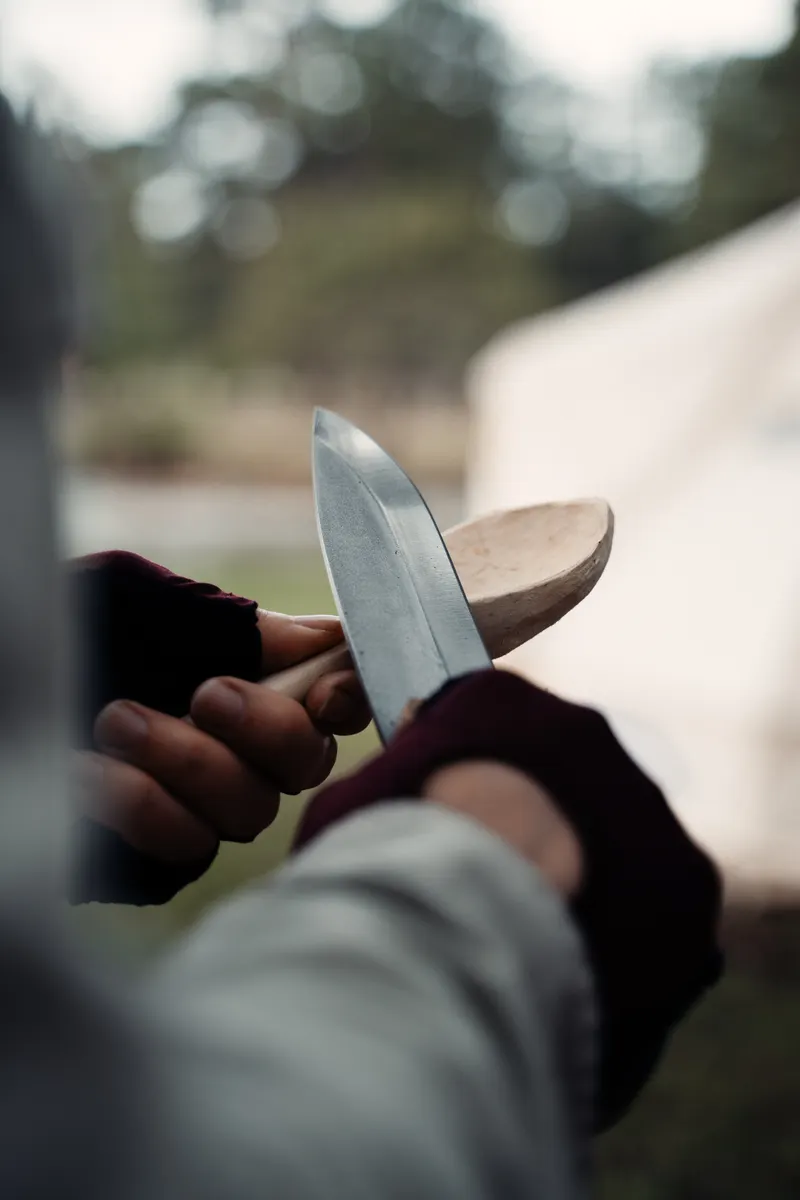
- A wooden spoon blank. Not the full functional spoon with a scooped bowl, just the outer shape. This teaches long, controlled strokes.
- A simple letter opener. Flat, straightforward, and useful once finished.
- A thumb-sized gnome. A rounded cone body with a simple face carved in. Forgiving if proportions aren't perfect.
Each of these can realistically be finished in one to three short sessions, which keeps momentum going without demanding hours at once.
"Start simple, finish it, then start simple again." That's advice I heard early on, and it still holds. Finishing small projects matters more than starting big ones.
Intermediate Wood Carving Project Ideas
Once basic cuts feel steady in your hands, these wood carving projects to make add a bit more challenge without requiring a full tool upgrade.
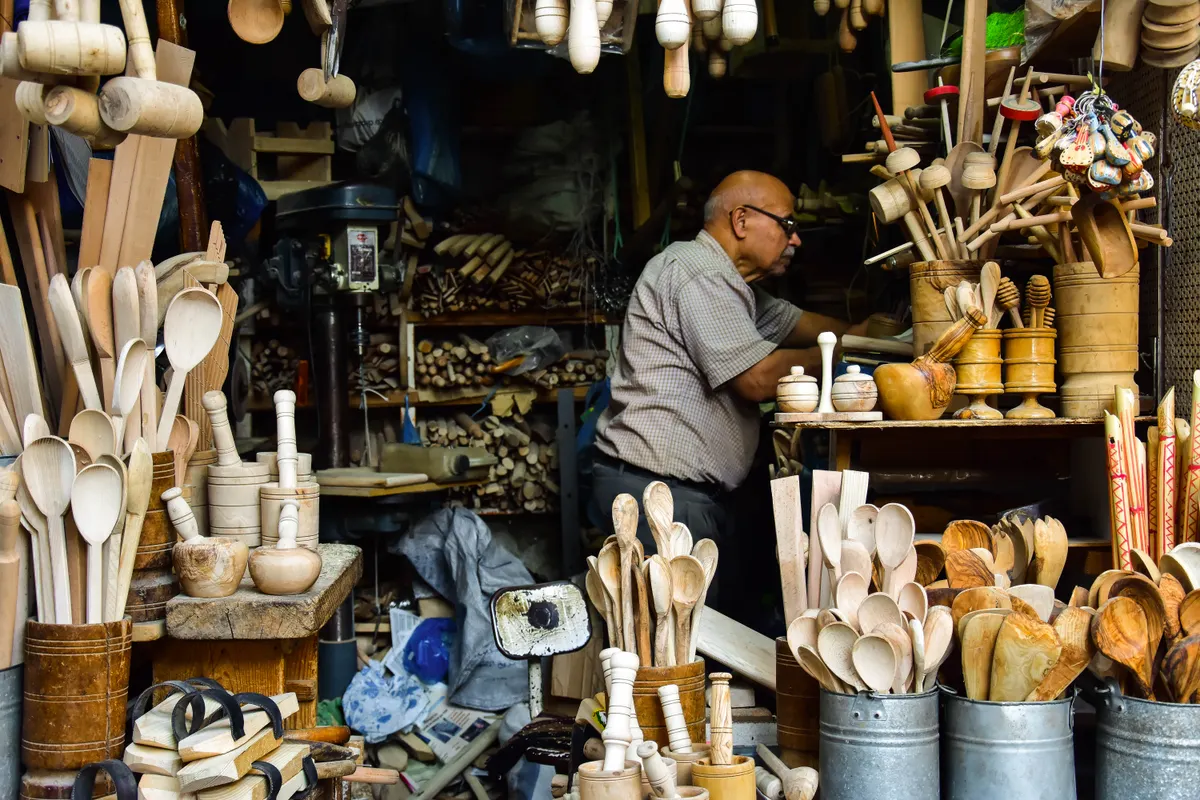
- A functional wooden spoon, including the scooped bowl this time. You'll want a hook knife for this one, since a straight blade can't reach the curve properly.
- A small chip-carved box lid. Introduces geometric patterns using a chip carving knife, a nice step beyond basic whittling.
- A simple relief carving of a leaf or feather. Flat background, raised design. This is where gouges start becoming useful.
- A carved walking stick handle. More involved shaping, often combining rounded curves with smaller detail cuts near the top.
- Seasonal ornaments. Small carved shapes like stars, snowflakes, or simple animals make great practice pieces with a clear finish line.
If seasonal work interests you, our guide on seasonal wood carving projects has more specific ideas tied to different times of year.
Advanced Wood Carving Project Ideas
These projects assume you're comfortable with multiple techniques and probably own a small set of gouges beyond your starting knife.
- A detailed relief panel, like a landscape or animal scene with several depth layers.
- A figure carving with clothing folds or facial detail. This requires real control over small, precise cuts.
- A carved decorative bowl, shaped entirely by hand rather than roughed out with power tools first.
- A chip-carved decorative plate with a full geometric pattern covering the surface.
- Custom home decor pieces, like carved shelf brackets or wall hangings. Our guide on wood carving home decor projects covers several ideas in this category if you want inspiration.
These take real time, often several weeks of steady sessions rather than a single weekend.
How to Choose Your Next Project: Step by Step
If you're staring at this list unsure where to start, here's the process I'd actually walk you through.
- Be honest about your current skill. If you've made fewer than five whittled pieces, start in the beginner section, even if the intermediate projects look more interesting.
- Pick something you'll actually want to finish. A project that excites you keeps you motivated through the harder middle stretch.
- Check the tools required before starting. Don't begin a spoon carving without a hook knife, for example. Half-finishing a project because you lack the right tool is a common frustration.
- Sketch the shape first, even roughly. This saves wood and prevents wasted cuts later.
- Give yourself more time than you think you need. Rushing a project usually shows in the final result.
Pro Tips and Common Mistakes to Avoid
A few lessons worth knowing before you pick your next project:
- Don't start with a project that needs tools you don't have yet. Half the frustration in this hobby comes from fighting the wrong tool for the job.
- Choose soft wood for your first attempt at any new project type. Even intermediate carvers should use basswood when trying an unfamiliar technique.
- Keep your blade sharp throughout the project, not just at the start. A dull edge midway through causes more slips than a fresh, sharp one.
- Don't rush the finishing steps. Sanding and oiling a piece properly makes even a simple project look intentional and complete.
- Finish what you start before moving to something harder. Half-finished projects pile up fast and can quietly kill motivation.
A quick safety note: always carve away from your body and keep a cut-resistant glove on your supporting hand, especially when trying a new project type for the first time. New shapes often mean new hand positions, and that's when careless slips tend to happen.
Frequently Asked Questions
What can I make with wood carving?
You can make almost anything, from simple decorative pieces like wooden eggs and small figures to functional items like spoons, bowls, and letter openers. More advanced carvers create detailed relief panels, chip-carved boxes, and full figure sculptures. The range really depends on your current skill level and the tools you have on hand.
What is a good first whittling project?
A simple wooden egg or a small rounded animal shape makes an excellent first project. Both teach basic control and blade angle without requiring fine detail work. They also use minimal wood, so mistakes don't feel expensive, and they can usually be finished in a single sitting.
Where to Go From Here
The best wood carving project ideas are the ones that match where you actually are, not where you wish you were. Start small, finish what you begin, and let your skills grow project by project.
Once you've picked your next piece, read the full wood carving & whittling guide for more on techniques, tools, and building your skills further.



Leave a Reply