
I learned the hard way that a beautiful paper crane left too close to an open window during a rainstorm turns into a sad, wilted lump within minutes. Can origami be made waterproof is a question I get asked constantly, usually right after someone's finished a model they're genuinely proud of and want to protect for good.
This tutorial is Part of Common Origami Questions & Comparisons, and it covers whether finished models can resist moisture, how sealing actually works, what it does to the paper's feel, what to think through before spraying anything on your model, and whether "waterproof" is really the right word to use here.
Can Finished Origami Be Made More Resistant to Moisture?
Yes, finished origami can genuinely be made more moisture resistant, though it's worth setting expectations before diving in. Applying a protective coating after folding is complete can meaningfully slow down how quickly paper absorbs water or humidity, which helps a display piece survive longer in less-than-ideal conditions.
I've found that permanent origami finish treatments work best as a way to extend a model's life rather than as a guarantee against water damage. A sealed crane sitting on a shelf in a humid bathroom will hold up far better than an unsealed one, but that's different from something you could genuinely submerge or leave out in real rain.
It's also worth understanding this treats the paper after the fact, which is a different approach entirely from folding with already-treated paper. If you're curious about that alternative path, dampening and shaping specially prepared paper during the fold itself is its own distinct technique worth exploring separately.

Photo Credit: Hobby Guidebook Editorial
Materials Needed for Sealing Origami Models
A short list of supplies covers what's needed to seal a finished model properly.
|
Item |
Purpose |
|
Clear acrylic spray sealant |
Creates a thin protective layer over the paper's surface |
|
Small, soft-bristle brush (optional) |
Allows precise application on smaller or more detailed models |
|
Well-ventilated workspace |
Necessary for safely applying any aerosol or spray product |
|
Protective drop cloth or newspaper |
Protects surfaces underneath from overspray during application |
|
Test scraps of the same paper |
Lets you check how the sealant affects color and texture before committing |
Can You Seal an Origami Model With a Protective Coating?
Yes, sealing a finished model is a fairly common practice, especially for pieces meant for long-term display rather than casual handling. A light, even coat of clear acrylic spray is the most accessible option most folders reach for, since it's widely available and simple to apply correctly.
Sealing origami models generally works best on paper that's already folded and fully shaped, applied in thin layers rather than one heavy coat that could warp or discolor the sheet. I'd recommend testing on a scrap piece of the same paper first, since some colors and finishes react differently to sealant than others.
If protecting a finished piece is really about keeping it looking good over time rather than moisture resistance specifically, it's worth thinking about display conditions too. Origami Storage & Display Solutions covers how factors like sunlight, dust, and handling affect a model's longevity, which matters just as much as sealing for pieces you want to keep for years.
Does Sealing Change the Paper's Texture or Flexibility?
Yes, sealing does change how the paper feels, and this is genuinely worth knowing before you commit to treating a favorite piece. A light acrylic coat typically adds a slight stiffness and a faint sheen to the surface, which some folders like for the added durability and others find changes the model's look more than they'd want.
I've noticed that thinner, more delicate paper shows this change more noticeably than heavier cardstock-style sheets, since there's less original body to begin with. The sealed surface also loses a bit of its original softness to the touch, trading that for a slightly harder, more protected feel overall.

Photo Credit: Internet
Testing on scrap paper really does matter here, since the difference between a barely noticeable sheen and an overly glossy, stiff finish often comes down to how many light coats you apply rather than the product itself.
What Should You Consider Before Applying a Spray or Finish to Paper?
A few practical factors deserve real thought before reaching for a spray can or brush-on sealant.
- Test on a scrap first. Every paper color and finish reacts slightly differently, and testing avoids ruining a finished model over an unexpected reaction.
- Work in a well-ventilated space. Aerosol sealants release fumes that shouldn't be inhaled directly, so open windows or working outdoors matters here, and it's genuinely worth taking seriously rather than treating as optional.
- Apply thin, even coats. A single heavy coat is far more likely to warp, discolor, or oversaturate the paper than several light passes allowed to dry between each one.
- Let each coat dry fully. Rushing between coats traps moisture underneath the sealant, which can actually cause the very warping you're trying to prevent.
- Consider whether the model truly needs sealing. Pieces kept indoors away from humidity or handling often don't need this step at all, and skipping it preserves the paper's original feel.
A folder I once spoke with at a craft show described sealing as trading a little bit of the paper's soul for a lot more durability, since a sealed model looks and feels slightly different but survives handling and display far better over time. That tradeoff stuck with me, since it's really the honest way to think about whether sealing is worth it for any particular piece.
Is a Sealed Origami Model Truly Waterproof?
No, and this is really the most important thing to understand before treating a model as fully protected. Sealed origami is water resistant, meaning it holds up noticeably better against humidity, light splashes, or brief exposure to moisture, but it isn't genuinely waterproof in the way a plastic or laminated item would be.
Submerging a sealed model, or leaving it out in actual rain for an extended period, will still eventually cause damage, since the underlying paper remains paper no matter how many light coats of sealant sit on top. I'd treat sealing as buying extra time and durability rather than eliminating water risk entirely.
It's worth noting this is a different approach entirely from wet-folding, a technique where paper is dampened during the folding process itself to create smooth sculptural curves, rather than sealed afterward to resist future moisture. Wet-Folding Technique Explained covers that process in detail, which helps clarify why treating paper before versus after folding serves two completely different purposes.
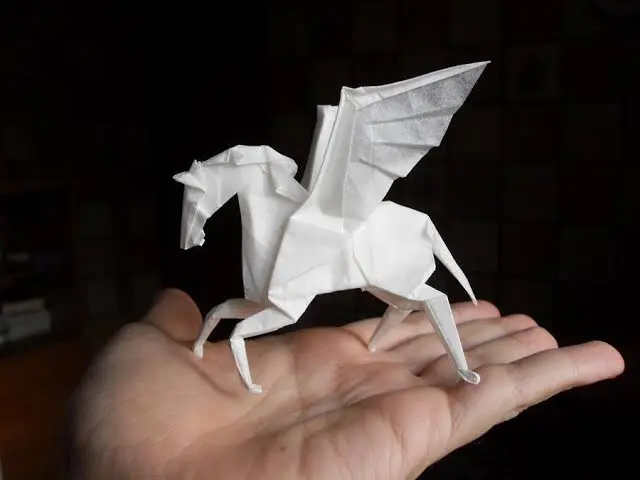
Photo Credit: Internet
Common Mistakes When Sealing Origami
A few habits consistently lead to disappointing results for folders trying this for the first time.
- Skipping the scrap test. Committing directly to a finished model without testing wastes both time and paper if the sealant reacts poorly.
- Applying one heavy coat instead of several light ones. Oversaturating the paper with a single thick layer often causes warping that thin, repeated coats avoid.
- Spraying in a poorly ventilated area. This is a genuine safety consideration, not just a comfort issue, so proper airflow matters every time.
- Expecting true waterproofing. Treating a sealed model as fully water safe leads to real disappointment if it's ever actually exposed to significant moisture.
Comparing Sealing Options for Origami
|
Option |
Moisture Resistance |
Texture Change |
Best For |
|
Clear acrylic spray |
Moderate |
Slight stiffness, faint sheen |
Display pieces handled occasionally |
|
No sealant, careful storage |
Low |
None |
Pieces kept in stable, dry conditions |
|
Wet-folding (pre-fold treatment) |
Not moisture related |
Smooth sculptural shaping |
Sculptural models, not flat paper protection |
Frequently Asked Questions
Can finished origami be made more resistant to moisture? Yes, applying a light protective sealant after folding can meaningfully improve resistance to humidity and light moisture exposure.
Can you seal an origami model with a protective coating? Yes, clear acrylic spray is the most common option, applied in thin, even coats over a fully finished, folded model.
Does sealing change the paper's texture or flexibility? Yes, sealing typically adds slight stiffness and a faint sheen, with thinner papers showing this change more noticeably than heavier stock.
What should you consider before applying a spray or finish to paper? Test on scrap paper first, work in a ventilated space, apply thin coats, and let each layer dry fully before adding another.
Is a sealed origami model truly waterproof? No, sealing improves moisture resistance but doesn't make a model genuinely waterproof, since extended exposure or submersion will still cause damage.
Final Thoughts
Sealing a finished origami model can genuinely extend its life and help it survive humidity or occasional handling, but it's important to go in understanding what it can and can't do. Test on scrap paper first, apply thin coats, and treat sealing as added durability rather than true waterproofing.
If you're ready to explore the rest of what this hobby has to offer, Read the full origami guide for everything from paper choices to techniques across every skill level.



Leave a Reply