I once pulled a shoebox of folded cranes out of storage after a humid summer, and half of them had gone soft and droopy, like the paper itself had given up holding its shape. That single ruined box is why I treat this origami storage and care reference as essential reading, not an afterthought tacked onto the actual folding.
In this guide, you'll learn how to store paper before you fold it, how humidity and sunlight affect both raw sheets and finished models, what temperature range actually works best, and how to keep completed pieces safe from dust and crushing over time.
This article is Part of Origami Glossary & Reference, a growing collection covering the terms, tools, and care practices that support the wider folding hobby.
Why Storage and Care Actually Matter
Paper seems sturdy enough sitting in a package at the craft store, but once it's folded, exposed edges and sharp creases become far more sensitive to their surroundings than a flat, unfolded sheet ever was.
I've learned this mostly the hard way, watching sharp creases soften after months on a sunny windowsill, or finding a stack of unused kami slightly curled at the corners after a damp spring. Good storage habits prevent both problems before they start.

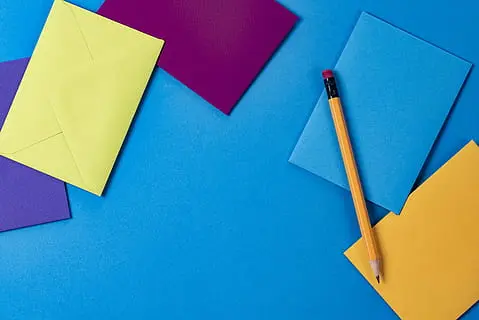
Photo Credit: Hobby Guidebook Editorial
Why this reference matters for folders at every level:
- Protects your time investment, since a complex modular piece can represent hours of careful folding
- Preserves crisp creases, keeping models looking as sharp as the day you finished them
- Extends usable paper life, so unused sheets stay foldable rather than brittle or curled
- Prevents color fading, particularly important for colored kami and printed patterned paper
What You'll Need for Proper Storage
Good storage doesn't require anything elaborate, mostly a few containers and a bit of attention to where you place them.
|
Item |
Why It Matters |
|
A flat storage folder or box |
Keeps unused paper from bending or curling at the edges |
|
Acid free tissue paper |
Adds a protective layer between finished models during storage |
|
A shallow display case or cloche |
Shields completed pieces from dust without fully sealing them away |
|
Silica gel packets |
Helps absorb excess moisture in humid climates |
|
A dedicated storage shelf, away from windows |
Keeps both paper and models out of direct sunlight |
I'd genuinely recommend storing unused paper flat rather than rolled. Rolled paper develops a curve that fights against your folds later, especially frustrating on precise geometric models that need flat, even panels.
How Should Origami Paper Be Stored to Avoid Damage?
Getting storage right before you even fold anything saves you from working with paper that's already curled, faded, or brittle.
- Keep sheets flat, storing paper in a folder or shallow box rather than rolling or folding it before use.
- Separate by color and weight, organizing sheets so lighter tissue foil doesn't crush under heavier cardstock varieties.
- Store away from direct light, choosing a drawer or closed cabinet over an open shelf near a window.
- Avoid damp areas entirely, keeping paper away from bathrooms, basements, or anywhere with regular moisture exposure.
- Check periodically for curling, flipping through stored sheets every few months to catch early moisture or warping signs.
How should origami paper be stored to avoid damage? Flat, dry, and out of direct light covers most of it. Paper is genuinely more resilient than people expect, but only when it's kept away from the specific conditions that cause curling, fading, or brittleness over time.
How Does Humidity Affect Origami Paper?
Humidity is probably the single biggest threat to both unused sheets and finished models, since paper naturally absorbs moisture from the surrounding air.
What humidity does to paper over time:
- Softens fibers, making sharp creases harder to hold and easier to accidentally undo
- Encourages warping, especially in flat, unused sheets left in a humid room
- Promotes mold risk, in genuinely extreme, prolonged humidity exposure
- Weakens structural folds, particularly in modular pieces that rely on tension to stay locked together
How does humidity affect origami paper? In short, too much moisture in the air softens paper and slowly works against every crease you've made. This is exactly why the humidity and origami paper relationship matters so much for wet-folded pieces especially, since they're already more sensitive to moisture swings than standard dry folded models.
For folders looking to build a dedicated setup for finished pieces, Origami Storage & Display Solutions covers shelving, cases, and organizing systems that pair well with the basic care habits covered here.
How Does Sunlight Affect Stored Origami Paper and Finished Models?
Sunlight causes a different kind of damage than humidity, working slowly through fading rather than softening or warping.
|
Exposure Level |
Effect on Paper |
Effect on Finished Models |
|
Brief, indirect light |
Minimal noticeable change |
Minimal noticeable change |
|
Regular partial sun |
Slight fading over months |
Gradual color dulling |
|
Direct daily sunlight |
Noticeable fading within weeks |
Visible fading and brittleness |
How does sunlight affect stored origami paper and finished models? Direct sun genuinely fades color faster than most folders expect, and it also dries paper out over time, making creases more prone to cracking rather than folding cleanly. Display pieces in indirect light hold their color noticeably longer than those on a sunny windowsill.
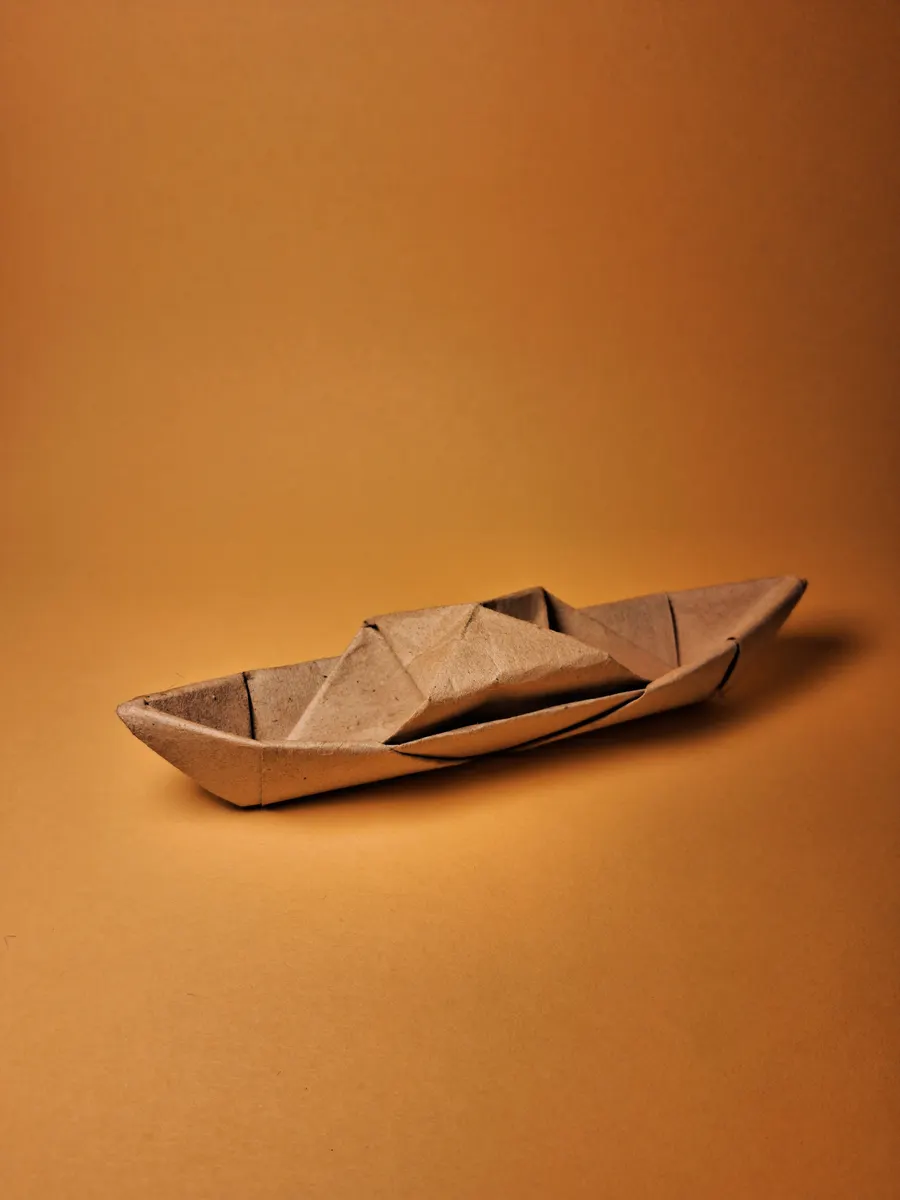
Photo Credit: Anindo Santra
What Temperature and Environment Are Suitable for Paper Storage?
Temperature swings stress paper fibers in ways that aren't always obvious right away, but they add up over months of storage.
Ideal storage conditions generally include:
- A stable room temperature, avoiding attics, garages, or anywhere with major seasonal swings
- Moderate humidity, neither bone dry nor noticeably damp to the touch
- Consistent conditions, since fluctuating temperature stresses paper more than steady conditions at either extreme
- Minimal air movement directly across models, since constant airflow can dry paper unevenly
What temperature and environment are suitable for paper storage? A typical living space, away from windows, vents, and damp rooms, works well for most folders. You don't need anything specialized, just consistency and a bit of distance from extreme conditions.
As folders often say, the paper never lies. It only shows you exactly where a fold went wrong.
With storage specifically, that honesty shows up slowly, a slight curl, a dulled color, a crease that no longer holds quite as sharply as it once did.
How Can You Protect Finished Origami From Dust and Crushing?
Completed models face two very physical threats once they're on display, ordinary dust buildup and simple accidental crushing from nearby objects.
Protecting against dust:
- Use a shallow display case or cloche for pieces you want fully protected
- Dust gently with a soft brush every few weeks rather than letting buildup settle into creases
- Avoid open shelving in high traffic rooms where dust accumulates faster
Protecting against crushing:
- Give each model enough physical space, avoiding tight, crowded shelf arrangements
- Store extras in a box lined with acid free tissue paper, with each model given its own layer
- Handle finished pieces by their sturdiest fold, not by thin points that bend easily under light pressure

Photo Credit: Szymon Shields
How can you protect finished origami from dust and crushing? Space and a light barrier handle most of it. A simple display case or generous shelf spacing prevents the majority of everyday wear finished models face.
If you're curious whether a model can be made more permanently resistant to these issues altogether, Can Origami Be Made Waterproof or Permanent? explores sealants and treatments some folders use for long-term display pieces.
Frequently Asked Questions
How should origami paper be stored to avoid damage? Keep sheets flat, away from direct light, and away from damp areas, checking periodically for early signs of curling.
How does humidity affect origami paper? Excess moisture softens paper fibers, making creases harder to hold and increasing the risk of warping over time.
How does sunlight affect stored origami paper and finished models? Direct sunlight fades color and dries paper out, making it more prone to cracking rather than folding cleanly.
What temperature and environment are suitable for paper storage? A stable room temperature with moderate humidity works best, avoiding attics, damp rooms, or areas with major swings.
How can you protect finished origami from dust and crushing? Use a display case or shallow cloche, dust gently with a soft brush, and give each model enough space to avoid crushing.
Final Thoughts
A little attention to storage genuinely extends the life of both your paper stash and your finished models. Keep things flat, dry, and out of direct sun, and that crane you're proud of today will still look sharp years from now.
Ready to explore more reference material for the hobby? Read the full origami guide for additional care tips and techniques worth knowing.




Leave a Reply