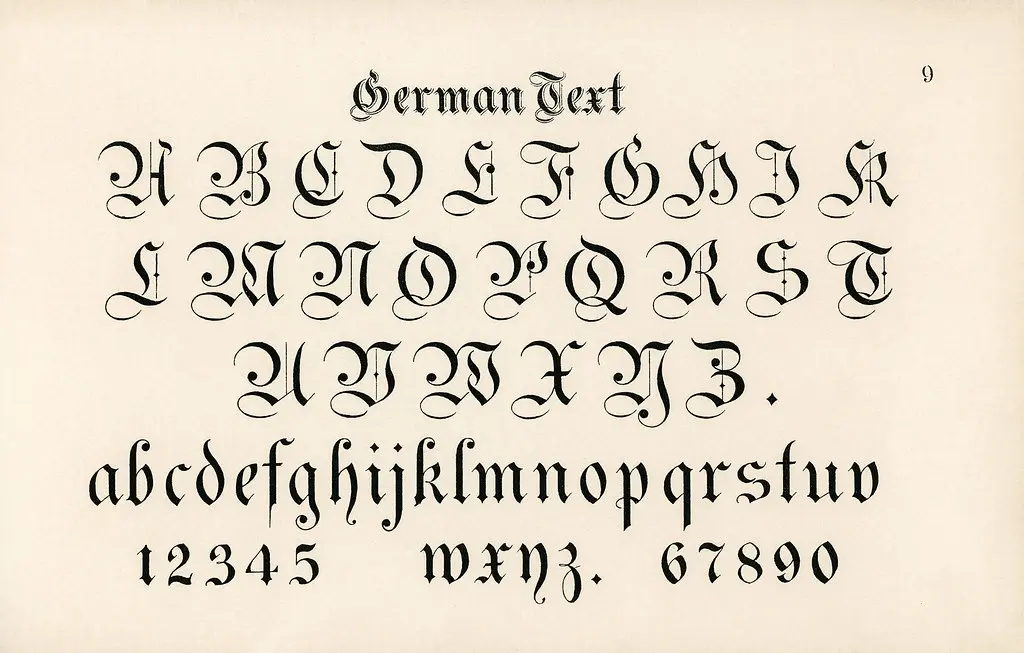
The first time I saw a full alphabet chart of calligraphy styles side by side, I honestly panicked a little, since half of them looked nothing alike despite supposedly belonging to the same hobby. Once you understand how these types of calligraphy scripts are actually grouped, that confusion clears up fast.
This guide is part of Calligraphy Basics, and it breaks down the main script families, how they differ, and which ones make sense for a beginner to start with.
Why Calligraphy Has So Many Script Styles
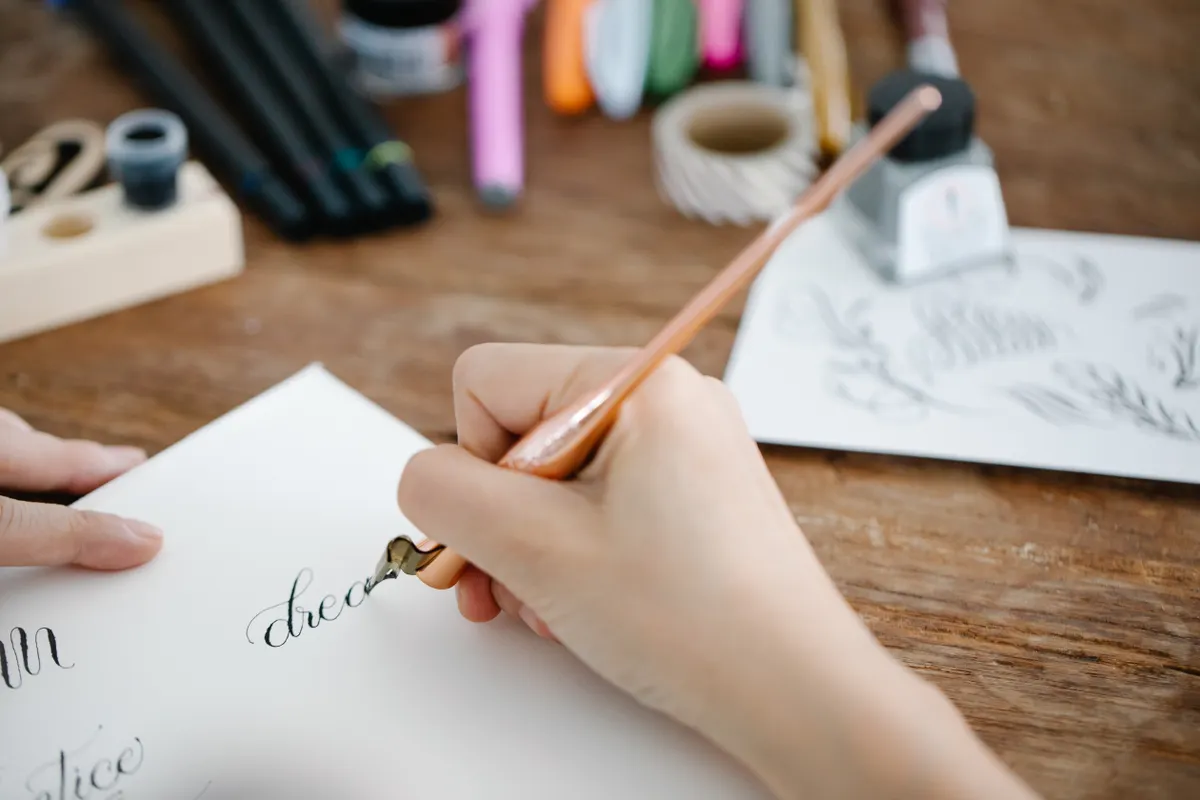
Calligraphy script styles developed differently across regions, tools, and centuries, which is why there are so many distinct alphabets today. A script written with a flat, chisel-shaped nib naturally looks different from one written with a flexible pointed nib, since the tool itself shapes the letters.
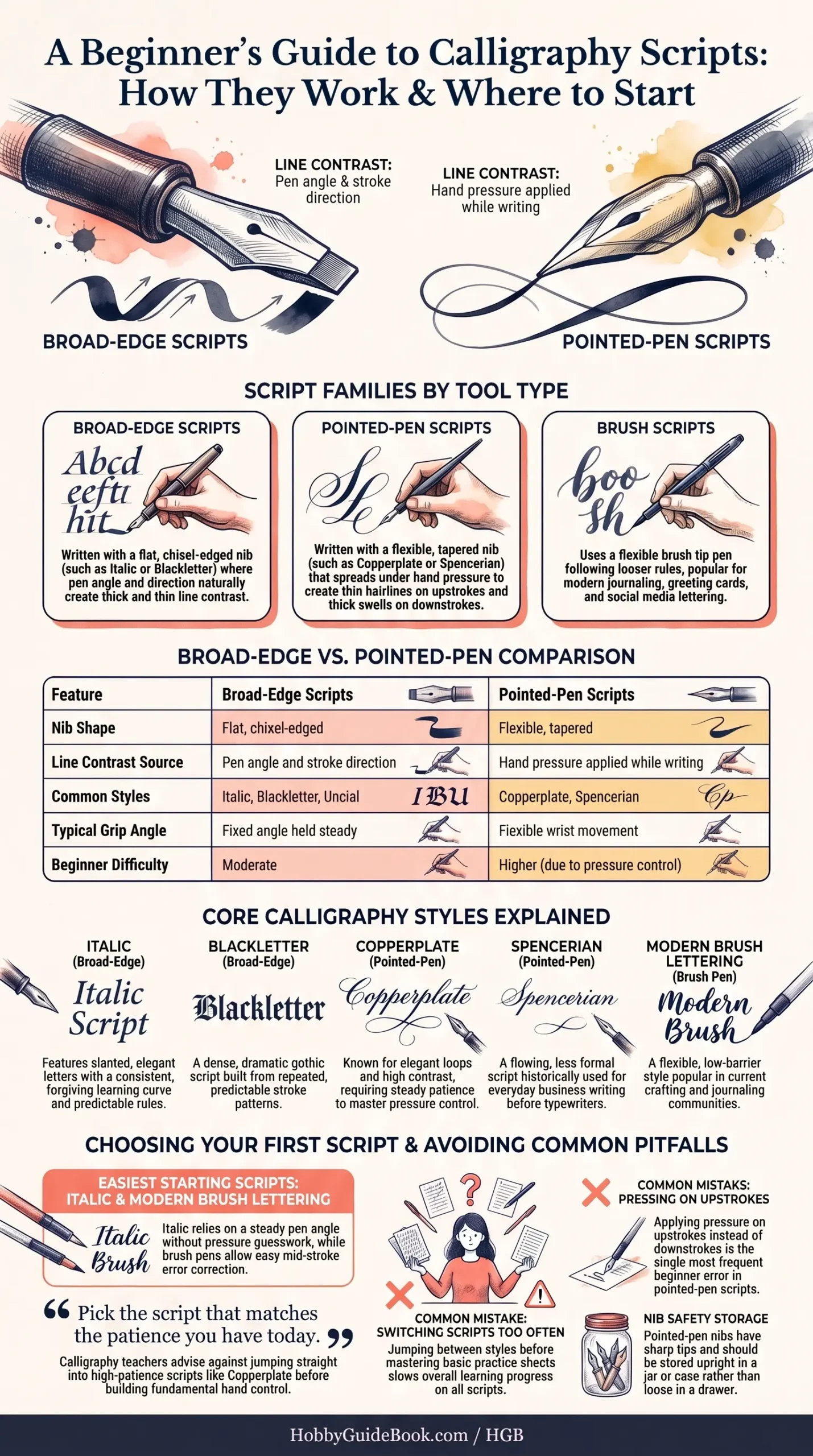
Photo Credit: Hobby Guidebook Editorial
Kinds of calligraphy are not random variations either. Each script follows its own set of rules for letter proportion, slant, and stroke order, refined over long periods of practice by generations of scribes.
How Calligraphy Scripts Are Classified
Most calligraphy alphabets fall into two broad tool-based categories, and understanding this split makes everything else easier to follow.
Broad-edge scripts are written with a flat, angled nib, like the kind used for Italic or Blackletter lettering. The nib's flat edge naturally creates thick and thin strokes depending on the direction you pull it across the page.
Pointed-pen scripts are written with a flexible, tapered nib, like the kind used for Copperplate or Spencerian lettering. The nib spreads apart under pressure, creating thin hairlines on upstrokes and thick swells on downstrokes.
A newer, less formal category has grown alongside these traditional ones too.
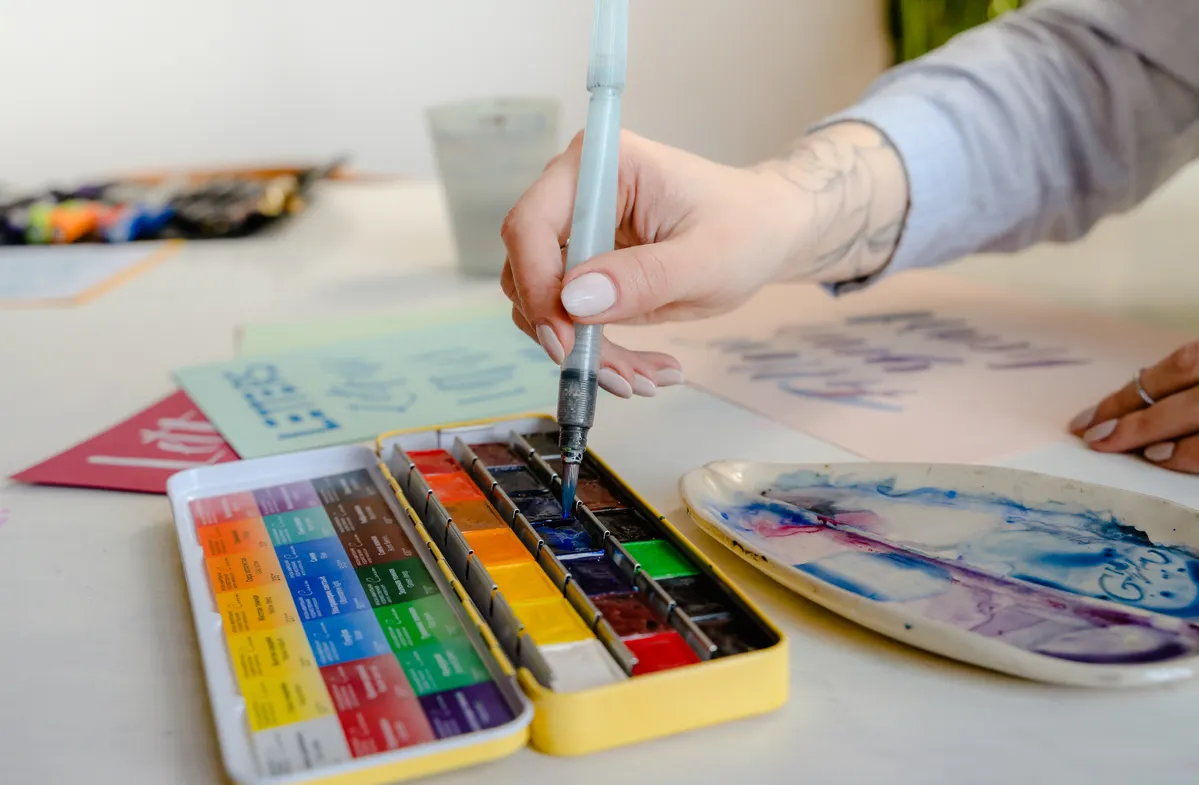
Brush scripts, most commonly modern brush lettering, use a flexible brush tip pen instead of a metal nib. These follow looser rules and have become especially popular for cards, journaling, and social media style lettering.
The Difference Between Pointed-Pen and Broad-Edge Scripts
This distinction confuses a lot of beginners, so let's break it down clearly.
|
Feature |
Broad-Edge Scripts |
Pointed-Pen Scripts |
|
Nib shape |
Flat, chisel-edged |
Flexible, tapered |
|
Line contrast source |
Pen angle and direction |
Pressure applied while writing |
|
Common styles |
Italic, Blackletter, Uncial |
Copperplate, Spencerian |
|
Typical grip angle |
Fixed angle held steady |
More flexible wrist movement |
|
Beginner difficulty |
Moderate |
Higher, due to pressure control |
The way each nib creates contrast really is the whole story here. Broad-edge nibs get their thick and thin lines just from the angle you hold them, while pointed pens rely entirely on how much pressure your hand applies stroke by stroke.
Main Calligraphy Script Styles to Know
Here is a walkthrough of the calligraphy alphabets most beginners will encounter early on.
- Italic. A broad-edge script known for its slanted, elegant letters and relatively forgiving learning curve. Many teachers recommend starting here since the rules are consistent and the tool is simple to control.
- Blackletter. A dense, dramatic broad-edge script often associated with formal or gothic style pieces. It looks intimidating but is actually built from repeated, predictable strokes once you learn the pattern.
- Copperplate. A pointed-pen script known for its elegant loops and dramatic thick and thin contrast. This one takes real patience, since pressure control does not come naturally to most beginners right away.
- Spencerian. Another pointed-pen script, slightly more flowing and less formal than Copperplate, historically used for everyday business writing before typewriters existed.
- Modern brush lettering. A flexible, less rule-bound style using brush pens instead of metal nibs, popular for greeting cards, journaling, and hand lettered quotes.
For a deeper walkthrough of the actual hand movements and pen control behind each of these styles, calligraphy scripts and lettering styles explained goes further into technique specifics.
Which Calligraphy Scripts Are Easiest for Beginners
Italic and modern brush lettering are widely considered the easiest starting points, and I generally agree based on what I have watched students struggle with over the years.
Italic uses a broad-edge nib held at one consistent angle, which removes a lot of guesswork compared to pressure-based scripts. Modern brush lettering skips the specialty nib entirely, using a flexible brush pen that beginners tend to pick up faster since mistakes are easier to correct mid-stroke.
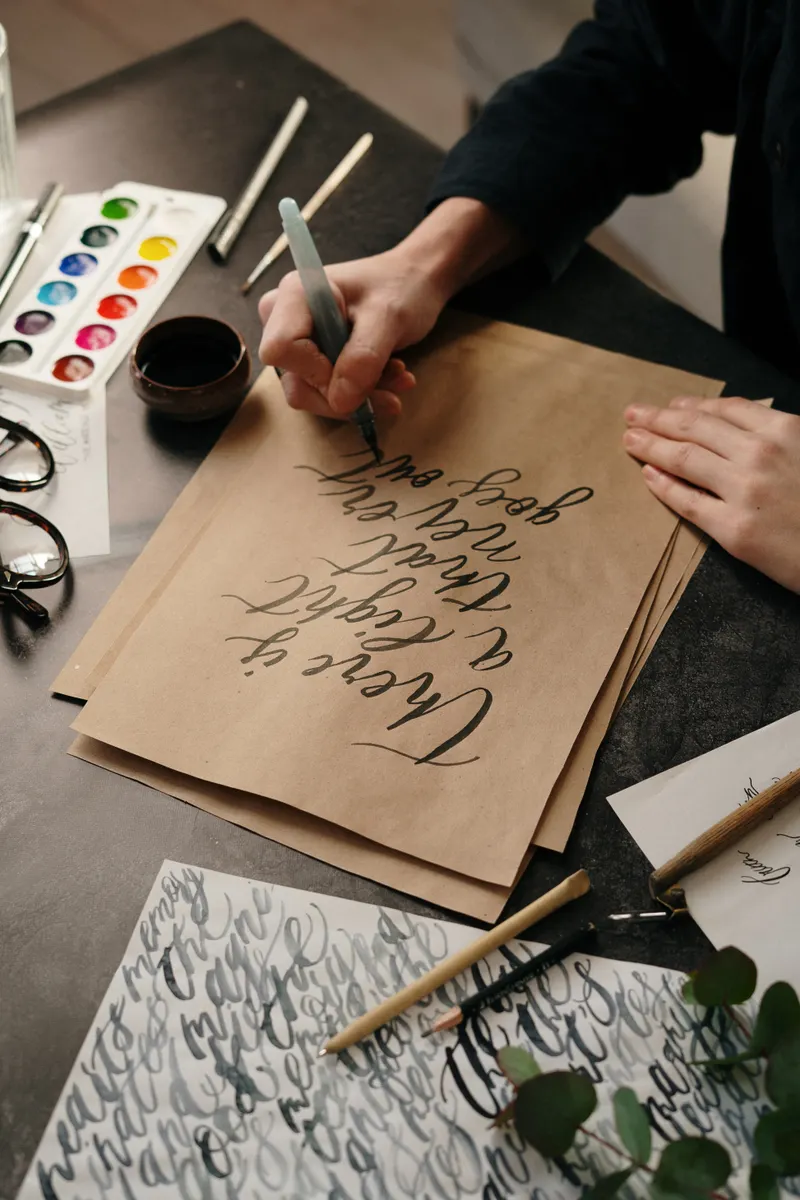
Photo Credit: cottonbro studio
"Pick the script that matches the patience you have today, not the one that looks the most impressive online." That advice gets repeated often among calligraphy teachers, and it holds up well for anyone tempted to jump straight into Copperplate before their hand is ready for it.
Copperplate and Spencerian, by comparison, ask a lot of your hand right away. Pressure control takes weeks of steady practice before it starts to feel natural, and rushing this stage is genuinely the most common mistake I see.
Common Mistakes When Learning a New Script
- Switching scripts too often. Jumping between Italic, Copperplate, and brush lettering before finishing basic practice sheets slows progress on all three.
- Ignoring pen angle consistency. Broad-edge scripts especially fall apart quickly if the nib angle shifts letter to letter.
- Applying pressure incorrectly on pointed pens. Pressing down on upstrokes instead of downstrokes is probably the single most common beginner mistake with Copperplate.
- Skipping proper terminology. Understanding words like baseline, x-height, and ascender makes following any tutorial much easier later on. Calligraphy and lettering terminology covers these terms in plain language if any of this guide felt unfamiliar.
A quick safety note fits here too. Pointed pen nibs are genuinely sharp at the tip, so store them upright in a jar or case rather than loose in a drawer where fingers might brush against them.
Which Calligraphy Scripts Are Most Commonly Practiced Today
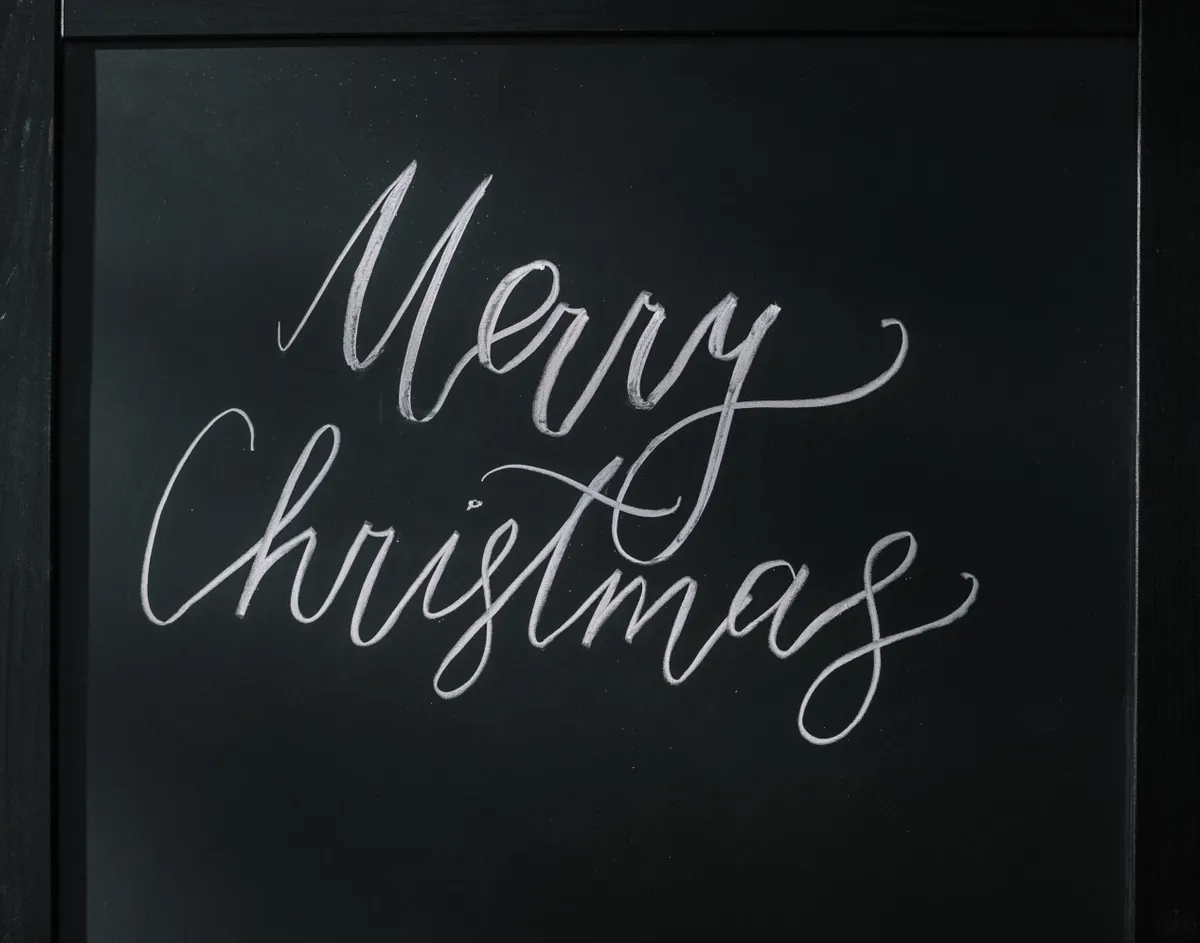
Modern brush lettering is almost certainly the most widely practiced style today, largely thanks to its low barrier to entry and popularity in journaling and card making communities. Copperplate remains extremely popular too, especially among hobbyists drawn to its elegant, formal look for wedding invitations and fine art pieces.
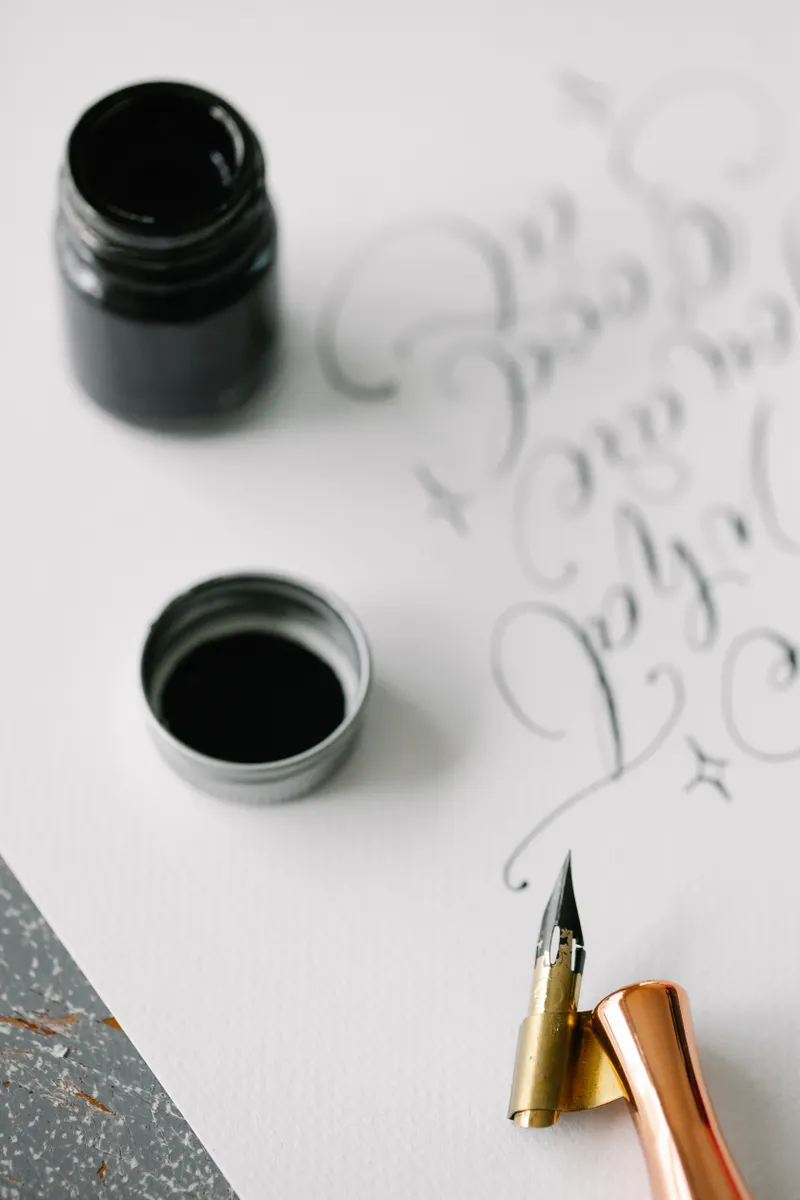
Photo Credit: Katya Wolf
Italic still holds a steady following as well, partly because it is often taught first in classes and partly because its rules translate well into modern hand lettering projects.
Frequently Asked Questions
What are the main types of calligraphy scripts? The main types include broad-edge scripts like Italic and Blackletter, pointed-pen scripts like Copperplate and Spencerian, and modern brush lettering styles.
How are calligraphy scripts classified? Calligraphy scripts are mainly classified by tool type, broad-edge nib scripts versus pointed-pen scripts, along with newer brush pen based styles.
What is the difference between pointed-pen and broad-edge scripts? Broad-edge scripts get their thick and thin lines from nib angle, while pointed-pen scripts rely on hand pressure to create line contrast.
Which calligraphy scripts are easiest for beginners? Italic and modern brush lettering are generally considered the easiest starting points, since both involve more forgiving tools and consistent rules.
Which calligraphy scripts are most commonly practiced today? Modern brush lettering and Copperplate are the most widely practiced styles today, followed closely by Italic in classroom and beginner settings.
Choosing Your First Script
There is no single correct starting script, only the one that matches your patience and goals right now. Pick something forgiving, stick with it through a few weeks of practice sheets, and let your hand tell you when it is ready for something harder.
For more on tools, technique, and the full range of scripts across this hobby, read the full calligraphy and hand lettering guide.




Leave a Reply