
If your first Spencerian letters look stiff, the problem usually started before you wrote a single one. Your hand was cold. A few minutes of Spencerian warm-up drills loosen your arm, set your slant, and get the pen moving smoothly, so the real letters come out calmer.
This guide is part of Spencerian Calligraphy. You will learn which drills to do, why ovals matter so much, how long a warm-up should last, and what to practice before full letters.
I still have the first alphabet sheet I ever filled in, ink blotches and all. The pages that looked best were always the ones that came after a few plain rows of warm-up lines.
Spencerian Warm-Up Drills: What This Covers
Spencerian is a flowing pointed-pen script, named after Platt Rogers Spencer, who taught handwriting in the United States in the 1800s. It is lighter and more oval than some other pointed-pen hands, and it leans on smooth arm movement. Details differ between teachers and books, so treat what follows as a general guide.
Warm-ups are short, simple exercises that build the habits the script needs: steady slant, even pressure, and a relaxed arm. They are not the letters themselves. They are the practice that makes the letters easier.
|
Drill |
What it trains |
|
Slanted straight lines |
Slant and steady pressure |
|
Push-pull lines |
Smooth up and down arm movement |
|
Single ovals |
Round, even curves |
|
Connected ovals in a row |
Rhythm and spacing |
|
Simple connecting curves |
Joining strokes without stopping |
Exact slant and drill names vary. Many teachers cite a slant near 52 degrees for Spencerian, but follow the guide sheet for the version you are learning.
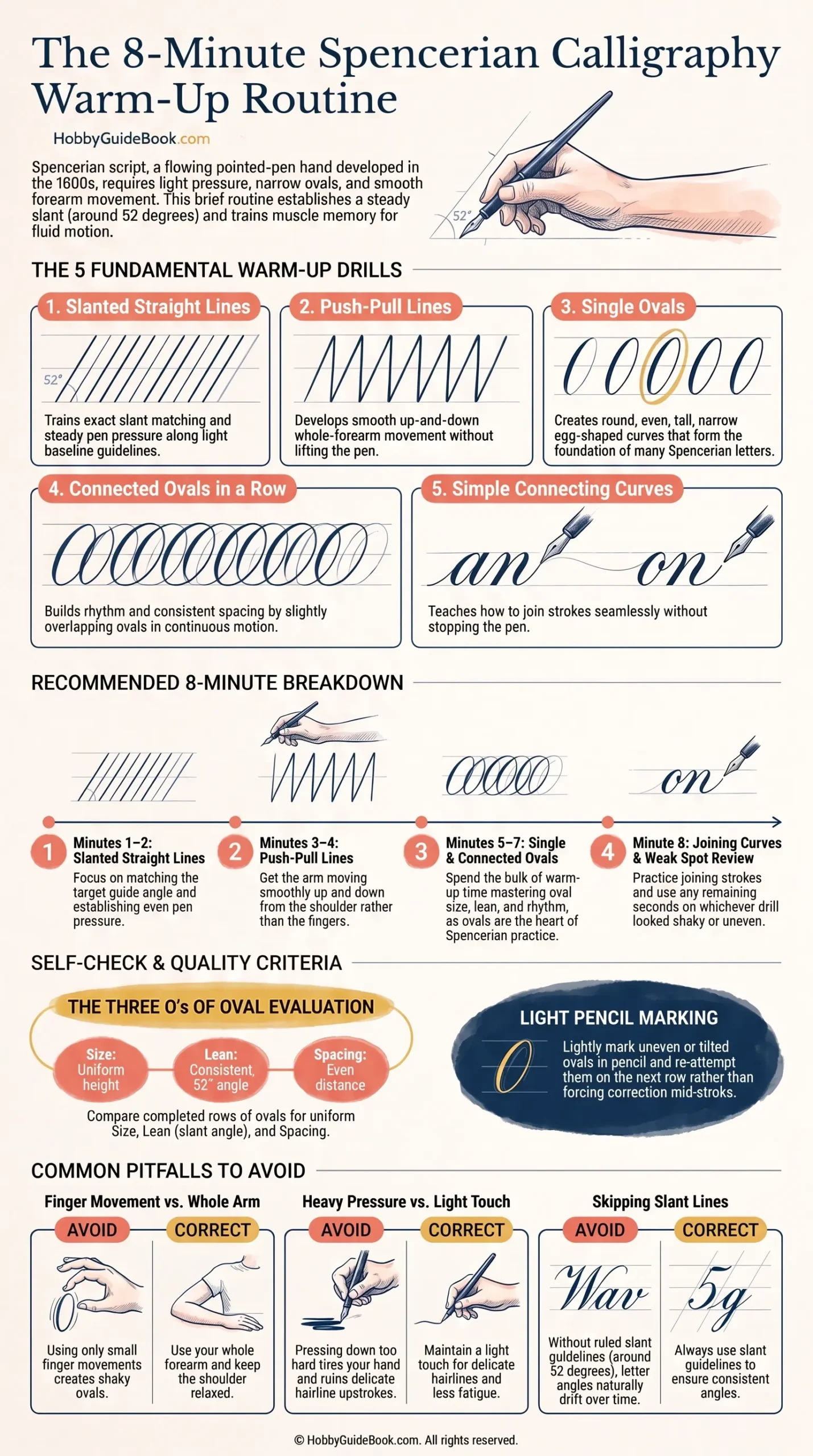
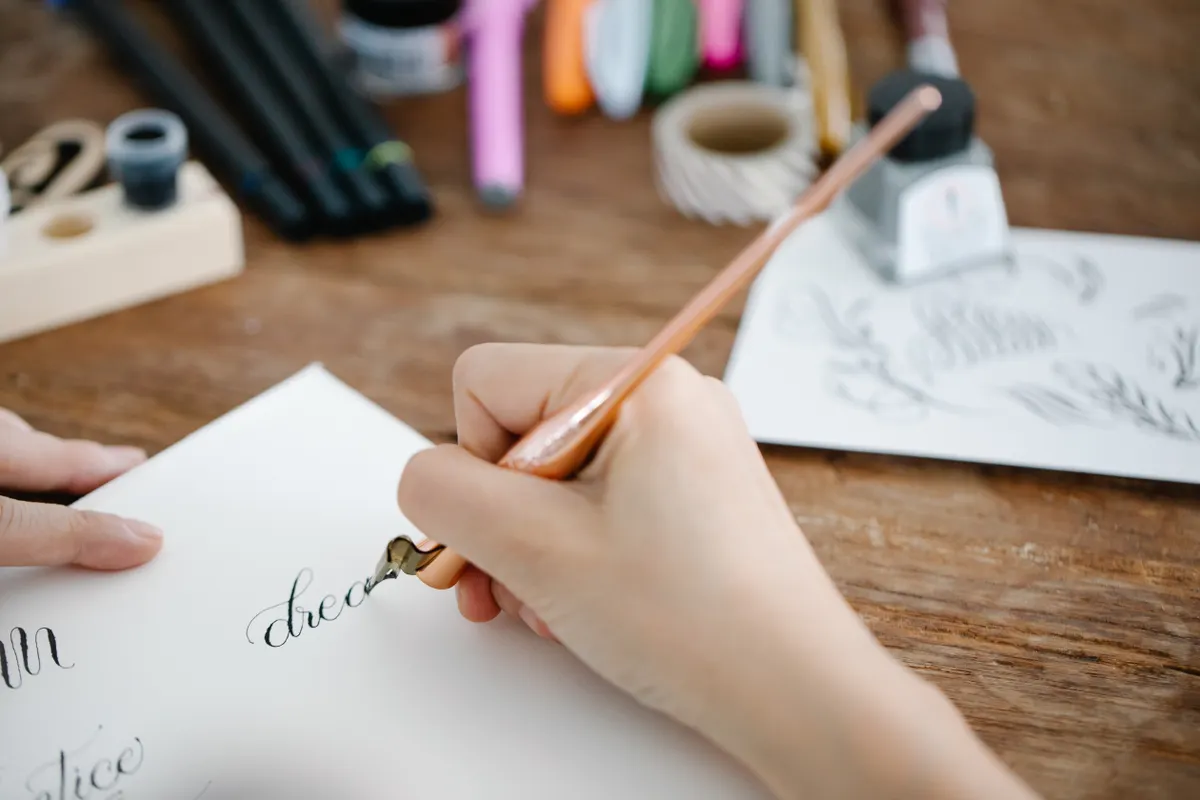
Photo Credit: Hobby Guidebook Editorial
Step-by-Step Practice
Here is a simple warm-up you can finish in one short sitting. Keep your pen light, and use your whole forearm instead of just your fingers.
- Rule your guidelines. Draw light pencil lines for the baseline and your slant.
- Draw slanted straight lines. Fill a row, matching each line to the slant lines.
- Try push-pull lines. Move the pen up and down in one smooth motion, without lifting.
- Draw single ovals. Make each one tall, narrow, and egg-shaped, then repeat.
- Link ovals in a row. Let them overlap slightly, and keep the rhythm even.
- Add connecting curves. Join simple strokes into a flowing line.
Take your time at each step. If a row looks shaky, slow down instead of pressing harder. A loose grip and a relaxed shoulder do more than force ever will.
Why Are Oval Exercises Important?
Oval exercises are the heart of Spencerian practice. Many letters are built on an oval or its curves, so a smooth oval is like a small version of the whole alphabet. Spencerian oval exercises also train your arm to move in rolling circles, which keeps your slant steady.
If your ovals are even in size and lean, your letters usually follow. If they wobble, your letters will wobble too, so this is the drill worth repeating most.
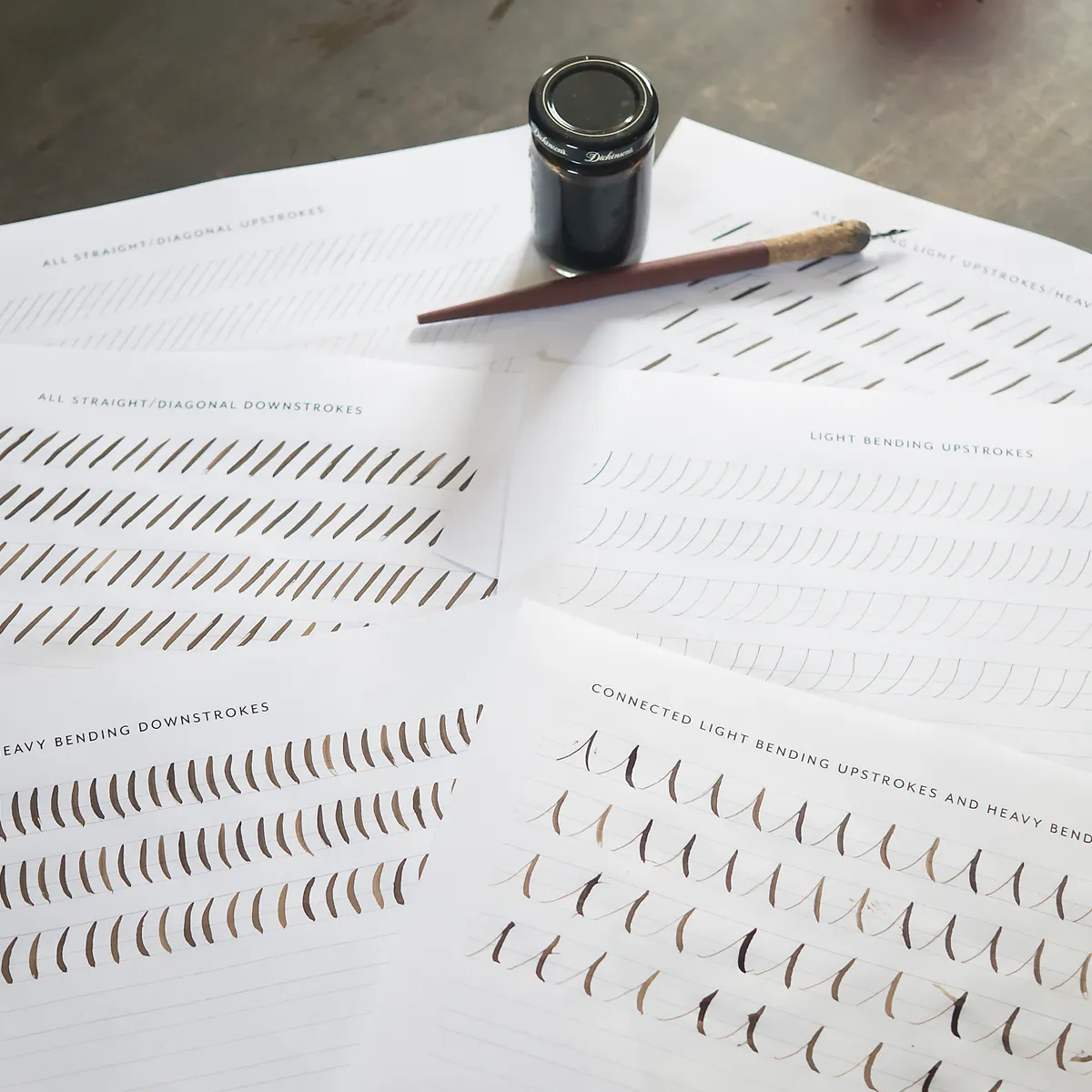
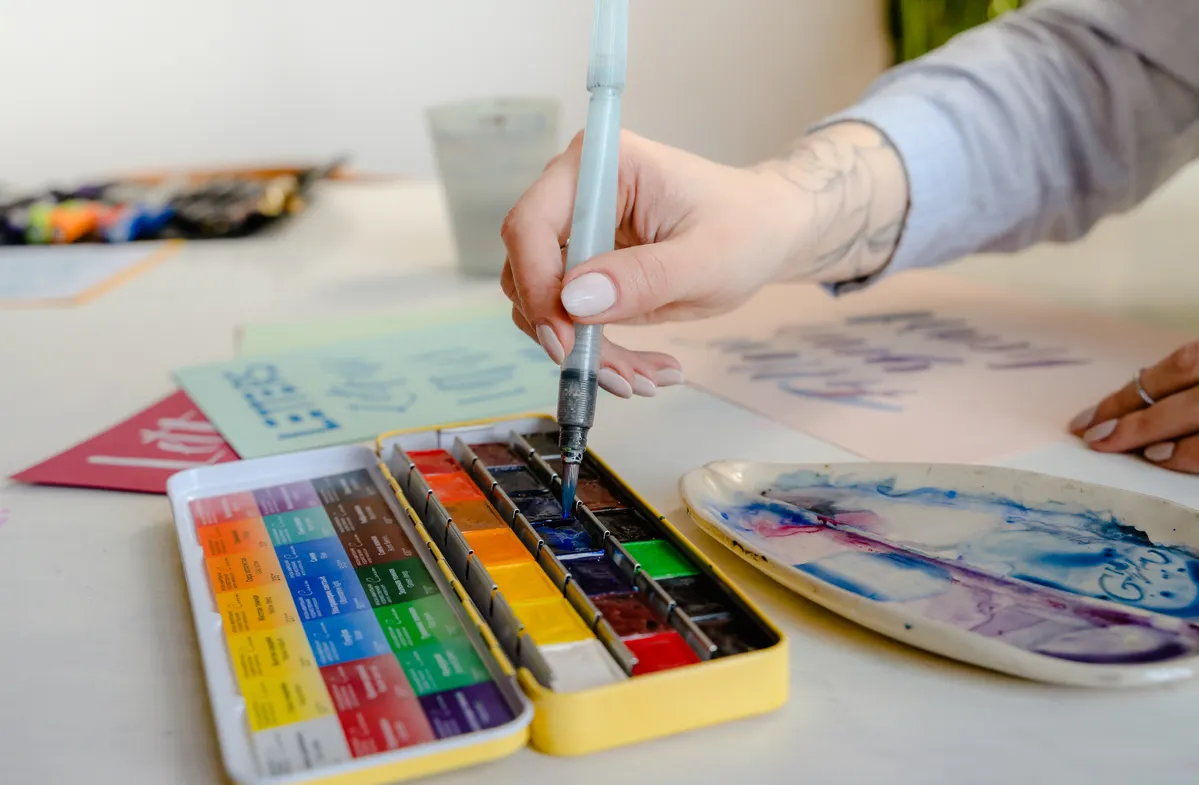
Photo Credit: Emily Palmer
How Long Should a Warm-Up Take?
Five to ten minutes is a sensible start for most people. Think of it like stretching before exercise: short, light, and regular. If your hand gets tired, stop and rest. You can also use the general ideas in how to warm up before a calligraphy session, which works for any script.
Here is one way to split an eight minute warm-up: two minutes of slanted lines, two of push-pull lines, three of ovals, and one for joining curves. Spend any spare time on whichever drill looked weakest. That keeps the routine short, but it still touches every skill.
To check your progress, look at a row of ovals and compare three things: size, lean, and spacing. If one oval is wider or tilts the wrong way, that is the stroke to repeat. Mark it lightly in pencil, and try again on the next line.
Pointed nibs are sharp, so keep the tip away from your fingers and cover it when you finish. Ink stains, too, so protect your desk and sleeves.
What Should You Practice Before Full Letters?
Aim to feel comfortable with slant, ovals, and a few joining curves before you move on. Once those feel steady, start with simple lowercase shapes, and save capitals for later. When you reach them, Spencerian capital letters covers them in detail.
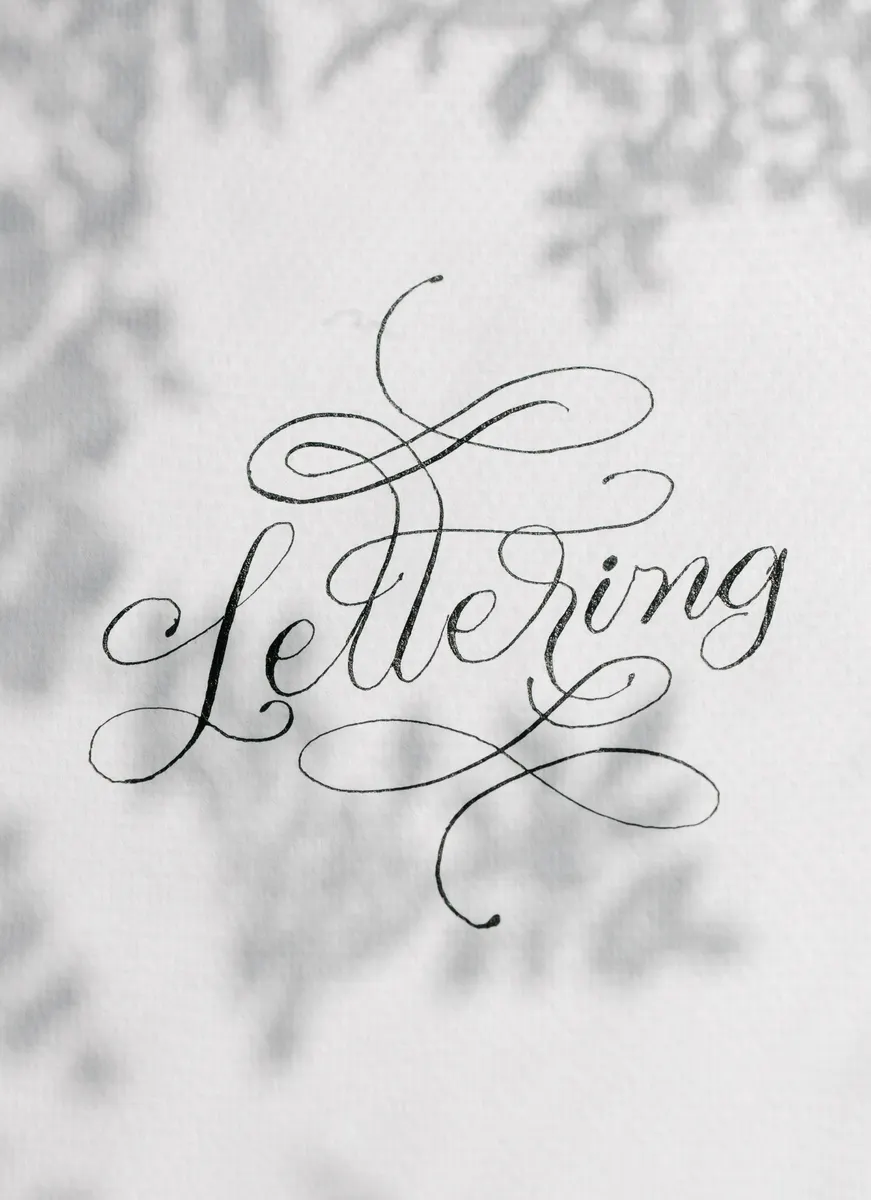
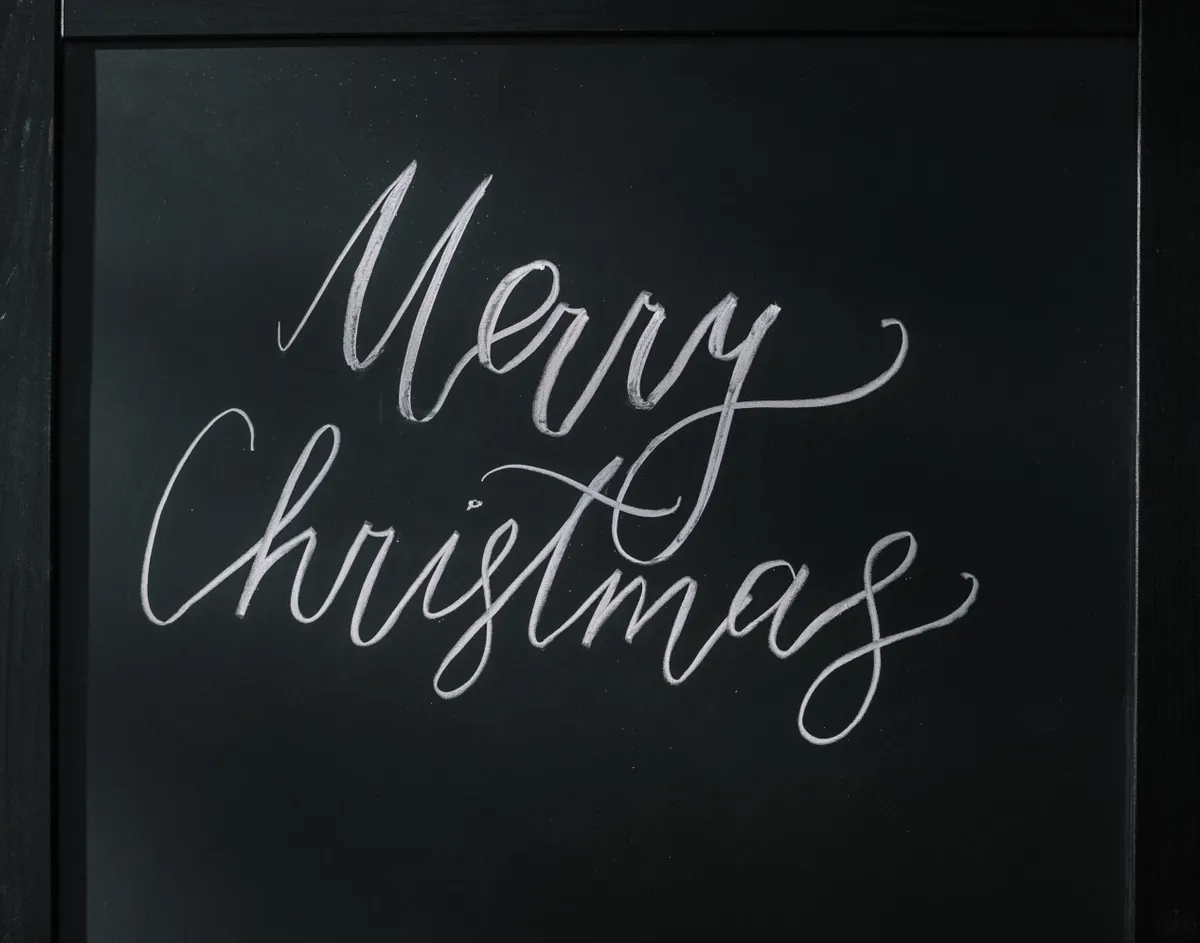
Photo Credit: Katya Wolf
Common Uses
Warm-up drills fit anywhere you want smoother lines. Many learners use them at the start of each session, before a certificate, an invitation, or a short quote. Because the drills are simple, they also work as a quick check on whether your pen, ink, and paper are behaving.
Common Mistakes to Avoid
- Pressing too hard. It tires your hand and ruins thin lines.
- Using only your fingers. Small finger moves make shaky ovals.
- Skipping the slant lines. Slant drifts without them.
- Rushing. Slow strokes teach your arm the motion.
Warm up slow, and the rest of the page goes faster.
It is a small habit with a steady payoff. A calm first row sets the tone for everything after it.
Frequently Asked Questions
What warm-up drills are useful for Spencerian practice?
Slanted straight lines, push-pull lines, single ovals, connected ovals, and simple connecting curves.
Why are oval exercises important in Spencerian?
Many letters are built from oval shapes, and ovals train smooth arm movement and steady slant.
How long should a Spencerian warm-up take?
About five to ten minutes is a good starting point. Stop sooner if your hand gets tired.
What should you practice before full Spencerian letters?
Slant lines, ovals, and a few joining curves, until they look steady.
Start With One Row of Ovals
You do not need a long routine. Rule your slant, draw one even row of ovals, and notice how your arm feels.
When you are ready for the bigger picture, read the full calligraphy & hand lettering guide.


Leave a Reply