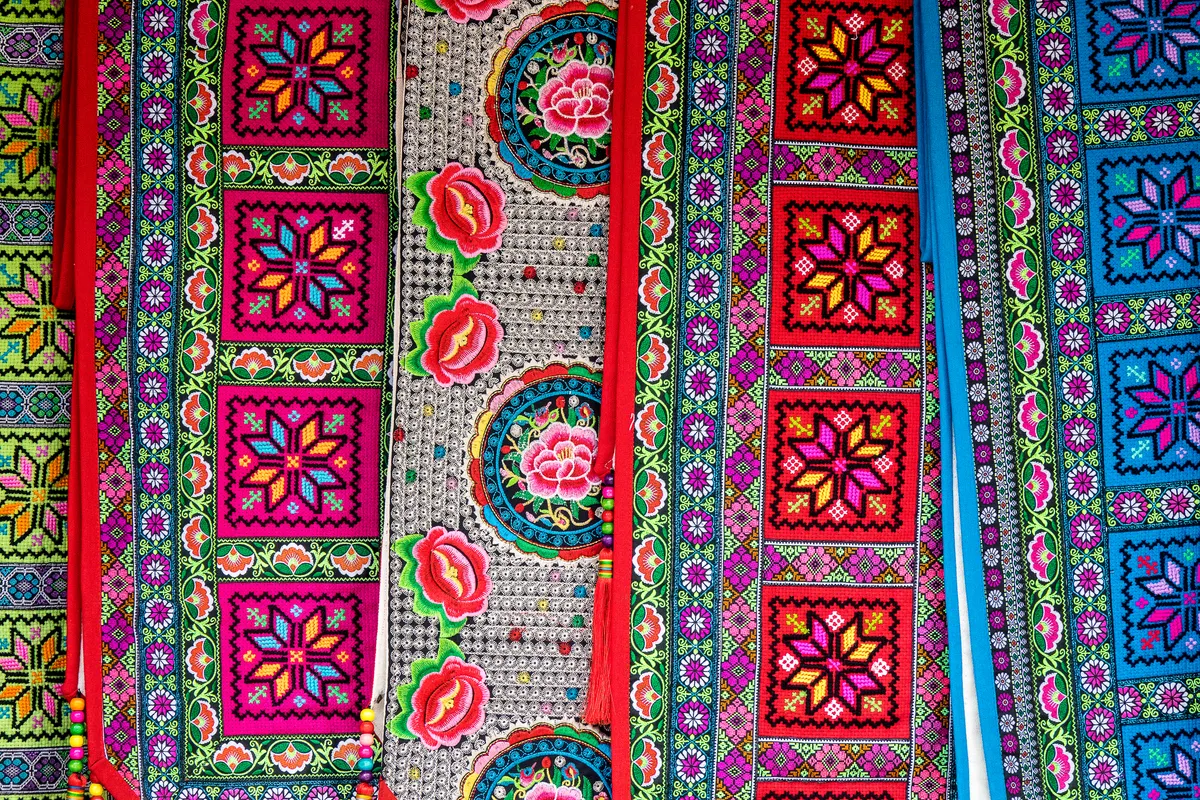
Stitch a perfect French knot on the wrong fabric and it still won't look right, since fabric that's too loose lets stitches sink in while fabric that's too stiff fights the needle the whole way through. Choosing the right embroidery fabric matters just as much as the stitches themselves.
This article is part of our Embroidery & Cross-Stitch Materials & Tools Guide, and it covers fabric types, weight, and how to avoid the most common fabric-related headaches.
What Types of Embroidery Fabric Are Best for Embroidery?
The best fabric for embroidery tends to be a tightly woven natural fabric like cotton, linen, or even-weave fabric made specifically for counted work. These fabrics hold their shape under a hoop and give the needle enough resistance to keep stitches sitting neatly on the surface.
Loosely woven fabrics or very stretchy knits work against you, since they shift under tension and distort your stitch placement as you go.
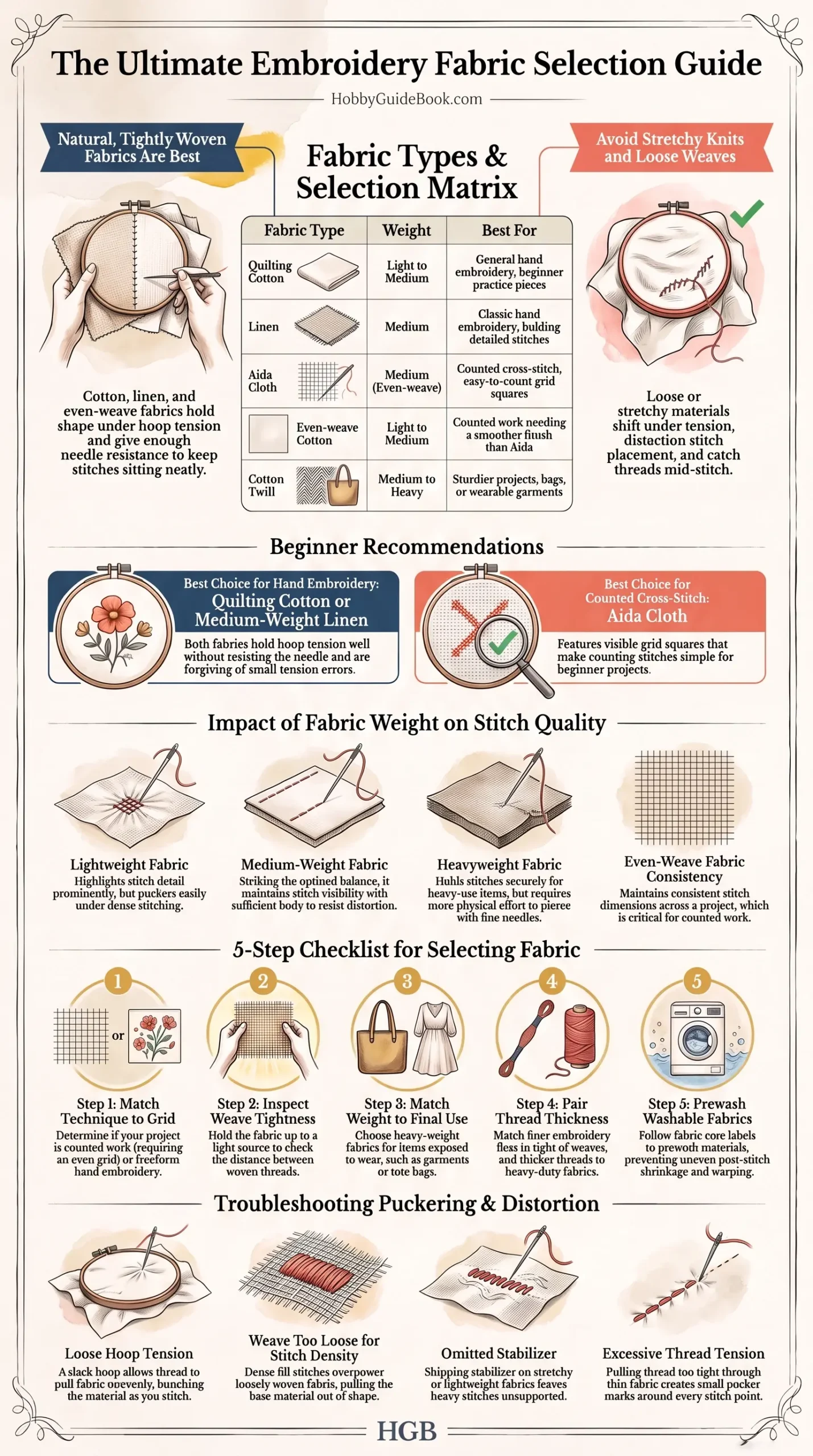
Photo Credit: Hobby Guidebook Editorial
Why Fabric Choice Gets Overlooked
I've unpicked more knotted thread than I'd like to admit, and for a long time I assumed every snag was a thread problem. It wasn't always. Some of that fraying came straight from fabric with a rough or loose weave that caught the thread mid-stitch.
Most beginner frustration traces back to tension, not skill, and fabric plays a bigger role in that tension than people expect, since fabric that won't hold a hoop firmly undermines every stitch that follows.
What Fabric, Thread, and Needle Work Best?
Fabric choice pairs closely with thread and needle, and picking one without the other two rarely works out well.
|
Fabric Type |
Weight |
Best For |
|
Quilting cotton |
Light to medium |
General hand embroidery, beginner practice pieces |
|
Linen |
Medium |
Classic hand embroidery, holds detailed stitches well |
|
Aida cloth |
Medium, even-weave |
Counted cross-stitch, easy to count grid squares |
|
Even-weave cotton |
Light to medium |
Counted work needing a smoother finish than Aida |
|
Cotton twill |
Medium to heavy |
Sturdier projects, bags, or garments |
How Do You Choose Embroidery Fabric for a Project?
Picking fabric comes down to matching it to your project type and stitch technique.
- Decide on hand embroidery or cross-stitch first, since counted work needs an even grid while hand embroidery doesn't.
- Check the fabric's weave tightness, holding it up to light to see how much space sits between threads.
- Match weight to your project's final use, choosing heavier fabric for items that'll see wear, like bags or clothing.
- Consider your thread thickness, pairing finer thread with tighter weaves and thicker thread with sturdier fabric.
- Prewash fabric if it's meant for washing later, preventing shrinkage from distorting your finished piece after the fact.
For guidance on which thread pairs best with each fabric, our embroidery floss and thread types guide breaks down strand count and weight matching in detail.
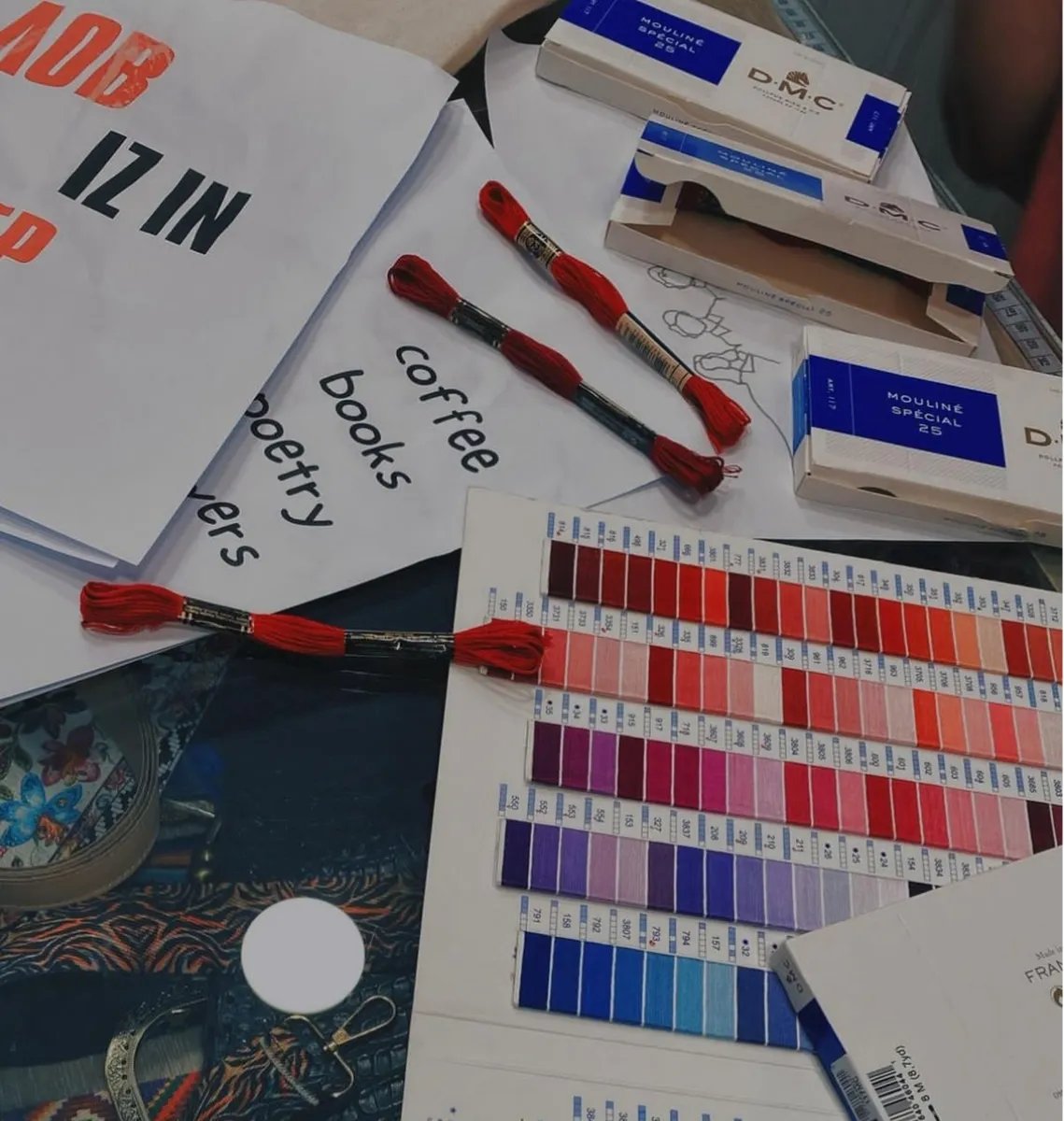
Photo Credit: Paraskevi Vafiadou
Which Embroidery Fabric Is Easiest for Beginners?
Quilting cotton or medium-weight linen is generally easiest for beginners, since both hold a hoop well without being difficult to pierce with a needle. Aida cloth is the easiest choice specifically for counted cross-stitch, since its visible grid squares make counting stitches simple.
Both options are widely available and forgiving enough that small tension mistakes won't ruin the whole piece.
How Does Fabric Weight Affect Stitch Quality?
Embroidery fabric weight changes how stitches sit on the surface and how much resistance the needle meets going through.
- Lightweight fabric shows stitches more prominently but can pucker easily under dense stitching
- Medium weight fabric balances stitch visibility with enough body to resist distortion
- Heavyweight fabric holds stitches securely but takes more effort to pierce, especially with finer needles
- Even-weave fabric keeps stitch size consistent across a design, which matters most in counted cross-stitch
"Fabric is the stage your stitches perform on." That's held true across my own projects, since even a beautifully stitched design looks off if the fabric underneath fights against it rather than supporting it.
What Fabric Problems Can Cause Puckering or Distortion?
A few fabric issues cause most of the puckering beginners run into.
- Fabric hooped too loosely, letting stitches pull unevenly and bunch fabric as you work
- Weave too loose for the stitch density, allowing heavy fill stitches to distort the base fabric
- Skipping stabilizer on stretchy or lightweight fabric, leaving nothing to support dense stitching underneath
- Pulling thread too tight through thin fabric, creating small puckers around each stitch
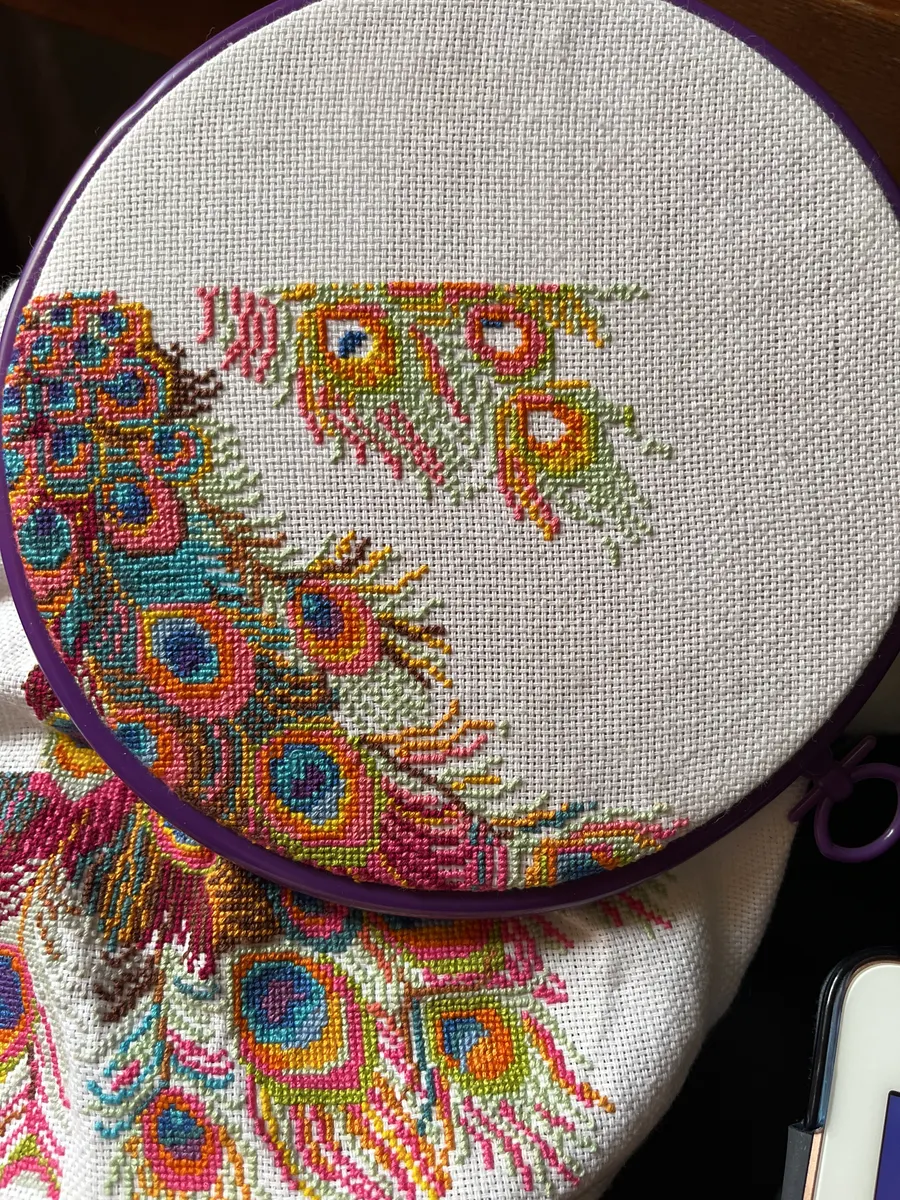
Photo Credit: Olha Krutii
Safety note: when prewashing fabric, follow the care label closely, since hot water on certain natural fibers can shrink fabric unevenly and warp your project before you've even started stitching.
If your project involves stretchy fabric or dense machine stitching, our stabilizers and interfacing guide covers how to support fabric properly before you begin.
Frequently Asked Questions
What types of embroidery fabric are best for embroidery? Tightly woven natural fabrics like cotton, linen, and even-weave fabric work best, since they hold their shape and support clean stitches.
How do you choose embroidery fabric for a project? Match fabric to your technique, check weave tightness, consider final use, pair it with the right thread weight, and prewash if needed.
Which embroidery fabric is easiest for beginners? Quilting cotton or medium-weight linen works well for hand embroidery, while Aida cloth is easiest for counted cross-stitch.
How does fabric weight affect stitch quality? Lighter fabric shows stitches clearly but puckers easily, while heavier fabric resists distortion but takes more effort to stitch through.
What fabric problems can cause puckering or distortion? Loose hooping, weave too loose for stitch density, skipped stabilizer, and overly tight thread pulls are the most common causes of puckering.
Final Thoughts
Embroidery fabric sets the foundation for everything that happens after it, from tension to how clean your finished stitches look. Start with a reliable cotton or linen, get a feel for how it holds a hoop, and choosing fabric for trickier projects will come naturally after that.
For more on getting started, read the full embroidery & cross-stitch guide.



Leave a Reply