
You walk into a craft store ready to pick up a needle hobby, and suddenly you're staring at two aisles that look almost the same but clearly aren't. Embroidery vs cross-stitch is one of the most common beginner questions in this craft, and the difference actually comes down to something pretty simple once you see it laid out.
This article is part of our Common Embroidery & Cross-Stitch Questions & Comparisons, and it breaks down how these two crafts differ in tools, skill level, and finished look, so you can figure out which one to start with.
What Is the Main Difference Between Embroidery and Cross-Stitch?
Embroidery is a broad category of decorative stitching that includes techniques like satin stitch, French knots, and stem stitch, usually worked freehand from a printed or traced design. Cross-stitch is a specific technique within that category, built entirely from small X shaped stitches worked off a charted grid, one square at a time.
Think of it this way: cross-stitch is one particular stitch style, while embroidery covers dozens of stitch styles cross-stitch included. I've unpicked more knotted thread than I'd like to admit in both, and honestly, most of that frustration in either craft comes back to tension, not which one you picked.

Photo Credit: Hobby Guidebook Editorial
If you want a deeper look at the freehand side of things, our what is embroidery guide walks through the stitch types and how designs come together. On the counted side, our what is cross-stitch guide covers how charts and grids work in more detail.
Which Option Is Easier for Beginners?
Cross-stitch tends to be easier for total beginners because the pattern tells you exactly where to place each stitch, square by square. There's less guesswork, and mistakes are usually easy to spot since everything follows the grid.
Embroidery has a slightly steeper learning curve since it involves multiple stitch types, each with its own hand motion and tension feel. That said, embroidery also offers more room for expressive, freehand work once you're comfortable with the basics.
How Do the Tools and Materials Compare?
Both crafts share some core supplies, but a few key differences show up once you compare them side by side.
|
Item |
Embroidery |
Cross-Stitch |
|
Fabric |
Plain woven fabric, often cotton or linen |
Aida cloth, chosen for its visible grid holes |
|
Needle |
Embroidery needle, sharp point |
Tapestry needle, blunt tip |
|
Thread |
Stranded cotton floss, various stitch styles |
Stranded cotton floss, mainly full cross stitches |
|
Pattern |
Traced or printed design on fabric |
Charted grid pattern, counted square by square |
|
Hoop |
Common, though not always required |
Common, especially for smaller pieces |
How Do the Finished Results Differ?
Embroidery tends to produce flowing, painterly results, with curved lines, filled shapes, and texture from stitches like French knots or satin stitch. Cross-stitch produces a more pixelated, grid based look, since every design is built from small repeated Xs.
"One is drawing with thread, the other is painting by numbers with thread." That comparison holds up well, since embroidery follows the curve of a design while cross-stitch follows the structure of a grid.
Neither result is better than the other, they just look and feel different depending on what kind of finished piece you're going for.
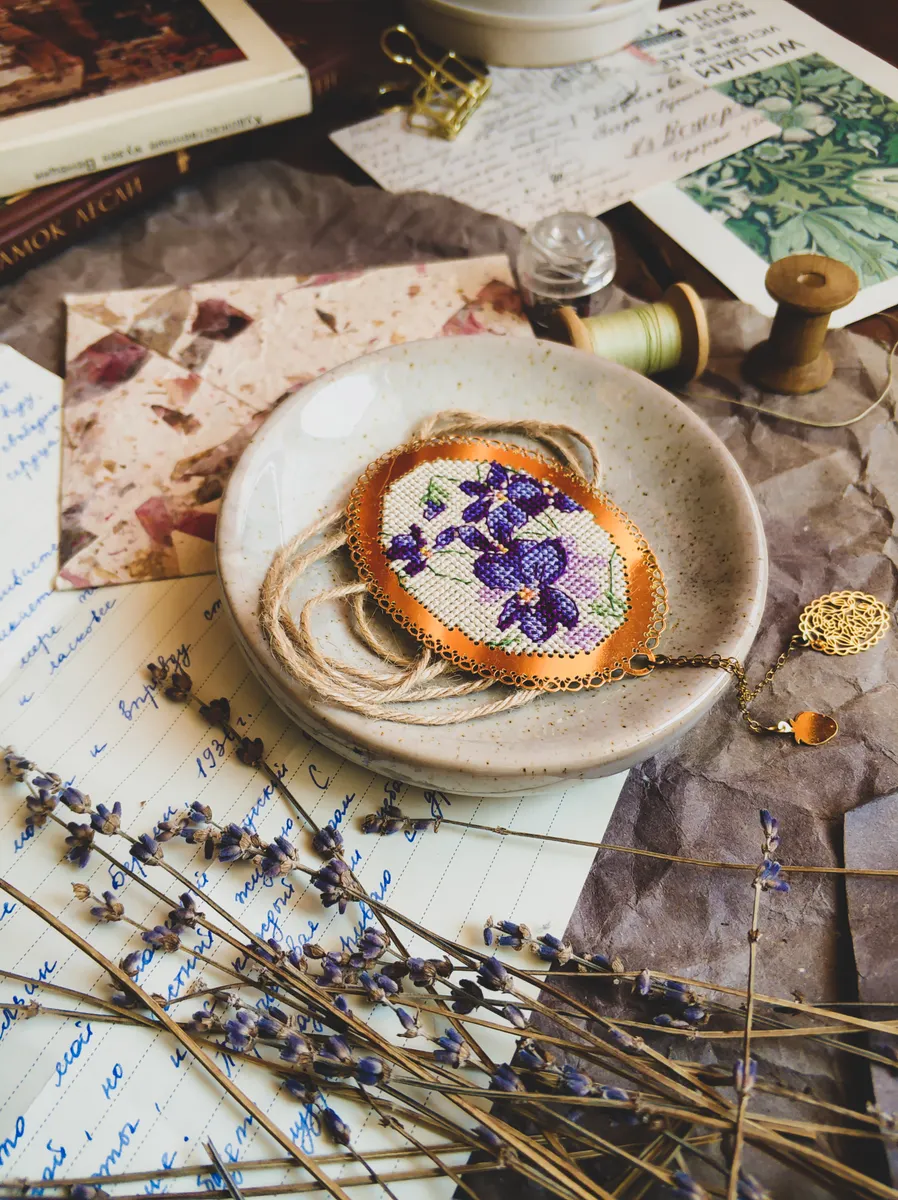
Photo Credit: Olga Kalinina
Which Option Is Better for Detailed Work?
Embroidery generally handles fine detail better, since stitches can curve, taper, and shift direction to follow small design elements like petals or lettering. Cross-stitch detail is limited by the grid itself, so very fine detail requires smaller fabric counts and a lot more stitches to pull off the same effect.
That said, cross-stitch charts can still capture impressive detail through shading and color changes across many small Xs, it just takes more patience and stitch count to get there.
Pro Tips for Choosing Between Them
- Start with cross-stitch if you want clear, guided instructions and less guesswork early on.
- Start with embroidery if you enjoy freehand creativity and don't mind a slightly longer learning curve.
- Try a beginner kit first, since both crafts sell simple practice kits that teach the basics without a big investment.
- Keep a small scissors or snips capped when not in use, especially if stitching around kids or pets nearby.
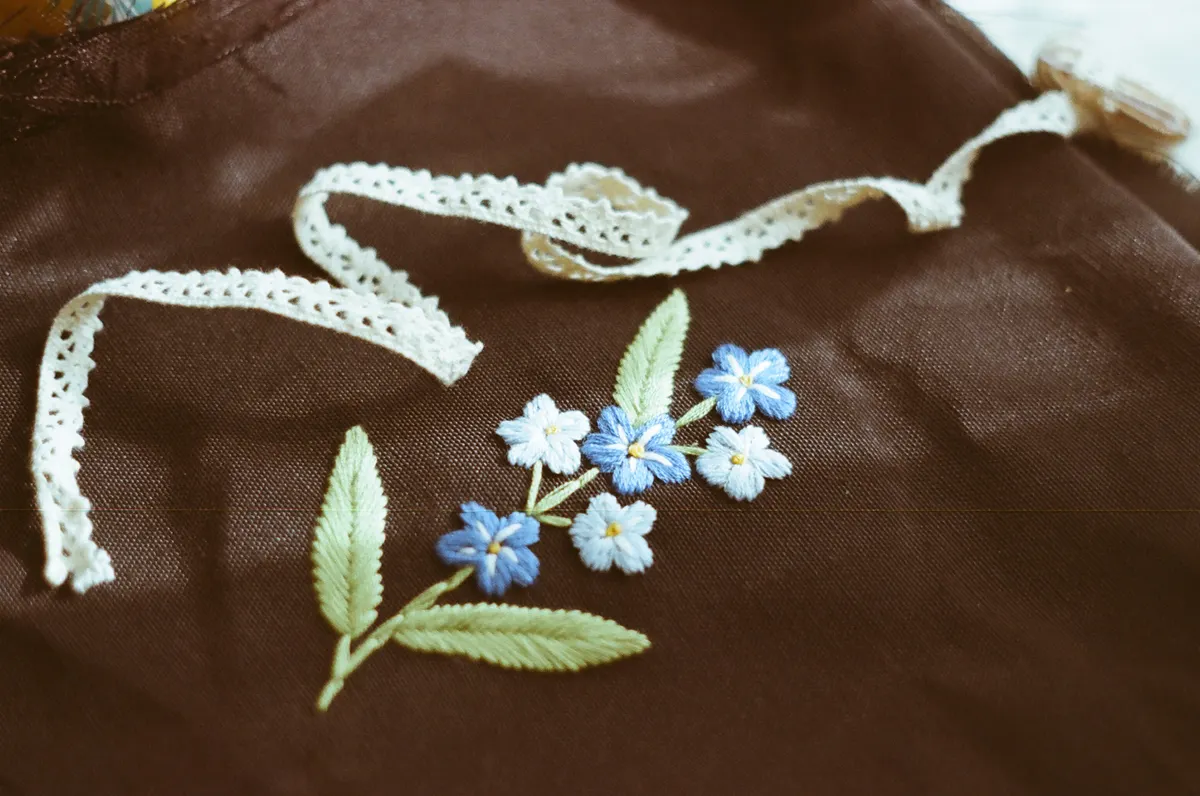
Photo Credit: Katrenur
Frequently Asked Questions
What is the main difference between embroidery and cross-stitch? Embroidery covers many stitch styles worked freehand, while cross-stitch uses one stitch type worked off a charted grid.
Which option is easier for beginners? Cross-stitch is usually easier at first since the pattern tells you exactly where each stitch goes.
How do the tools and materials compare? Both use similar floss and hoops, but cross-stitch relies on Aida fabric and blunt tapestry needles specifically.
How do the finished results differ? Embroidery looks flowing and painterly, while cross-stitch has a pixelated, grid based appearance.
Which option is better for detailed work? Embroidery handles fine detail more naturally, though cross-stitch can achieve detail through smaller counts and more stitches.
Final Thoughts
Embroidery and cross-stitch share a lot of the same tools, but they offer very different creative experiences once you get stitching. Try both if you can, since plenty of stitchers end up loving each one for different reasons.
For more on getting started, check out the full embroidery & cross-stitch guide.



Leave a Reply