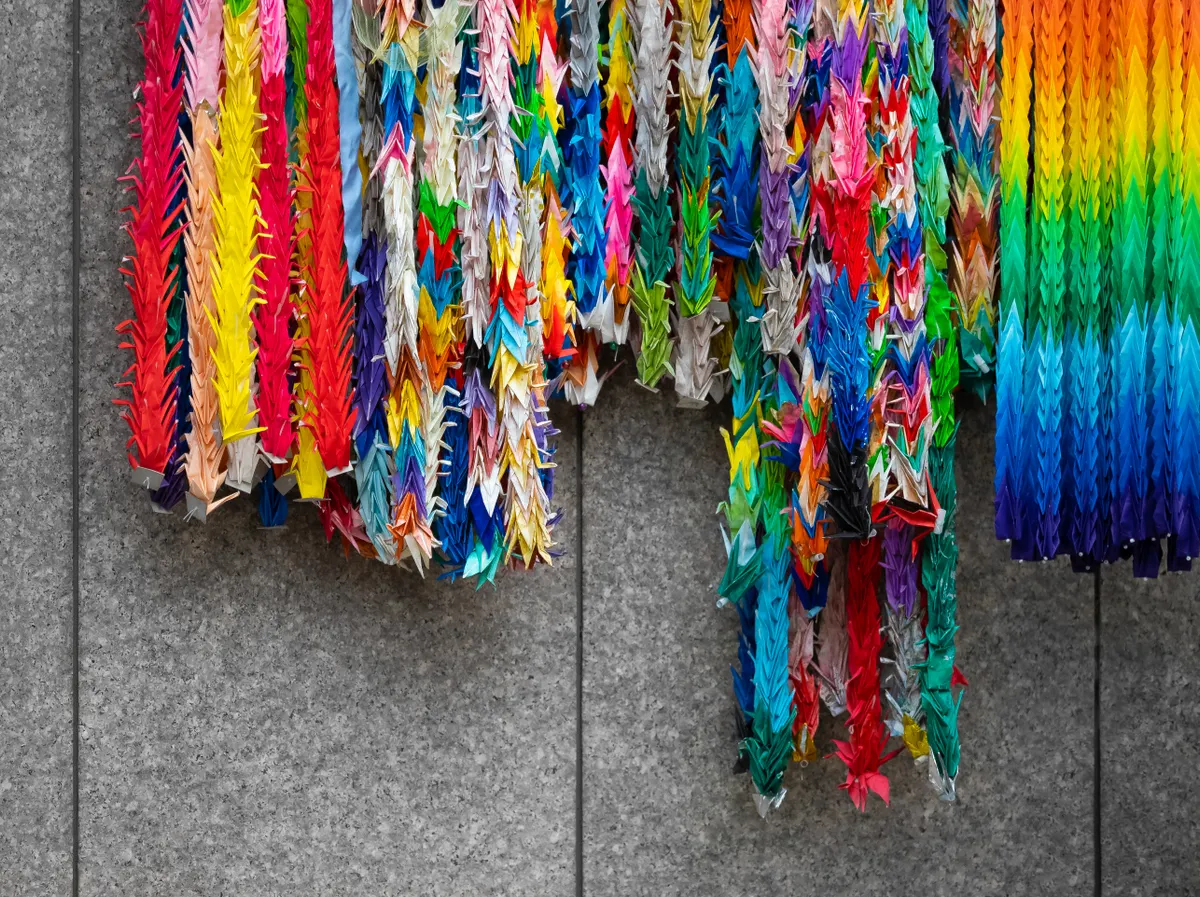
The word "origami" sounds Japanese because it is, but the habit of folding paper into shapes didn't stay inside one country's borders for long. Paper travels, and wherever it went, people started folding it, which means origami traditions actually stretch across several continents and a few thousand years of history.
This piece is Part of Origami Basics, and it's one I've wanted to write for a while. I've folded cranes taught to me the traditional Japanese way, tried my hand at Korean paper boxes, and once spent an entire afternoon failing to recreate a European napkin fold from a 1600s dining guide. Each tradition folds a little differently, and knowing where these styles came from makes the whole craft feel bigger than a single square of paper.
Where Origami Traditions Actually Started
Paper itself was invented in China, long before it reached Japan. Once paper made its way across the region, different cultures shaped their own folding customs around it, often for reasons that had nothing to do with art.
In Japan, paper was expensive and treated with real respect, which is part of why early folding practices leaned formal and ceremonial rather than playful. That respect for the material is something I still feel every time I unwrap a fresh pack of kami paper. It's easy to forget that paper wasn't always cheap and disposable.
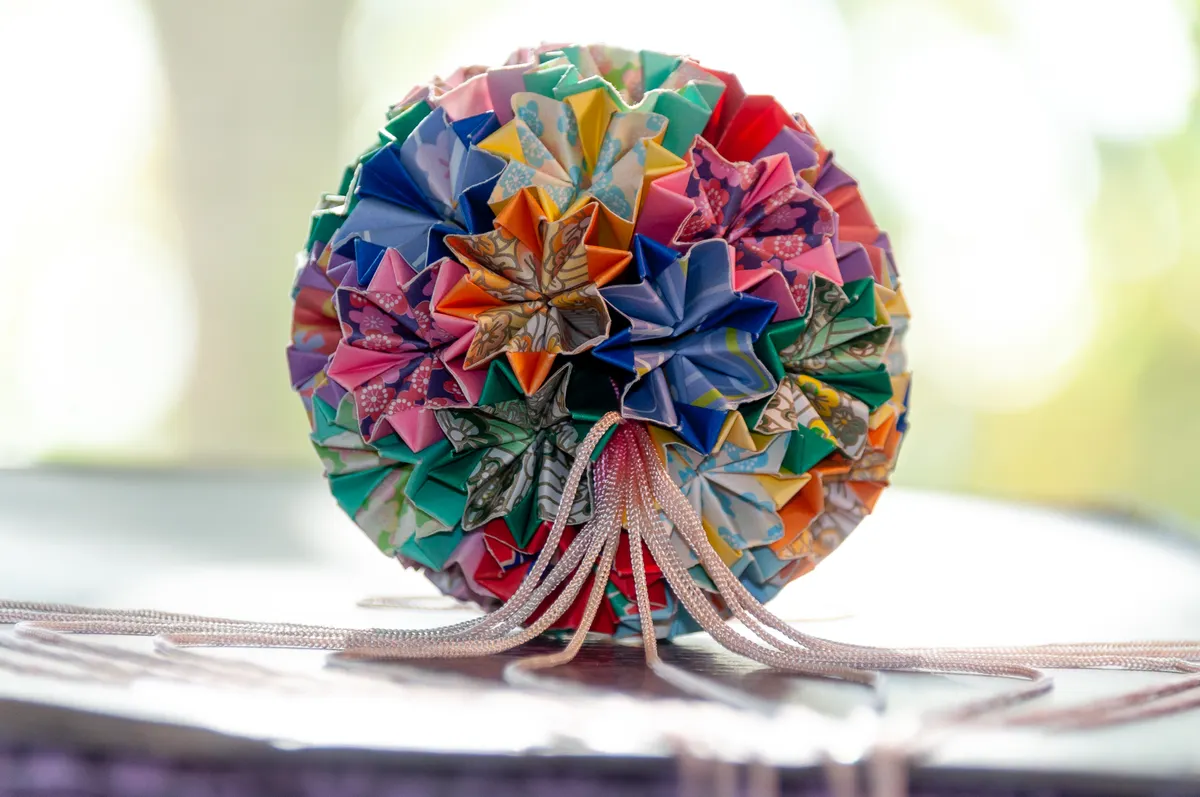
Photo Credit: wal_ 172619
Traditional Papers Behind These Folding Styles
Different regions favored different papers, and the paper itself shaped how folding traditions developed. Here's a quick look at the materials tied to each style.
|
Region |
Traditional Paper |
Common Use |
|
Japan |
Washi (handmade mulberry paper) |
Ceremonial folding, gift wrapping, crane models |
|
China |
Xuan paper and joss paper |
Decorative folding, funeral offering folds |
|
Korea |
Hanji (mulberry bark paper) |
Boxes, hats, ceremonial decorations |
|
Europe |
Linen based paper and cloth napkins |
Table setting displays, decorative folds |
Washi paper in particular behaves differently from the thin kami sheets most beginners start with today. It holds a crease with more strength, which matters a lot once you understand what a crease pattern demands from the material.
The Roots of Paper Folding in Japan
Japanese paper folding didn't begin as a hobby. It began as a formal practice tied closely to Shinto ceremony and social status, which is where the story gets interesting.
1. Origata comes first. Long before recreational origami existed, there was origata, a ceremonial style of paper folding used to wrap gifts. Origata developed during Japan's samurai era, and it followed strict rules about how a folded wrapper should look depending on the gift inside and the rank of the person receiving it.
2. Gift wrapping became a language of its own. A folded paper wrapper wasn't just packaging. The fold itself communicated respect, occasion, and sometimes even the giver's social standing, without a single word being spoken.
3. Noshi enters the picture. A small folded paper ornament called noshi was often attached to formal gifts, traditionally paired with a thin strip of dried abalone as a symbol of good fortune. You'll still see decorative noshi printed on gift envelopes in Japan today, a quiet echo of that older tradition.
4. Recreational folding spreads later. As paper became more affordable, folding moved beyond formal ceremony and into everyday life, including the playful models most people now associate with origami, like the crane.
5. The 20th century brings standardization. Origami folder Akira Yoshizawa is widely credited with developing the system of dashed and dash dot lines used on modern diagrams. That system is part of why you can now pick up an origami book printed in a language you don't read and still follow along.
For a deeper walk through this timeline, including how folding survived through different eras of Japanese history, Origami History covers it in more detail than I have room for here.
Paper Folding Traditions Outside Japan
Here's the part a lot of beginners don't realize: origami is not only Japanese. Several cultures developed their own paper folding traditions, some independently and some through shared trade routes.
Chinese paper folding has its own long history, often called zhezhi. One well documented tradition involves folding paper into ingot shapes as part of funeral offerings, a practice still seen at some ceremonies today. Since paper originated in China, it makes sense that folding customs would grow there early too.
Korean paper art, known as jong-i jeopgi, traditionally used hanji paper for practical items like decorative boxes, fans, and ceremonial hats. The paper itself was often dyed in bold colors, which gives traditional Korean folded pieces a distinct look compared to plain washi work.
European paper folding traveled a different road entirely. Wealthy households in Italy and Germany developed elaborate napkin folding for formal dinner tables as early as the 1600s, arranging folded linen into shapes like swans and fans. Separately, some historians point to a Moorish paper folding tradition brought into Spain, which leaned toward geometric and symmetrical folds rather than figures, likely influenced by Islamic art traditions that avoided representing people or animals directly.
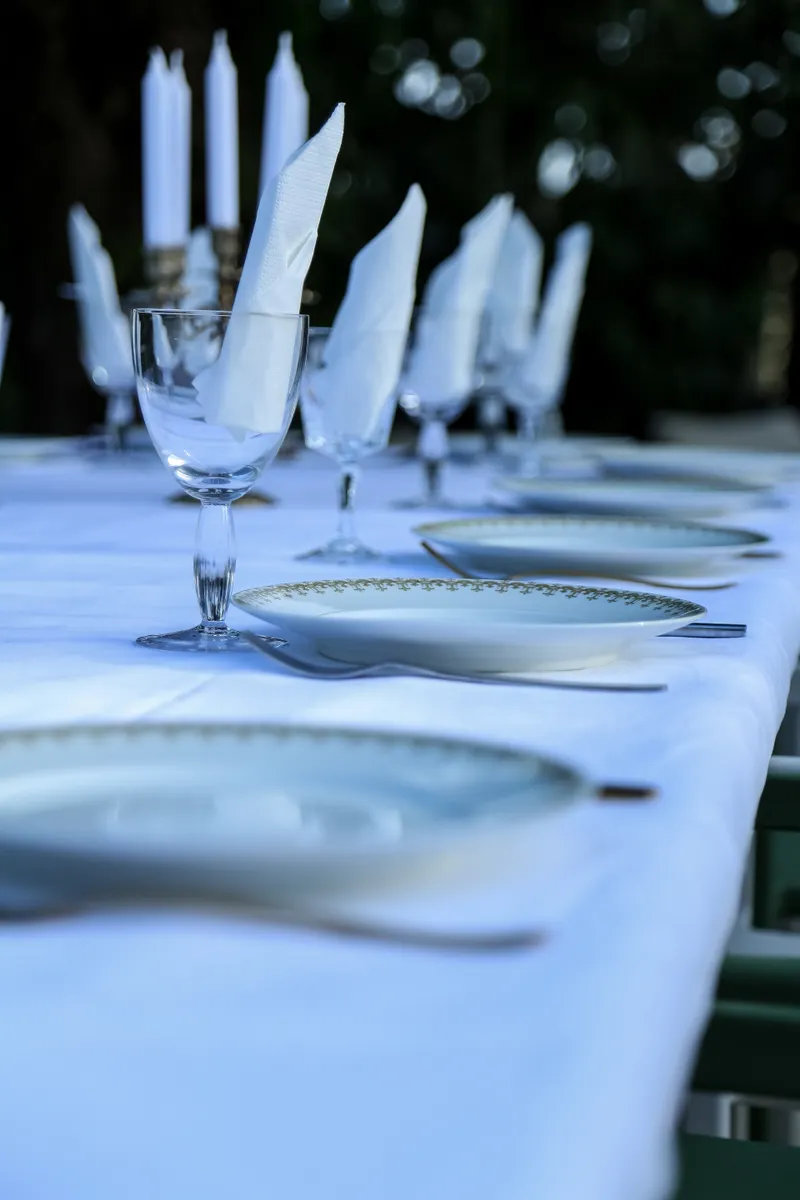
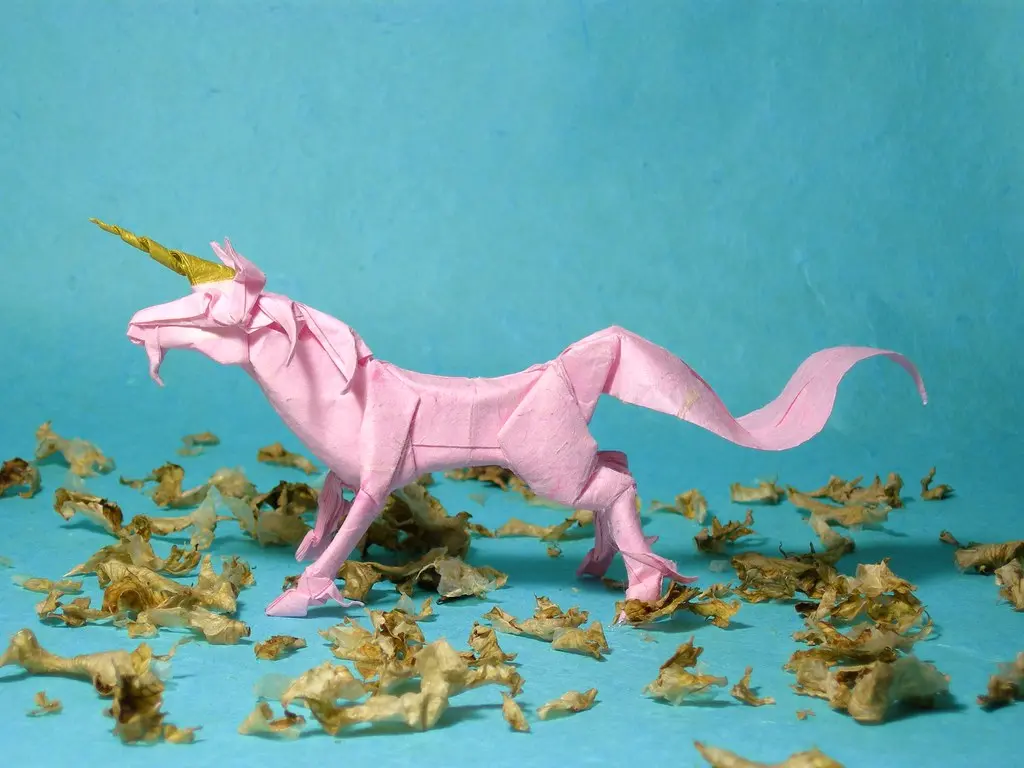
Photo Credit: Beraka Tula Gambundji
How did paper folding develop in Europe? It grew largely on its own, driven by dining customs and, later, education. German educator Friedrich Froebel incorporated paper folding into early childhood teaching in the 1800s, which is part of why folding exercises became a standard classroom activity across parts of Europe and eventually the wider world.
Modular origami, where multiple folded units lock together without glue, became especially popular once folders in different countries began comparing techniques through shared diagrams. If you want to see where that style leads once folders start combining traditions, Modular Origami is a good next stop.
Common Myths About Origami's Origins
A few misconceptions come up constantly when people talk about where origami came from. Clearing these up helps put the whole history in better context.
- "Origami is purely Japanese." Not quite. Japan shaped the art form most people recognize today, but paper folding traditions existed in China, Korea, and Europe as well, often independently.
- "Origata and origami are the same thing." They're related but not identical. Origata is a formal, ceremonial ancestor focused on gift wrapping, while origami eventually grew into a broader, more playful craft.
- "Modular origami is a modern Western invention." It actually has roots tracing back through Japanese folding communities, though it gained wider popularity once international diagram sharing took off.
- "Traditional papers and modern kami are basically the same." They're not. Washi and hanji hold creases differently than the thin kami paper most beginners buy today, and that changes how forgiving a fold feels mid-project.
As one origami teacher I studied under used to say, "A fold doesn't know what country it's in. It only knows the pressure of your hand."
That line stuck with me because it's true. Technique crosses borders even when the ceremony around it doesn't.
Comparing Origami Traditions Side by Side
Seeing these traditions laid out together makes the differences click faster than reading about them separately.
|
Tradition |
Region |
Primary Purpose |
Typical Style |
|
Origata |
Japan |
Ceremonial gift wrapping |
Formal, rule based folds |
|
Recreational origami |
Japan |
Art and hobby folding |
Figurative models like cranes |
|
Zhezhi |
China |
Ceremonial and decorative |
Symbolic shapes, funeral offerings |
|
Jong-i jeopgi |
Korea |
Functional and decorative |
Boxes, hats, dyed paper |
|
Napkin folding |
Europe |
Table display |
Elegant, symmetrical shapes |
|
Modular origami |
Global |
Geometric sculpture |
Interlocking units, no glue |
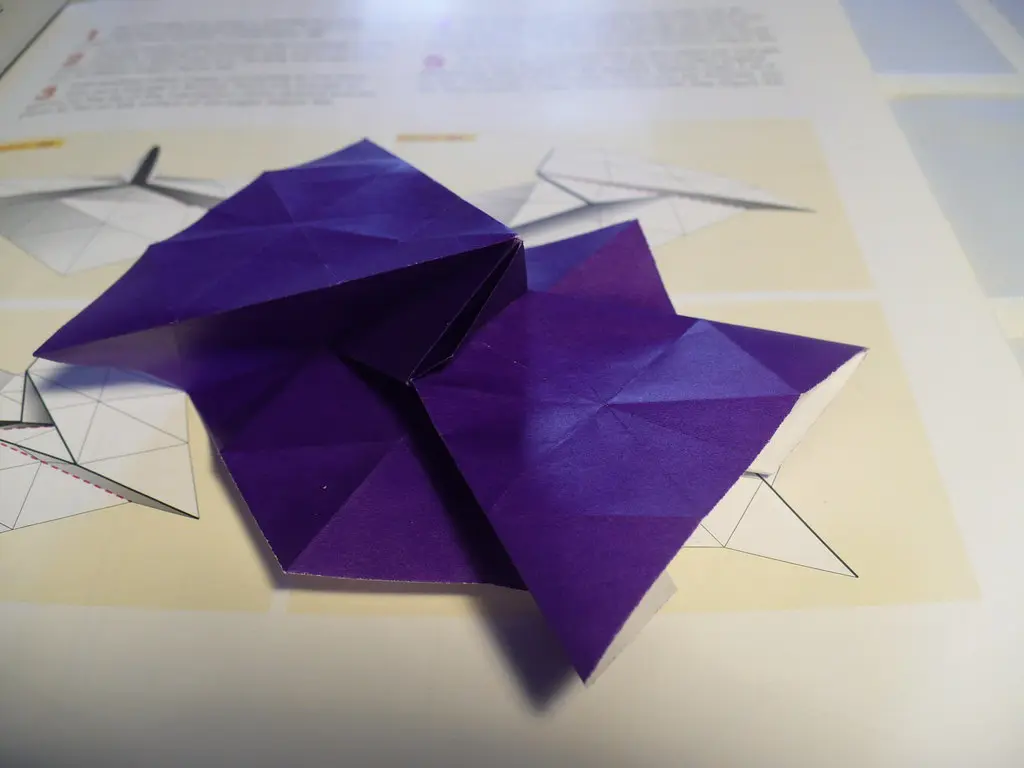
Photo Credit: Chris Luengas
Frequently Asked Questions
Is origami only Japanese? No. Japan developed the folding style most people picture today, but China, Korea, and parts of Europe all have their own separate paper folding traditions.
What are the roots of paper folding in Japan? Japanese folding traces back to origata, a ceremonial gift wrapping practice tied to the samurai era, which later developed into the recreational origami most people recognize now.
What is origata and how is it related to origami? Origata is the formal, ceremonial ancestor of origami, focused on wrapping gifts according to strict social rules. Origami grew out of that same folding culture but became a more playful, widely accessible craft over time.
What paper-folding traditions exist outside Japan? Chinese zhezhi, Korean jong-i jeopgi, and European napkin folding are three well documented examples, each shaped by local materials and customs rather than borrowed directly from Japan.
How did paper folding develop in Europe? It grew mainly through formal dining customs, with elaborate napkin folding appearing in wealthy households as early as the 1600s, and later expanded through Friedrich Froebel's use of paper folding in early childhood education.
What is the role of paper folding in Japanese gift-giving traditions? Folded paper wrappers and ornaments like noshi traditionally communicated respect and good fortune, turning gift wrapping into a quiet, symbolic gesture rather than simple packaging.
Final Thoughts
Origami traditions run deeper and wider than most people expect, and that's part of what makes the craft worth sticking with. Every fold you make connects, even loosely, to centuries of people doing the exact same thing with paper in their hands, from ceremonial gift wrapping in Japan to funeral offerings in China to napkin swans on a European dinner table.
To see how all of this fits into the bigger picture of technique and history together, read the full origami guide. It's the best next step once you're ready to fold with a little more context behind every crease.



Leave a Reply