
I spent months feeling confident about my alphabet before realizing my numbers still looked stiff and awkward next to them, like they belonged to a different handwriting altogether. Brush lettering numerals deserve their own dedicated practice, since they use similar pressure control but different shapes than the letters most beginners focus on first.
This guide is part of Brush Lettering, and it covers how to form each number with proper thick and thin contrast, which drills build number control fastest, and how to make numerals match your lettering style.
How Do You Write Numbers with a Brush Pen
Brush lettering numerals follow the same basic rule as letters, meaning downstrokes get pressure and thickness while upstrokes stay light and thin. The tricky part is that numbers do not follow one single stroke pattern the way grouped letters do, so each digit needs a bit of individual attention.
I have found that students who treat number practice as seriously as alphabet practice end up with far more polished final pieces, since mismatched numerals stand out immediately in things like dates or addresses.

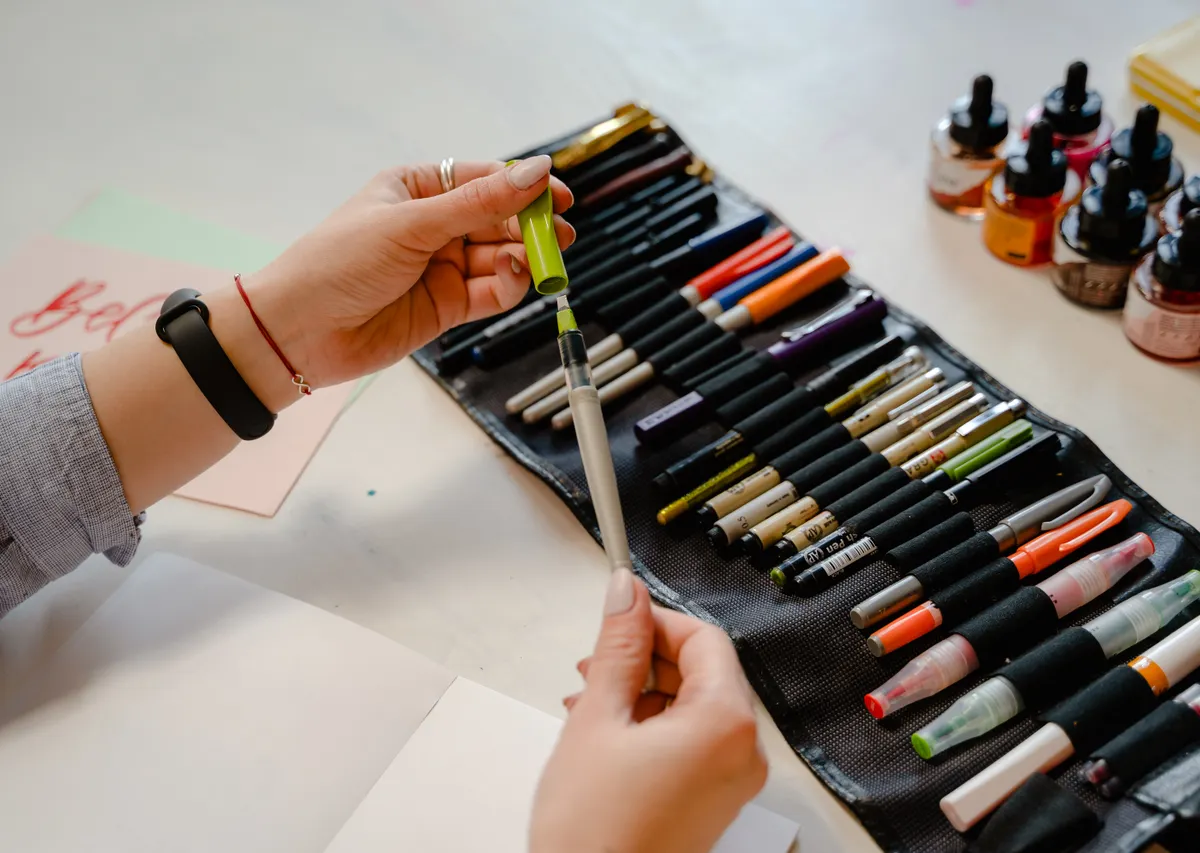
Photo Credit: Hobby Guidebook Editorial
Background on Why Numerals Often Get Skipped
Most beginners spend weeks on lowercase and uppercase letters before ever picking up a brush pen numbers practice sheet, simply because alphabets get more attention in tutorials and practice guides. This leaves numerals feeling like an afterthought, which shows clearly whenever numbers appear in finished lettering pieces like invitations or journaling spreads.
If your alphabet still feels shaky, Brush Lettering Alphabet Practice is worth revisiting first, since the same pressure habits carry directly into number practice.
Tools for Practicing Brush Lettering Numerals
|
Tool |
Purpose |
Notes |
|
Brush pen |
Creates thick and thin strokes through pressure |
The same pen used for alphabet practice works well here |
|
Practice paper |
Provides a smooth surface for repeated drills |
Marker paper prevents bleed through during longer sessions |
|
Guideline sheet |
Keeps number height and slant consistent |
Especially useful since numbers vary more in shape than letters |
|
Reference sheet |
Shows stroke order for each digit |
Helpful early on before shapes become automatic |
Do Brush Lettering Numerals Use Thick and Thin Strokes
Yes, brush lettering numerals use the same thick and thin contrast as letters, following the rule that downward motion gets pressure while upward motion stays thin. Numbers like 1, 4, and 7 rely mostly on straight strokes, while curved numbers like 3, 6, 8, and 9 use rounded pressure changes closer to the oval shapes found in letters.
"A number is really just a letter shape wearing a different outfit." That advice gets repeated often among lettering instructors, and it holds up well once you start breaking numerals into familiar strokes.

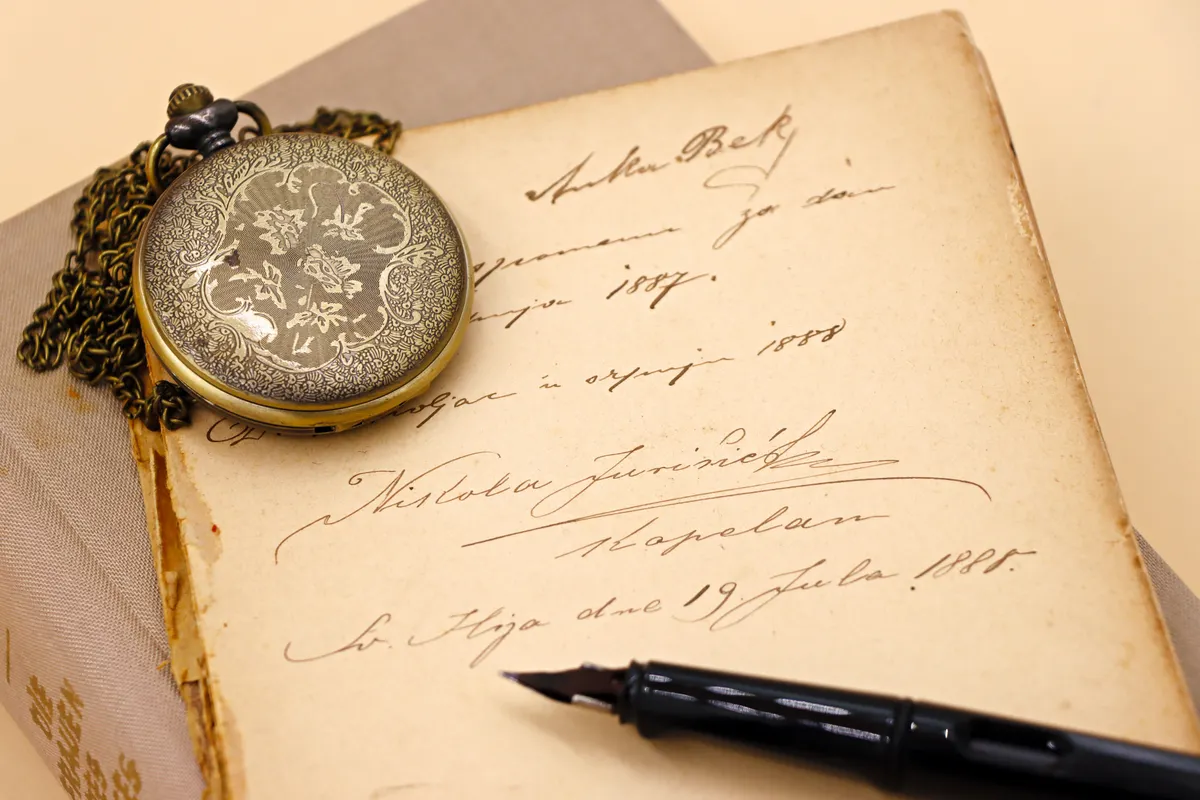
Photo Credit: Katya Wolf
Step-by-Step Numeral Practice Drills
- Start with straight-line numbers. Practice 1, 4, and 7 first, since they rely on simple downstrokes with minimal curves.
- Move to curved numbers. Write 3, 6, 8, and 9 next, focusing on smooth pressure changes around each curve.
- Practice 2 and 5 separately. These combine a curved top with a straighter base, so they often need extra repetition.
- Work on the 0. Treat it like the oval shape from letter practice, keeping pressure even around the full curve.
- Write full number sequences. Practice 0 through 9 in a row to check that height and thickness stay consistent across the whole set.
For more detail on numeral shapes across different calligraphy styles, Calligraphy Numbers & Numerals Guide covers additional reference options worth practicing from.
What Brush Control Drills Help with Numerals
Full lines of a single repeated number build steady pressure control faster than jumping between several different digits too soon. Slow, deliberate practice matters more than speed here, especially since numbers like 3 and 8 require more precise pressure timing than most letters do.
Take short breaks during longer sessions, since gripping a brush pen too tightly while practicing tricky curved numbers can tire your hand faster than straight-line letter drills.
How Do You Keep Numerals Consistent with Letters
Consistency between numerals and letters comes from using the same guideline height, slant, and stroke thickness for both. Numbers should look like they belong in the same handwriting family as your letters, not like a separate font pasted in beside them.
Practicing full phrases that mix numbers and letters, like dates or addresses, helps catch mismatches that isolated number drills alone might miss.
Pro Tips and Common Mistakes to Avoid
- Do not neglect number practice. Treat numerals with the same dedicated drill time given to alphabet letters.
- Avoid inconsistent slant. Numbers leaning differently than nearby letters is one of the most noticeable mismatches in finished pieces.
- Do not rush curved numbers. Digits like 3, 6, and 8 need slower, more controlled pressure changes than straight numbers.
- Watch your pen tip on tight curves. Repeated hard pressure on small curved strokes can wear down a brush tip faster over time.

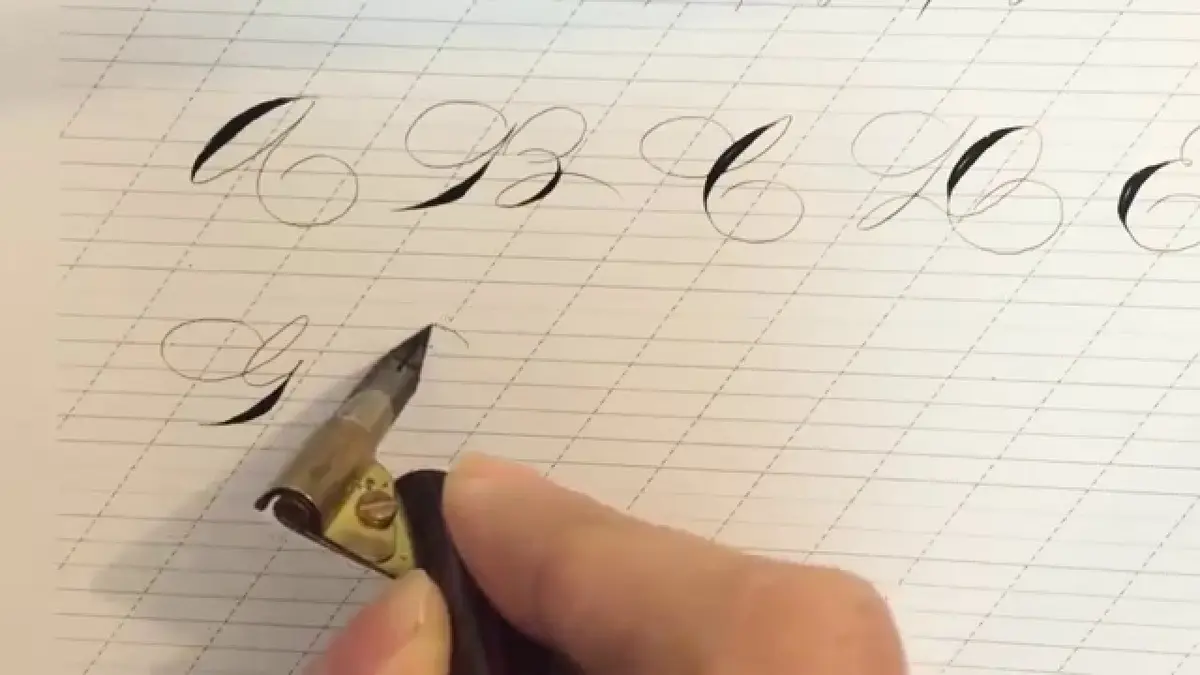
Photo Credit: Katya Wolf
Frequently Asked Questions
How do you write numbers with a brush pen? Apply thick pressure on downstrokes and light pressure on upstrokes, following the same rule used for letters.
Do brush lettering numerals use thick and thin strokes? Yes, numbers follow the same pressure-based contrast as letters, with curved digits needing extra care around their rounded sections.
What brush control drills help with numerals? Full lines of one repeated number build steady pressure control faster than mixing several different digits too early.
How do you keep numerals consistent with letters? Use the same guideline height, slant, and thickness for both, and practice full phrases that combine numbers with letters.
Numbers Worth the Extra Practice
Brush lettering numerals might feel like an afterthought compared to full alphabets, but they deserve just as much patient repetition. Give each digit its own attention, match your guidelines, and your numbers will finally look like they belong right alongside your letters.
For everything else this hobby covers, from tools to strokes to full scripts, read the full calligraphy and hand lettering guide.




Leave a Reply