
I once had a student bring me three different alphabets she wanted to learn at once, Copperplate, Italic, and modern brush lettering, all in the same week. Six months later she could only name two of them without checking her notes.
That mix-up happens constantly with beginners, and honestly it makes sense. Calligraphy scripts and styles get lumped together online like they are all the same skill, when they actually split into very different families with different tools and different learning curves.
This guide sorts through that confusion clearly, so you know exactly what each style looks like, what tool it needs, and which one makes sense as your first. For the bigger picture of this hobby, from tools to techniques, go back to the complete calligraphy and hand lettering guide.
Why Scripts and Styles Get Confusing for Beginners
Here is the root of the confusion. Calligraphy scripts and styles fall into two big categories based on the tool used to create them, and each category behaves completely differently under your hand.
Broad-edge scripts use a flat, chisel-shaped nib. The pen itself creates thick and thin lines just from its shape and angle. Italic, Foundational Hand, and Blackletter all live here.
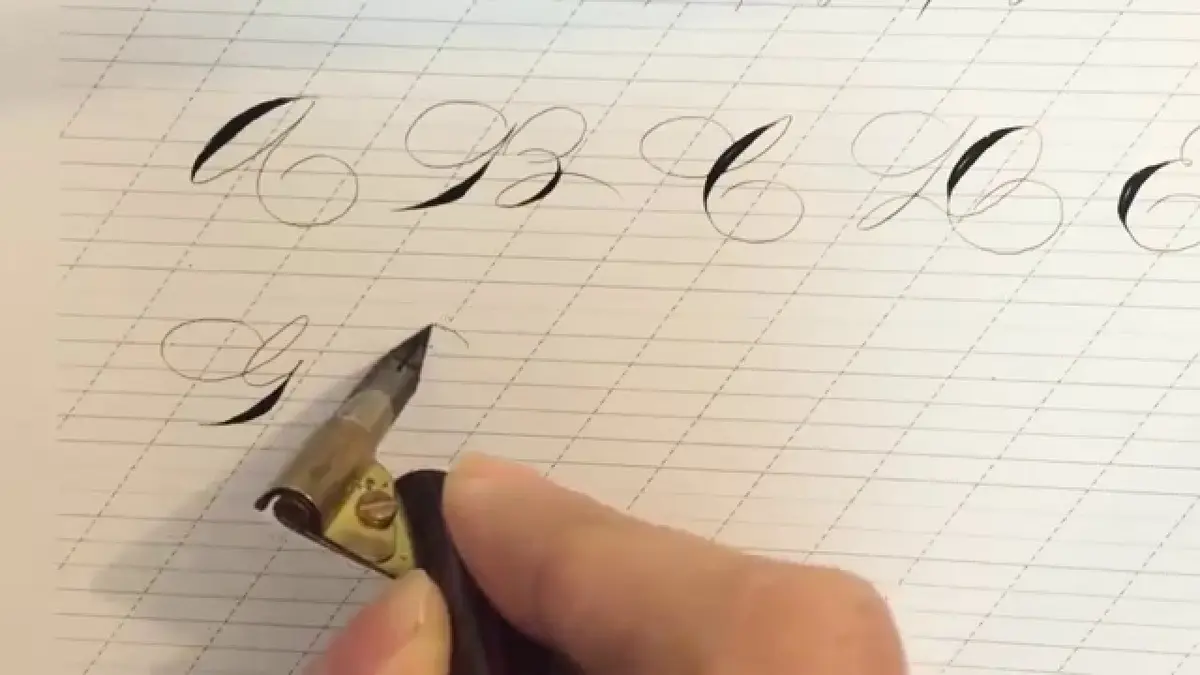
Pointed-pen scripts use a flexible, tapered nib that spreads under pressure. You control the thick and thin lines yourself, not the pen. Copperplate and Spencerian are the classic examples, and modern brush lettering follows a similar pressure-based logic with a completely different tool.

Photo Credit: Hobby Guidebook Editorial
Once you understand that split, most of the confusion clears up. You are not really choosing between random alphabets, you are choosing between two different physical skills.
Major Calligraphy Scripts and Lettering Styles
Let's walk through the main types of calligraphy scripts one by one, in plain terms.
Italic is a broad-edge script with slanted, elegant letters and a fairly forgiving learning curve. It was actually designed centuries ago to be written faster than earlier formal hands, which is part of why it feels approachable today.
Foundational Hand is upright, rounded, and often the very first script taught in traditional calligraphy classes. Its simple shapes make it a great tool for learning pen angle and basic stroke control.
Blackletter (sometimes called Gothic script) has dense, angular letters and a strong historical look. It takes more practice to read comfortably and is usually not the first script beginners try.
Copperplate is a pointed-pen script known for its flowing loops and dramatic thick and thin contrast created entirely by hand pressure. It has a real learning curve, but the payoff is a genuinely beautiful, classic look.
Spencerian predates Copperplate and has a lighter, more rhythmic feel with less pressure contrast. Some people find it slightly gentler to learn than Copperplate, though both take real time.
Modern Calligraphy breaks from strict historical rules and allows more personal, loose interpretations of letterforms, often still using a pointed pen. If you want a deeper look at how this style differs from traditional scripts, modern calligraphy covers it in more depth.
Brush Lettering uses a flexible brush pen instead of a metal nib, creating similar thick and thin contrast through pressure. It has become hugely popular for journaling and cards because the tools are simple and forgiving. The brush lettering guide breaks down the specific techniques and tools involved.
Comparing the Major Scripts at a Glance
|
Script |
Tool Type |
Difficulty |
Best For |
|
Foundational Hand |
Broad-edge |
Easiest |
Absolute beginners |
|
Italic |
Broad-edge |
Easy to moderate |
Everyday practical calligraphy |
|
Blackletter |
Broad-edge |
Moderate to hard |
Decorative, historical projects |
|
Copperplate |
Pointed pen |
Hard |
Formal invitations, elegant work |
|
Spencerian |
Pointed pen |
Moderate to hard |
Flowing, rhythmic scripts |
|
Modern Calligraphy |
Pointed pen |
Moderate |
Personal style, less rigid rules |
|
Brush Lettering |
Brush pen |
Easy to moderate |
Cards, journaling, quick projects |
Broad-Edge vs Pointed Pen: The Core Difference
This distinction comes up so often that it deserves its own section. Understanding it will shape which scripts feel natural to you and which ones fight you the whole way.
With broad-edge tools, the thick and thin contrast is built into the pen shape itself. You hold the pen at a consistent angle, usually between 30 and 45 degrees, and the width of the strokes changes automatically depending on the direction you move.
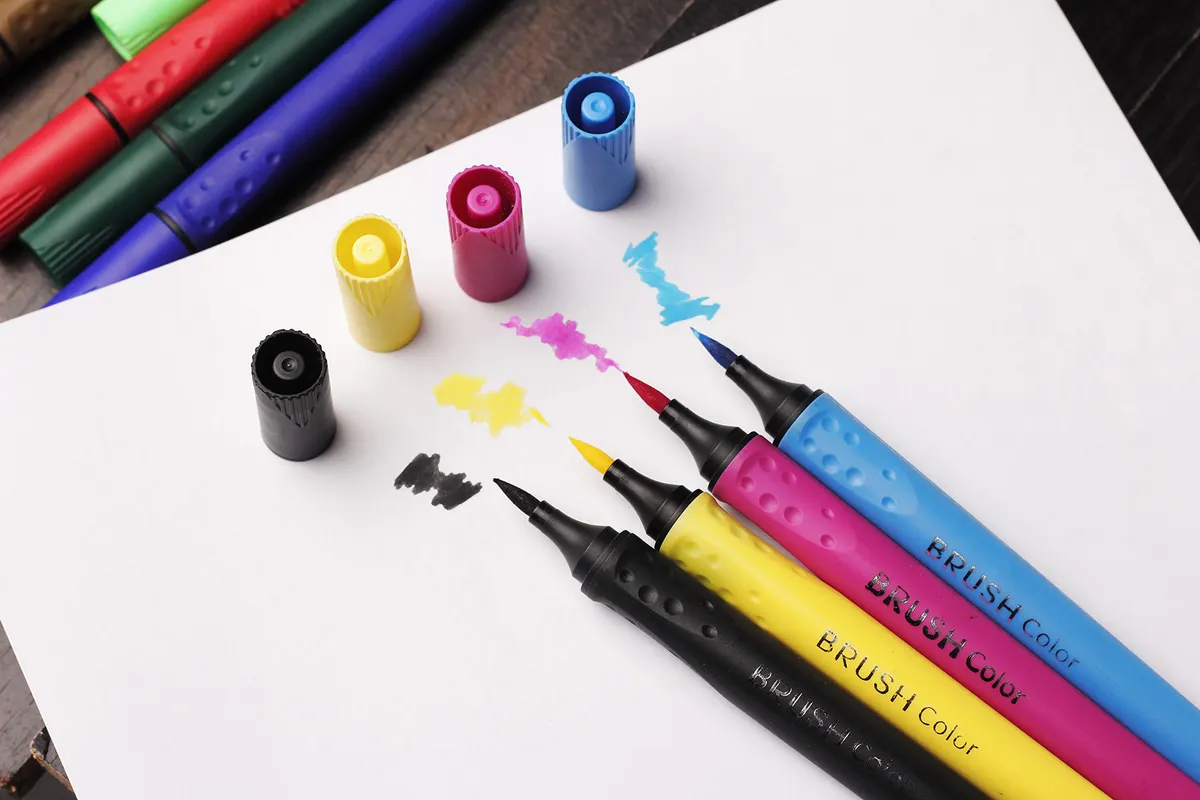
Photo Credit: ge yonk
With pointed pens, there is no built-in shape doing the work. The nib has two flexible tines that spread apart under pressure, creating thicker lines on downstrokes, and come back together for thin upstrokes. This means you are actively controlling the width of every single stroke with your hand.
Broad-edge tools tend to feel more predictable early on because the pen does part of the job. Pointed pens ask more of your hand from the very first practice sheet, which is why most teachers, myself included, tend to steer beginners toward broad-edge scripts first.
How to Choose a Calligraphy Style to Learn First
Follow these steps to pick a starting point that actually fits how you learn.
- Think about your end goal. If you want quick, casual lettering for cards and journals, brush lettering is a natural fit. If you want formal, traditional-looking work, a broad-edge script like Italic is a better foundation.
- Start with a broad-edge script if you are unsure. Foundational Hand or Italic gives you predictable results faster, which keeps motivation high during the early frustrating weeks.
- Try brush lettering if pressure control appeals to you. It uses a similar pressure-based logic to pointed pen scripts but with a much more forgiving tool, since brush pens flex more easily than metal nibs.
- Save Copperplate and Spencerian for after some basics. These pointed-pen scripts reward patience, but starting here first often leads to frustration that has nothing to do with your ability.
- Pick one style and stick with it for at least a month. Switching between styles too early is the same mistake my student made. Give your hand time to actually build memory in one script before adding another.
Common Mistakes When Learning New Scripts
- Jumping into pointed pen too early. The pressure control needed for Copperplate or Spencerian takes real time to develop, and starting here before building basic pen control often leads to frustration and inconsistent letters.
- Trying to learn multiple scripts at once. Your hand needs repetition in one alphabet's shapes before it can hold two different systems in muscle memory.
- Ignoring pen angle consistency in broad-edge scripts. A shifting angle mid-word changes the whole feel of your thick and thin lines and is one of the most common reasons beginner Italic looks uneven.
- Assuming modern calligraphy has no rules. It is more flexible than traditional scripts, but consistent letter height, slant, and spacing still matter for it to look intentional rather than messy.
One safety note worth mentioning here, especially for pointed pen work: nibs are genuinely sharp at the tip and can cause small cuts if handled carelessly. Store them upright in a container rather than loose, and take care when inserting or removing a nib from its holder.
"Every script has its own rhythm. Once your hand finds it, the letters almost write themselves." That idea gets repeated often in calligraphy circles, and it becomes obvious the first time a script finally clicks for you.
Traditional Calligraphy vs Modern Lettering
This is worth separating out clearly, since the terms get used loosely online. Traditional calligraphy follows historical rules for letter shape, spacing, and proportion, developed over centuries and often tied to specific tools like broad-edge or pointed nibs.
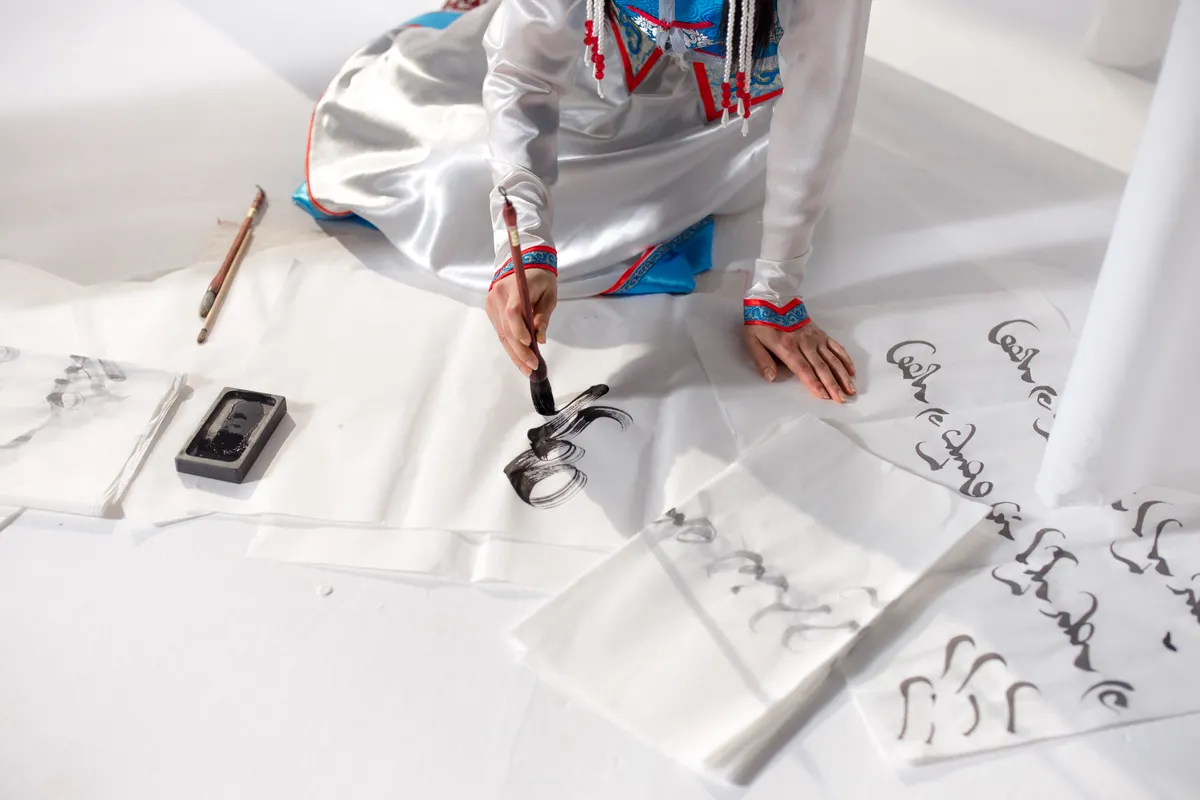
Photo Credit: cottonbro studio
Modern lettering, including much of brush lettering and modern calligraphy, borrows the same tool logic but allows more personal variation. Letters can lean, bounce, or vary in size more freely, which gives room for a personal style without needing years of formal training first.
Neither approach is better than the other. Traditional scripts build strong fundamentals, and modern styles let you express those fundamentals more loosely once you understand them.
Frequently Asked Questions
What are the major calligraphy scripts and lettering styles? The main ones include Foundational Hand, Italic, and Blackletter for broad-edge tools, and Copperplate and Spencerian for pointed pen. Modern calligraphy and brush lettering are more contemporary styles that build on those same tool categories.
What is the difference between broad-edge and pointed-pen calligraphy? Broad-edge tools create thick and thin lines through the shape of the nib itself. Pointed pens create that same contrast through hand pressure, since the flexible tines spread apart under more weight.
Which calligraphy script is easiest for beginners? Foundational Hand is usually considered the easiest starting point, since its simple, upright letters help beginners learn pen angle and basic control without the added challenge of pressure-based strokes.
What is the difference between traditional calligraphy and modern lettering? Traditional calligraphy follows set historical rules for shape and proportion. Modern lettering keeps the same basic tool logic but allows more personal variation in slant, size, and style.
Which scripts use a brush, broad nib, or pointed nib? Brush lettering uses a flexible brush pen. Broad-edge scripts like Italic and Foundational Hand use a flat, chisel-shaped nib. Pointed pen scripts like Copperplate and Spencerian use a flexible, tapered nib.
How do you choose a calligraphy style to learn? Think about your end goal first. Broad-edge scripts suit beginners wanting predictable, formal results, while brush lettering suits those wanting quicker, casual results for cards and journaling.
Finding the Script That Fits You
There is no single correct starting point in calligraphy, only the one that matches what you actually want to create and how much patience you have for the learning curve ahead. Pick one script, give it real time, and let your hand build the muscle memory before jumping to the next one.
For more on techniques, tools, and where each script fits into the bigger picture, read the full calligraphy and hand lettering guide.




Leave a Reply