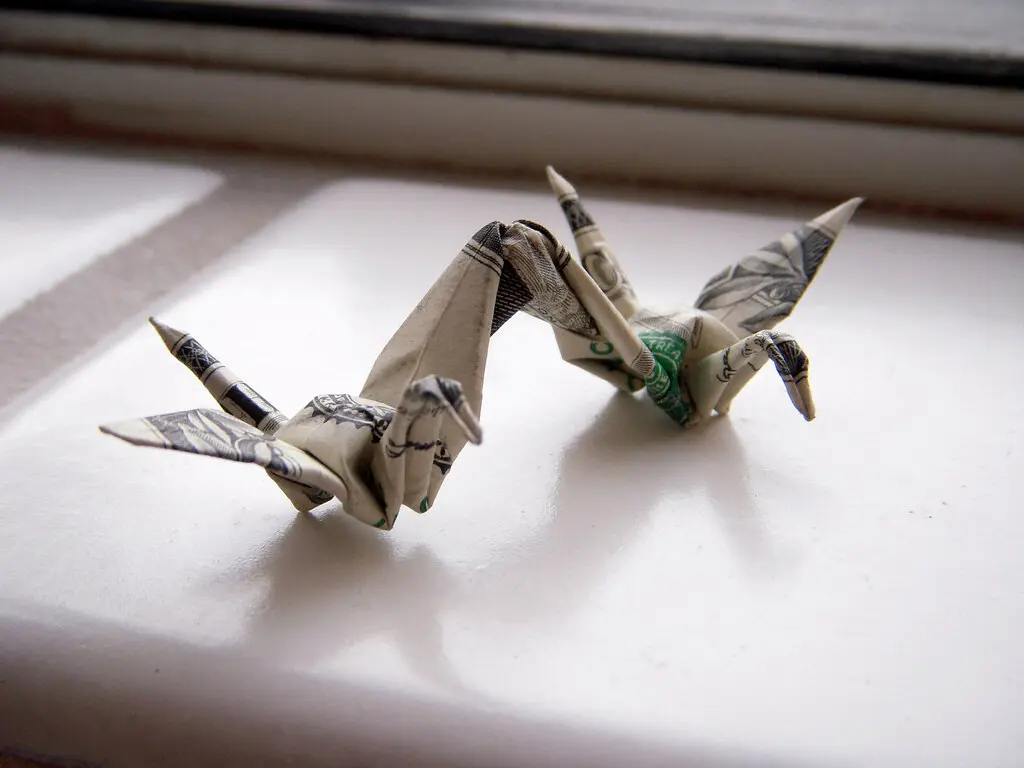
A friend once handed back a dollar bill I'd folded into a tiny heart and asked, only half joking, if I'd just broken a federal law. That question comes up more than you'd think, and it's exactly why is money origami disrespectful deserves a real, clear answer instead of a shrug.
In this guide, you'll learn whether folding a bill is actually legal, whether folded currency still spends normally, what U.S. law really says about damaging money, and where the line sits between a harmless fold and something you should avoid.
This article is Part of Common Origami Questions & Comparisons, a growing collection answering the practical questions folders actually ask as they explore different corners of the hobby.
Where the Disrespect Question Comes From
Money carries a certain weight beyond its paper value. People associate it with hard work, trust, and sometimes even personal history, so folding it into a swan or a ring can feel like it's crossing some unspoken line, even when nothing is actually being damaged.
I've folded plenty of bills into simple hearts and rings over the years, mostly as small gifts, and I've never once had someone genuinely upset once they understood the fold could be undone. The concern usually comes from uncertainty, not from any real rule being broken.

Photo Credit: Internet
Common reasons people worry about money origami:
- Cultural respect for currency, some cultures view any handling of money beyond basic use as questionable
- Fear of breaking the law, many folders simply assume folding must be illegal without actually checking
- Concern over reduced value, worrying a folded bill somehow becomes worth less
- Uncertainty around bank acceptance, not knowing if a folded bill will still be accepted for deposit or change
Is It Legal to Fold a U.S. Banknote Into Origami?
Yes, genuinely. Folding a bill, on its own, does not break U.S. law. Folding money legality comes down to intent and permanence, not the simple act of creasing paper currency into a shape.
What generally keeps folding on the right side of the law:
- No cutting, origami by definition avoids scissors or blades entirely
- No gluing, traditional folds rely purely on creases, never adhesive
- No permanent alteration, a folded bill can always be unfolded back to its original flat state
- No intent to render it unfit for use, the fold doesn't stop the bill from functioning as currency
This isn't formal legal advice, just a general understanding based on how currency law is commonly interpreted. If you're ever genuinely unsure about a specific situation, checking directly with a legal resource is always the safer move.
What Does U.S. Law Say About Defacing or Mutilating Currency?
U.S. law does address damaging currency, but the language centers specifically on mutilation, meaning damage that renders a bill unfit for normal use. Simple folding doesn't meet that standard, since the paper stays completely intact and fully reversible.
What mutilation typically involves:
- Burning, shredding, or tearing a bill apart
- Cutting currency into pieces
- Chemically altering or permanently defacing the surface
- Any change that stops the bill from being usable or recognizable as currency
What money origami avoids by design:
- No tearing, since folding relies entirely on creases
- No permanent marks, since a fold leaves paper physically whole
- No loss of legibility, since the printed design remains fully visible throughout
What does U.S. law say about defacing or mutilating currency? In short, it targets destruction and permanent alteration, not temporary shaping. A folded crane made from a dollar bill simply doesn't fall into the same category as a torn or burned one.
Does Folding a Bill Make It Unsuitable for Circulation?
No, not on its own. A bill that's been folded into a simple shape and then flattened back out generally remains just as usable as it was before.
Factors that actually affect circulation suitability:
|
Condition |
Still Usable? |
Notes |
|
Folded and unfolded flat |
Yes |
Standard wear, fully accepted |
|
Folded with sharp, repeated creases |
Usually yes |
May show visible wear lines over time |
|
Torn or missing pieces |
Often no |
Depends on how much of the bill remains |
|
Heavily soiled or faded |
Sometimes |
Banks may still accept depending on condition |
Does folding a bill make it unsuitable for circulation? Generally, no. Bills already endure plenty of folding, wrinkling, and handling through normal daily use, so a deliberate origami fold rarely pushes a bill past what it was already built to withstand.
For folders wanting to see actual money origami designs done carefully and reversibly, Money Origami: Folding with Bills covers popular models like rings and hearts, along with folding techniques that keep bills fully intact throughout.
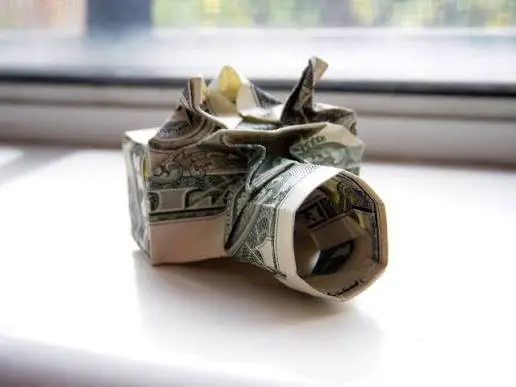
Photo Credit: Internet
Can Folded Currency Still Be Spent?
Yes. A folded bill remains legal tender as long as it's still recognizable and hasn't been physically damaged beyond normal wear. Most cashiers won't even think twice about a slightly creased bill.
Can folded currency still be spent? In nearly every everyday situation, yes. The fold is simply cosmetic, and unfolding the bill restores it to its original flat, spendable state without any real loss of usability.
As folders often say, the paper never lies. It only shows you exactly where a fold went wrong.
With money origami, that same honesty applies gently, sharp creases may show slightly over time, but they don't affect whether the bill still works as currency.
Should You Avoid Cutting, Gluing, or Permanently Damaging Banknotes?
Yes, genuinely, and this is really where the actual money origami etiquette line sits. Folding respects the bill's integrity. Cutting or gluing does not.
Practices to avoid with real currency:
- Never cut a bill, even small trims move it into genuinely questionable territory
- Never glue pieces together, this permanently alters the paper's original structure
- Avoid harsh folding that tears paper, especially along already worn edges or creases
- Don't combine multiple bills into one piece, this can raise real legal concerns beyond simple folding
Should you avoid cutting, gluing, or permanently damaging banknotes? Absolutely. This is the clearest, most practical boundary in money origami. Fold freely, but keep scissors and glue completely out of the process.
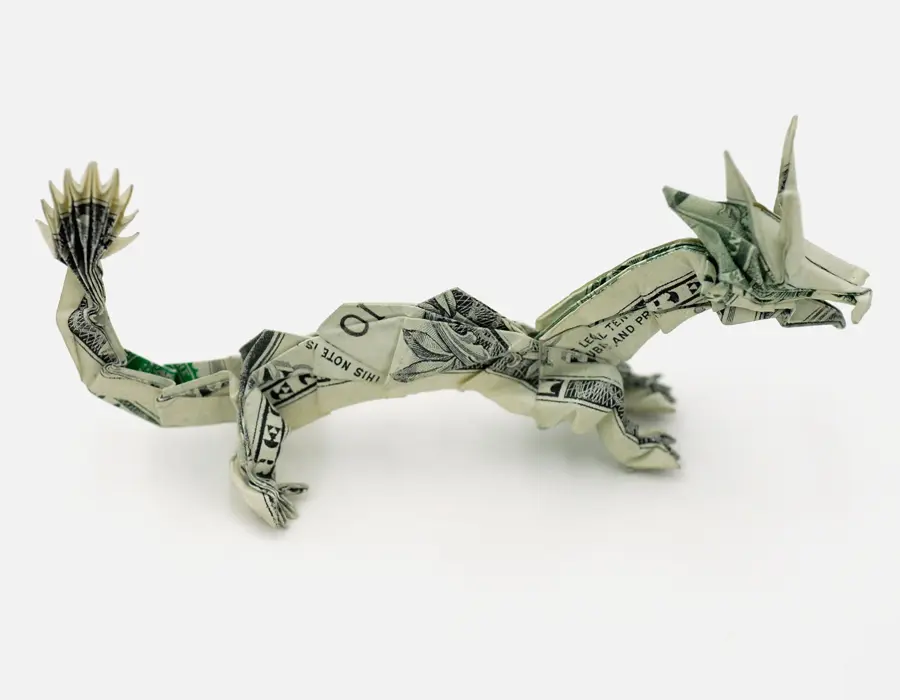
Photo Credit: Internet
If you've ever wondered whether skilled folding could translate into actual income beyond gifting, Can You Make Money from Origami? explores that separate question directly, covering paths like commissions and selling finished pieces.
Frequently Asked Questions
Is it legal to fold a U.S. banknote into origami? Yes, folding alone is legal, since it doesn't damage or permanently alter the bill in any way that affects its usability.
Does folding a bill make it unsuitable for circulation? No, a folded and unfolded bill generally remains fully usable, similar to normal wrinkling from everyday handling.
What does U.S. law say about defacing or mutilating currency? Law targets permanent damage like tearing, burning, or cutting, not simple, reversible creasing used in origami folding.
Can folded currency still be spent? Yes, a folded bill remains legal tender as long as it's still recognizable and hasn't sustained real physical damage.
Should you avoid cutting, gluing, or permanently damaging banknotes? Yes, this is the real line to respect. Folding is fine, but cutting or gluing crosses into genuinely questionable territory.
Final Thoughts
Money origami, done through simple folding alone, isn't disrespectful or illegal. It respects the bill's integrity completely, leaving it just as spendable as before. Keep the scissors and glue away, fold with a bit of care, and a dollar bill heart makes a genuinely thoughtful small gift.
Ready to explore more real questions from the hobby? Read the full origami guide for additional techniques and answers worth knowing.



Leave a Reply