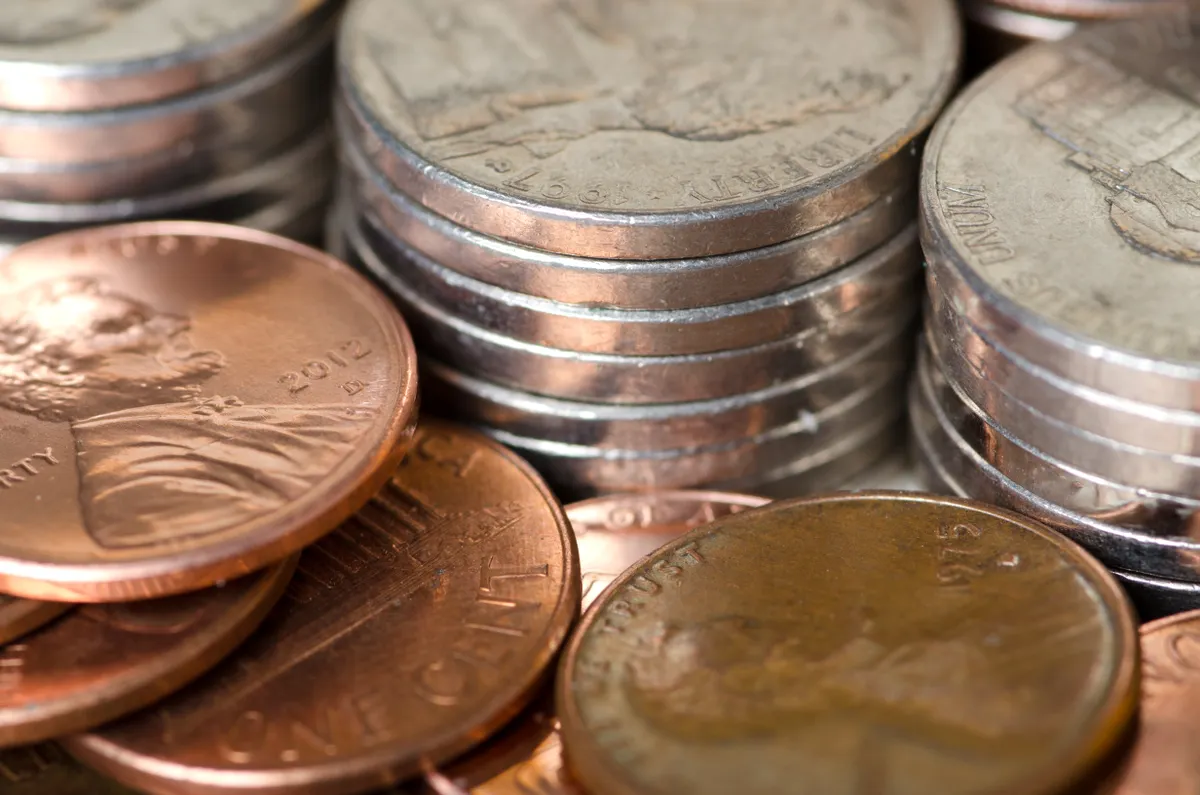
I still remember the first mint error I spotted in a roll of ordinary change, a Lincoln Wheat Cent with doubling on the date that most people would have tossed right back into a vending machine. That small thrill of realizing it was worth checking closer is exactly why this humble little penny remains one of the best coins for a beginner to start with.
This article is part of Coin Series & Types Guide, our broader series covering the major coin series every collector should understand.
A Bit of Background on the Wheat Cent
The wheat penny 1909 1958 run was the first US coin to feature a real person's portrait, designed by Victor David Brenner to honor Abraham Lincoln's 100th birthday. Two wheat stalks frame the reverse, which is genuinely where this series gets its nickname among collectors.
This series genuinely rewards patience over time. My collection has grown slowly and deliberately over the years, and wheat cents were honestly where I first learned to slow down and check every coin instead of assuming ordinary change holds nothing special.
When Was the Lincoln Wheat Cent Issued or Minted?
The Lincoln Wheat Cent was minted continuously from 1909 through 1958, before the design changed and gave way to the coin most people recognize from pocket change today. That's genuinely one of the longest unbroken runs of any coin in US history, which is part of why so many wheat cents are still floating around in old jars and drawers.
Three mints struck wheat cents during this run, each stamping a small letter to identify where the coin was made. Knowing this timeline genuinely matters before you start sorting through rolls of ordinary change.
Tools You'll Genuinely Want on Hand
Having the right setup before you start collecting genuinely saves you from costly mistakes.
|
Tool |
Purpose |
|
10x magnifying loupe |
Reading mint marks and checking for errors |
|
Grading reference guide |
Comparing condition against known standards |
|
Soft cotton gloves |
Handling coins without transferring oils |
|
Coin holders or flips |
Storing pieces safely between viewings |
|
Magnet |
Quickly testing for the 1943 steel composition |
Step by Step: Identifying a Lincoln Wheat Cent
Following the same process every time genuinely builds real confidence fast.
- Check the date first, confirming it falls within 1909 to 1958
- Locate the mint mark, found below the date on the obverse
- Compare the mint mark letter, matching it against known mint locations
- Examine the overall strike, noting sharpness in Lincoln's portrait
- Grade the condition, using a reference guide for consistency
- Record the details, logging date, mint mark, and grade together
Getting the mint mark right genuinely matters here, since a missing or unexpected letter can point straight to a scarce or valuable lincoln cent varieties combination. This is also a good point to mention that the Lincoln Memorial Cent picked up right where this series left off, using the same portrait with a new reverse design.
What Dates, Mint Marks, and Varieties Matter Most?
Genuinely, not every wheat cent carries the same scarcity or value. Philadelphia coins carry no mint mark at all, while Denver coins show a D and San Francisco coins show an S. The very first year, 1909, also came with a short lived variety carrying the designer's initials on the reverse.
- No mint mark, indicating Philadelphia production
- D mint mark, Denver, generally more available in most years
- S mint mark, San Francisco, home to several genuinely tougher dates
- VDB initials, found on early 1909 reverse designs before removal
"A tiny detail like initials on a coin's edge can genuinely turn an ordinary penny into a conversation piece." That lesson stuck with me the first time I found a 1909 example in a mixed lot.
How Can You Identify the Different Issues?
Identifying specific issues genuinely comes down to comparing date, mint mark, and known composition changes side by side. The lincoln wheat cent series switched briefly to zinc coated steel in 1943 due to wartime copper shortages, which genuinely gives that single year coin a distinct silvery look compared to every other date.
A simple magnet test genuinely helps here, since steel cents will stick while copper ones will not. This quick check genuinely saves time before you even reach for the magnifying loupe.
What Condition Factors Most Affect Value?
Condition genuinely drives wheat cent value more than almost any other factor.
- Strike sharpness, checking detail in Lincoln's hair and coat lines
- Surface luster, original shine that hasn't been dulled by cleaning
- Wear on high points, the cheek and jaw line wear first
- Presence of scratches or marks, contact marks from mint bags are common
- Original color, red, red brown, or brown surfaces all affect value differently
Safety note: Never attempt to clean a wheat cent with abrasive materials or polish, since this genuinely destroys the original surface and can cut the coin's value significantly.
Are There Key Dates or Major Errors to Watch For?
Genuinely, a handful of dates and mint mark combinations stand out from the rest.
- 1909-S VDB, widely considered the key date of the entire series
- 1922 no D, a famous error missing its expected mint mark
- 1943 copper, an extremely rare error struck on leftover bronze planchets
- 1955 doubled die, showing obvious doubling on the date and lettering
- 1914-D, scarce in higher grades despite decent overall mintage
Errors like these are exactly why patient, well documented sorting pays off, since a coin that looks ordinary at a glance can genuinely turn out to be one of these key varieties.
Common Mistakes Beginners Make
- Cleaning the coin, permanently damaging surfaces and reducing value
- Skipping the mint mark check, missing scarce combinations entirely
- Ignoring the magnet test, overlooking a fast way to spot the 1943 steel issue
- Assuming every old penny is rare, rather than checking date and mint mark first
Once you've built confidence sorting these small copper coins, moving up to something like the Peace Silver Dollar offers a similar hunt for key dates, just on a much bigger scale.
Frequently Asked Questions
When was the Lincoln Wheat Cent issued or minted? It was minted continuously from 1909 through 1958, across three different mints.
What dates, mint marks, and varieties are important for the Lincoln Wheat Cent? Key marks include D and S, with the 1909-S VDB and 1922 no D standing out as notable varieties.
How can you identify the different issues of the Lincoln Wheat Cent? Compare date, mint mark, and composition, since the 1943 steel issue looks noticeably different.
What condition factors most affect the value of a Lincoln Wheat Cent? Strike sharpness, surface luster, wear patterns, and original color all matter significantly.
Are there key dates or major errors to look for in the Lincoln Wheat Cent? Yes, the 1909-S VDB, 1922 no D, and 1943 copper error are widely considered the most significant.
Final Thoughts
The Lincoln Wheat Cent genuinely offers one of the most accessible entry points into coin collecting, hiding real history and occasional surprises in plain everyday change. Start by learning the mint marks, keep a magnet handy for 1943 dates, and let patience guide which pieces earn a spot in your collection.
See the complete guide to coin collecting for the full roadmap covering every stage of the hobby.






Leave a Reply